






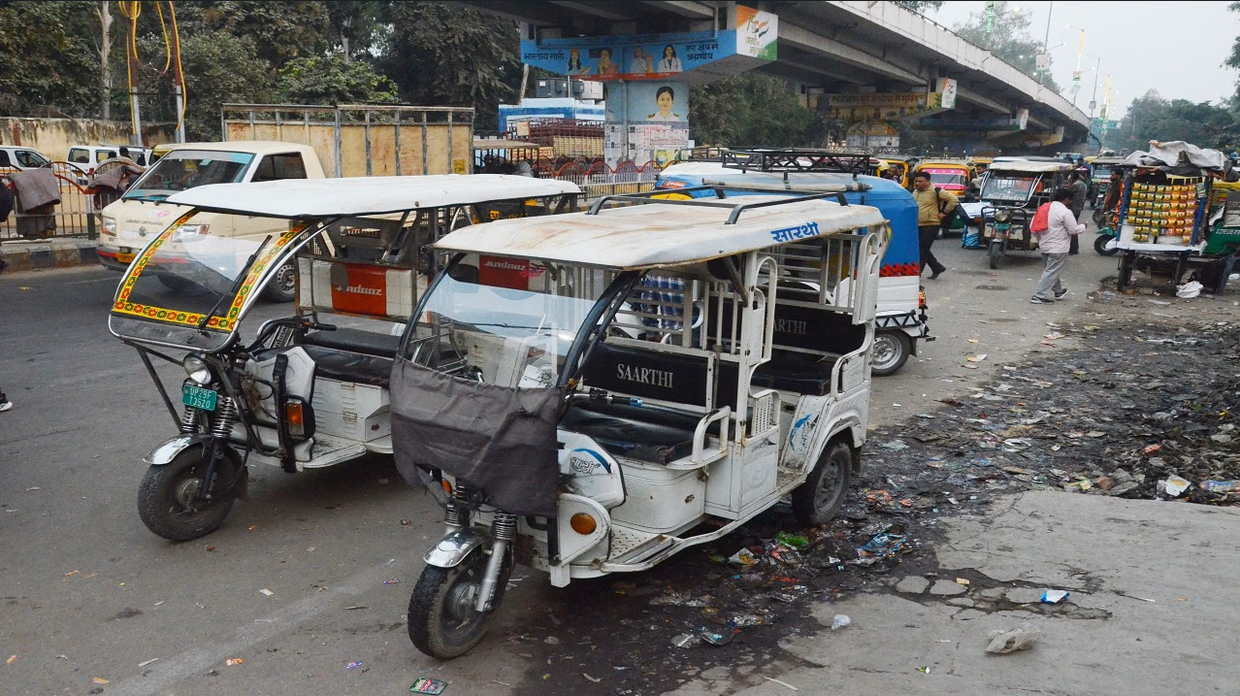
There’s no denying that e-rickshaws have become one of the biggest traffic headaches in many Indian cities. Wrong-side driving, sudden U-turns, illegal parking, lane indiscipline and overcrowding have left commuters frustrated. Amid this growing resentment, videos have started circulating online showing people remotely switching off e-rickshaws using their Battery Management System (BMS) apps as a prank. Many social media users have even found these videos hilarious, with some going a step further by encouraging others to do the same as a way of “teaching drivers a lesson.”
But here’s the thing. Turning someone’s vehicle into a target isn’t a solution. It’s a dangerous precedent.
Two wrongs don’t make a right

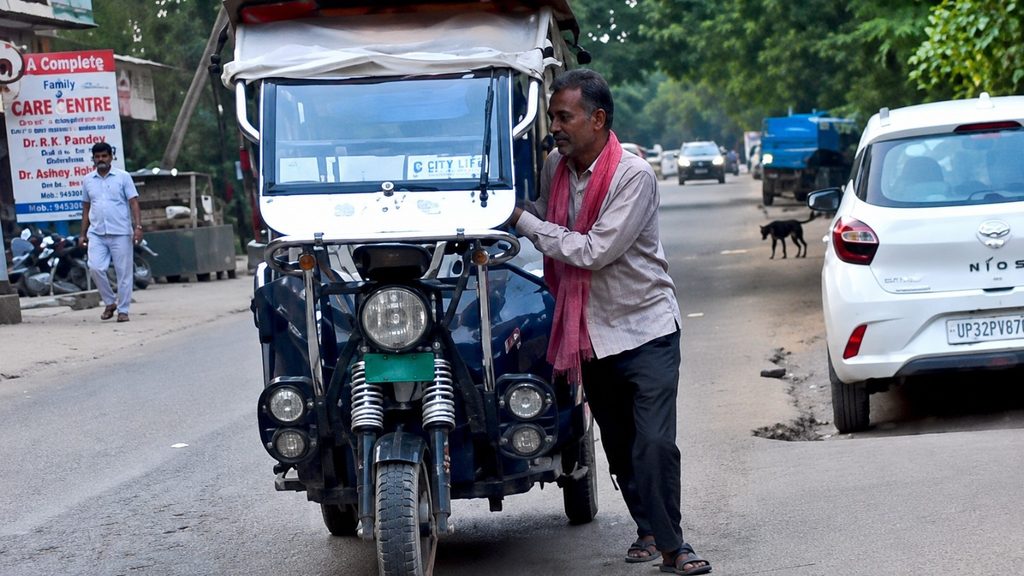
The anger towards rogue e-rickshaw drivers is understandable. Many operate without following traffic rules and often create bottlenecks on already congested roads. However, remotely interfering with a moving vehicle shifts the problem from bad driving to public safety.
Imagine an e-rickshaw suddenly losing power while crossing a busy intersection, climbing a flyover or carrying passengers. Even if the vehicle simply slows down instead of stopping instantly, the consequences could range from traffic pile-ups to serious accidents.
The person behind the wheel may have been at fault moments earlier, but the passengers and surrounding motorists certainly weren’t.
What are BMS apps actually meant for?

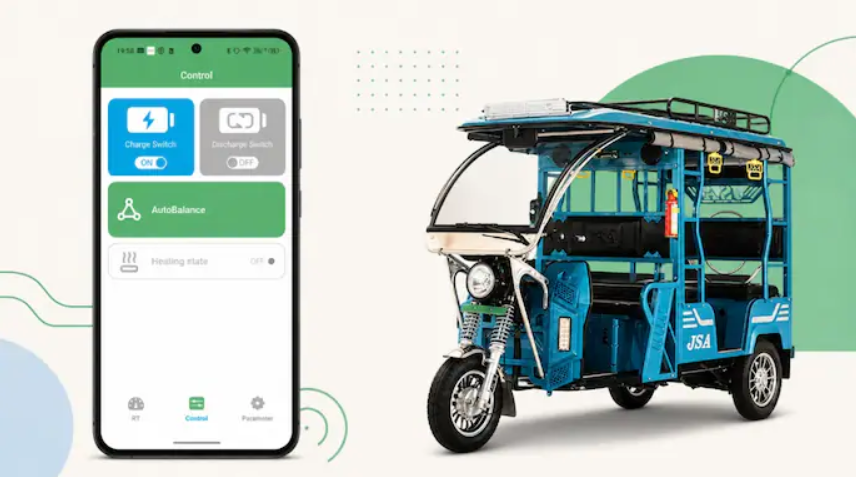
A Battery Management System (BMS) is the electronic brain of an EV battery. It monitors battery health, charging status, temperature, location and overall performance to ensure the battery operates safely and efficiently.
Many manufacturers also offer companion apps that allow authorised owners or fleet operators to track their vehicles, monitor battery diagnostics, receive maintenance alerts and, in some cases, remotely manage certain vehicle functions for security or anti-theft purposes. These apps were developed to improve battery life, vehicle security and fleet management, not to let the general public interfere with vehicles on the road.
If such features are being misused, the answer lies in manufacturers strengthening cybersecurity and restricting remote immobilisation of moving vehicles, not in encouraging vigilante behaviour.
The problem isn’t e-rickshaws alone; It’s weak enforcement
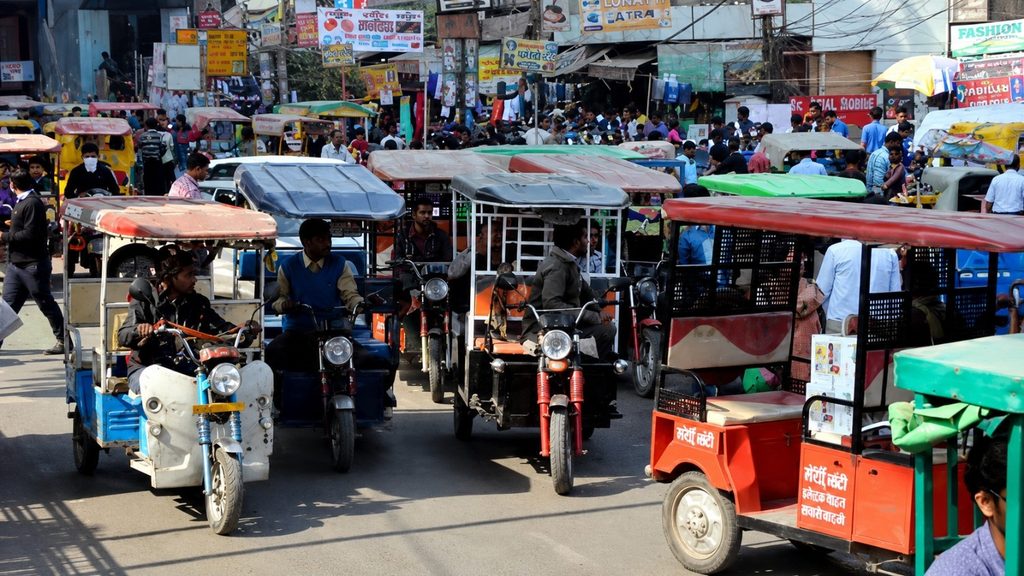
There’s no denying that reckless e-rickshaw driving deserves action. But e-rickshaws also provide affordable last-mile connectivity, transport goods through narrow streets where larger vehicles struggle and contribute to cleaner urban mobility. For lakhs of drivers across India, they are a means of earning an honest livelihood.
Deliberately disabling someone’s vehicle also interferes with their ability to earn a living. No individual has the right to take that away simply because they disagree with a section of road users. Accountability must come through the law, not public retaliation.
The long-term solution lies in better governance, not vigilante action. Stricter licensing norms, mandatory driver training, stronger enforcement of traffic rules, designated parking zones and city-specific route allocation for e-rickshaws can go a long way in reducing congestion while ensuring safer roads for everyone.
Public frustration is justified. But fixing the system is the government’s responsibility, and better regulation will always be more effective than misusing technology.
