






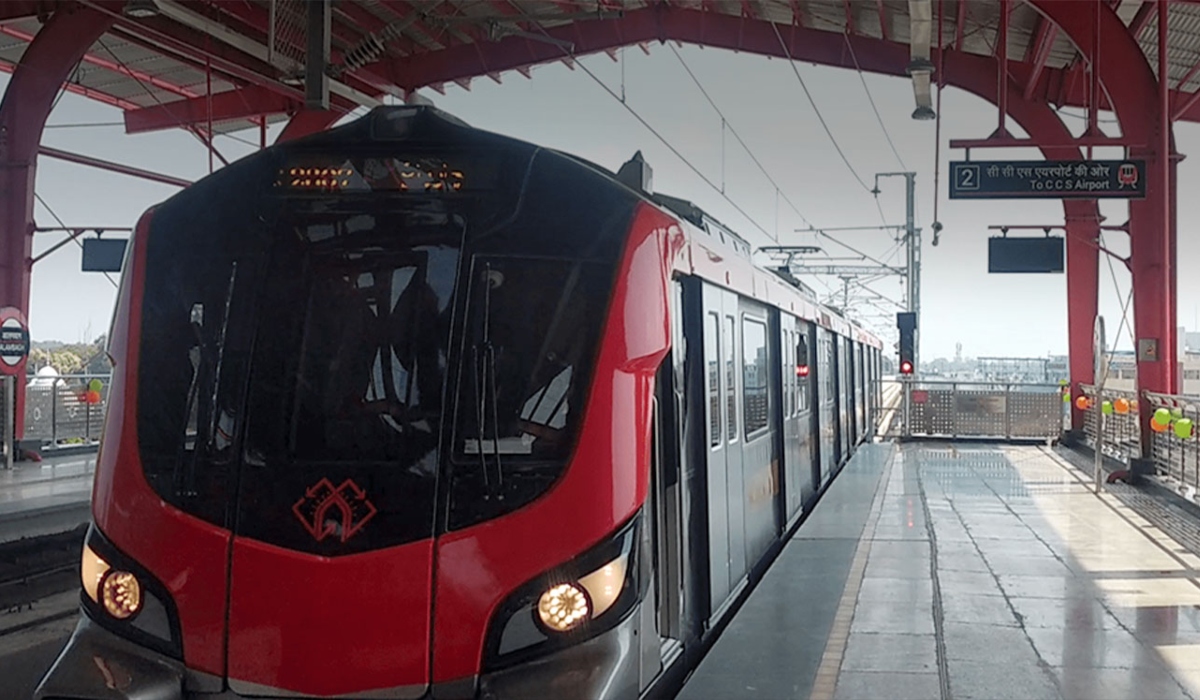
Lucknow Metro’s upcoming East-West Corridor is set to bring a major change to the city’s public transport system, with plans for fully driverless metro trains and advanced AI-based technology aimed at improving safety, efficiency, and passenger comfort.
Driverless trains to transform Lucknow’s East-West Metro Corridor

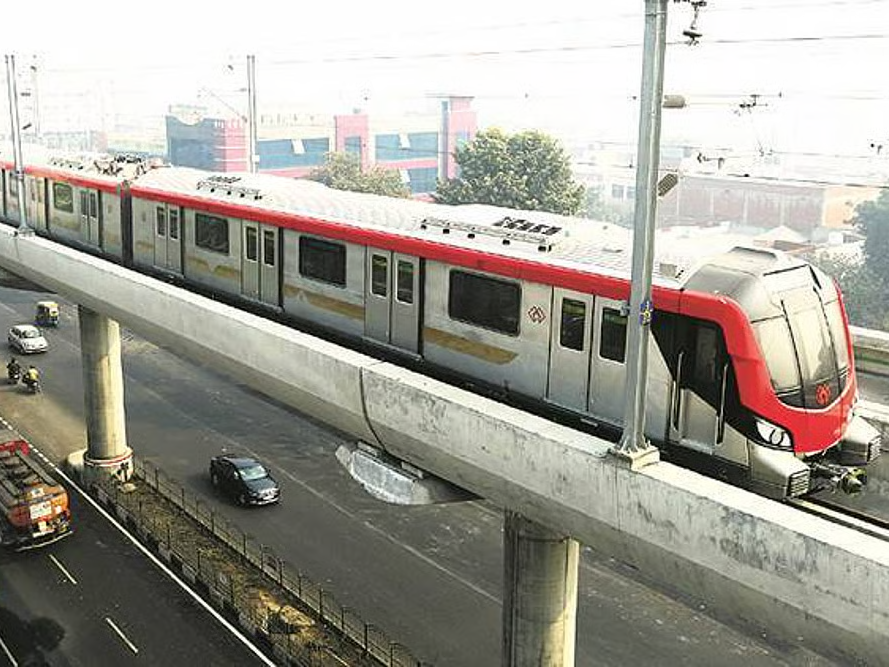
The use of driverless trains operating in Unattended Train Operator (UTO) mode will be a major advantage of the project along this corridor. Most operations will be accomplished through the use of a Communication-Based Train Control (CBTC) system, allowing for automatic starting, stopping and speed control of each train.
The CBTC system will communicate real-time movements of train operations and passenger safety with an Operations Control Centre, enabling monitoring of both train movement and passenger safety. If the CBTC system finds a deficiency with any train’s operations, it is capable of automatically stopping the operations of that train while maintaining safe distances between trains. These technologies are expected to result in fewer human errors and improve the overall reliability of all metro train services.

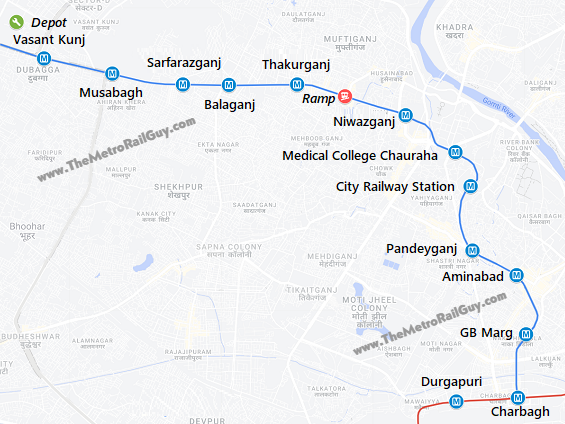
In recent years, driverless metro technology has gradually established itself as standard fare within urban transport systems throughout India. In 2020, Delhi launched the nation’s first driverless metro system with the launch of the Magenta Line and subsequently the Pink Line. In Mumbai, multiple metro corridors, including the Aqua Line 3 and Metro Lines 2A and 7, are designed for unattended train operations.
Chennai Metro will implement driverless technology in various forthcoming extensions, and Bengaluru Metro’s Pink Line is also proposed to utilise automated train systems. Furthermore, Communication-Based Train Control (CBTC) technology is being used for Navi Mumbai Metro with the expectation that it will be able to support automated trains when they are introduced in the future.
AI-based maintenance and smart safety systems planned for new metro coaches
The new metro train coaches are also expected to come with predictive maintenance based on AI. The data from the train will communicate directly with the maintenance servers via an integrated software system, allowing faults to be identified very early. UPMRC states that the system will be able to produce maintenance job cards as soon as a fault is discovered, allowing teams to respond quickly and prevent delays.

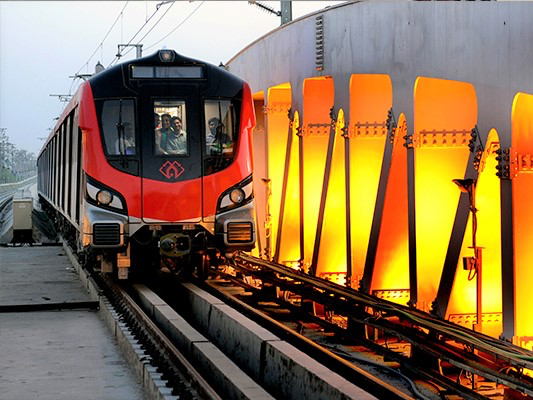
Passengers using the corridor will benefit from upgraded facilities on board. The new infotainment screens that will be installed in the coaches will allow live streaming and will be directly controlled from the Operations Control Centre. Furthermore, the new metro trains will also be fitted with sensor-operated air-conditioning units that will automatically adjust the level of cooling in a coach based on real-time CO2 readings. It is believed that this will improve the comfort of passengers during peak usage and will reduce energy consumption.
Smart safety features to power Lucknow Metro’s upcoming East-West Corridor
The project will place a major emphasis on safety. Each coach will be equipped with an intercom (Passenger Emergency Intercom (PEI) that will allow any passenger who presses the emergency button to be connected to Metro staff through a speakerphone call. If they are on board, all video of the event occurring in that coach will be sent directly to the driver’s cabin, Operations Control Centre and the Security Control Room. The control centre will cascade that information to the security teams at the next station to ensure assistance arrives in a timely manner.

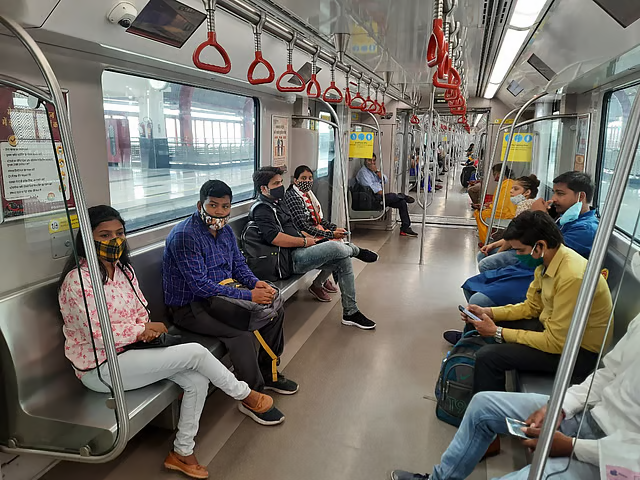
UPMRC Managing Director, Sushil Kumar, indicated that Lucknow Metro is already one of the most energy-efficient metro rail systems in India and that the East-West Corridor trains are being designed using the same criteria of safety, reliability, and energy efficiency.
The UPMRC has released tenders for the design/manufacturing of 15 new trains as well as the signal systems needed to operate the trains on Phase 1-B of the Lucknow Metro Project, which is underway. The tender is currently live on the e-tender portal, and the last date for submission is June 16, 2026.
