






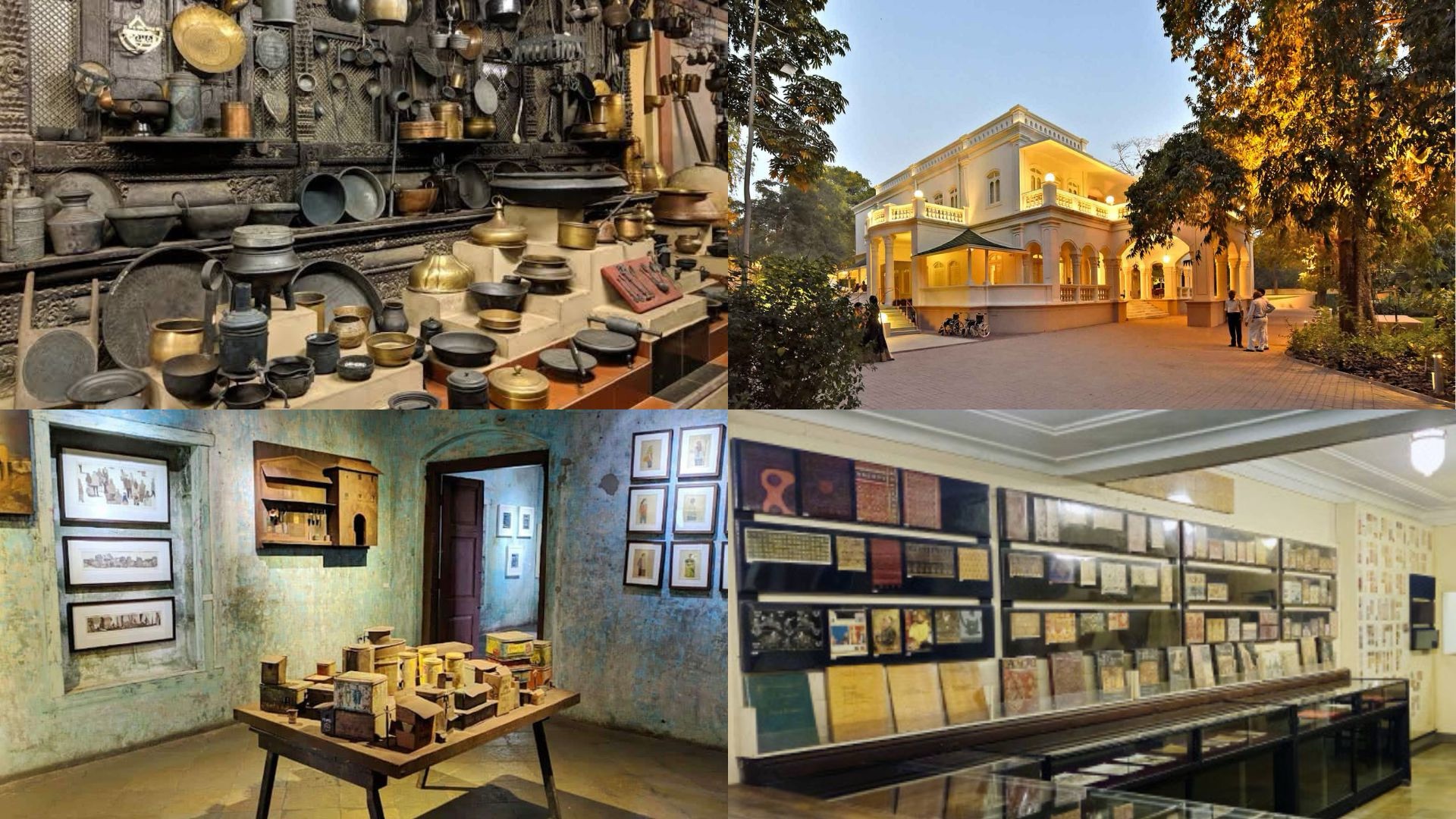
Cities are remembered for what they’re building next. Museums, however, preserve everything that came before. In Ahmedabad, that means a collection of spaces where centuries-old textiles sit alongside vintage cars, kitchen utensils become cultural artefacts, and even conflict is turned into conversation. If you’re looking to experience the city beyond its landmarks, these 9 museums in Ahmedabad offer some of its most compelling stories.
The Calico Museum of Textiles

Founded in 1949 by industrialists Gautam Sarabhai and Gira Sarabhai, the Calico Museum of Textiles was established to preserve India’s rich textile heritage at a time when many traditional crafts were rapidly disappearing. It remains one of the country’s most important institutions dedicated to textile conservation. The idea for the museum was inspired by art historian Dr Ananda K. Coomaraswamy, who advocated for documenting India’s exceptional textile traditions. Initially located within the Calico Mills premises, the museum was relocated in 1983 to The Retreat, the Sarabhai family’s historic estate in Shahibaug. The museum plays a crucial role in preserving traditional craftsmanship through documentation and guided educational tours.
Website
When: 10:30 am to to 5:30 p.m | Tuesday to Sunday
Where: Jain Colony, Shahibag, Ahmedabad
Sabarmati Ashram

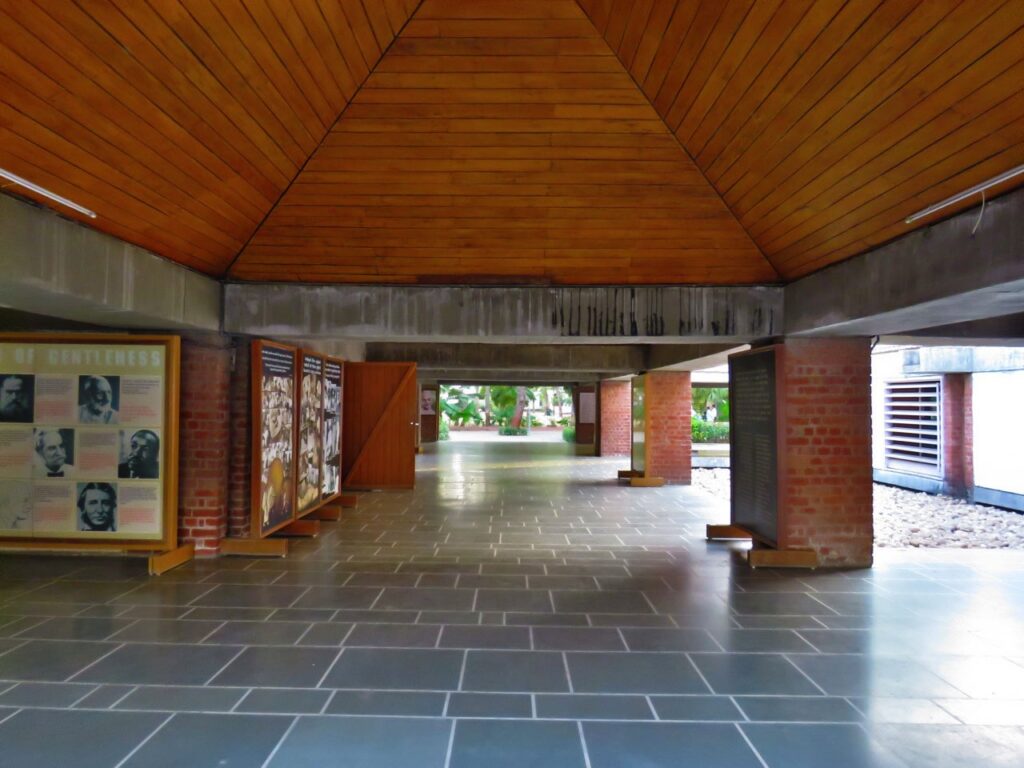
Mahatma Gandhi established the Sabarmati Ashram on the banks of the Sabarmati River in 1917. Between 1917 and 1930, the Ashram served as the headquarters of India’s freedom movement. Many landmark decisions, including those promoting swadeshi and civil disobedience, were planned here. On March 12, 1930, Gandhi began the historic Dandi Salt March from this Ashram.
Later, the Gandhi Memorial Museum, designed by architect Charles Correa, was inaugurated by Jawaharlal Nehru on May 10, 1963. Its understated architecture reflects Gandhi’s philosophy of simplicity. Today, the museum preserves Gandhi’s legacy through rare archives, and personal belongings. It continues to attract visitors from around the world who wish to understand the life of the Father of the Nation.
Website
When: 10 am to 6 pm
Where: Gandhi Smarak Sangrahalaya, Ahmedabad
Sardar Vallabhbhai Patel National Museum

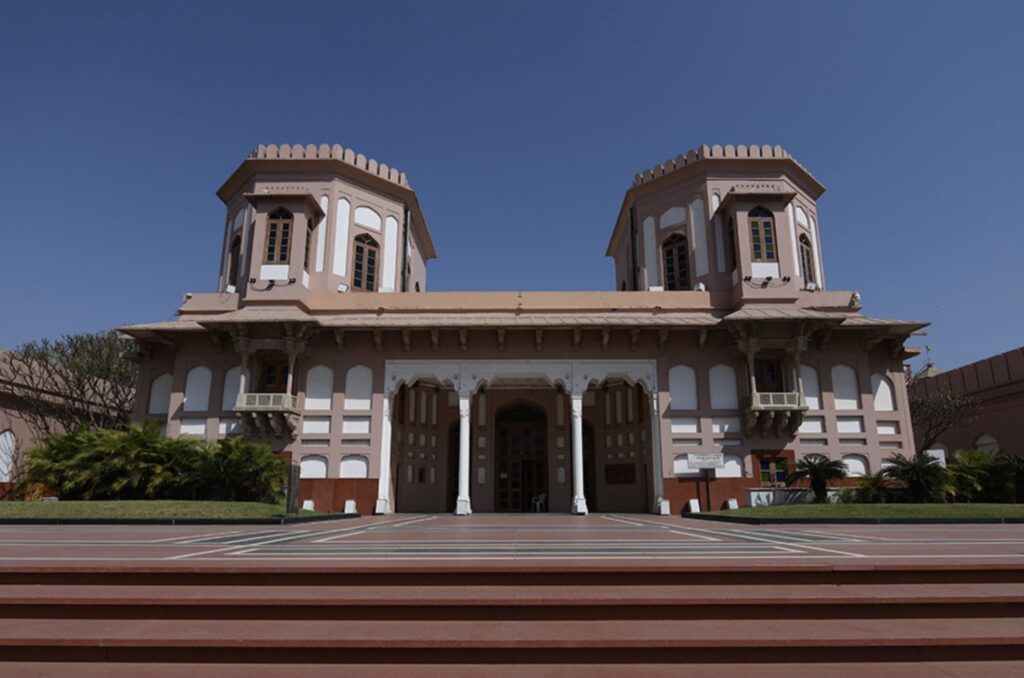
The Sardar Vallabhbhai Patel National Museum was inaugurated in 1978 to honour India’s first Deputy Prime Minister and Home Minister. The museum occupies Moti Shahi Mahal, a Mughal palace commissioned by Emperor Jahangir in 1622. As one of Ahmedabad’s oldest surviving palaces, the building itself is an important historical monument. The palace also has literary significance, as Nobel Laureate Rabindranath Tagore stayed here during his youth. It is believed that his experiences at the palace inspired portions of his famous short story The Hungry Stones.
Inside, the museum documents Sardar Patel’s contribution to India’s freedom movement and his role in integrating more than 560 princely states into the Indian Union following Independence, earning him the title ‘Iron Man of India’.
Website
When: 9:30 am to 5 pm
Where: Gandhi-Sardar Smruthi Chowk, Bhimnath Mahadev, Shahibag, Ahmedabad
Lalbhai Dalpatbhai Museum

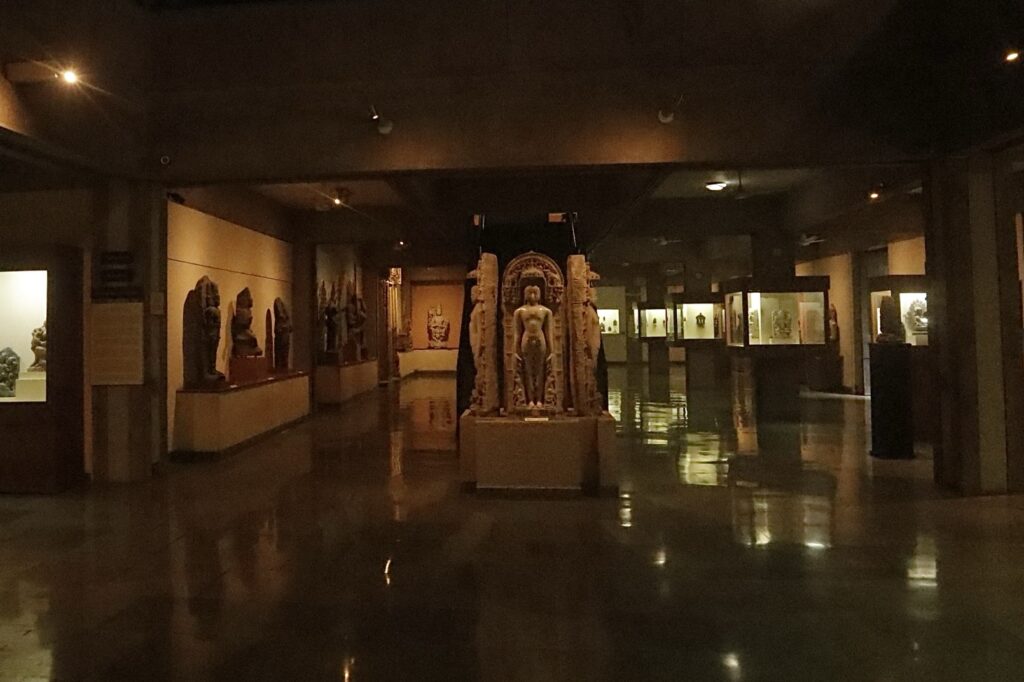
Established in 1984 by the Lalbhai Dalpatbhai Trust, the museum was created to preserve and showcase India’s religious and archaeological heritage. It has since become one of western India’s leading museums for classical Indian art. Located within L.D. Institute of Indology, the museum benefits from decades of academic research in ancient manuscripts, archaeology and religious studies.
The museum building was designed by Balkrishna Vithaldas Doshi, India’s first Pritzker Prize-winning architect. The museum is particularly renowned for its exceptional holdings of Jain sculptures, Hindu and Buddhist artefacts, ancient bronzes and illustrated manuscripts, many of which date back over a thousand years.
Website, Instagram
When: 9:30 am to 5:30 pm
Where: Gujarat University Clock Tower, L.D. Institute of Indology Campus, Navrangpura, Ahmedabad
Vechaar Utensils Museum

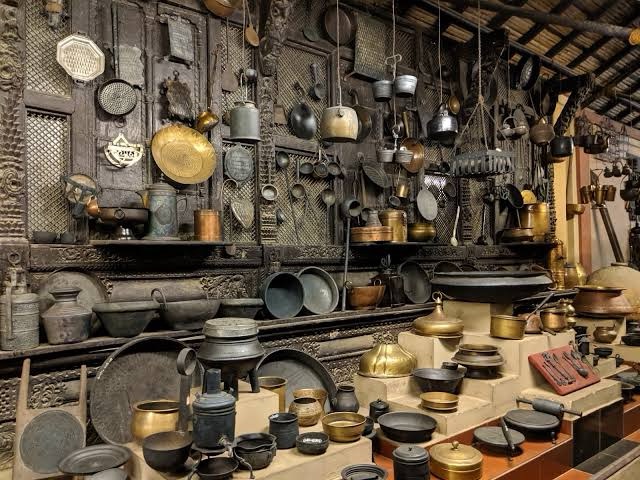
Established in 1981 by renowned architect Surendra Patel, Vechaar Utensils Museum was created to preserve India’s traditional cooking and dining vessels. Located within Vishalla village-themed restaurant, the museum offers visitors an insight into the country’s diverse food culture beyond recipes and cuisine.
The name ‘Vechaar’ stands for Vishalla Environmental Centre for Heritage of Art, Architecture and Research. The museum was founded on the belief that everyday utensils are valuable historical objects that reflect regional lifestyles and craftsmanship, making them worthy of preservation. Over the years, the museum has grown into one of the world’s largest collections of traditional Indian utensils, housing more than 8,000 artefacts collected from different states across the country. The collection showcases how communities adapted locally available materials such as brass, copper, bronze, clay and wood to suit their cooking methods and climatic conditions.
Website
When: 11 am to 11 pm
Where: Rehnuma Society, Vishala, Ahmedabad
Auto World Vintage Car Museum

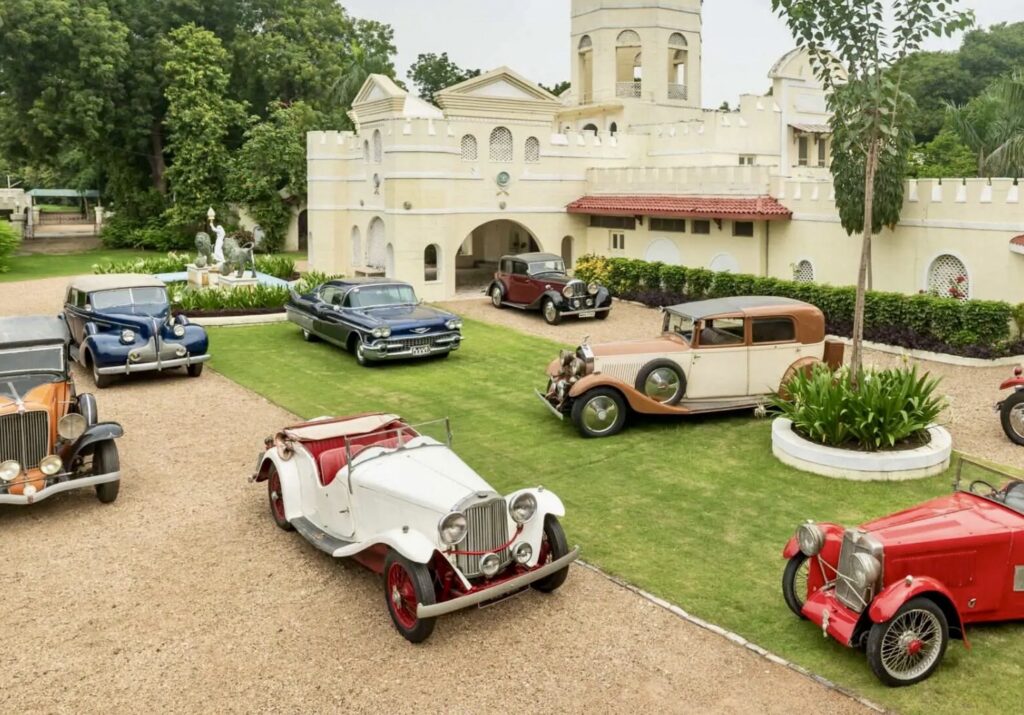
The Auto World Vintage Car Museum was established in 2003 by automobile collector Pranlal Bhogilal, whose lifelong passion for classic vehicles led to one of India’s largest private collections of vintage automobiles. Located within Dastan Estate in Kathwada, the museum houses vehicles that once belonged to Indian royal families, British officials and prominent industrialists. Many of these automobiles have been restored and remain in working condition. Today, the museum is home to more than 120 vintage vehicles, including Rolls-Royce, Bentley, Cadillac, Jaguar, Mercedes-Benz, Chrysler and Maybach.
One of the museum’s biggest attractions is the opportunity for visitors to take a short ride in selected vintage cars, making it one of the few museums in India to offer such an experience.
Website
When: 8 am to 9 pm
Where: Dastan Estate, Sardar Patel Ring Road, Nikol, Kathwada, Ahmedabad
Conflictorium

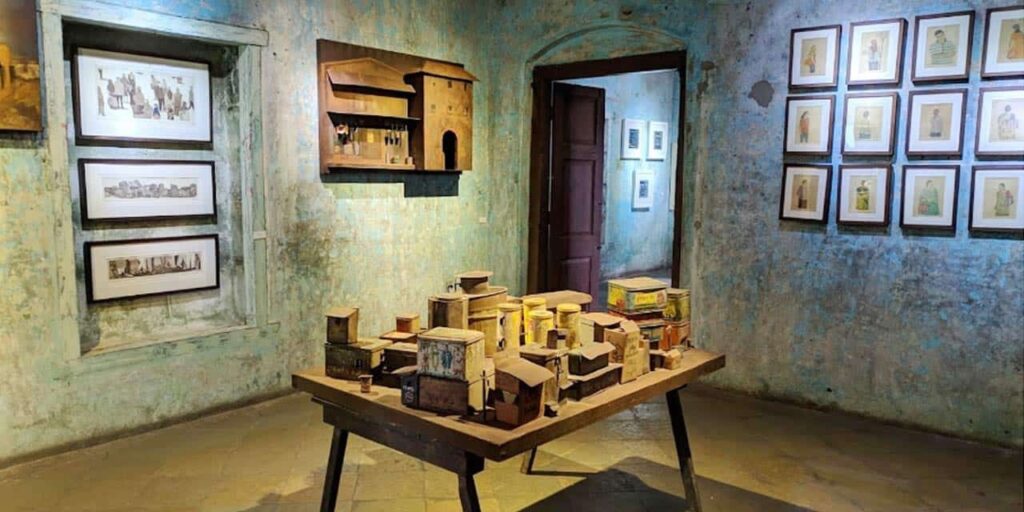
Opened in 2013, Conflictorium is recognised as India’s first museum dedicated to conflict. Rather than focusing on historical artefacts, it explores how conflict shapes individuals, communities and societies through exhibits, art and storytelling. The museum occupies Gool Lodge, a beautifully restored century-old heritage building.
Developed by the Janvikas Society, Conflictorium was established as a public space where visitors could engage with themes such as identity, justice, memory, discrimination and peaceful coexistence. Unlike conventional museums, Conflictorium relies on multimedia installations, oral histories, public participation and contemporary artworks to create an immersive experiences.
Website
When: 7 am to 11 pm
Where: Gool Lodge, Mirzapur Road, Ahmedabad
Kite Museum (Patang Museum)

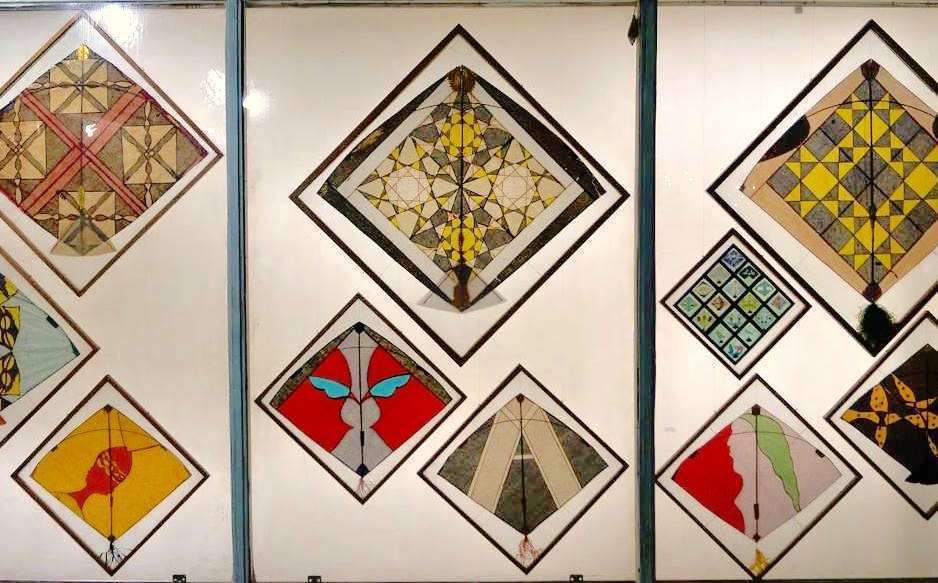
Established in 1985, the Kite Museum, popularly known as the Patang Museum, is among the few museums in the world devoted entirely to the art and history of kite flying. It celebrates Ahmedabad’s long-standing association with the annual Uttarayan festival. The museum was created from the private collection of renowned kite enthusiast Bhanu Shah, who donated hundreds of handcrafted and rare kites to the Ahmedabad Municipal Corporation. Located inside Sanskar Kendra, the museum showcases how kite making evolved from a recreational pastime into a celebrated art form. The collection includes decorative, ceremonial and competitive kites from different parts of India, along with examples from other countries. Many of the kites feature mirror work, block printing, hand painting and traditional calligraphy.
Website
When: 10 am to 6 pm | Monday closed
Where: Sankar Kender, Bhagtacharya Road, Kocharab, Paldi, Ahmedabad
Kasturbhai Lalbhai Museum

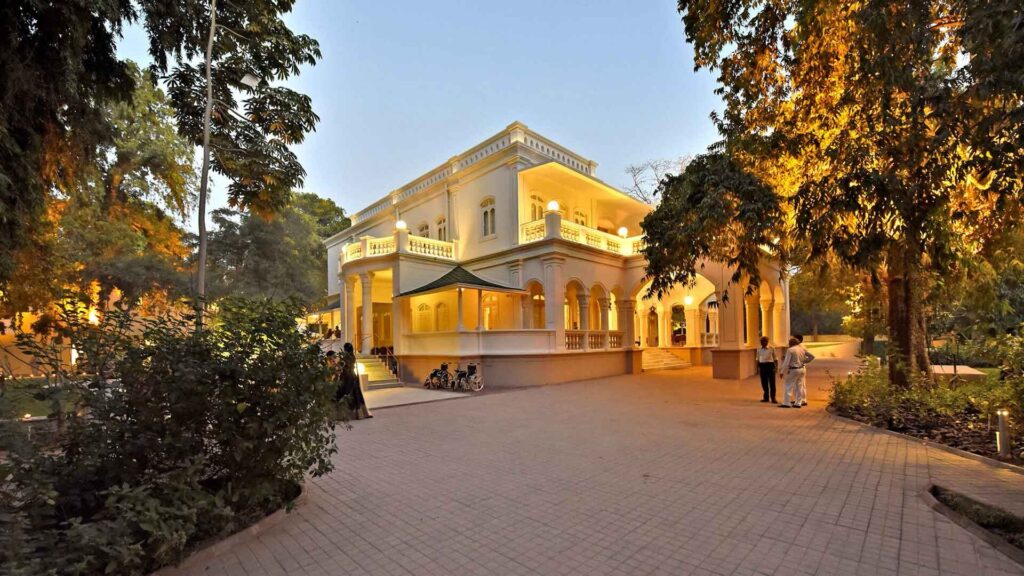
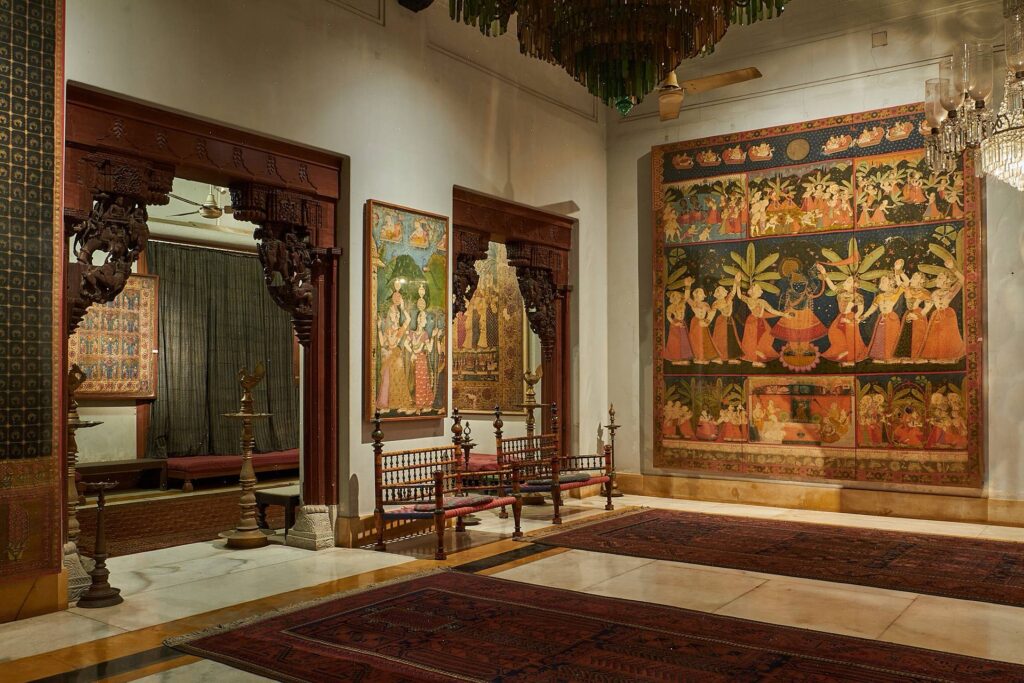
Kasturbhai Lalbhai Museum was established in 2017 within the historic Lal Bungalow, the former residence of industrialist and philanthropist Kasturbhai Lalbhai, one of Ahmedabad’s most influential business leaders. The museum was created to preserve the family’s legacy. Originally designed in the early twentieth century, Lal Bungalow blends Indian and European architectural influences. The restoration retained much of the building’s original character while adapting it into a modern museum.
Managed by the Anandji Kalyanji Trust, the museum showcases one of Gujarat’s finest private collections of Indian art. Its galleries feature works spanning several centuries. Among its highlights are miniature paintings, sculptures, manuscripts, bronzes and decorative arts representing diverse schools of Indian craftsmanship. The museum also hosts exhibitions, lectures and educational programmes regularly.
Website
When: 10 am to 4 pm | Monday closed
Where: Lalbaug Shahibaug, near Shahibaug Underpass, Ahmedabad
