






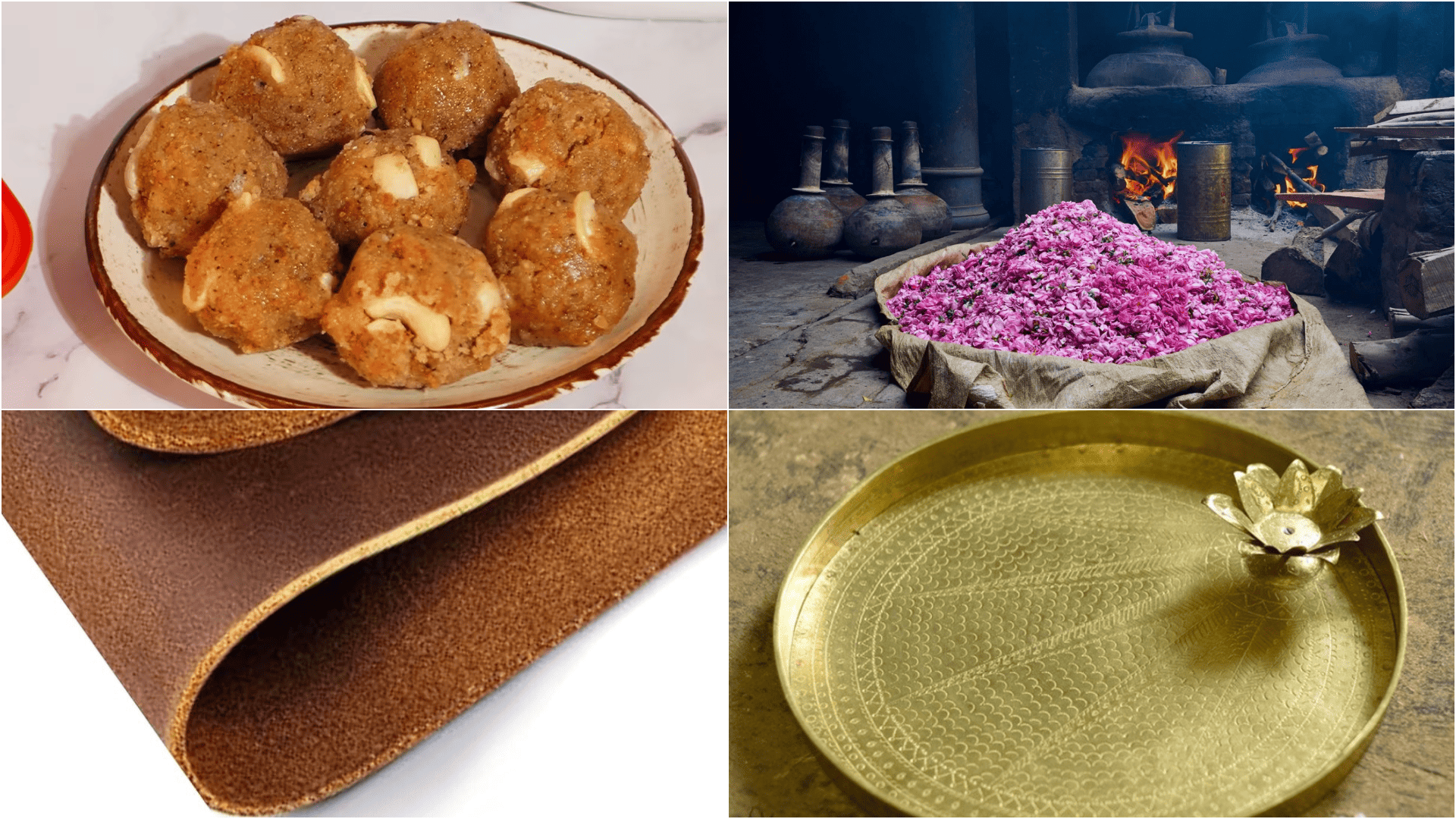
Most “city-exclusive” lists are really just local branding dressed up as discovery, a snack, a keychain, a slogan someone workshopped for tourists. Kanpur doesn’t need the dressing up. This is a city built on manufacturing, not marketing, tanneries, foundries, spice mills, embroidery karkhanas, and what it makes rarely bothers announcing itself as special. Nobody here is trying to sell you an experience. They’re just doing the job they’ve always done, and the job happens to produce things you genuinely cannot find, made the same way, anywhere else. The nine things ahead aren’t curated for a listicle, they were already being made before anyone thought to write about them.
Leather goods

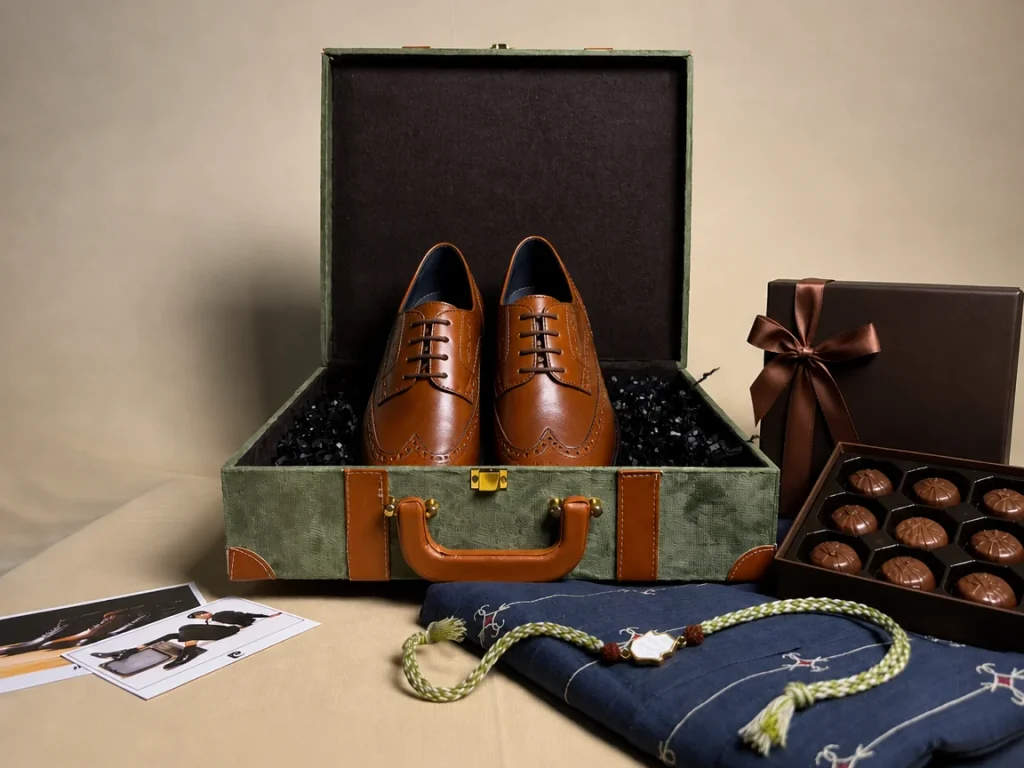
Kanpur’s leather legacy isn’t just an industry, it’s an entire ecosystem. The same city that supplies leather goods across the world is also where you can pick up pieces straight from the source, without the luxury-brand markup. From full-grain leather belts, wallets and handbags to custom-fitted riding boots, brogues, jackets, travel bags and even equestrian gear like saddles, Kanpur’s leather markets offer products that carry decades of craftsmanship. Head towards Jajmau and the city’s older leather clusters, where artisans and manufacturers still work with generations-old expertise to create everything from everyday accessories to export-quality pieces. These aren’t typical souvenirs; they’re functional slices of Kanpur’s industrial identity.
Bithoor Hand-Hammered Brassware

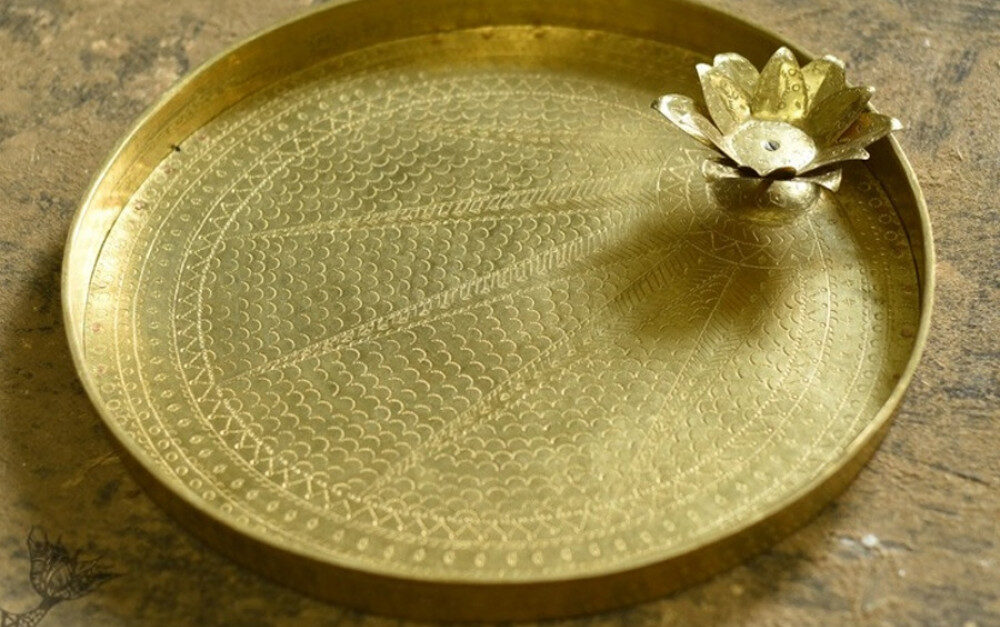
Every brass shop in India sells you machine-pressed puja thalis by the dozen, Bithoor sells you the exception. The kalash and thalis here are hand-hammered, thick enough to double as a doorstop, and engraved with patterns nobody’s bothered simplifying for faster production. Local artisans have been at this since long before “handcrafted” became a pricing strategy elsewhere. Buy one and you’re not getting a souvenir with the Ganga’s name attached for effect, you’re getting something shaped a few hundred metres from the river it’s engraved with, by hands that never needed the story explained to them.
Bithoor Lacquered Wooden Toys

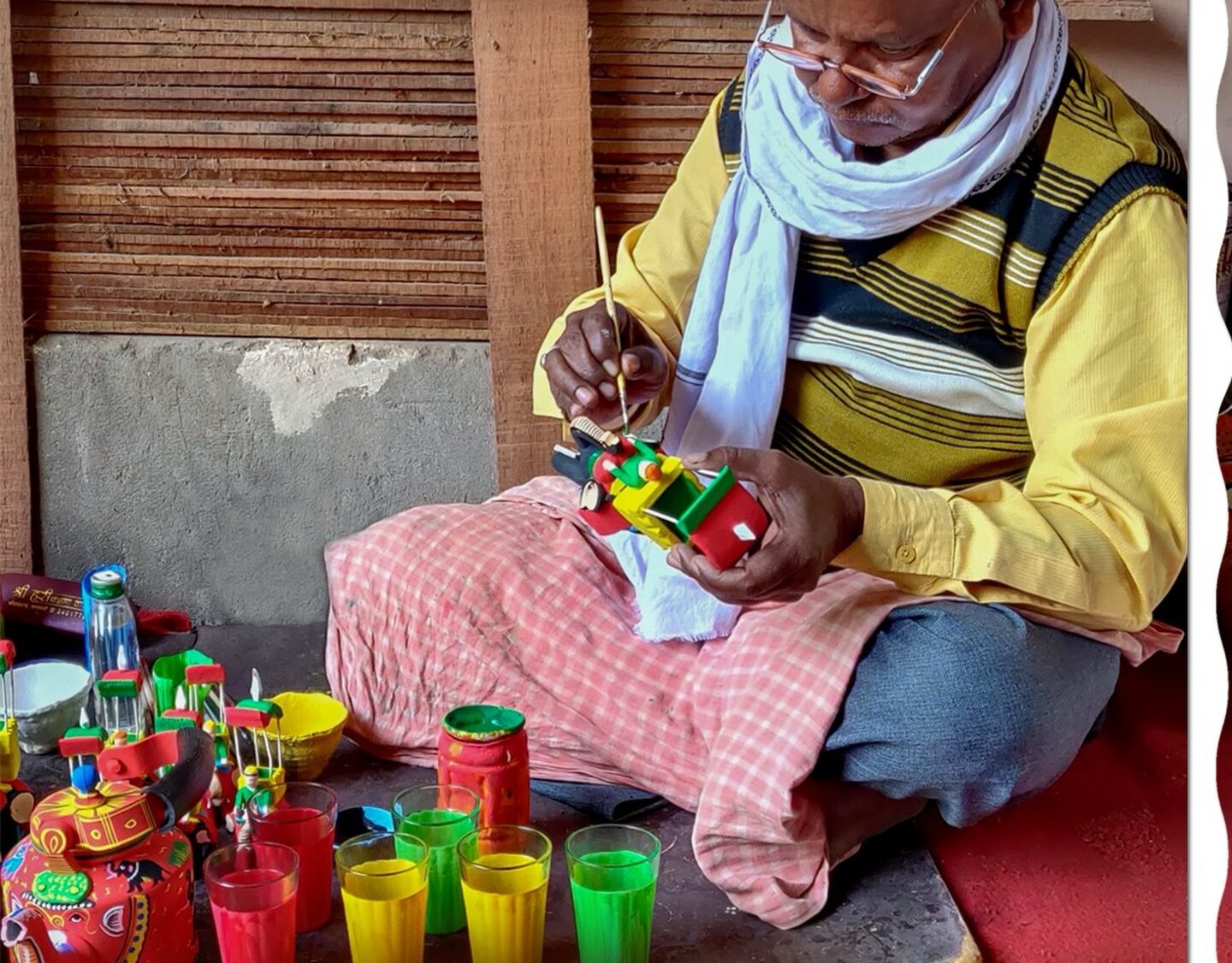
Every toy company alive today pays a studio to invent a mythology, a mascot, an origin story, a “cinematic universe” to keep kids hooked past the first unboxing. Bithoor never needed the department, its hand-lathed peg dolls, rattles and miniature kitchen sets carry folk motifs specific to this exact stretch of the Ganga, river symbols, local deities, patterns a child two towns over wouldn’t recognize. Nobody sat down and branded it. It was just what the lathe operator’s father carved, and his father before him, using lac, softwood, and zero market research. The story was never written down properly, never trademarked, never turned into a Netflix pitch. It’s still there anyway, glossier than most branded toys manage after one wash, sold to whoever bothers to ask what it means.
Thaggu Ke laddoo

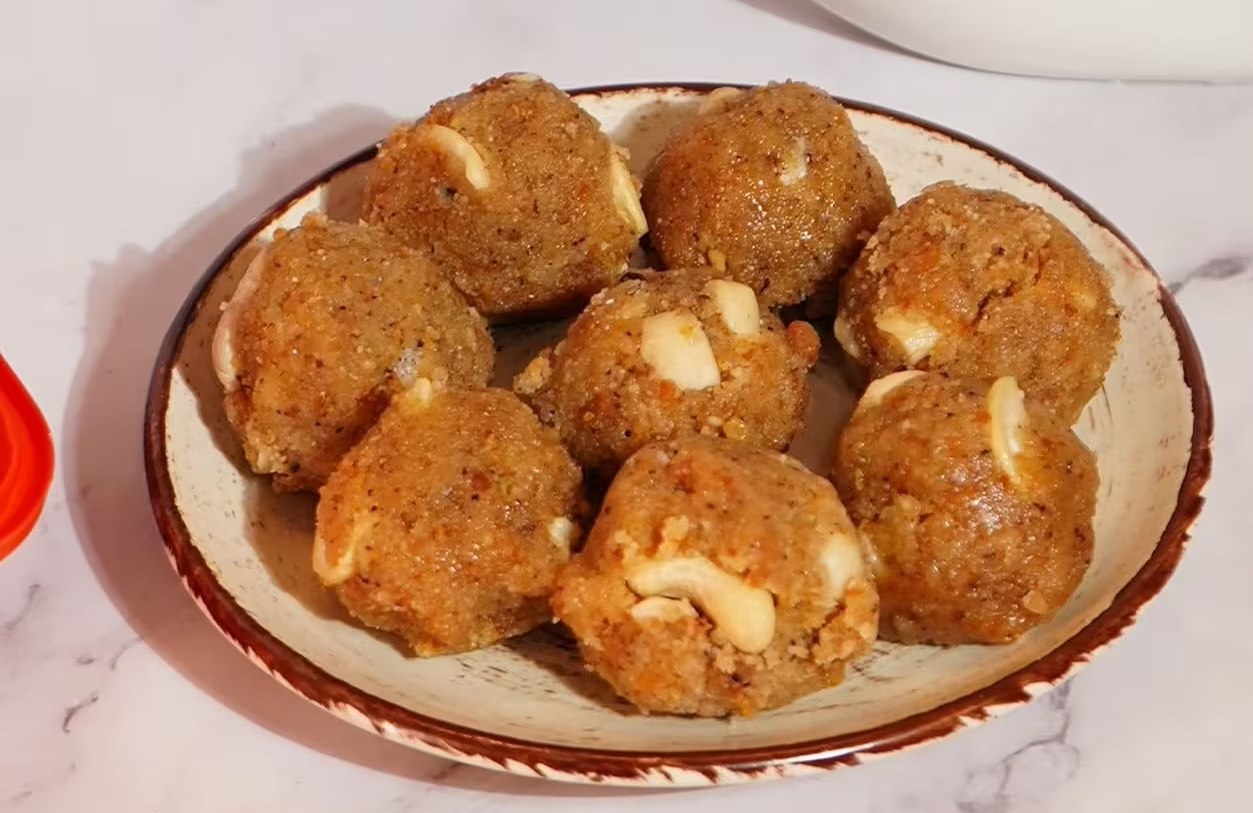
Most sweet shops open with a promise of purity, this one opens with a confession. “Thaggu Ke Laddu“, literally “the cheat’s laddu”, was named by a strict Gandhian who got called a swindler for underpricing everyone else, shrugged, and turned the insult into a motto: aisa koi saga nahi, jisko humne thaga nahi, there’s no relative we haven’t cheated. The Mewa and Kaju laddus are built on khoya, suji, gond and cardamom, nothing like the standard sugar-heavy version elsewhere. Order the Badnaam Kulfi while you’re there, a shop with a name like this was never going to call anything modestly.
Kannauj Ittar

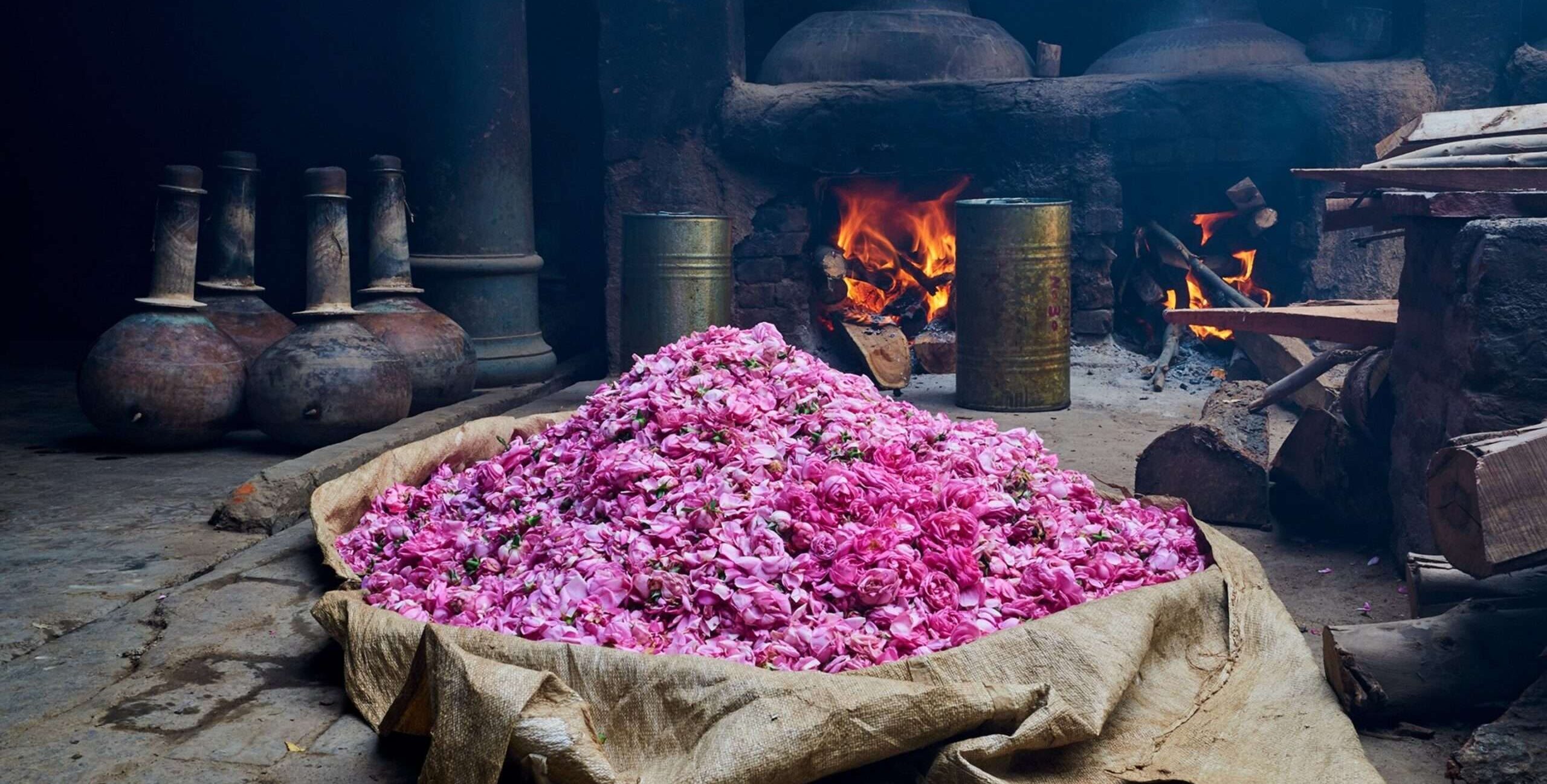
Every perfume you own is mostly alcohol, which means it’s also mostly evaporation, spritz it on and half of what you paid for is gone by lunch, ittar was never built that way. Kannauj distillers steam flowers directly into a sandalwood oil base, no alcohol at all, which means a vial doesn’t fade, it ages, the way a good whisky does, getting rounder and more complex the longer it sits in the bottle. People in Kanpur’s ittar shops will tell you a decade-old batch is worth more than a fresh one, which is not a sentence that has ever applied to a bottle of Chanel. You’re not buying a scent here, you’re buying something with a shelf life measured in generations, sold at a price that assumes nobody’s told the ittar it should cost more.
Custom Italian- Grade finished suede

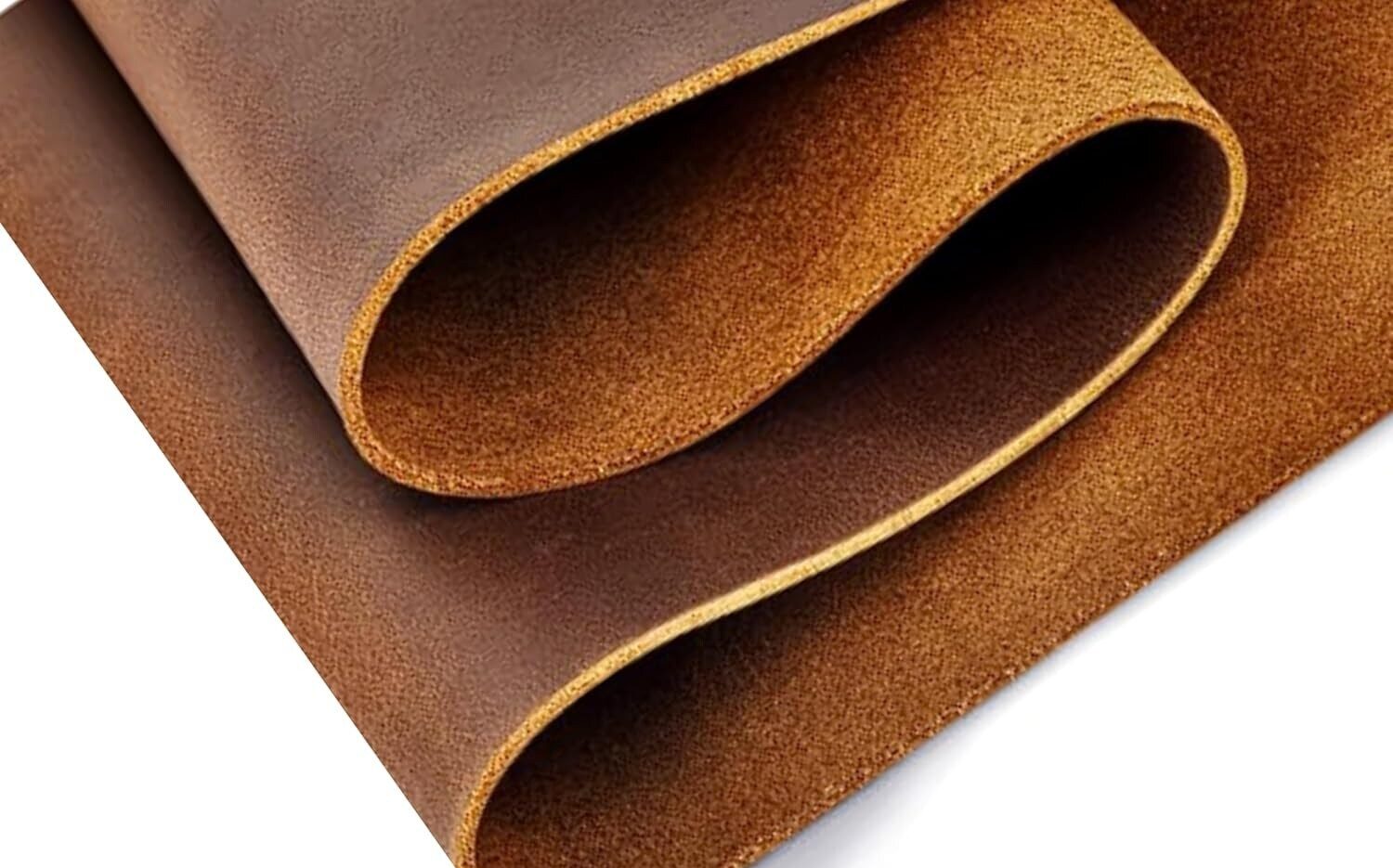
Everywhere else, leather is a finished product with a fifteen-times markup baked in before it reaches you. In Kanpur, it’s a raw material you can just… buy. The tanneries here export finished suede and Italian–grade leather to fashion houses abroad, and whatever gets rejected, overstocked, or simply not shipped ends up sold by the yard at prices that make “genuine leather” tags elsewhere look like a punchline. You’re not buying a bag, you’re buying the fabric a bag would’ve been made from, and the decision of what it becomes is entirely yours.
Heavy zardozi handbags & bridal trousseau trims

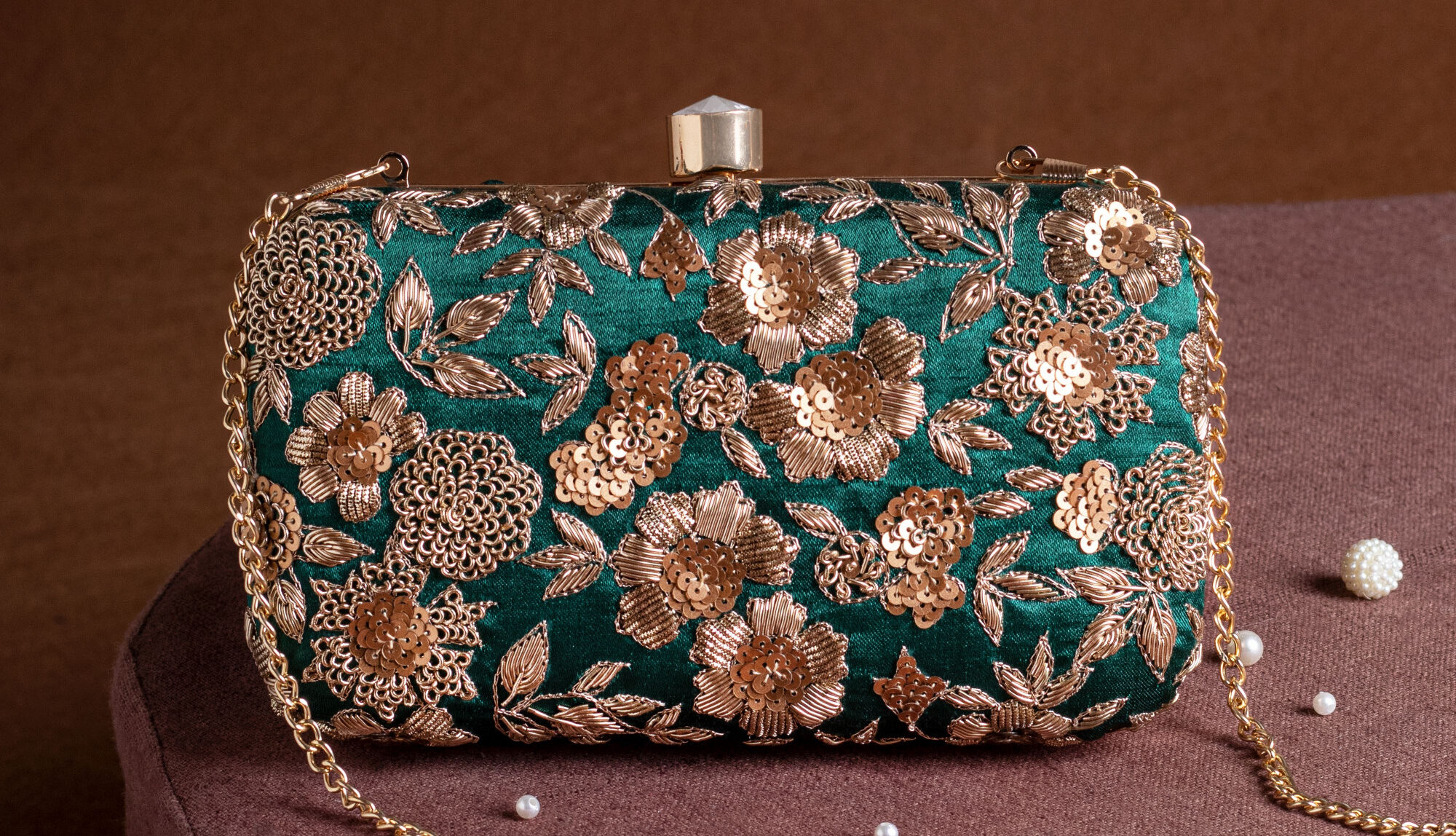
Lucknow gets all the embroidery credit, chikankari, delicate, whisper-light, photographed constantly. Fifty kilometres away, Kanpur’s General Ganj market is doing the opposite and getting none of the attention for it. Zardozi here is heavy, loud, unapologetic, real metallic thread, bugle beads and sequins hammered onto thick velvet and silk until it looks less like embroidery and more like armour. Buy a clutch or the raw lappa border straight from the wholesale karigars and you’re paying tannery-adjacent prices for work a boutique would call “heritage bridal” and charge accordingly.
The ultimate Kanpuri buknu

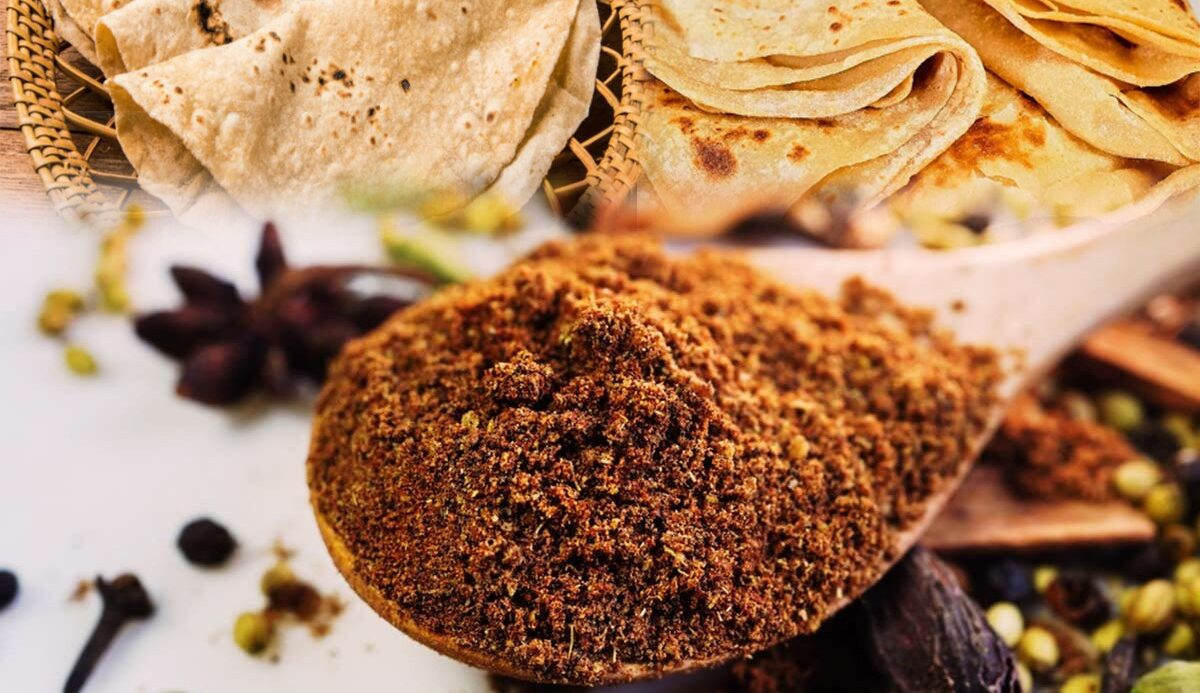
Every digestive supplement now comes in a capsule with a nutrition label and a subscription plan. Kanpur’s answer to bloating has been sitting in Nayaganj Market for generations, unbothered by any of that, Buknu, a hand-pounded blend of up to 27 herbs and roots, each one roasted individually in mustard oil before being ground down with black and rock salt. Harad, baheda, pipli, heeng, dried ginger, it reads like an apothecary list because it basically is one. No dosage chart, no branding, just a jar that’s been doing the job since before “gut health” was a marketing category.
Kanpuri Mixture Namkeen

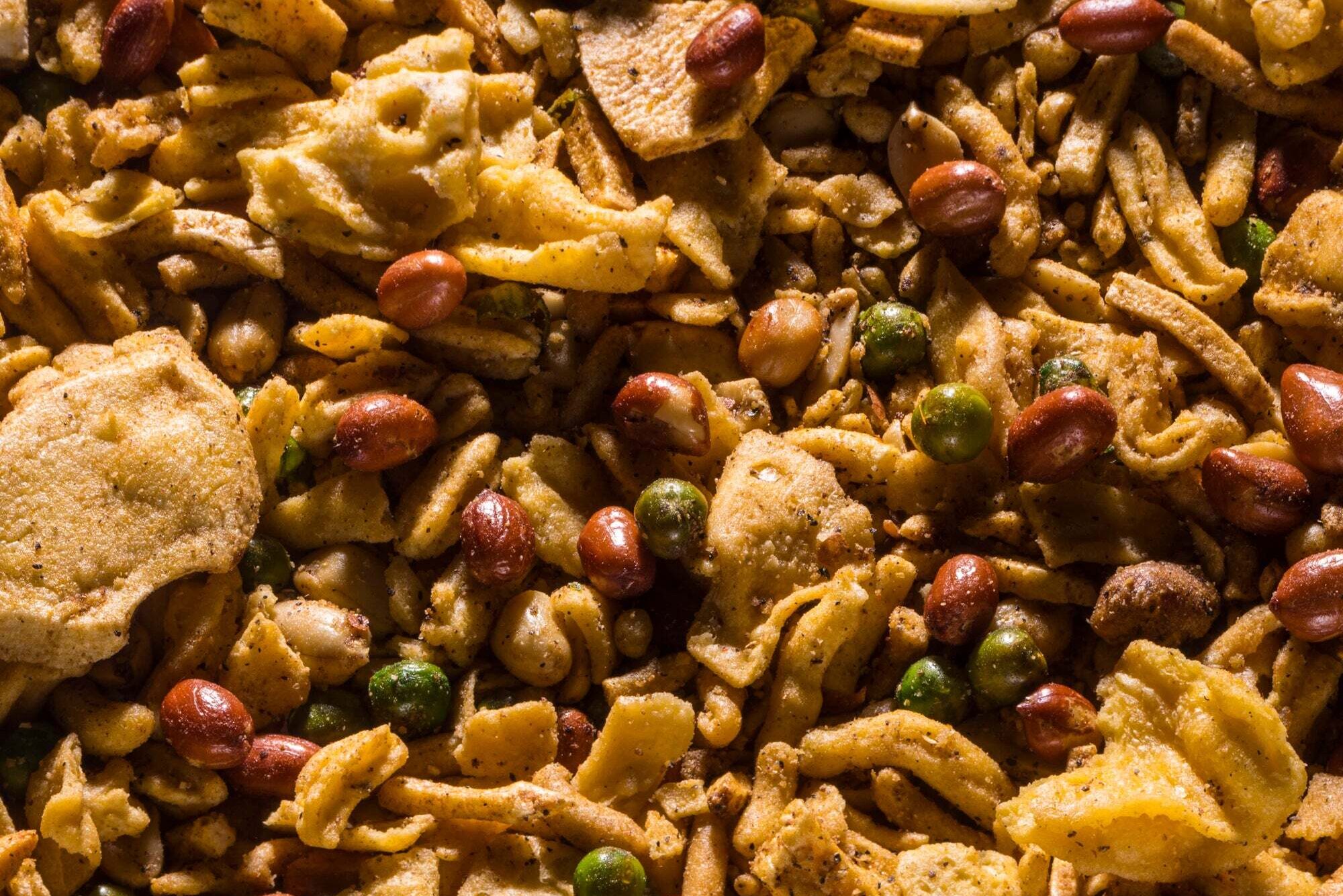
Kanpur has never been an easy city to like on first impression, it’s loud, it’s blunt, it doesn’t perform for outsiders. Its namkeen is exactly the same personality in edible form. What comes out of the old iron kadhais isn’t a polite snack mix; it’s chana dal, masoor, peanuts and aloo lachha thrown together with amchur, black salt and a heavy-handed dose of garam masala that refuses to apologize for how it lands. Commercial brands took the name national and softened every one of those edges to make it palatable to a country that wanted a snack, not an argument. What’s left in Kanpur is the unedited version, sharper, saltier, spicier than its own branding implies, because nobody local has ever felt the need to make it more agreeable.
