






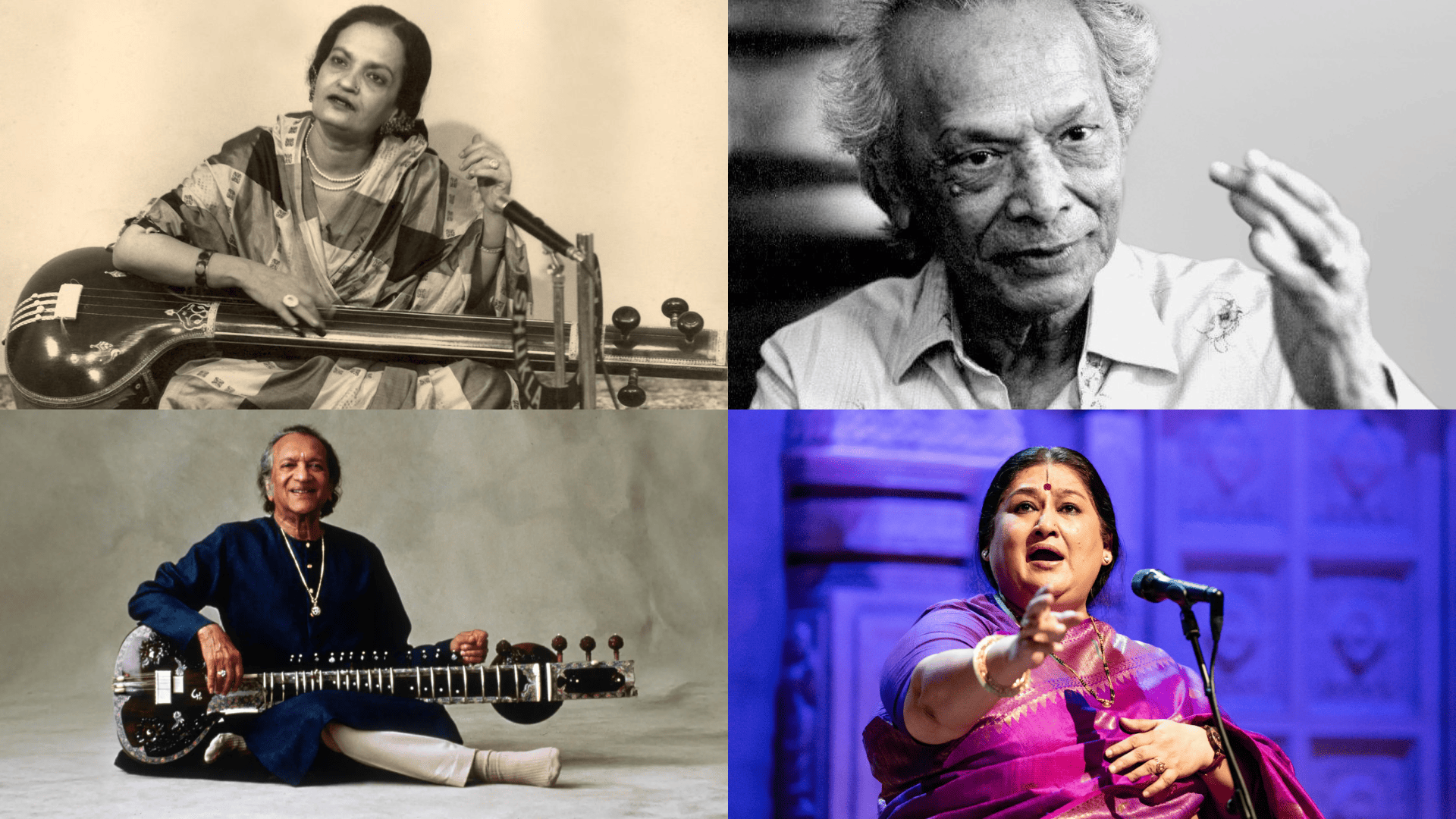
]Few soils on earth have nurtured music the way Uttar Pradesh has. Where the Ganga flows eternal, and poets have dreamed for millennia, something extraordinary was always destined to emerge. This ancient land, of sacred ghats, nawabi courts, and fragrant bylanes, didn’t just witness history; it sang it. From the meditative pull of the sitar to the thunder of the tabla, from heart-wrenching ghazals to the earthy pulse of folk, UP’s musical legacy is not merely heritage, it is the very soul of India, set to an undying melody. Here’s a list of some of its most legendary musical sons and daughters. How many did you know belonged to UP?
Begum Akhtar

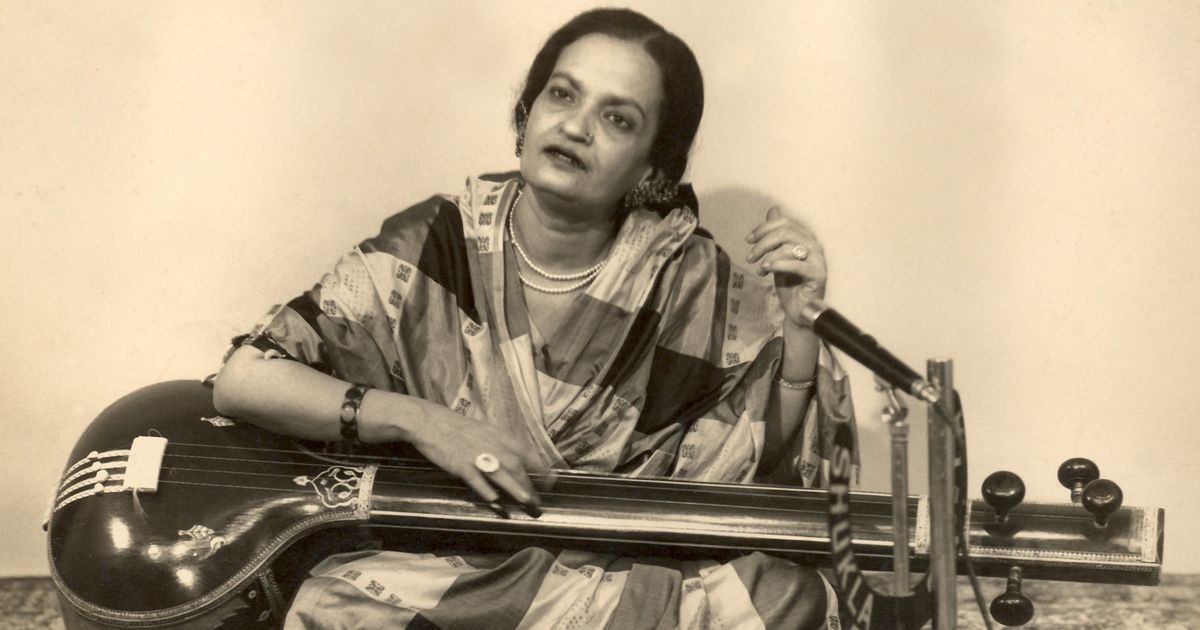
Born in the historic city of Faizabad, Akhtari Bai Faizabadi, immortalised as Begum Akhtar, gave ghazal, dadra, and thumri a soul the world had never heard before. Crowned “Mallika-e-Ghazal” (Queen of Ghazals), her voice carried the weight of an era across nearly 400 songs. A Padma Shri and posthumous Padma Bhushan laureate, she remains Hindustani classical music’s most enduring heartbeat.
Pt. Ravi Shankar

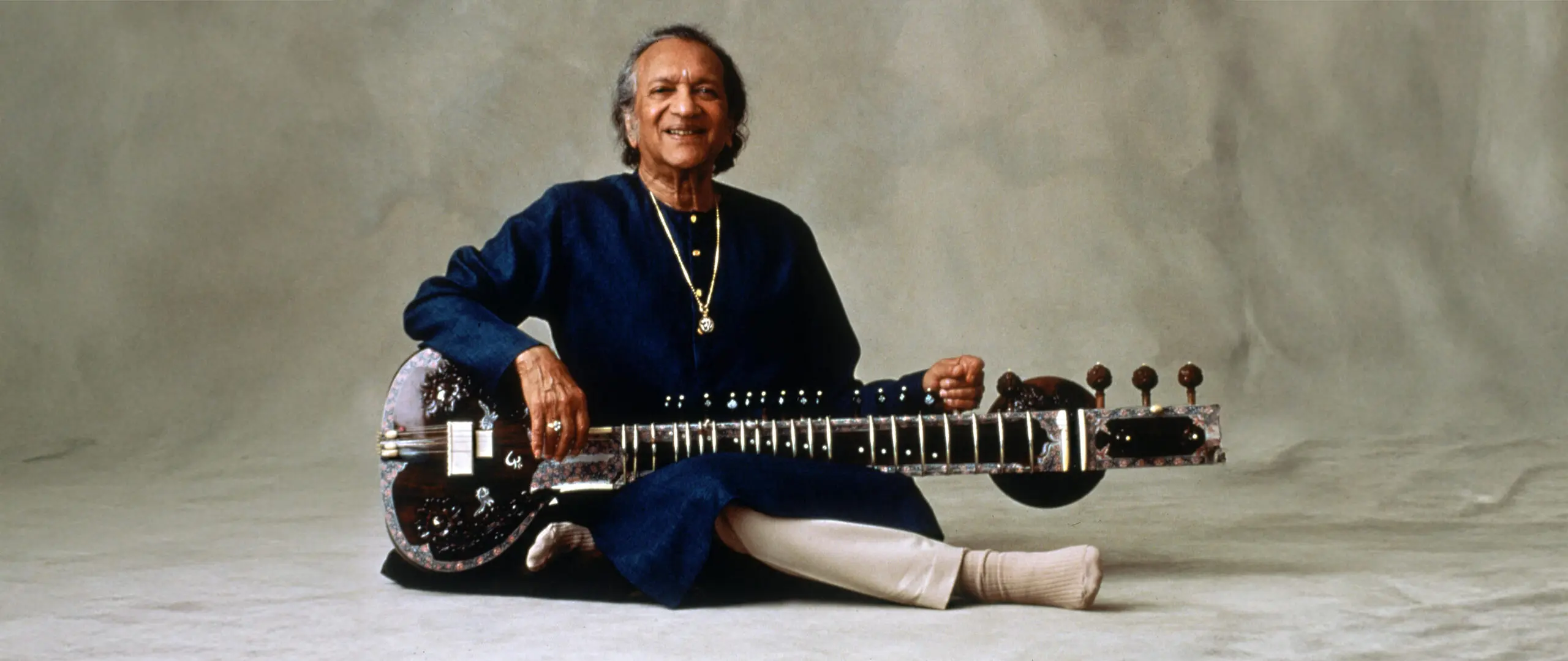
Born on the sacred ghats of Benares (Varanasi), Pandit Ravi Shankar carried the mystique of his ancient city to concert halls across the world. A sitar virtuoso of unparalleled brilliance, he single-handedly introduced Indian classical music to global audiences, captivating legends like George Harrison along the way. A Bharat Ratna laureate and father of Norah Jones and Anoushka Shankar, his strings continue to resonate across generations.
Pt. Kishan Maharaj


Born at midnight on Krishna Janmashtami in the Kabirchaura neighbourhood of Kashi (Varanasi), Pandit Kishan Maharaj seemed destined by the cosmos for greatness; even his name was a gift from that divine hour. A towering figure of the Banaras Gharana, his tabla transcended rhythm into pure poetry. A Padma Shri and Padma Vibhushan laureate, he made history as the first tabla player ever honoured with the Padma Vibhushan.
Naushad Ali

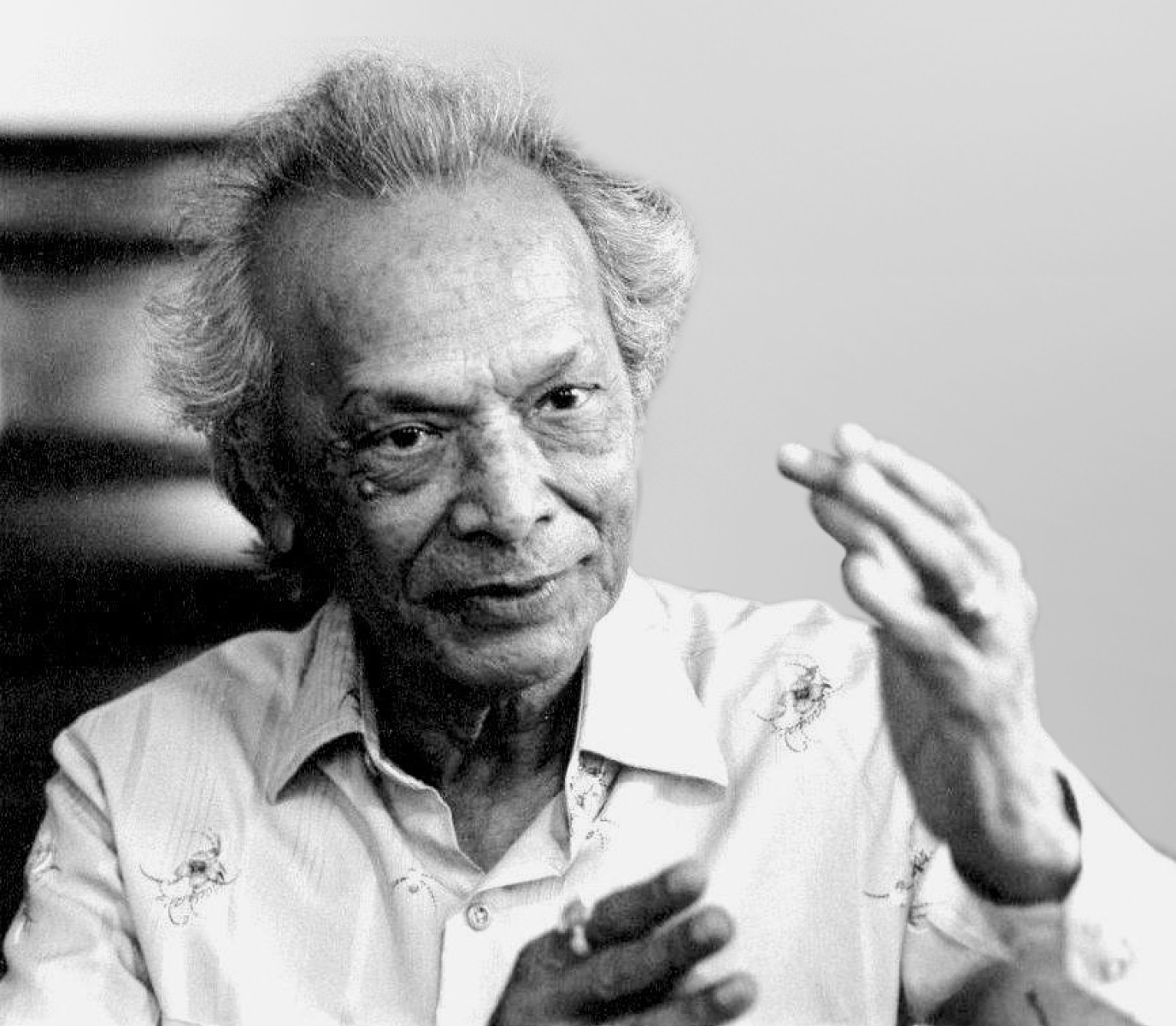
Born in the culturally rich streets of Lucknow, Naushad Ali transformed Hindi cinema’s soundscape by weaving the grandeur of classical music into its very soul. Revered as “Moseeqar-e-Azam” (The Great Musician), his compositions became timeless landmarks of Indian film music. A Dadasaheb Phalke Award and Padma Bhushan laureate, Naushad didn’t just score films; he gave them a heartbeat that still echoes across generations.
Talat Mahmood

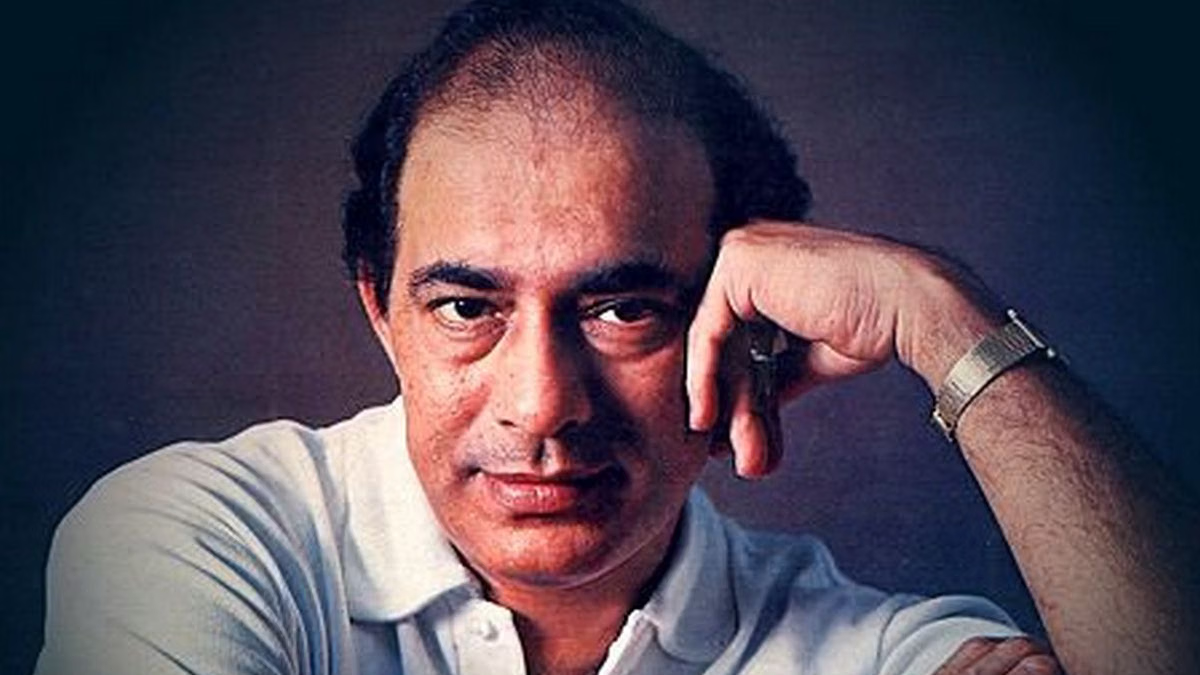
Born in the city of nawabs, Lucknow, Talat Mahmood possessed a voice so velvety and hauntingly tender that it could reduce an entire generation to silence. Hailed as one of India’s greatest playback and ghazal singers, his melancholic softness carved a niche no one has since filled. A Padma Bhushan laureate, Talat’s voice wasn’t merely heard; it was deeply, achingly felt.
Shubha Mudgal

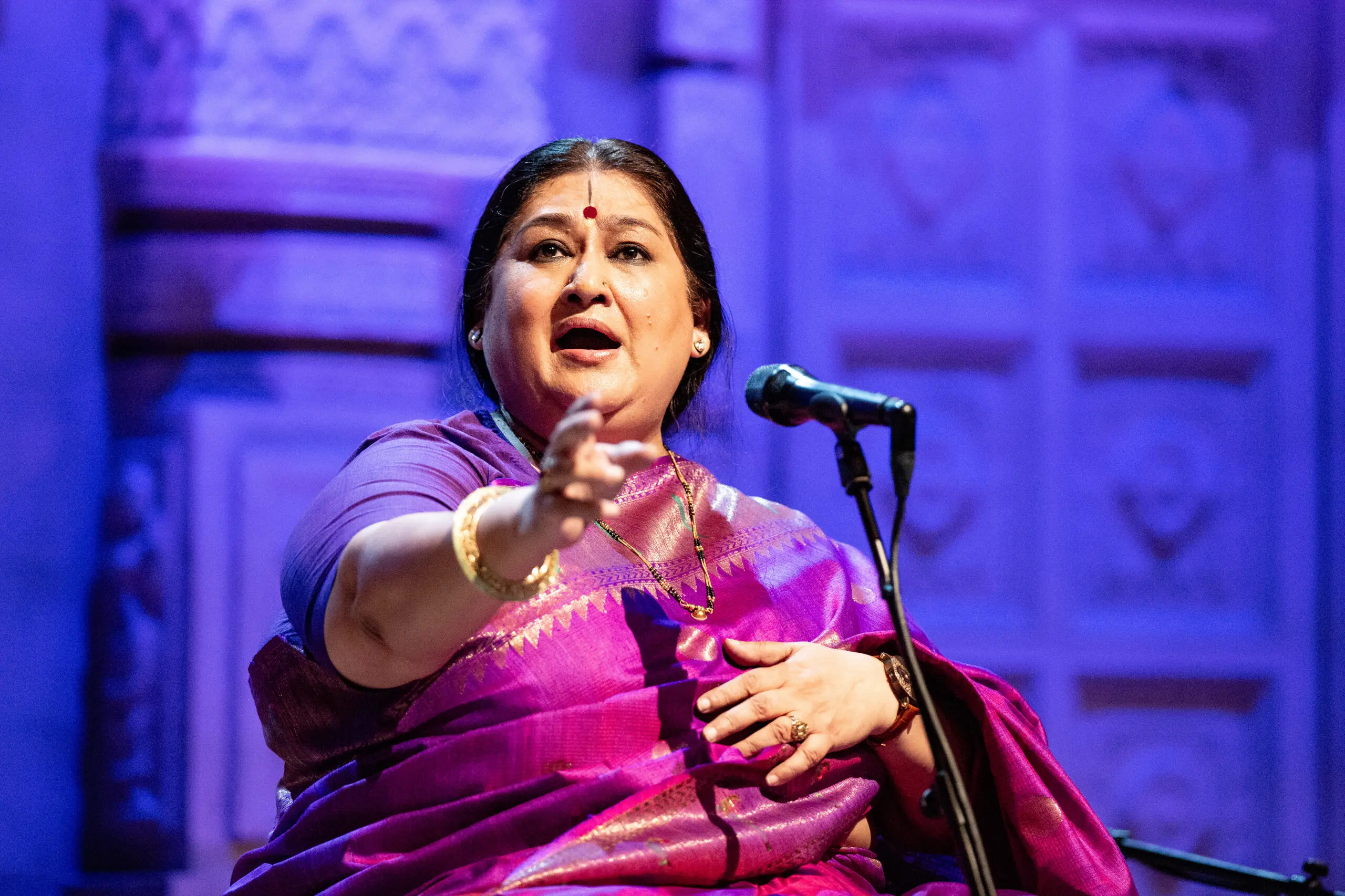
Born in the sacred confluence city of Prayagraj, Shubha Mudgal flows effortlessly between the classical and the contemporary, mastering khayal, thumri, and dadra while boldly venturing into Indian pop. Her voice carries both the rigour of tradition and the freshness of reinvention, making her one of India’s most versatile musical voices. A Padma Shri laureate, she continues redefining what Indian music can sound and feel like.
Malini Awasthi

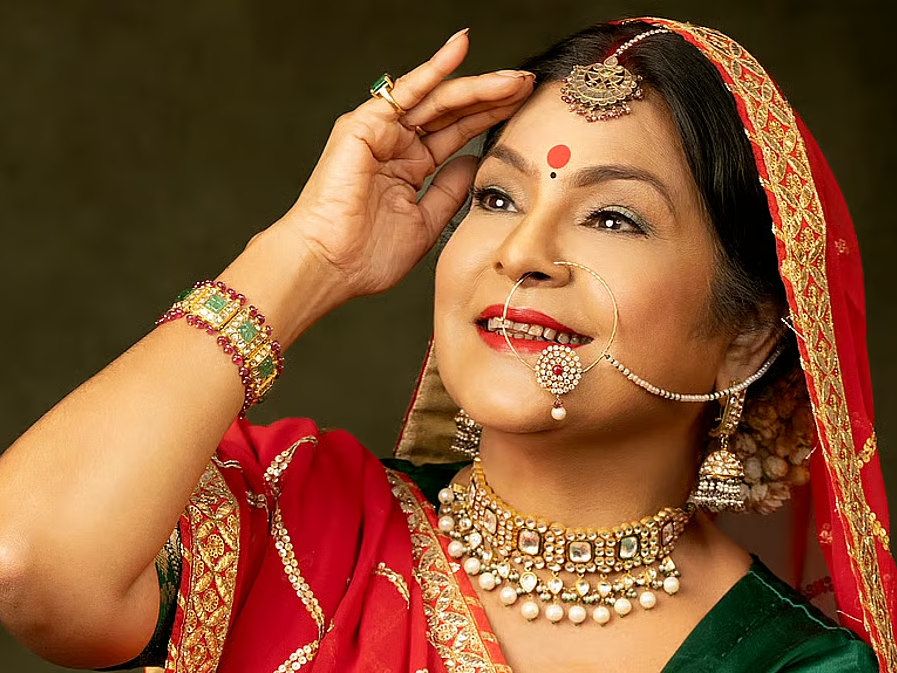
From the fragrant bylanes of Kannauj, the perfume capital of India, came a voice that was destined to intoxicate the world. Malini Awasthi, crowned the “Folk Queen of India,” blends classical rigour with the raw earthy spirit of Awadhi, Bhojpuri, Bundeli, and Braj. A devoted disciple of the legendary Girija Devi and a Padma Shri laureate, she doesn’t just sing folk, she breathes life back into it.
Rasoolan Bai

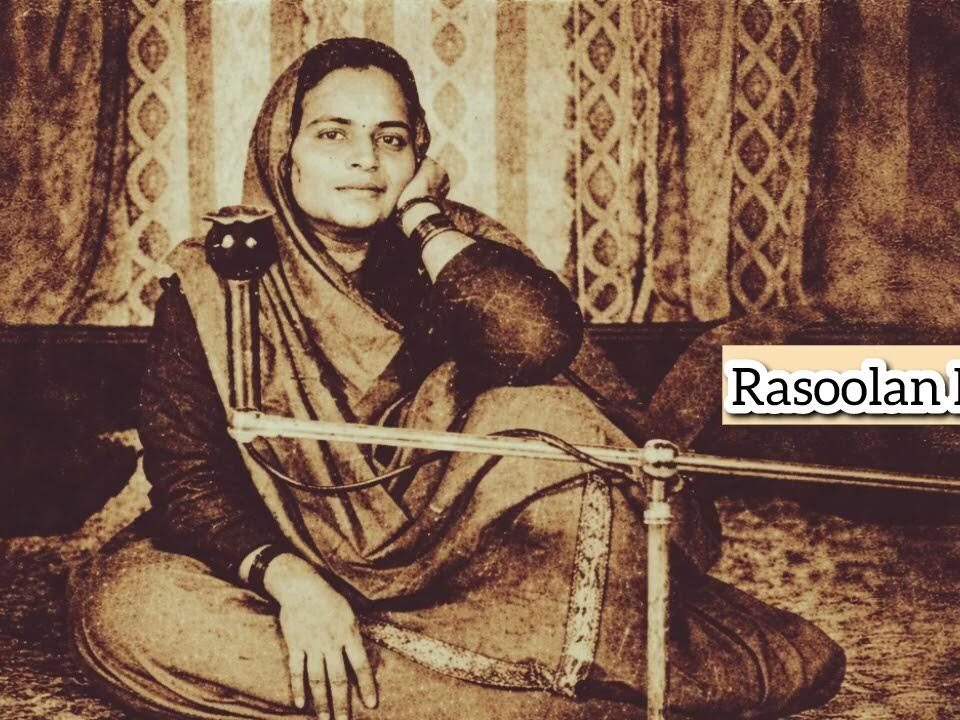
From the bustling Kachhwa Bazaar of Mirzapur, Rasoolan Hussain rose to become one of Hindustani classical music’s most luminous voices. A proud torchbearer of the Benaras Gharana, she transformed Thumri’s romantic Purab Ang into an art form of breathtaking intimacy and depth. Recognised as a prodigy at just five years old, her extraordinary journey from the lanes of Mirzapur to the Sangeet Natak Akademi Award is the stuff of legend.
Kavita Seth

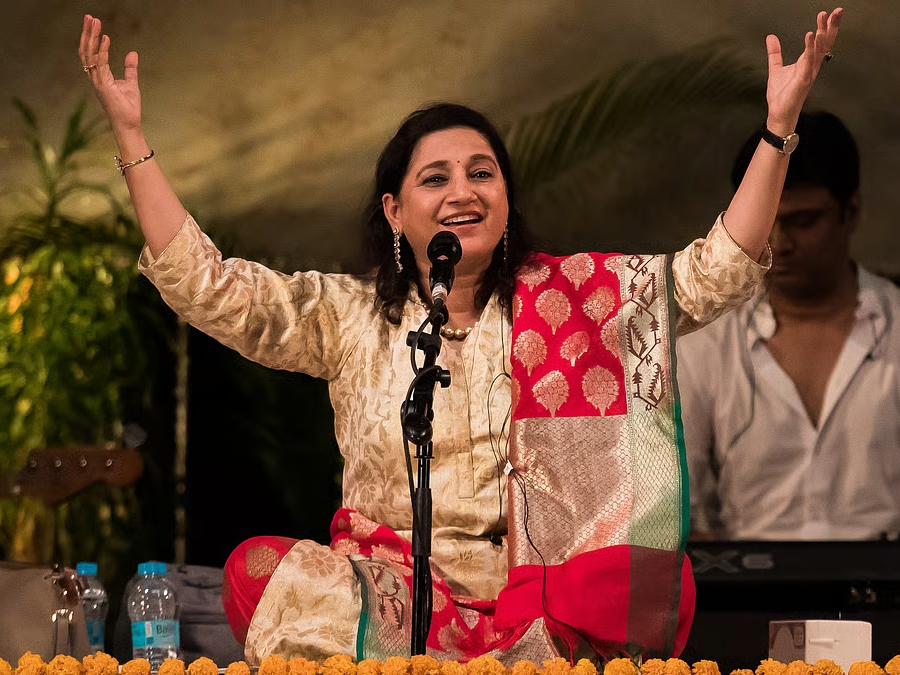
From the quiet, unhurried streets of Bareilly emerged a voice that would one day stop an entire nation in its tracks. Kavita Seth, Sufi singer, ghazal artist, and the ethereal soul behind the generation-defining “Iktara”, turned a middle-class upbringing into a musical odyssey of rare spiritual depth. A two-time Filmfare Award winner, she doesn’t just sing Sufi music; she becomes it.
Ravindra Jain

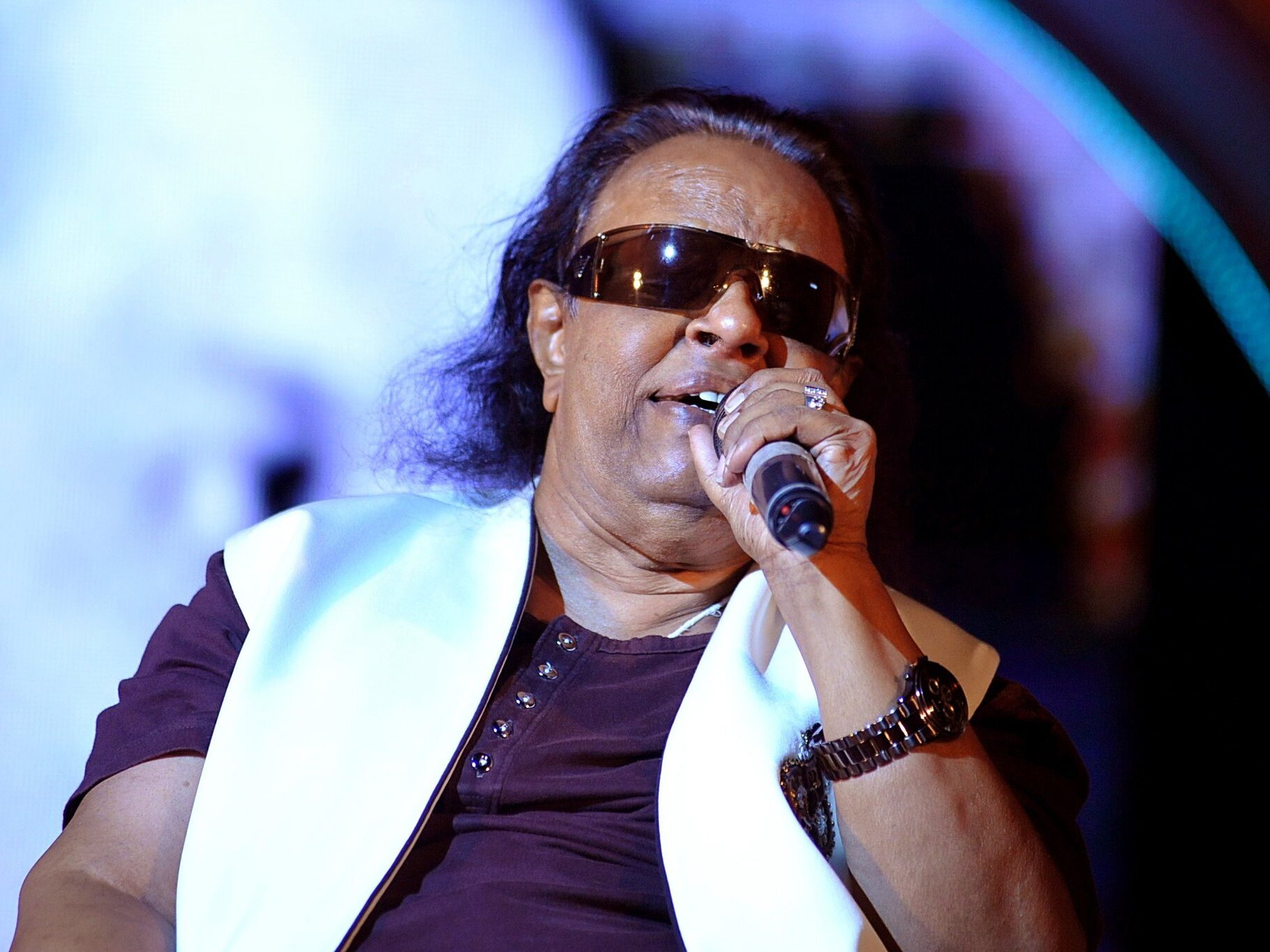
Aligarh gifted India a composer who never once saw a sunrise, yet spent a lifetime painting them in music. Ravindra Jain, born blind, heard the world with a depth few sighted souls ever could, weaving melodies that became the emotional fabric of a generation. From beloved film scores to the immortal Ramayan, this Padma Shri laureate turned his silence into India’s most enduring symphony.
Abhijeet Bhattacharya

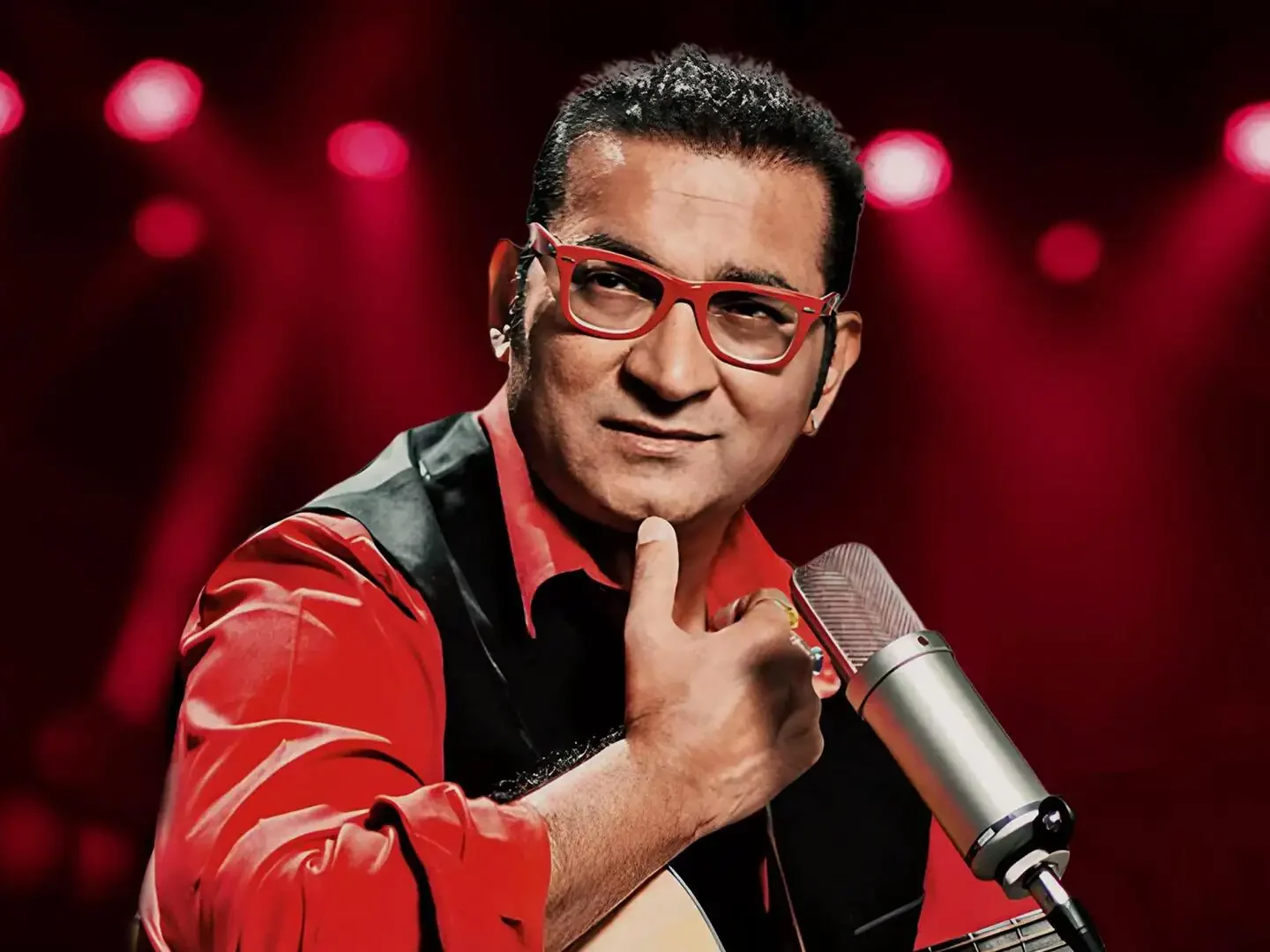
Born in the industrial heartland of Kanpur, Abhijeet Bhattacharya arrived in Mumbai with a voice that could mirror the magic of his idol, Kishore Kumar. Launched by the legendary R.D. Burman, he went on to sing over 6,000 songs across 1,000 films, with iconic tracks earning a coveted spot in the BBC’s Top 40 Bollywood Soundtracks. Kanpur’s gift to Bollywood, he became the voice of an era.
