






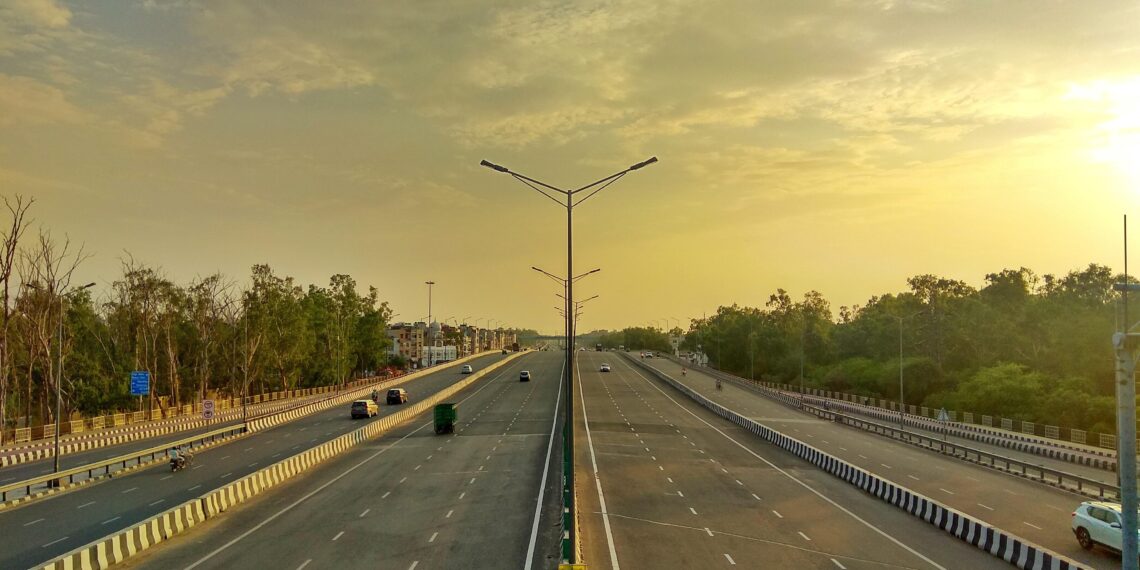
The upcoming Lucknow-Kanpur Expressway, set to be inaugurated on April 28 by PM Modi (awaiting PMO approval), is set to dramatically improve connectivity between the two cities. This 63 km, six-lane, access-controlled expressway promises to reduce the travel time from over 2 hours to just 45 minutes, offering a much smoother and faster alternative to the old National Highway.
The toll charges- New vs Old
Here’s how the new toll rates stack up:
Car: ₹275 (one-way) / ₹415 (return)
LCV (Light Commercial Vehicle): ₹445 (one-way) / ₹670 (return)
Truck: ₹935 (one-way) / ₹1405 (return)
Annual FasTag Pass: ₹3,075, covering up to 100 round trips or 200 toll crossings.
In comparison, the old toll rates on the National Highway were much lower: ₹95 for a one-way car journey and ₹150 for a return trip. That means the new expressway tolls are about 3 times higher. For example, a car that used to cost ₹95 for a one-way trip now costs ₹275. While the price hike might raise eyebrows, the expressway offers major advantages like faster travel times, better road conditions, and reduced fuel consumption, which many see as worth the extra cost. For regular commuters, the Annual FasTag Pass offers a more affordable option, saving money for frequent users.
While the higher toll rates have raised concerns, the significant time savings, improved road conditions, and the ability to travel at speeds of up to 120 km/h make the expressway an attractive option for many, especially for those who endure daily commutes. Though the cost is higher, the expressway is expected to be a major relief for travellers, offering faster and more efficient travel between Lucknow and Kanpur.
