






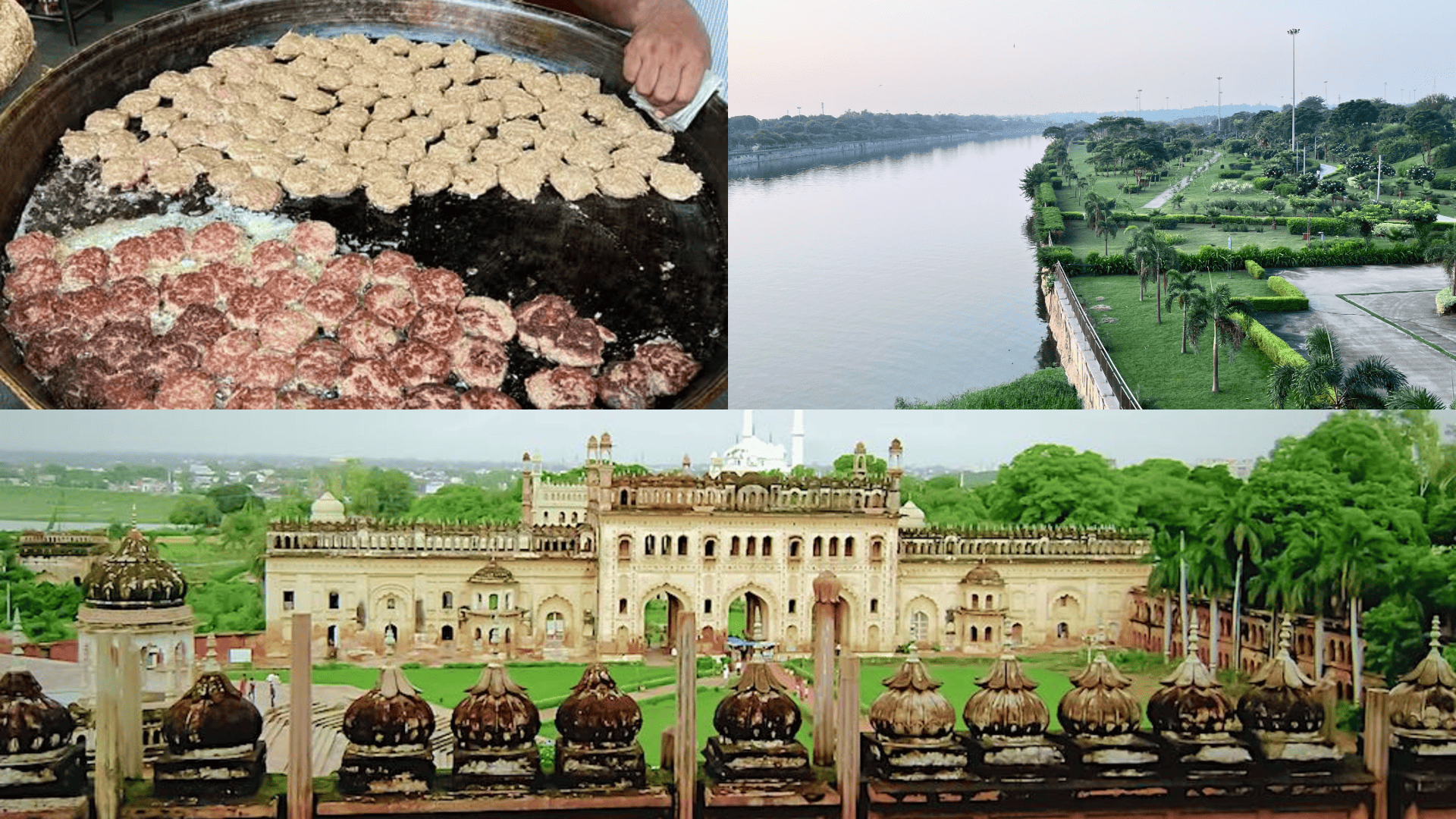
Nobody warns you that leaving Lucknow comes with a delay function, you don’t miss it immediately, you miss it retroactively, triggered by things that have nothing to do with the city itself. A curt reply from a stranger somewhere else suddenly feels like data. A landlord who’s purely transactional feels like a red flag instead of just normal. It’s less an ache and more a series of small, confusing double-takes, each one eventually tracing back to the same source. Lucknow never asked to be missed this specifically. It just built a baseline nobody realised was unusually high until they left it.
Food of course – Kebabs, Biryani, Chaat, Lassi, Kulfi, Chhole Bhature etc.

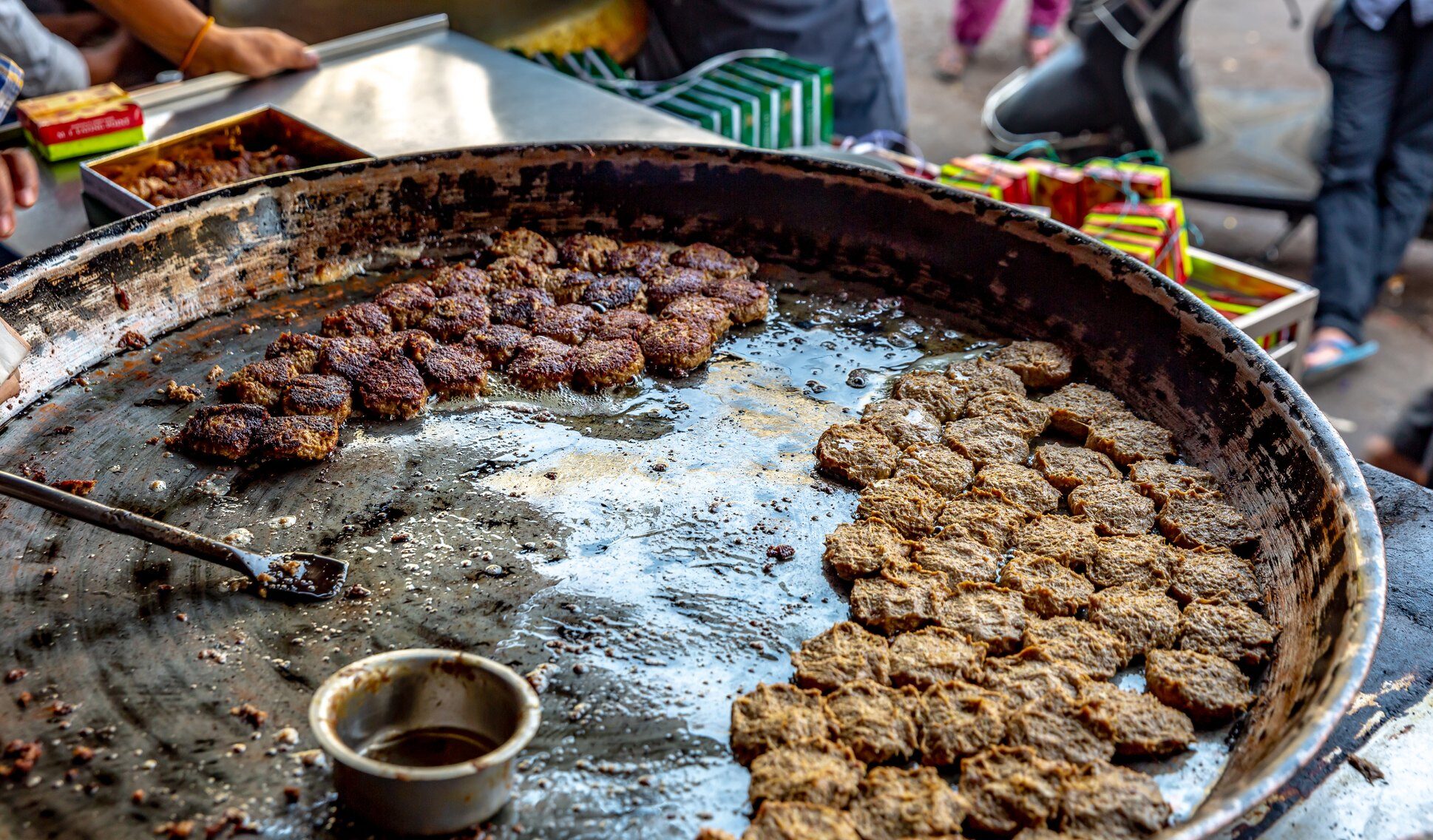
There’s a very specific kind of grief that hits ex-Lucknowites around dinnertime, no dramatic music, just a sudden, aching memory of Tunday Kababi’s galawati or a plate of Chhole Bhature. Ask them what they miss most, and it’s never the monuments. It’s the food that ruined their palate for everywhere else, Idrees biryani that spoiled every other biryani, Shree’s lassi thick enough to stand a spoon in, Prakash kulfi that makes every fancy dessert menu look a little sad. Lucknow didn’t just feed people, it apparently rewired their taste buds and left them mildly emotionally damaged in every other city.
City’s tehzeeb – Language becomes harsher in other cities

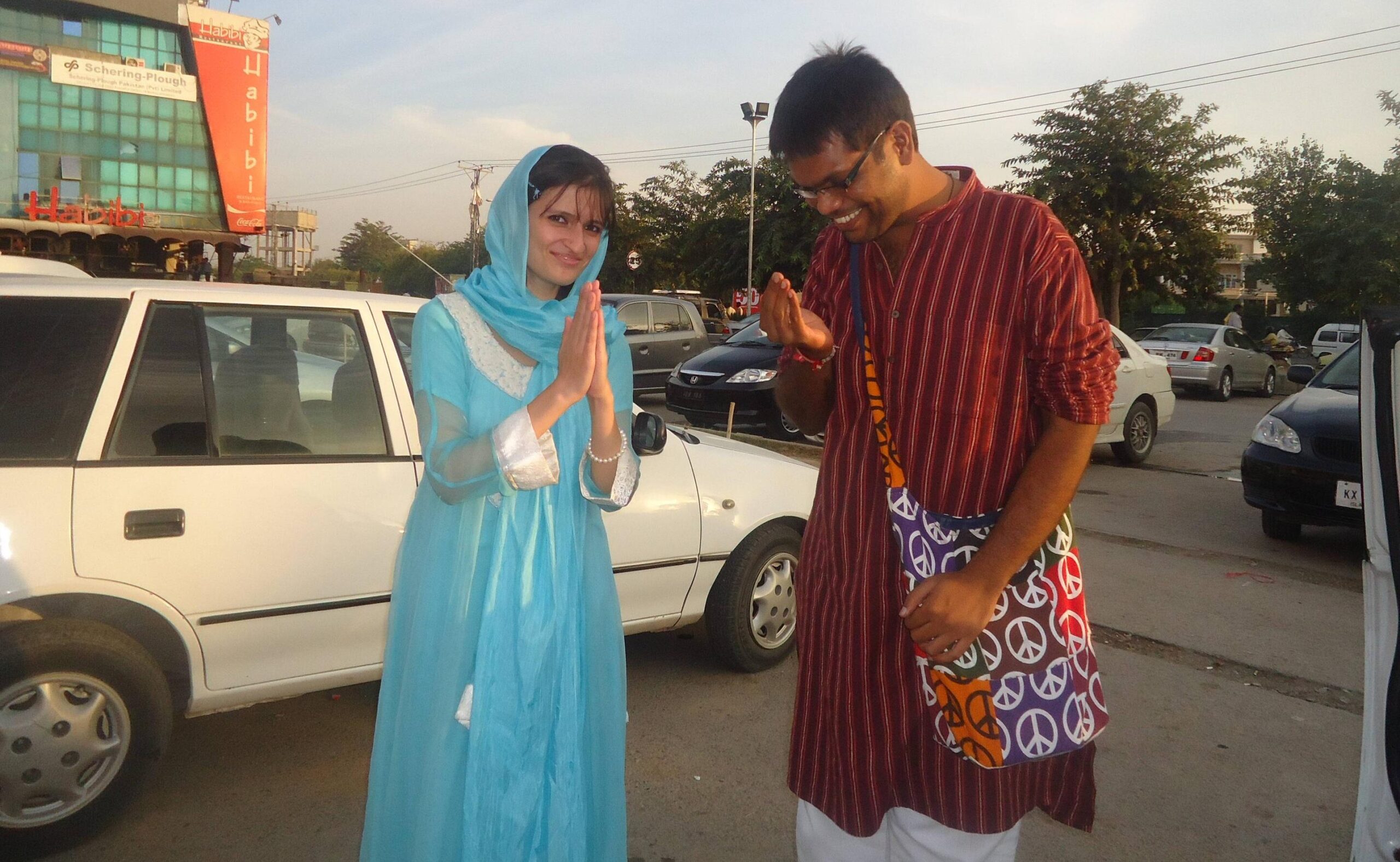
Nobody warns you that leaving Lucknow comes with a language downgrade. You arrive in Mumbai polite to a fault, saying “bhaiya sunieye” to auto drivers who just want you to get in, and within six months you’re barking addresses like everyone else. Ex-residents don’t wax nostalgic about monuments, they mourn the “aadab” that’s become a “hi,” the “tashreef” that’s become nothing at all. Delhi and Mumbai run on speed; Lucknow ran on syllables nobody had the time for anymore. Funny how you only notice a city taught you manners once you’re somewhere that actively unteaches them.
Tafri kaatna with friends at favourite adda/chai tapri

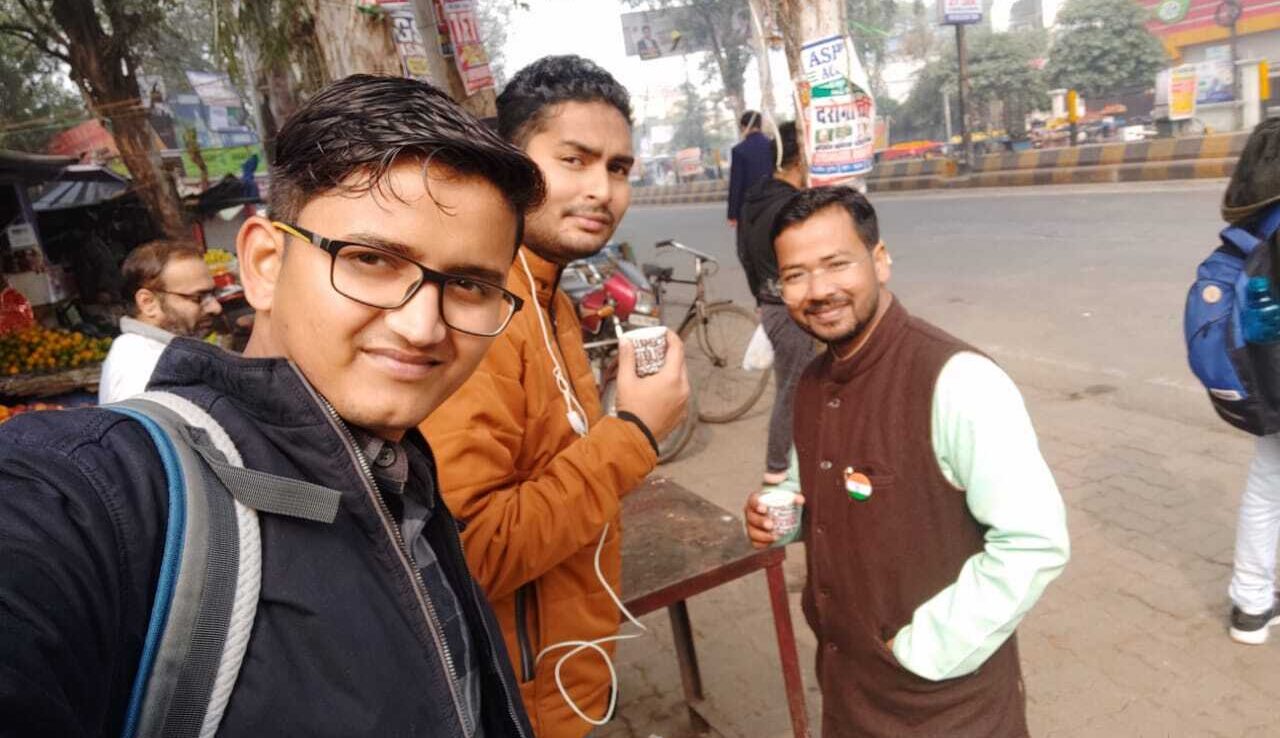
Nobody misses “hanging out”, they miss tafri, specifically, the kind with no purpose and no end time, held hostage at a chai tapri because someone said “bas do minute” three hours ago. Sharma Chai, Nitin’s, that one patch near JMP that never had actual seating, none of it sounds special until you’re in a city where meeting friends requires a Google Calendar link. Lucknow ran on unplanned evenings and small glasses of chai nobody was in a rush to finish. Everywhere else, time is scheduled. There, it just quietly disappeared.
Nostalgic memories of mohallas

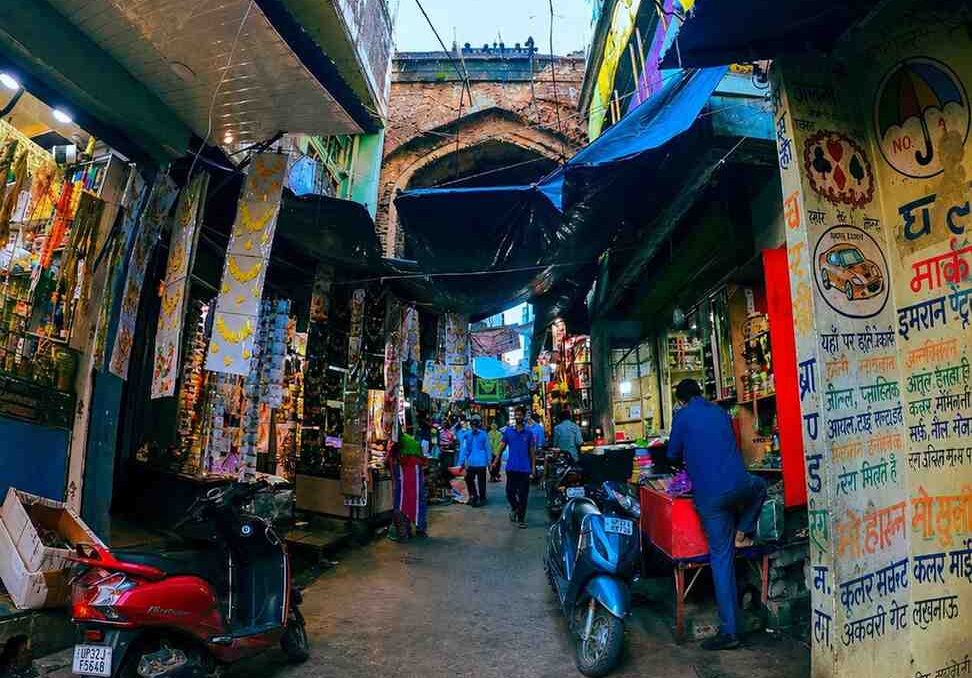
Nobody tells you that leaving your mohalla is the closest thing to witness protection, new city, new address, and suddenly nobody knows your business, which sounds like peace until you realise it’s actually just loneliness with better plumbing. People who grew up in Lucknow’s old mohallas don’t reminisce about the architecture, they reminisce about being known, by the doodhwala, the neighbour’s dog, three generations of one family next door. Other cities offer privacy, Lucknow offered the opposite, generously, whether you wanted it or not. Turns out most people didn’t.
Visiting most adored places – Chidiyaghar, Kukrail, Janeshwar, Imambara etc.

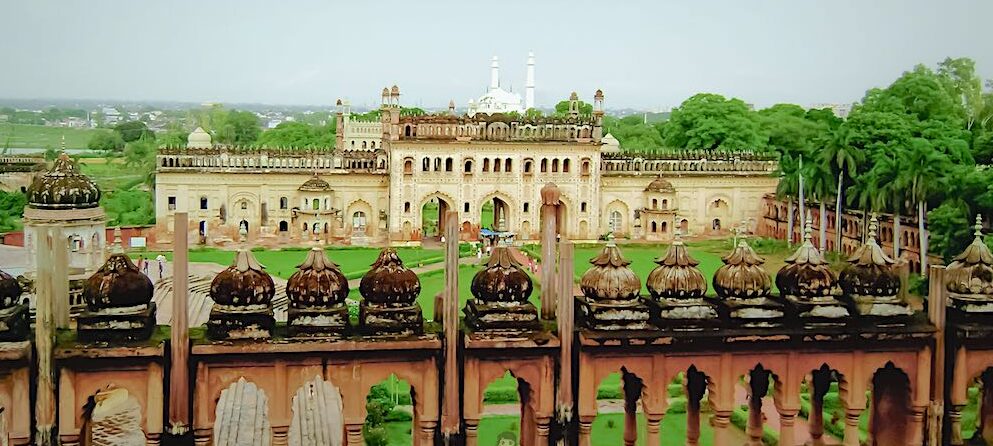
Every Lakhnawi ignored Chidiyaghar for a solid decade, too basic, too full of school trips, right up until they moved away and it became the first thing they’d revisit given the chance. That’s the twist with Lucknow’s landmarks, nobody loved them properly while they were free to. Kukrail’s crocodiles, Janeshwar’s evening walkers, Imambara’s tourist crowds you used to roll your eyes at, all of it gets promoted to “core memory” the moment it’s three flights away. Distance has a way of turning “meh, seen it” into “I’d give anything.” Lucknow’s landmarks just needed some absence to be appreciated.
The slow pace of life and sukoon

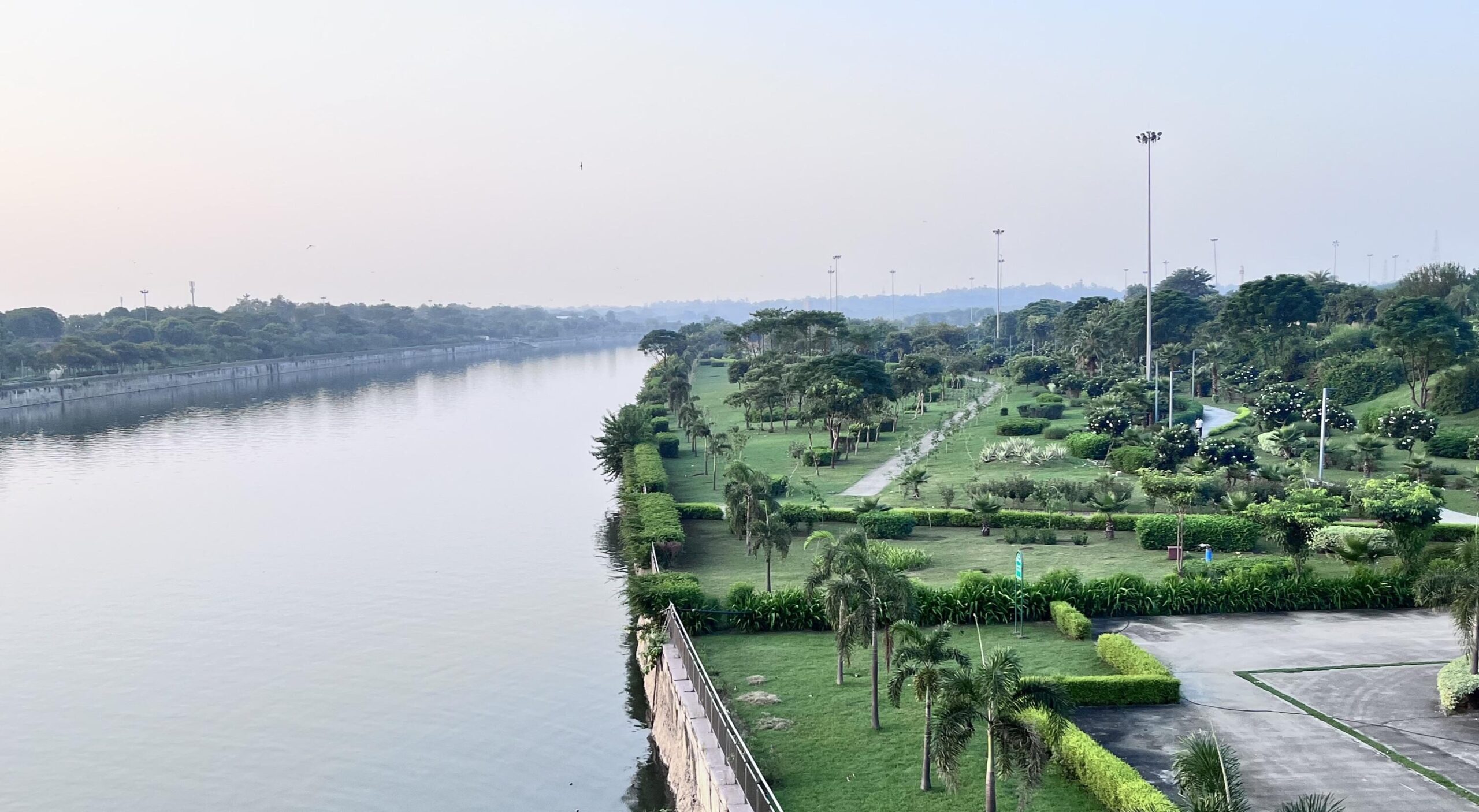
You don’t know your hometown ran on sukoon until you land somewhere that runs on deadlines instead. Lucknow’s pace wasn’t laziness, though outsiders loved calling it that, it was a whole city collectively agreeing that nothing was worth rushing, not chai, not conversations, not even traffic. People who’ve left don’t reminisce about landmarks, they reminisce about afternoons with absolutely nothing urgent in them. Other cities measure productivity in hours. Lucknow measured contentment in minutes nobody was counting. Turns out slow was never a bug, it was the entire point.
Winters

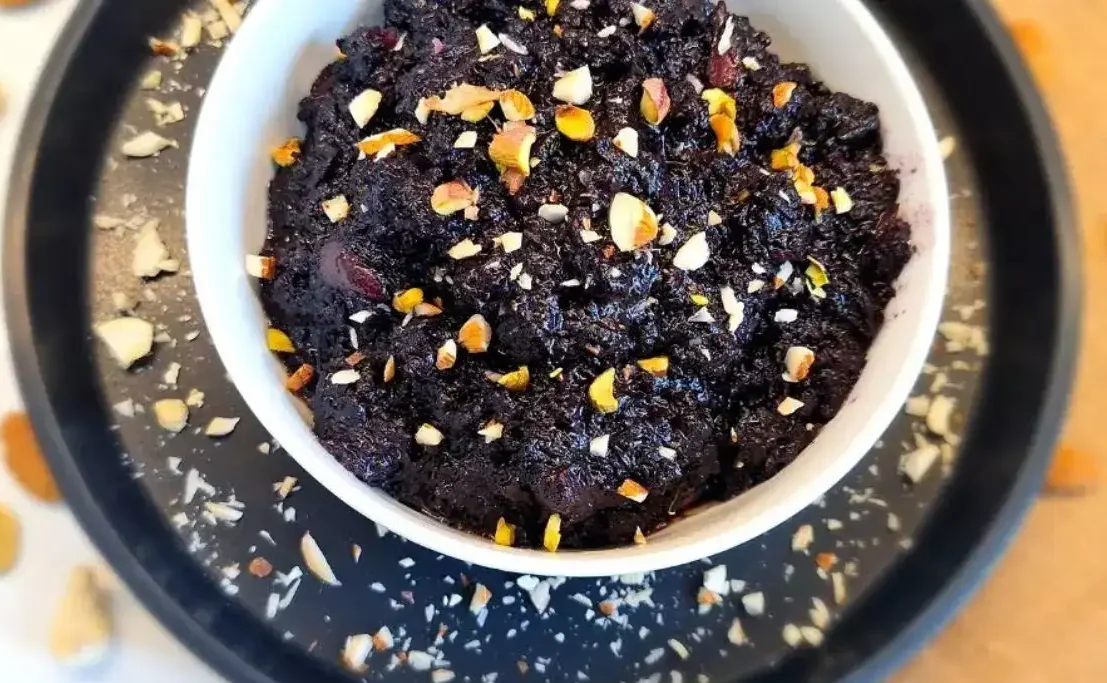
In Delhi, winter is something that happens to you. In Lucknow, it was something you attended, makhan malai vendors showing up like seasonal royalty, melas every other weekend, a whole unofficial rotation of nimona, tehri, kali gajar ka halwa nobody scheduled but everyone somehow knew about. Jouzi ka halwa alone made the fog worth sitting through. Ask anyone who’s left, and they won’t describe missing “the cold”; they’ll describe missing the calendar that came with it, the sense that winter had a lineup, and you had RSVP’d without ever meaning to.
Affordable living (Rent and Transport fares)

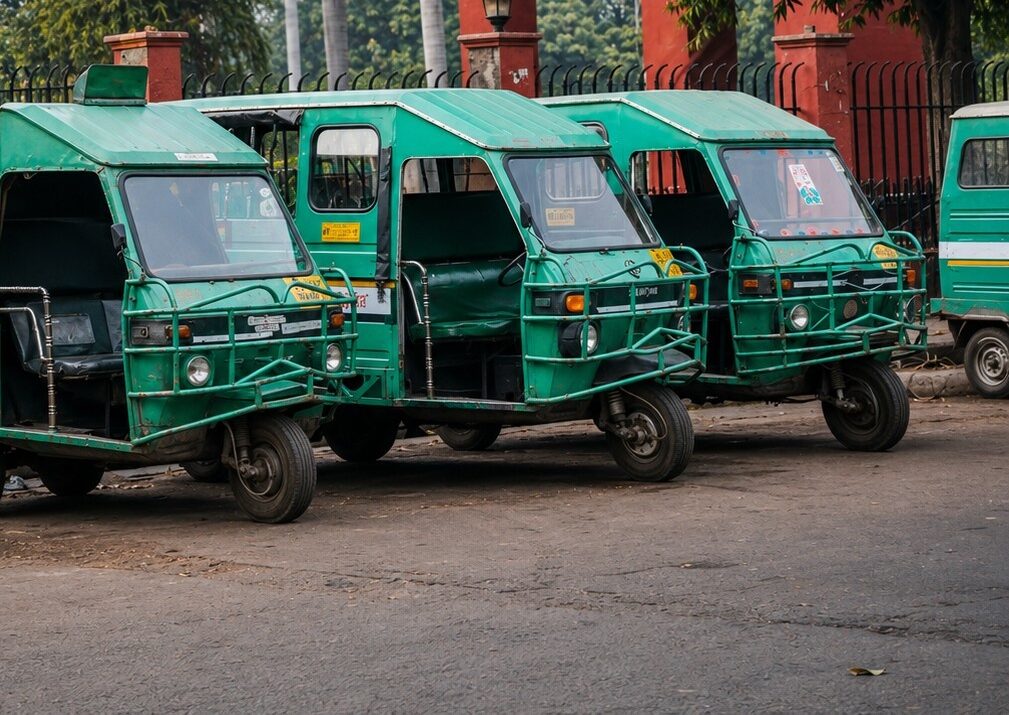
Everyone budgets differently in a new city, but Lucknowites do it with a very specific kind of resentment, because back home, none of this required a spreadsheet. Rent didn’t eat half a salary, autos didn’t need fare negotiations, and a decent life didn’t come with a decent-sized loan. Move away and suddenly “affordable” becomes a search filter instead of a given. People don’t miss Lucknow’s low prices so much as they miss never having to think about prices at all. Turns out cheap wasn’t cheap, it was just normal.
Festivals

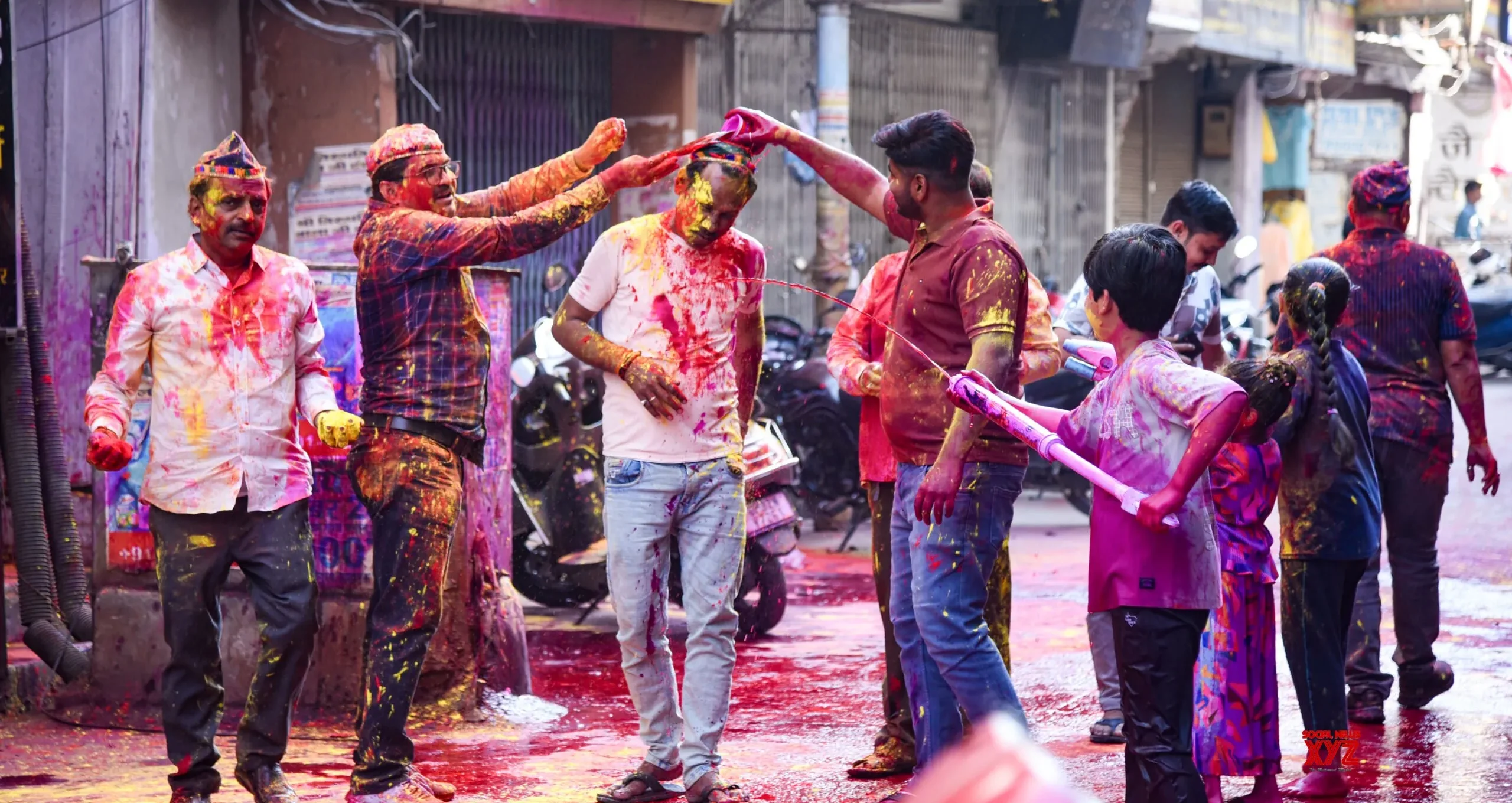
Nobody tells you festivals get smaller when you move, same rituals, fewer people, way less noise. In Lucknow, Diwali wasn’t a household event, it was a neighbourhood-wide flex, every gali trying to out-diya the next one. Eid meant sevaiyan arriving from houses you’d never even entered. Holi meant colour you’d still be finding in your ears three days later. People who’ve left don’t miss the festivals themselves, they miss the volume, the sheer number of people who showed up uninvited and stayed anyway. Somewhere else, festivals politely end on time, in Lucknow, they never really did.
