






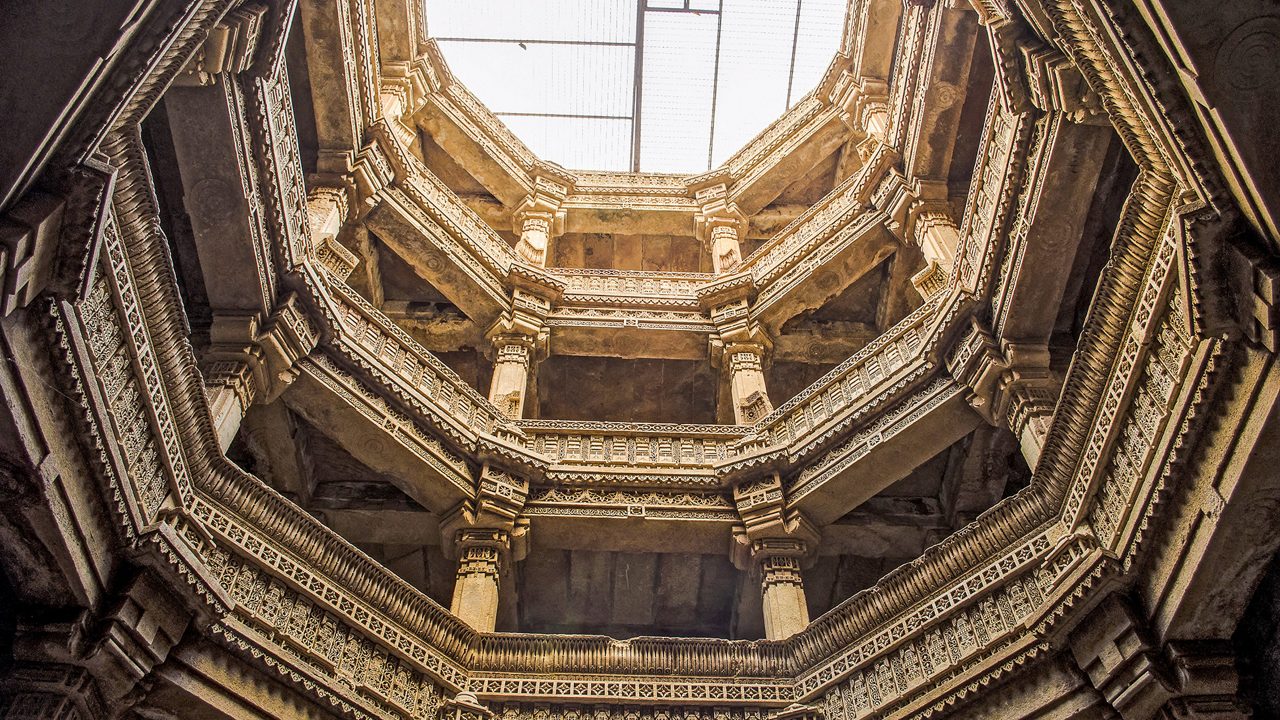
A stillness surrounds the Sabarmati, especially in the early hours, as if it’s waiting to tell stories of the past. Look a little closer, and the city begins to unfold, in old pol lanes, in the quiet presence of an uncle sitting with his chai, in layers of architecture, and in histories passed down through generations. This piece explores that side, bringing together 7 lesser-known facts about Ahmedabad that you might not know.
India’s First Heritage City

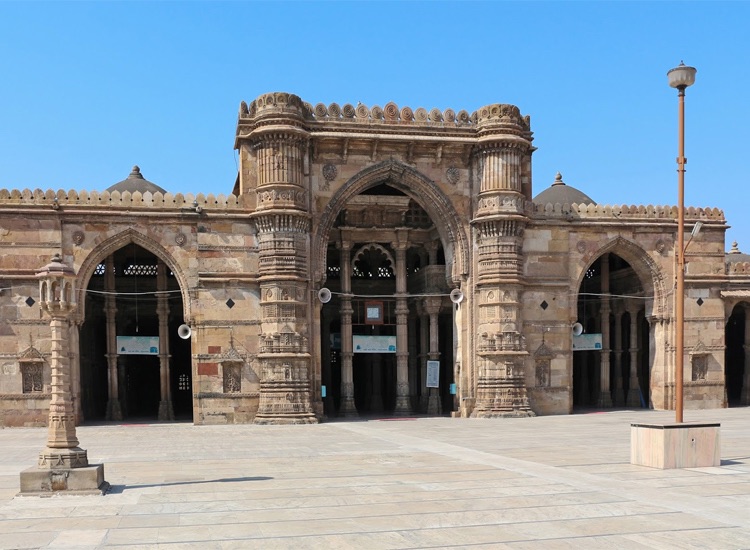
In 2017, Ahmedabad became the first city in India to be inscribed on the UNESCO World Heritage list. This honour was bestowed upon the entire 600-year-old walled city, which gained recognised status for its Indo-Islamic architecture and community-based urban planning.
The Inspiration for the SBI Logo


One of the most famous logos in the world, the State Bank of India (SBI) emblem, was inspired by Ahmedabad’s Kankaria Lake. If you look at the lake from an aerial view, its circular shape with a narrow opening (an island walkway) matches the keyhole design of the logo. It symbolises how the bank protects the wealth of its citizens.
World’s First Vegetarian Pizza Hut


Ahmedabad made history in May 2002 by opening the world’s first all-vegetarian Pizza Hut. This was done to respect the city’s strong Jain and Hindu traditions. These specialised branches were designed specifically for local tastes, ensuring every pizza and product on the menu was 100% vegetarian.
The city is split culturally by a river

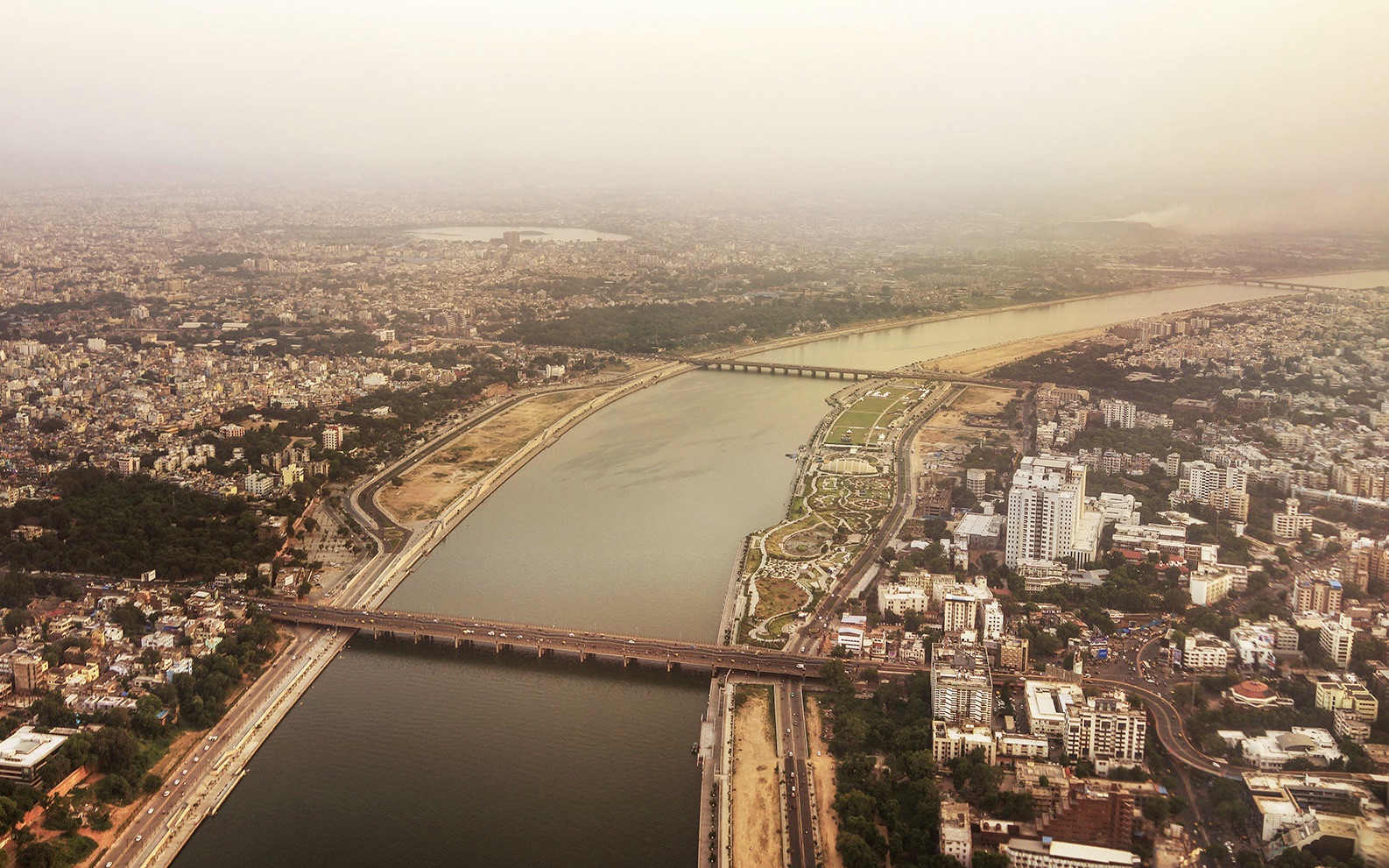
The Sabarmati River creates a distinct cultural and spatial divide within the city. The eastern side retains its historic character with dense settlements, while the western side has evolved into a modern, planned urban landscape with institutions, wider roads and contemporary infrastructure.
It was once India’s largest inland industrial hub

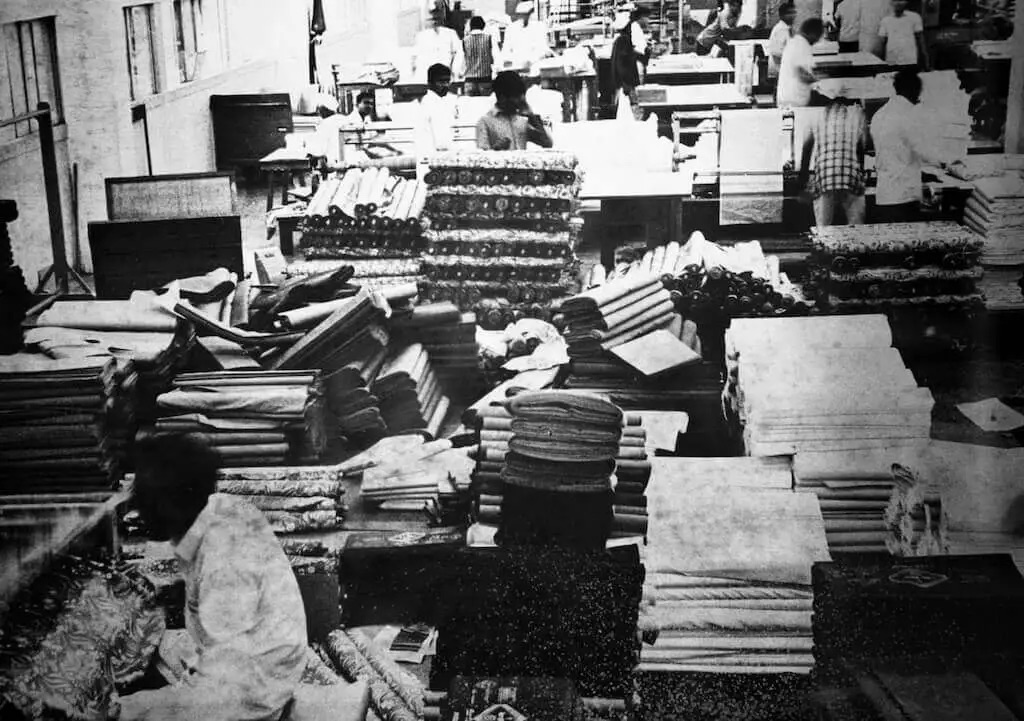
Ahmedabad was once among India’s most prominent inland industrial centres. Its textile mills drove economic growth and earned it the title “Manchester of India.” The city also became a focal point for early labour organisation and discourse around workers’ rights, shaping industrial relations in the country.
“Pols” function like micro-cities within the city

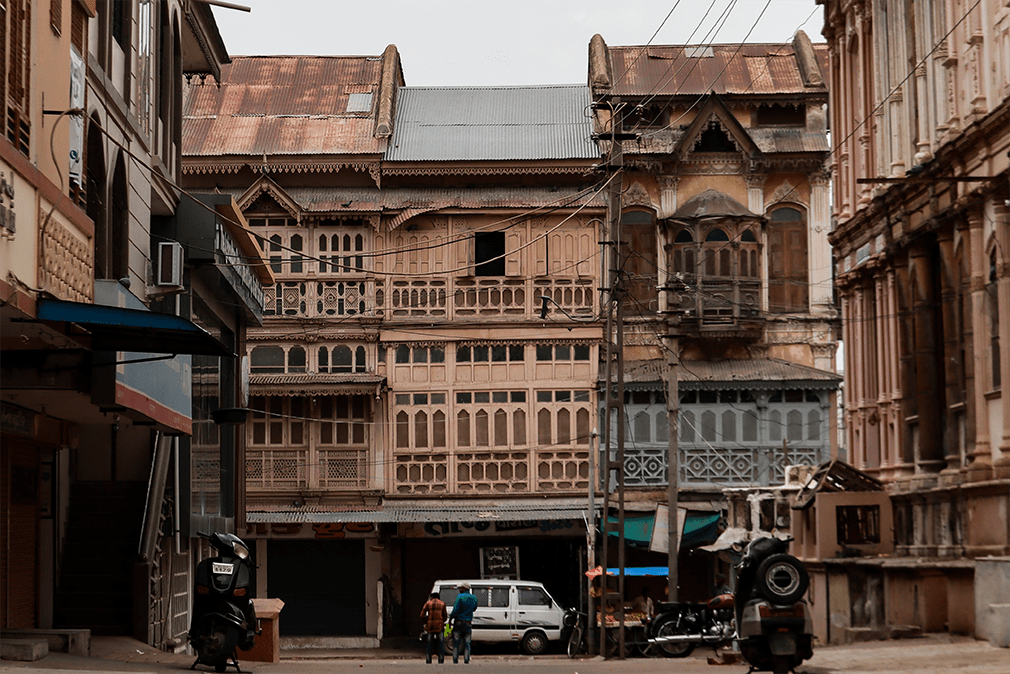
Designed with gated entrances, shared courtyards and narrow lanes, Pols function as self-sustaining micro-neighbourhoods. Their layout addresses climate, security and social cohesion, offering an early model of community-led urban planning.
A syncretic architectural language

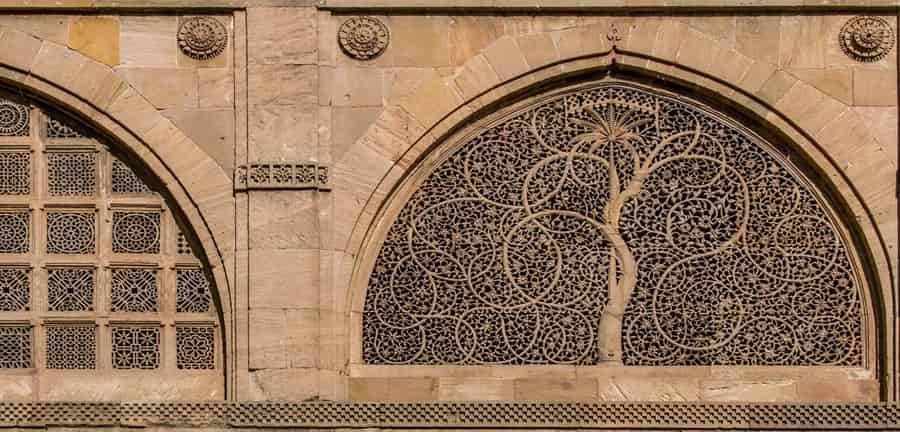
Ahmedabad’s built environment reflects a confluence of cultures. Early Islamic structures incorporate elements from Hindu and Jain temples. The Sidi Saiyyed Mosque exemplifies this through its stone latticework, especially the famed “Tree of Life” carving executed from a single slab.
