






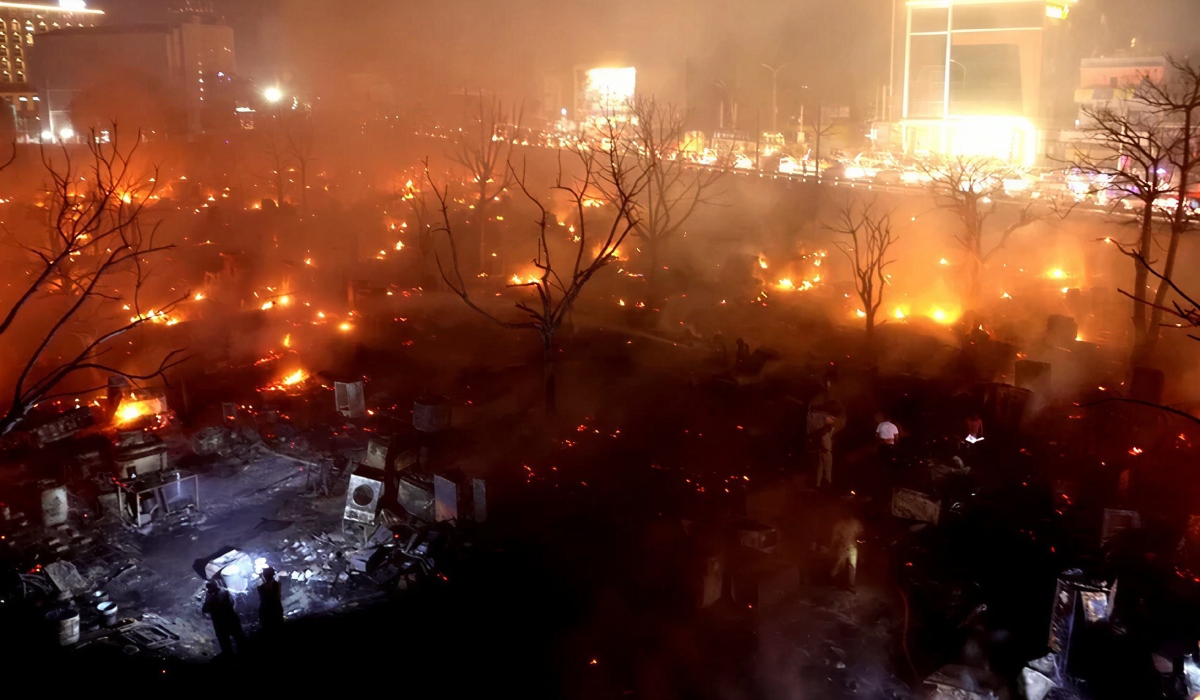
Barely hours have passed since a devastating fire tore through the Vikas Nagar slum in Lucknow, engulfing over 280 shanties and leaving more than 1,000 people displaced. With casualties reported and several victims suffering severe burn injuries, families from already marginalised, working-class backgrounds have lost a lifetime’s savings, their belongings, and their homes to what stands as one of the most severe fire incidents in the city.
While the exact cause of the blaze remains under investigation, one stark question confronts the city: are all slums equally vulnerable to such fire hazards?
To examine this further, we looked into another major slum cluster in Lucknow, located in Vibhuti Khand, just beneath Shaheed Path.

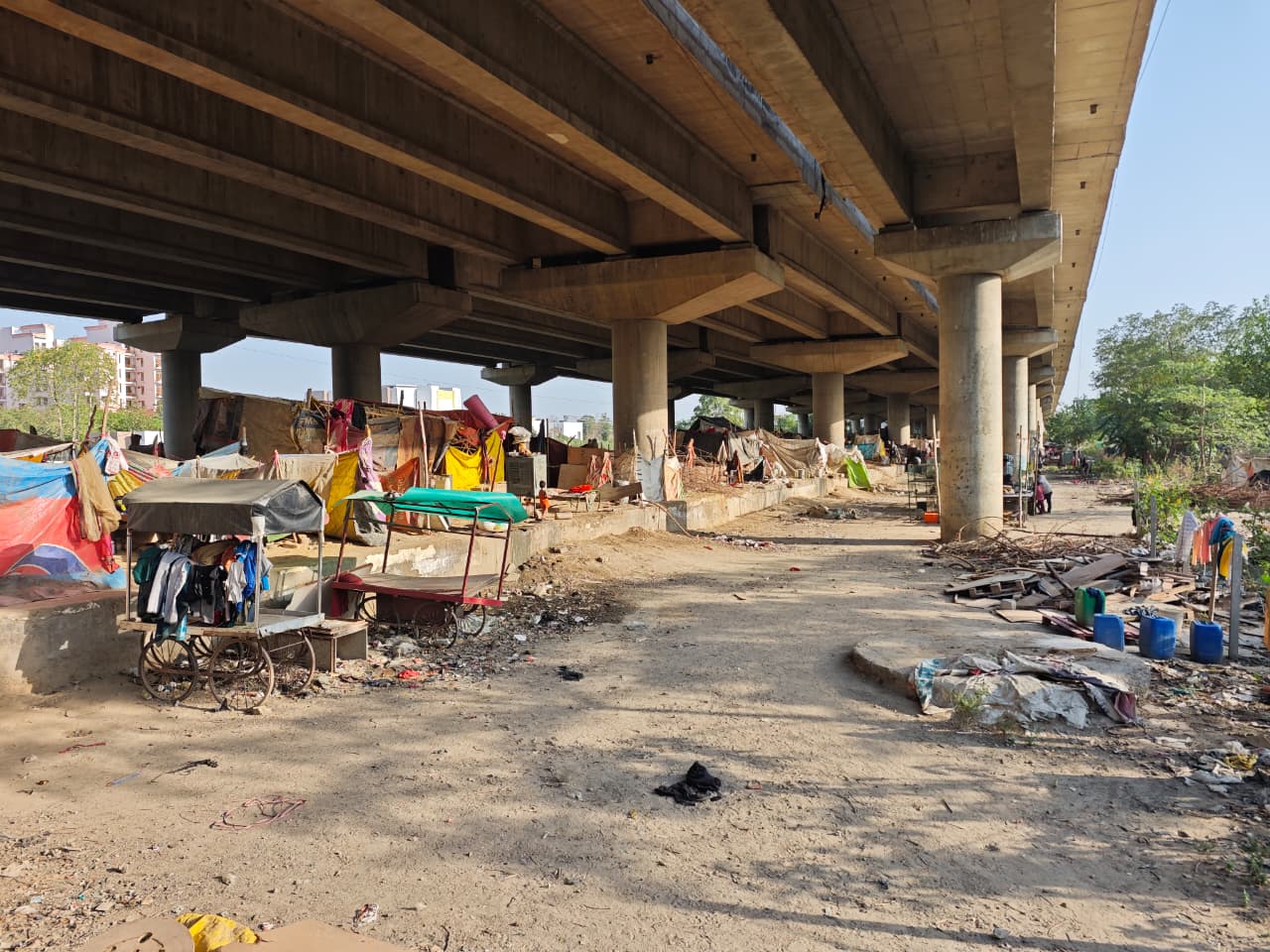
In Lucknow, most slums are made up of fragile, temporary shanties; bamboo frames held together with plastic sheets, tin covers, or sometimes nothing more than a stretch of flex overhead. For the people living here, stronger materials aren’t an option; poverty leaves little room for safer choices. But what cannot be ignored is just how dangerously flammable these structures are.
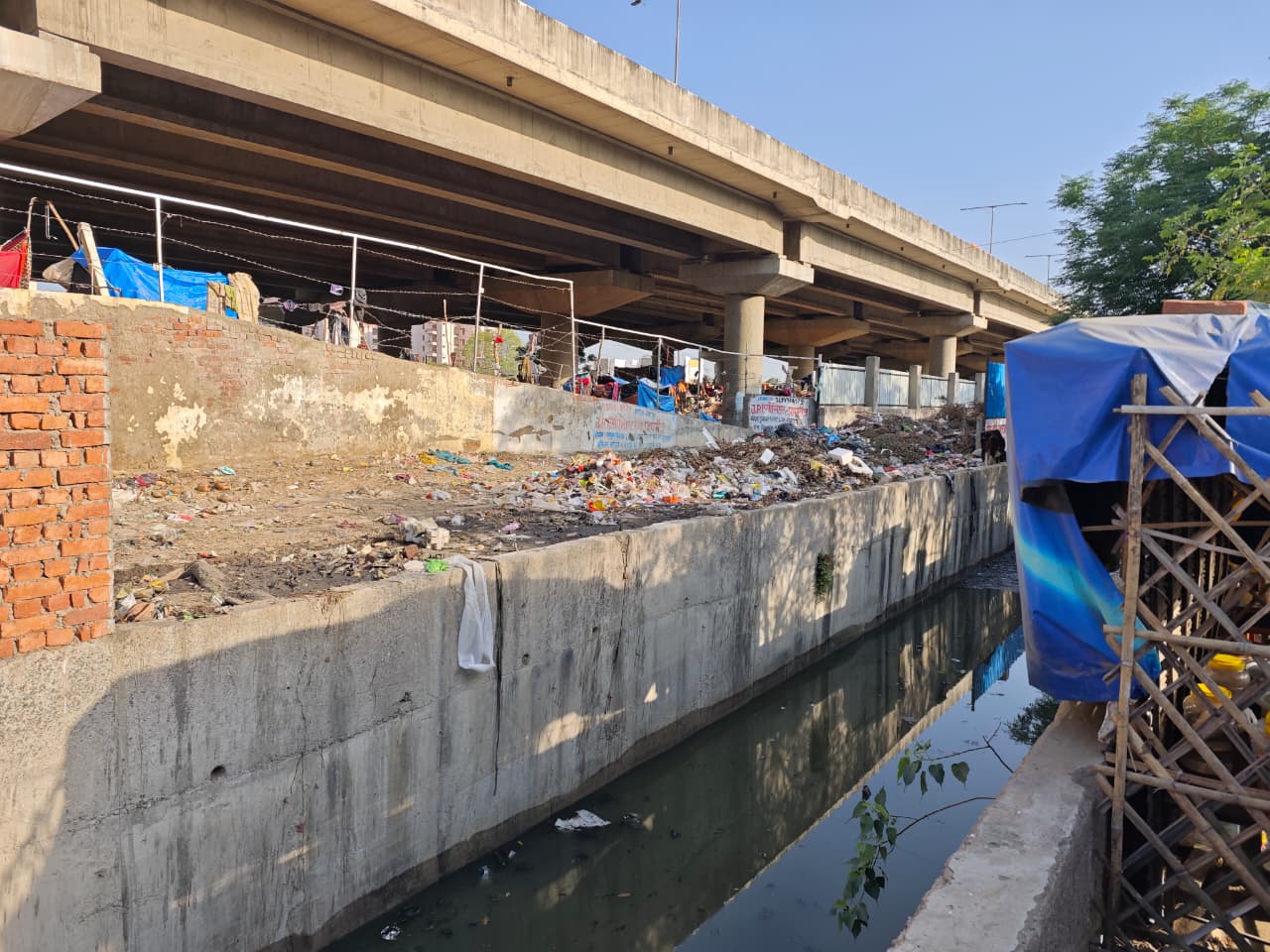
What stood out even more in the Vibhuti Khand slum was the sheer amount of firewood stacked within the settlement, used daily for cooking. Piles of dry wood, coupled with heaps of garbage dumped right next to these homes, create conditions that are nothing short of a disaster waiting to happen.
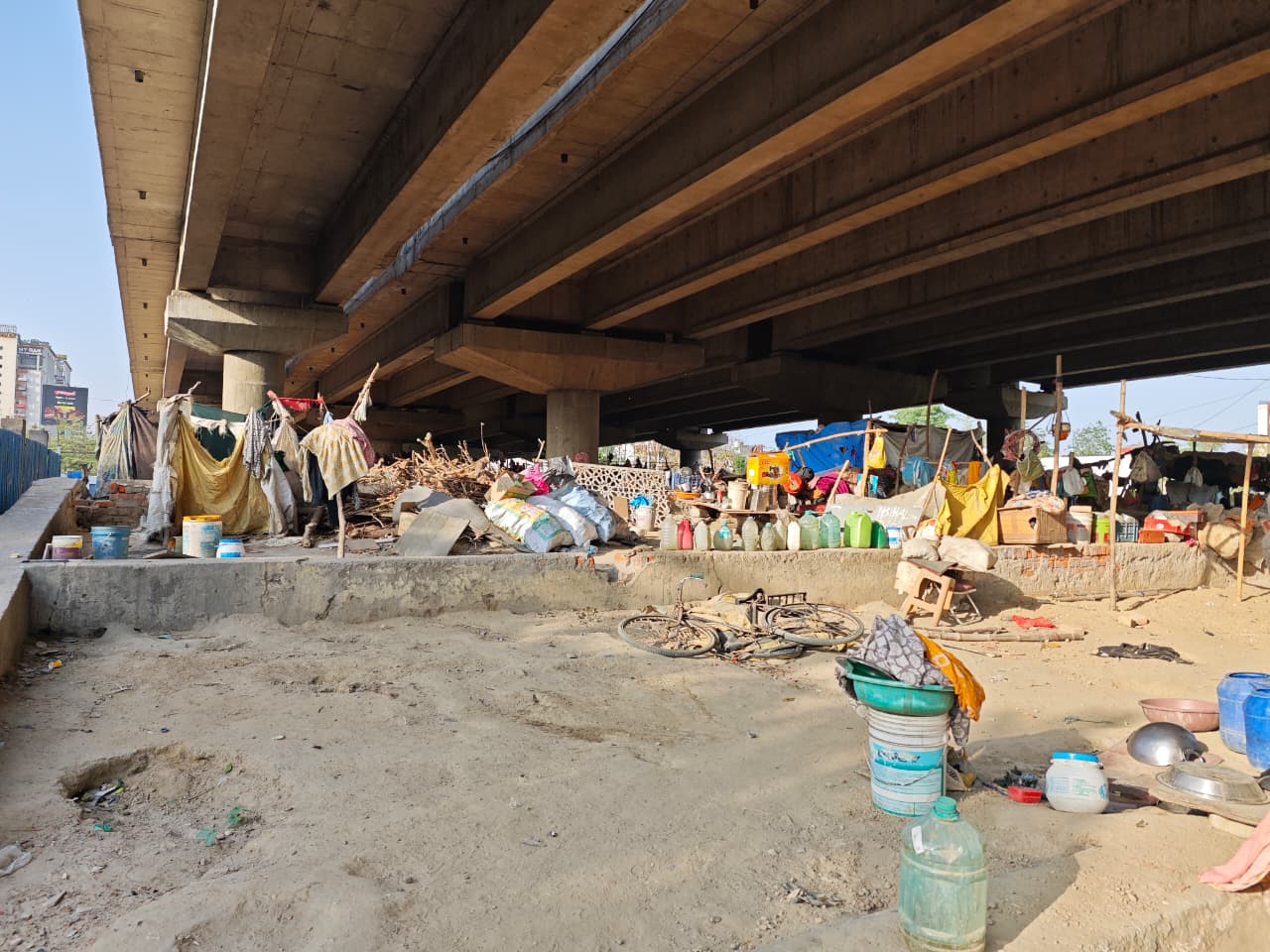
And then comes the most alarming part—the way these homes are packed. Just like Vikas Nagar, the shanties here are crammed together with barely any space in between. Once a fire starts, there’s simply no way to stop it midway. It spreads, unchecked, turning everything in its path to ash within minutes.
A Crisis Ignored: Why Lucknow’s Slums Need Immediate Action

Echoing what we saw on ground, most slum dwellers are working-class migrant labourers, drawn to cities like Lucknow in search of livelihood. But survival here comes at a cost they shouldn’t have to pay. Simply clearing these settlements isn’t a solution; it only displaces the problem.
What’s needed instead is intervention that actually addresses the root. Subsidised rental housing must be prioritised so people aren’t forced to live in unsafe, makeshift conditions. At the very least, basic planning norms, like maintaining distance between shanties and spreading awareness around fire safety, must be enforced to reduce the risk of such devastating incidents.
Regular cleanliness drives are equally critical. The unchecked buildup of dry waste in and around these settlements only adds fuel to an already volatile situation.
And responsibility cannot rest with the government alone. For migrant labourers working on construction sites across the city, private builders and contractors must be held accountable to provide safe and adequate housing. Leaving workers to fend for themselves in such hazardous conditions is not just neglect—it’s complicity.
