









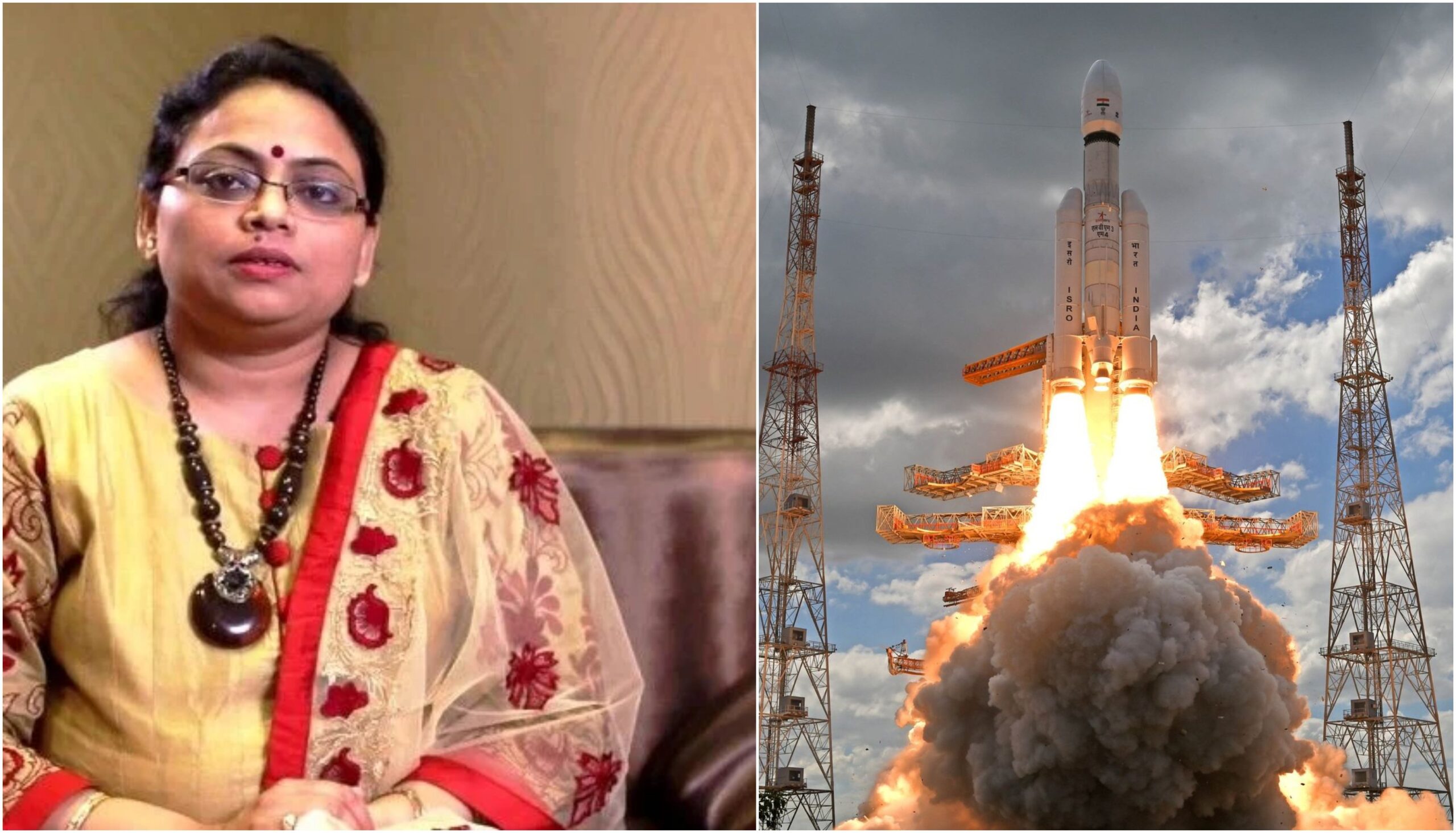
The Chandrayaan 3 mission spacecraft gracefully lifted off today at 2:30 pm from the Satish Dhawan Space Centre in Sriharikota, Tirupati district of Andhra Pradesh. With this remarkable launch, The Chandrayaan has once again demonstrated the prowess of ISRO in advancing its space expedition endeavors.
In a tale of extraordinary achievements, a remarkable feat has been accomplished by the brilliant scientists at ISRO. And guess what? Among the team of brilliant minds behind the Chandrayaan 3 mission, there is one scientist who proudly hails from Lucknow – Dr. Ritu Karidhal Shrivastava. This incredible woman has not only made her city proud but has also etched her name with the successful launch of the mission.
Dr. Ritu Karidhal Shrivastava has been working with ISRO since 1997
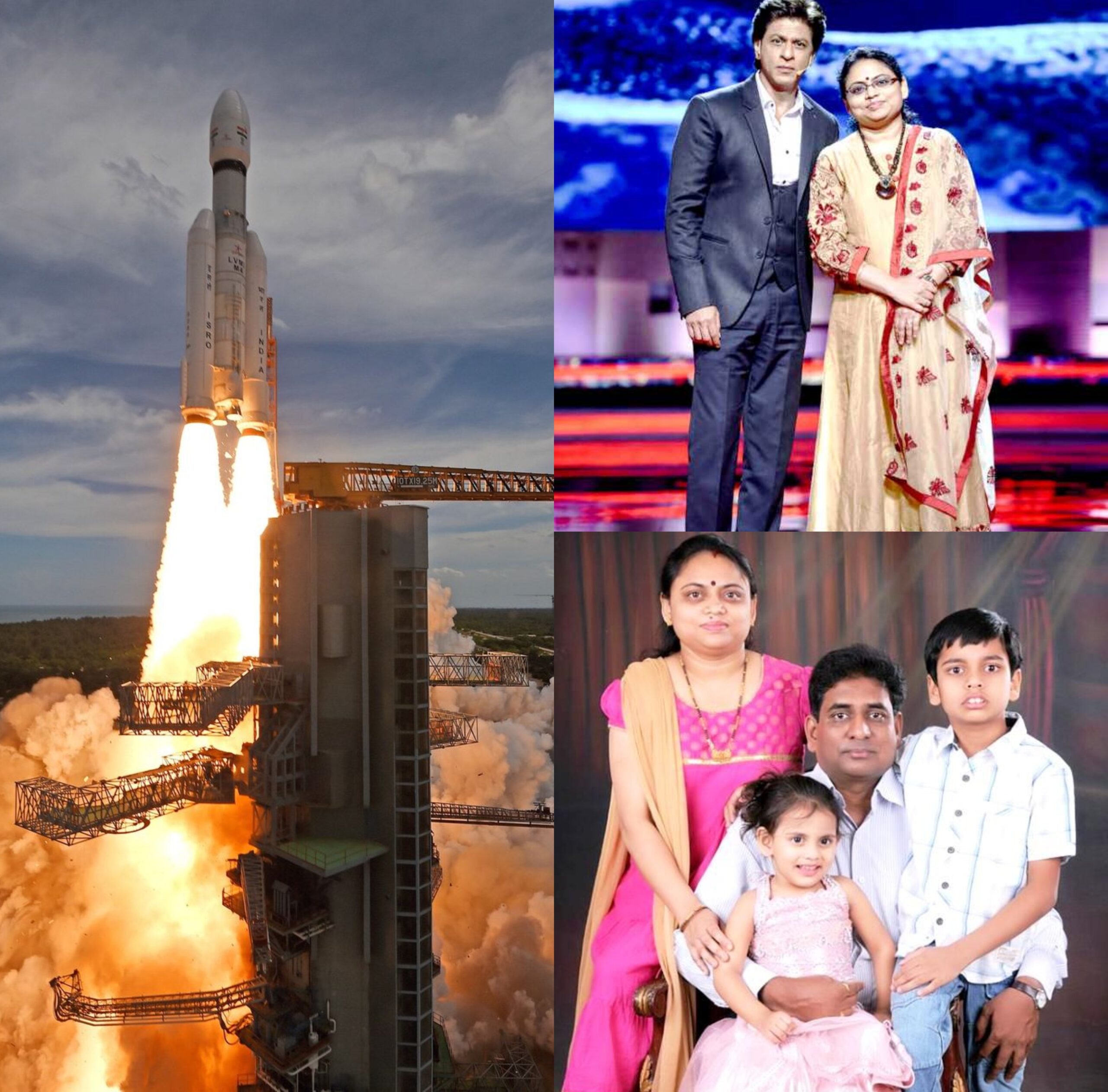
Dr. Ritu Karidhal Shrivastava, often referred as the “the Rocket Woman of India,” has made significant contributions and displayed her expertise in various missions of ISRO. She has been working with India’s prestigious space organization ever since 1997.
Born and raised in Lucknow, Dr. Shrivastava pursued her M.Sc in Physics from Lucknow University. She pursued her studies at the renowned Indian Institute of Science, Bengaluru before embarking on her journey with ISRO.
Dr. Shrivastava, also played a pivotal role in the Mangalyaan mission, serving as the deputy director of the Mars mission. Currently, she holds a leadership position in a crucial space mission.
More about ISRO’s Chandrayaan 3 mission
All preparations are done at @isro. #Chandrayaan-3 launch countdown to begin today at 2:30 PM (IST) onwards🚀 pic.twitter.com/fqvE5nKIv2
— Indian Aerospace Defence News – IADN (@NewsIADN) July 14, 2023
The Chandrayaan 3 space vehicle comprises three payload modules: an indigenous propulsion module, a lander module and a rover. It is noteworthy that the previous mission, Chandrayaan 2, took place in 2019, making the launch of the current mission a culmination of 4 years.
The mission objectives of Chandrayaan-3 are:
-
To demonstrate safe and soft landing on lunar surface
-
To demonstrate rover operation on the moon and
-
To conduct in-situ scientific experiments
The Chandrayaan 3 vehicle will complete the journey to moon in 50 days. Subsequently, it will land on the southern pole of the moon. Click here to find out more about ISRO’s Chandrayaan 3 space mission.