






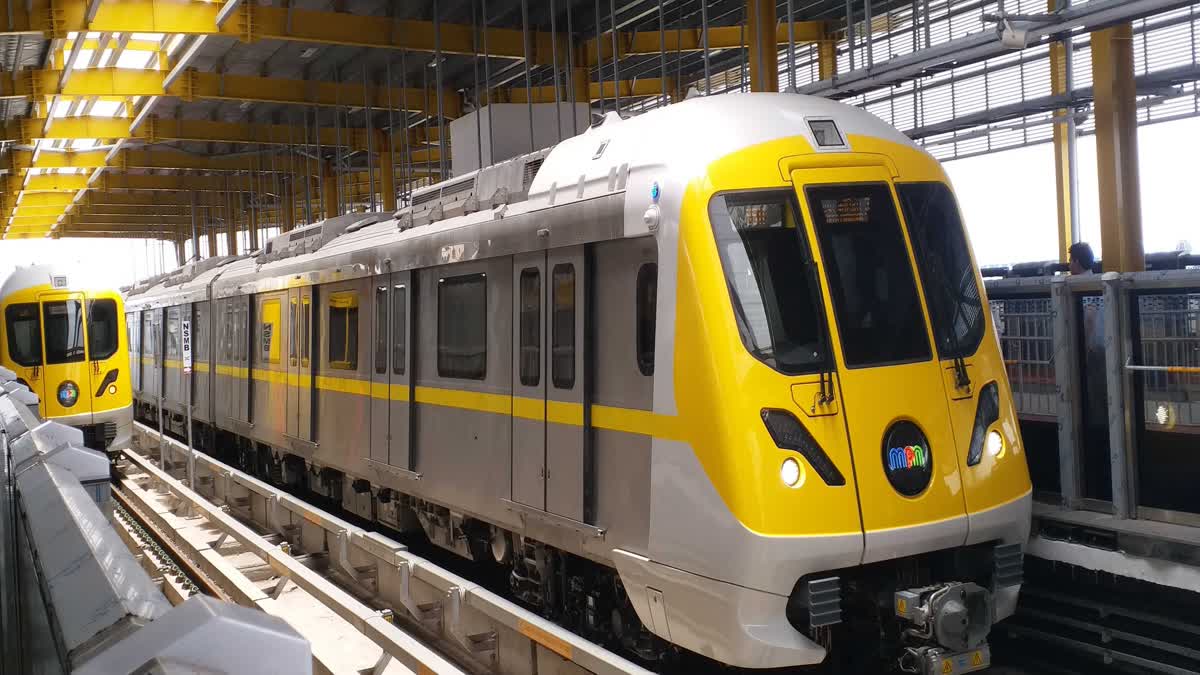
The Indore Metro’s operational stretch is now visible on the ground, but the passenger rush it was expected to attract is still largely absent. The 6.3-km priority corridor, which began commercial operations on May 31, 2025, was the first functioning section of the city’s metro network. Even so, early ridership figures have remained far below expectations. In September 2025, the metro averaged just 170 passengers a day, with a monthly total of 5,067, despite each train having the capacity to carry more than 350 people. The limitation is also structural for now, since the system is still operating only on the priority stretch, which restricts its usefulness for everyday travel.
Bhopal Metro has faced a similar challenge. After launching commercial service on December 20, 2025, it too struggled to convert opening-day interest into steady ridership. Reports in the first phase showed daily footfall in the low hundreds, and by early 2026 the situation had become even more strained. Ongoing signal work led to longer gaps between trains, and by early April 2026 the Orange Line was running only from 11 am to 4:30 pm with nine trips a day, down from 13. A February 2026 report had already indicated that the system was carrying just 40–50 commuters per trip, with overall daily ridership hovering around 200.
Taken together, Indore and Bhopal highlight the same transit reality: launching a metro with fanfare does not automatically create a commuter habit. Without strong last-mile links, frequent service and routes that align with actual travel demand, ridership can stay painfully low. Indore’s short operational stretch is still too limited to function as a full mobility solution, while Bhopal’s early numbers show that inauguration-day excitement does not necessarily translate into regular use. As both networks expand, the real test will be whether they can move beyond symbolic starts and become practical, everyday transport systems.
