







We put out one list of legacy institutions in Lucknow, and the comment section responded like we’d insulted someone’s grandfather, which, in a few cases, we probably had. Half of you wanted names we’d left out, the other half wanted to argue about whether “legacy” even applied to half our first list. Reasonable fight to have in a city where the buildings are older than most countries’ independence. So here’s round two: 11 more institutions that never needed a listicle to matter, but are getting one anyway. Blame the comments section, we certainly are.
State Ayurvedic College & Hospital
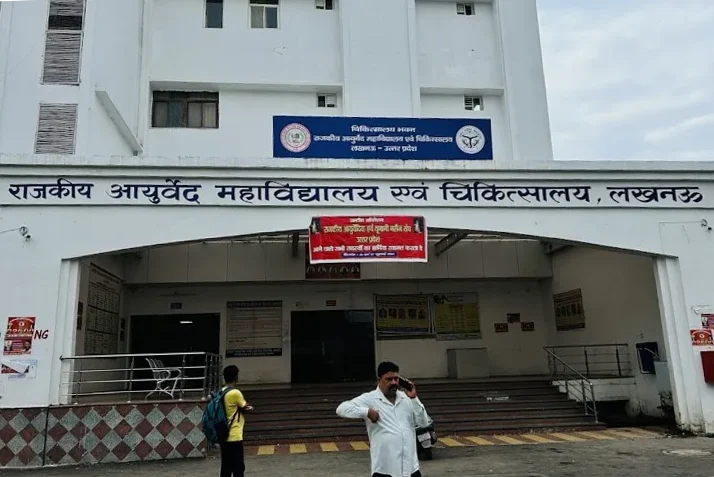
State Ayurvedic College & Hospital started life tucked inside King George’s Medical College’s premises, under Acharya Narendra Dev’s watch. a slightly odd origin for an institution that’s spent decades proving Ayurveda didn’t need to borrow legitimacy from anywhere. Now it’s a fully recognized government body under NCISM, running BAMS and MD/MS programs in Kayachikitsa and Prasuti & Stri Roga, with an OPD and inpatient wing that still practices Panchkarma alongside general care. Grew up in someone else’s shadow. Doesn’t live there anymore.
Shia PG College
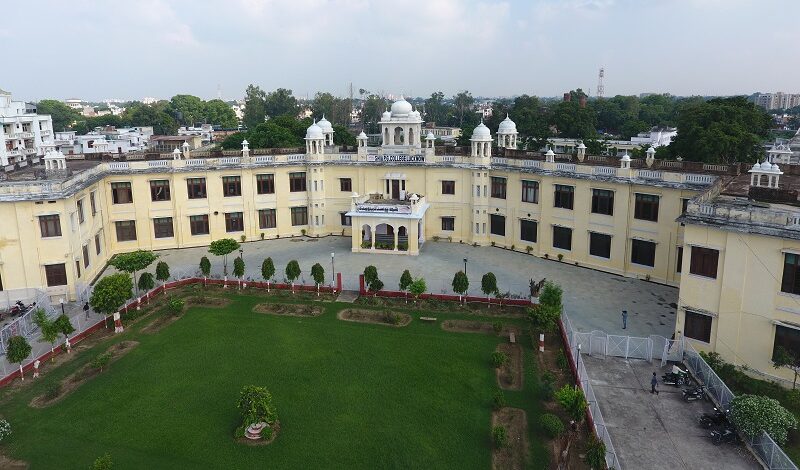
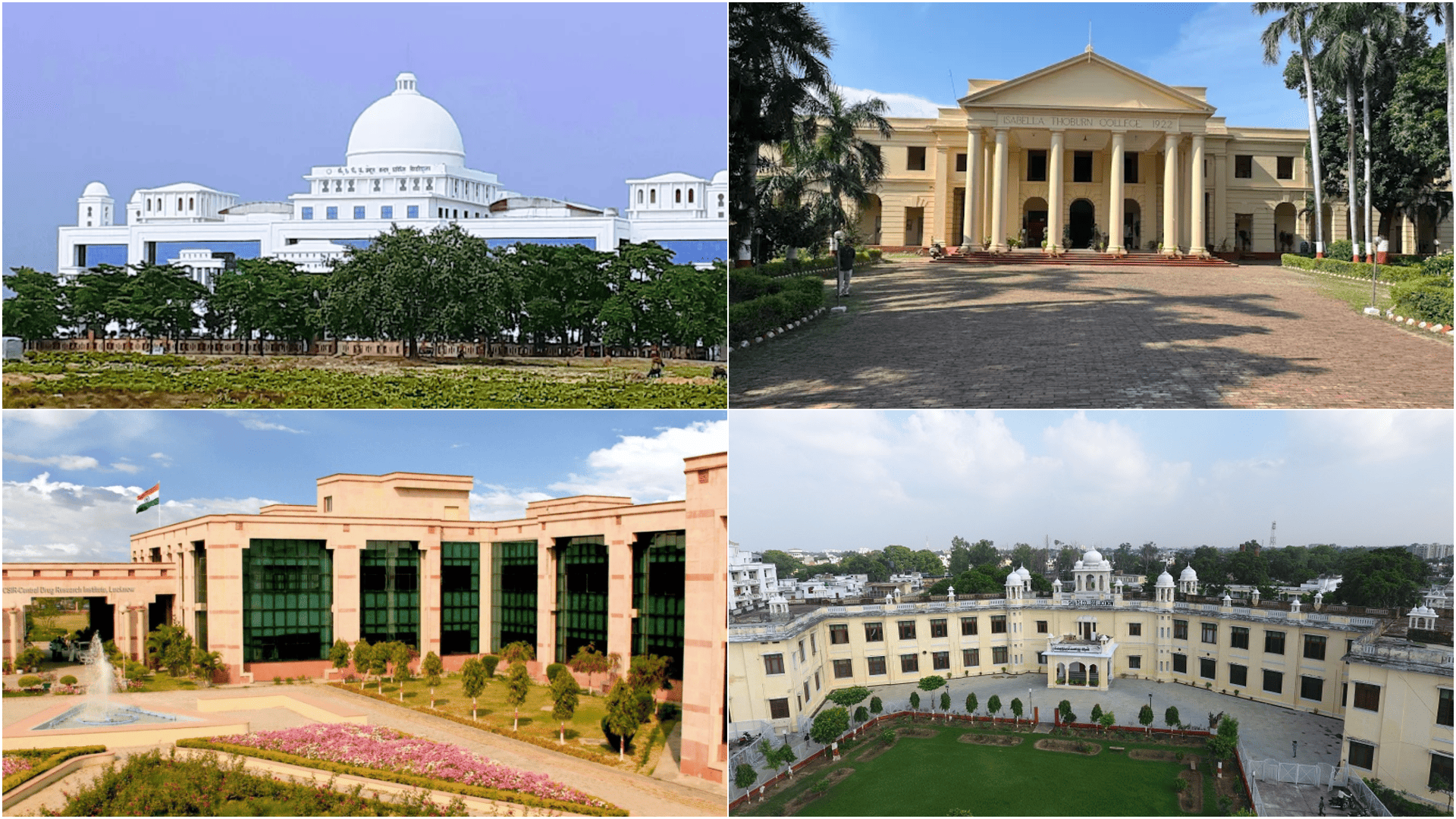
The name suggests a college built for one community. The enrollment list has told a different story since 1919, Shia PG College in Lucknow has run open to students across all communities from the start, name notwithstanding. It’s shifted affiliations too, from Allahabad University to Lucknow University, while building out Arts, Science, Commerce, Law, and BBA programs along the way. A century in, the alumni list includes judges, politicians, and scientists, proof that the name was never the ceiling some might assume.
IHM Lucknow
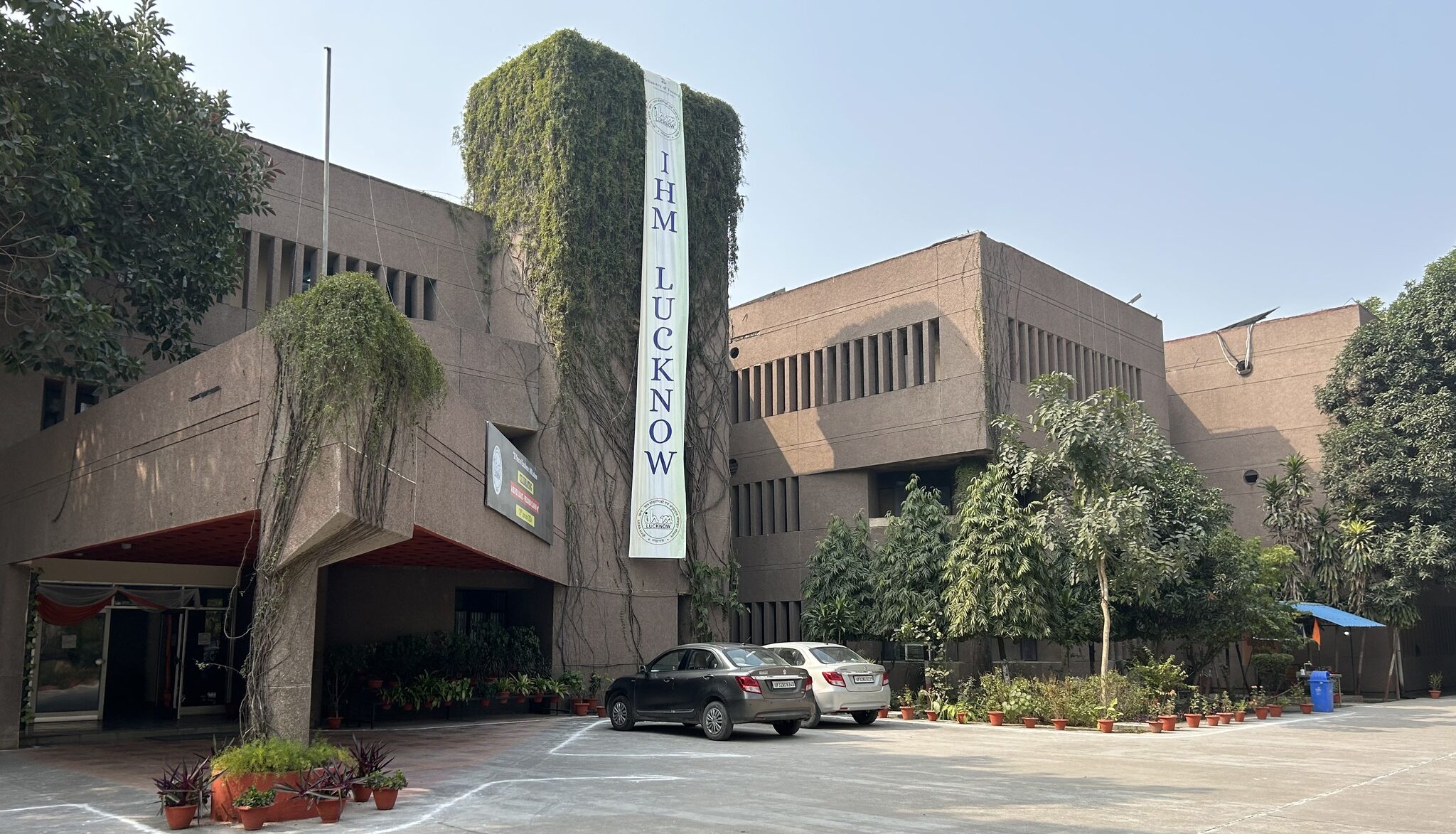
IHM Lucknow started life in 1969 as a Food Craft Institute, a modest label for something that would eventually get ranked #1 in Uttar Pradesh and win “Best Hotel Management Institute” from FHRAI. The upgrade to a full 3-year hospitality curriculum came in 1980, the move to its current Aliganj campus in 1989, and somewhere along that five-decade climb, it went from teaching food craft basics to running one of India’s most prestigious government-backed hospitality schools. The name grew into the reputation slowly. It clearly got there.
AKTU
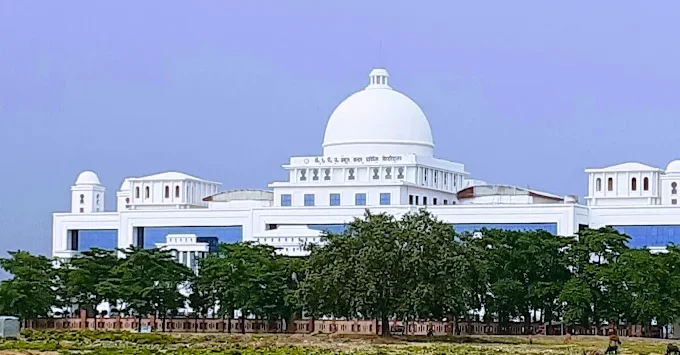
Governing 800 affiliated colleges sounds like the setup for administrative chaos, not one of Asia’s largest technical education networks running smoothly. AKTU has managed it anyway, formed in 2000 as UPTU, briefly split into two universities to ease the load between 2010 and 2013, reunified, then renamed in 2015 for Dr. Kalam. Its Faculty of Architecture traces back to 1911, older than the parent university by nearly a century. Big on paper, apparently bigger in practice.
Isabella Thoburn Degree College
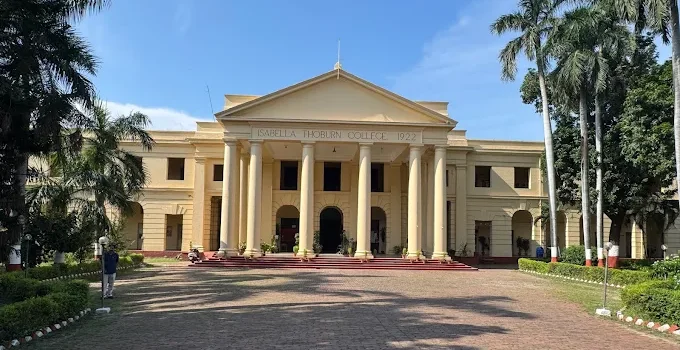
Isabella Thoburn College’s origin story doesn’t sound like the start of a historic first, one room in Aminabad bazaar, six girls, 1870. That modest setup became South Asia’s first Christian college for women, moving to Lal Bagh in 1871 and finally to the Chandbagh campus by 1922. Renamed Lucknow Women’s College in 1886, affiliated with Allahabad University by 1894, it’s since added a Professional Studies wing in 2017 for technical and management programs. Small beginnings rarely announce themselves this quietly and still end up first.
RMLNLU
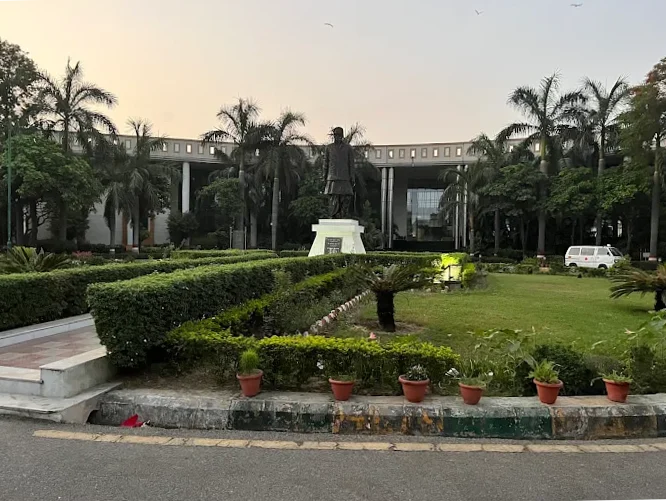
Getting labelled “second-generation” and “tier-2” sounds like a polite way of saying not-the-original-five, except RMLNLU’s actual output makes that classification feel almost irrelevant. Established in 2005, it’s ranked 21st nationally in NIRF’s 2025 Law Rankings, and while it maintains a solid Tier-1 corporate placement pipeline, the university’s real reputation is built on turning out judges, PCS-J candidates, and litigators rather than corporate lawyers. Add a state-funded Centre for Child Rights into the mix, and “tier-2” starts sounding like a technicality nobody really believes.
CSIR- CDRI
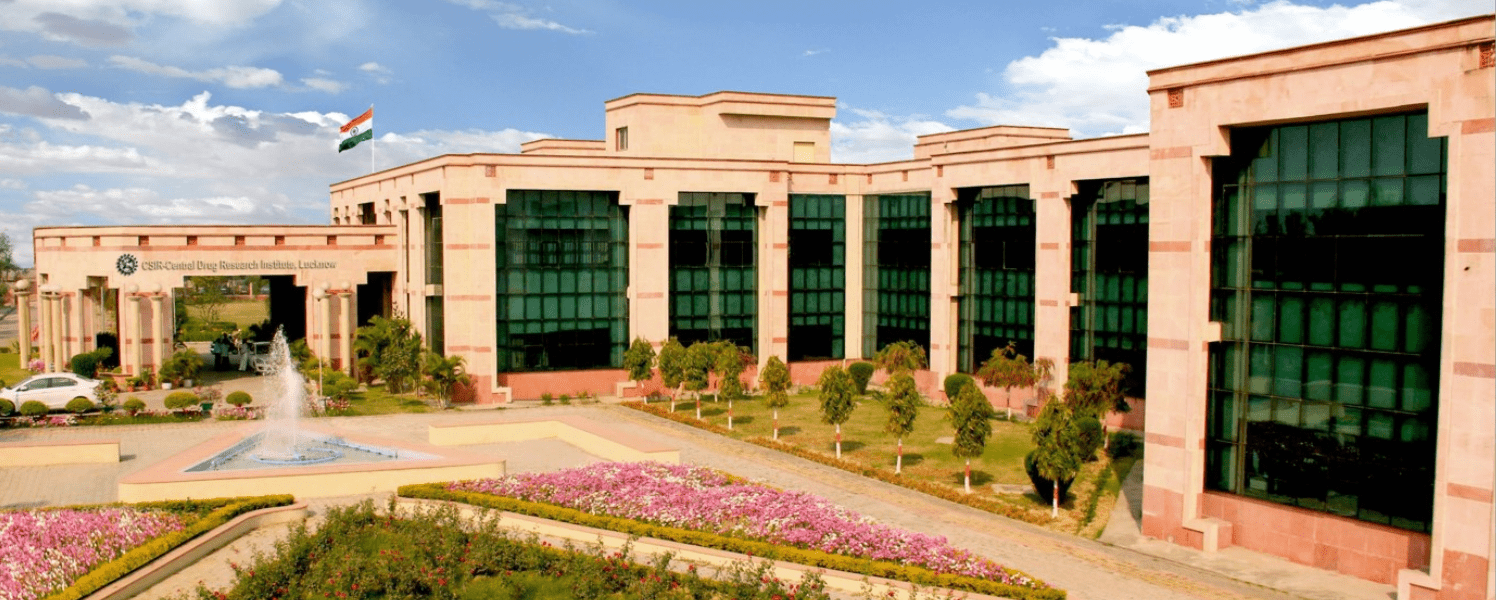
Jawaharlal Nehru cut the ribbon on CSIR-CDRI in 1951, which sounds like standard-issue political ceremony until you look at what actually came out of that building afterward: 13-plus licensed drugs, over 80 process technologies handed to the pharma industry, 10,000-plus research papers, 350-plus Indian patents, and over 1,000 PhDs produced along the way. Not a monument, not a museum piece, a working research institute under CSIR that’s spent seven decades quietly doing the unglamorous science behind drugs for infectious disease, cancer, and reproductive health.
Lucknow Christian College
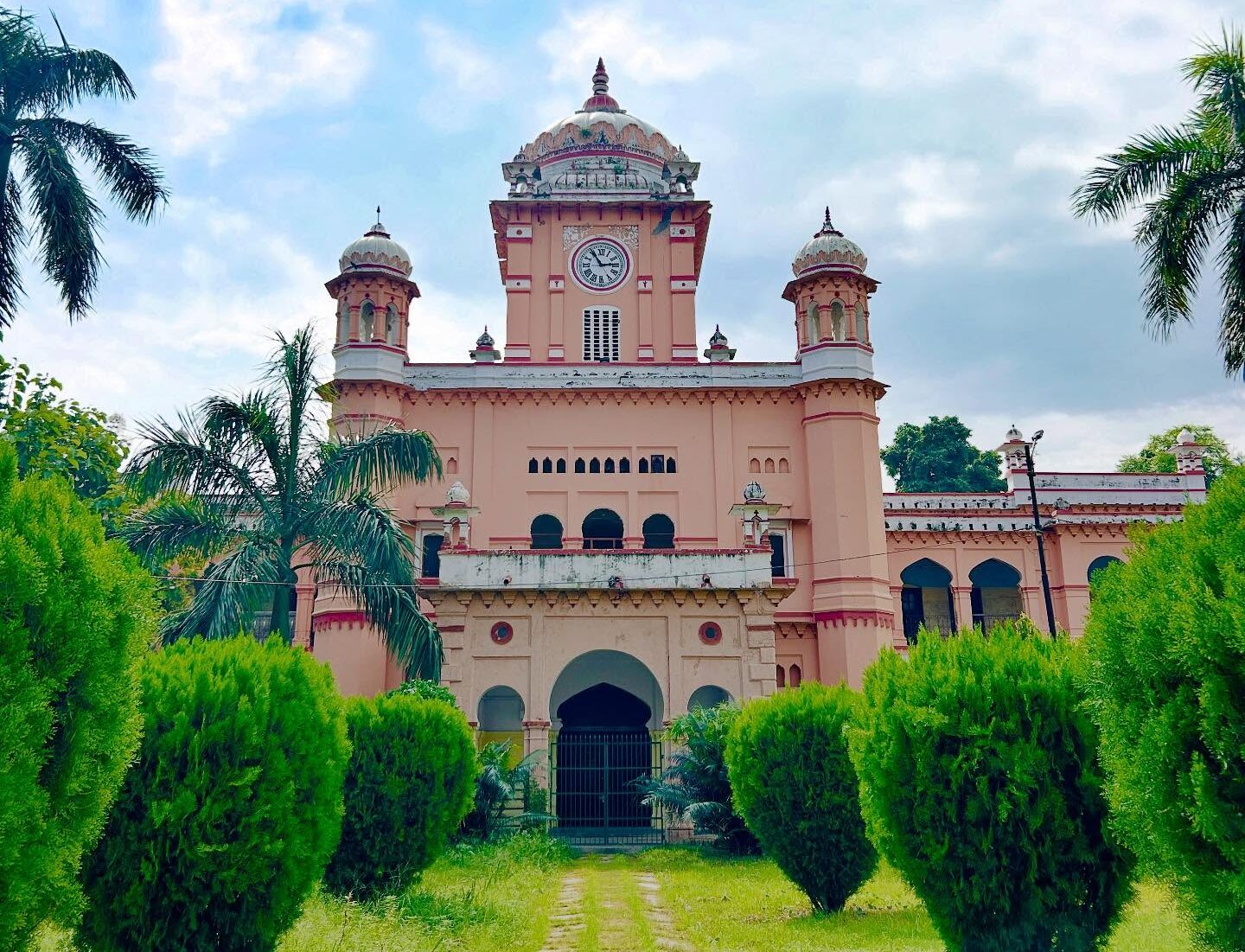
Lucknow Christian College has been around since 1862, old enough that comparing “before” and “after” feels almost absurd, and yet it now doubles as an IGNOU study center, running distance-learning courses out of a campus older than most countries’ postal systems. Government-aided, run under the Methodist Church in India, it still teaches the standard BA, BSc, BCom, and B.P.Ed lineup alongside postgraduate programs. One of Uttar Pradesh’s oldest colleges, quietly keeping pace with remote learning nobody in 1862 could’ve predicted. Adaptation, without the fuss of announcing it.
Darul Uloom Nadwatul Ulama
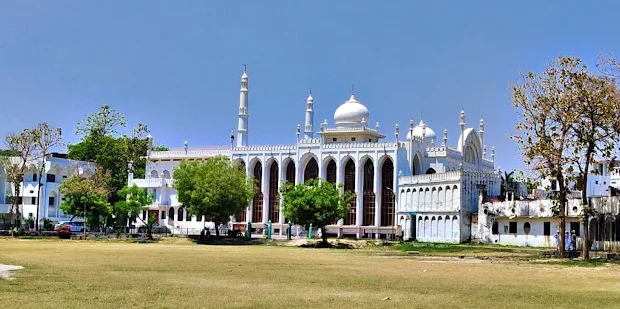
Getting Muslim theologians across sectarian lines to agree on anything sounds like a founding mission destined to fail, and yet that’s essentially what Darul Uloom Nadwatul Ulama set out to do in 1893, proposed by Muhammad Ali Mungeri, its seminary opening in Lucknow by 1898. Rather than doubling down on traditional dars-e-nizami curriculum alone, it folded in English, modern sciences, and vocational training alongside classical Arabic scholarship. A reform movement built on compromise, in a space not exactly famous for it. Still standing, well over a century later.
BBAU
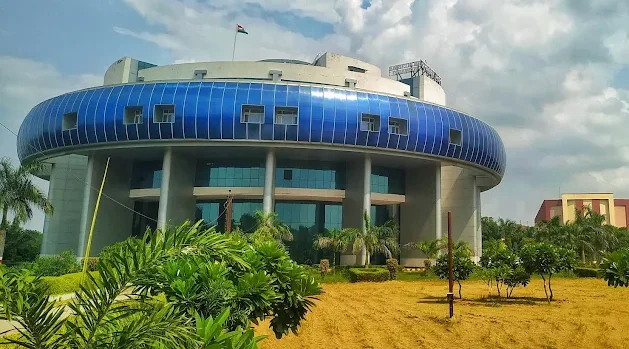
Naming a university after Dr. B.R. Ambedkar sets a fairly high bar, social justice and inclusivity aren’t just branding when they’re attached to his name. BBAU seems to have taken that seriously since its 1996 founding under an Act of Parliament: NAAC A++ accreditation, 18 specialized schools spanning Law, Information & Life Sciences, and Social Sciences, covering everything from pharmaceutical training to developmental economics. Plenty of institutions borrow a name for prestige. This one built the actual mission around it.
JTRI
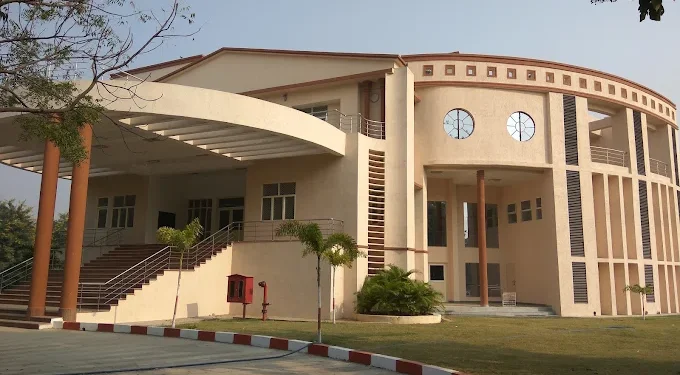
JTRI is the apex training body for UP’s entire judicial service, and most people outside a courtroom have never heard of it. Since 1985, it’s been the place where newly appointed judges and prosecution officers actually learn the procedural and research skills the job demands, backed by a legal library extensive enough that practicing lawyers reportedly want access to it. Workshops on updated criminal law, published journals and digests, unglamorous work that quietly shapes how justice actually gets administered in the state.