



















In recent times, you may have noticed some concerning changes in the regular eggs available at conventional stores in the market. The albumen might have an unusual consistency and texture, yolks might appear discolored or unnaturally bright and some eggs may even contain more than one yolk.
These observable differences raise suspicion about potential scientific interference in the egg production process. It’s only natural to be concerned about the possible health risks associated with consuming such eggs. Now, to decode this concerning ande ka fanda and shed light on a safer alternative, let’s explore the science behind ethical and stress-free eggs produced at Happinest’s poultry farm.
Higher nutritional value
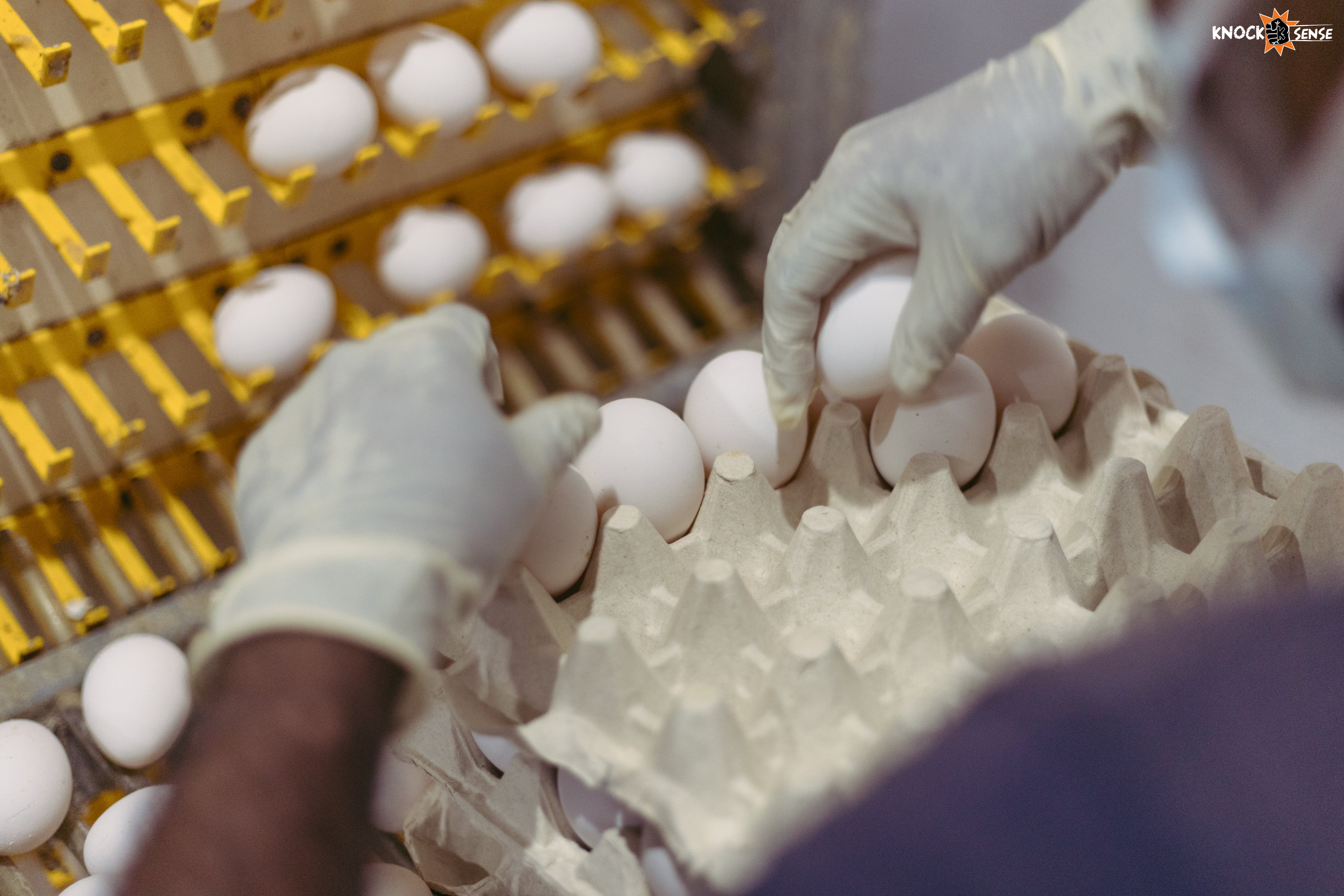
Eggs produced from stress-free hens raised in an ethical environment tend to have higher nutritional content, including essential vitamins and minerals like vitamin D, vitamin B12, selenium and choline.
Lower antibiotic residues, thus leading to minimum health risks
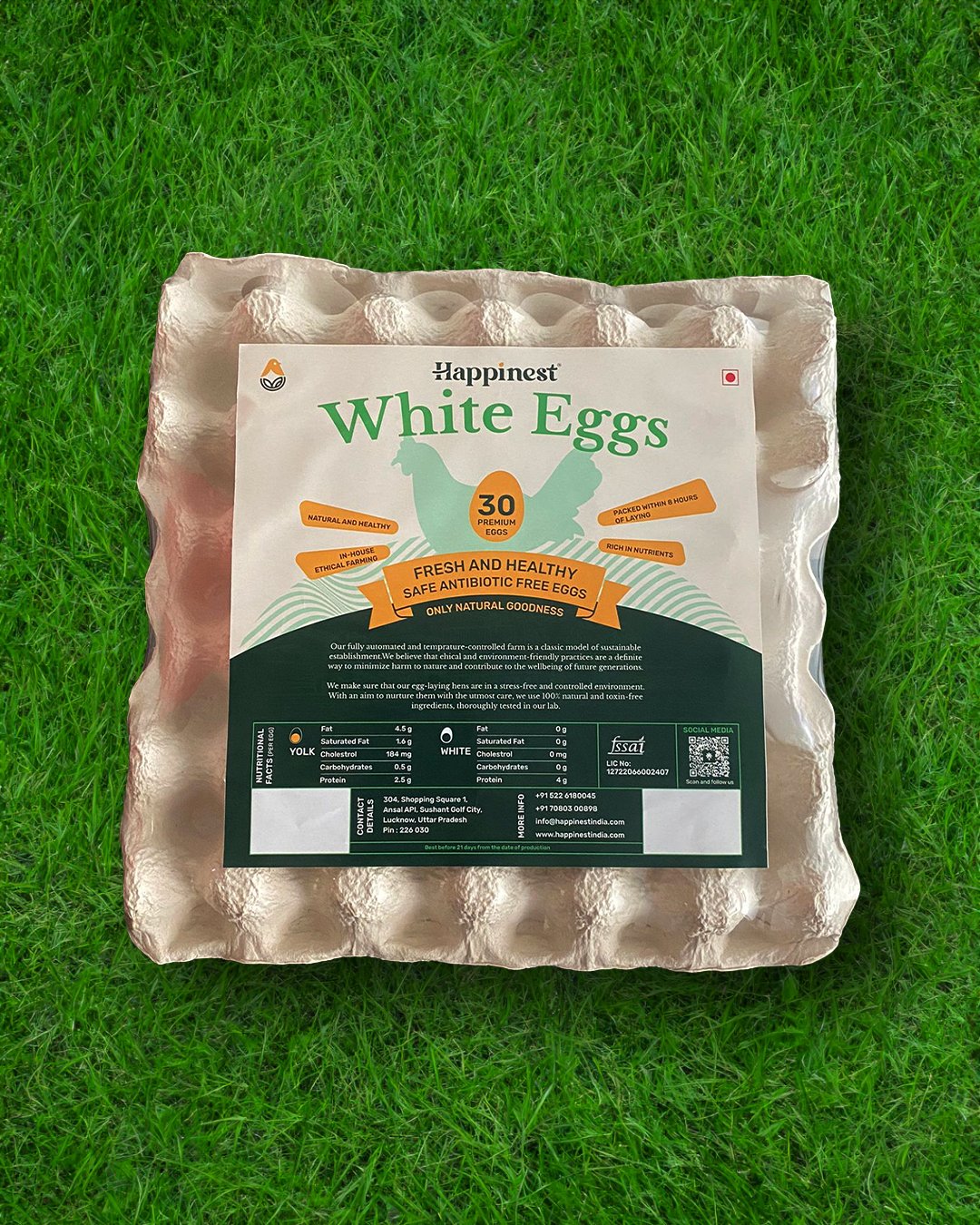
In most developed countries, eggs with traces of antibiotics have been banned due to the high possibility of antibiotic resistance. Choosing Happinest eggs helps mitigate this risk and supports a healthier lifestyle.
Consuming eggs from hens fed artificial antibiotics may lead to antibiotic resistance in our bodies, rendering antibiotic medicines ineffective when needed, potentially resulting in fatal consequences.
Since the birds at Happinest’s self-owned poultry farm are not given antibiotics, the risk of developing antibiotic resistance is significantly reduced for the consumers.
Enhanced Health benefits

Stress-free eggs are known to have a favourable omega-3 to omega-6 fatty acid ratio, which can help in promoting heart health and reduce the risk of cardiovascular diseases.
Naturally produced eggs further contain high content of antioxidants like lutein and zeaxanthin and choline, crucial for the eye health, brain development and cognitive function.
Ethical and Sustainable Consumption
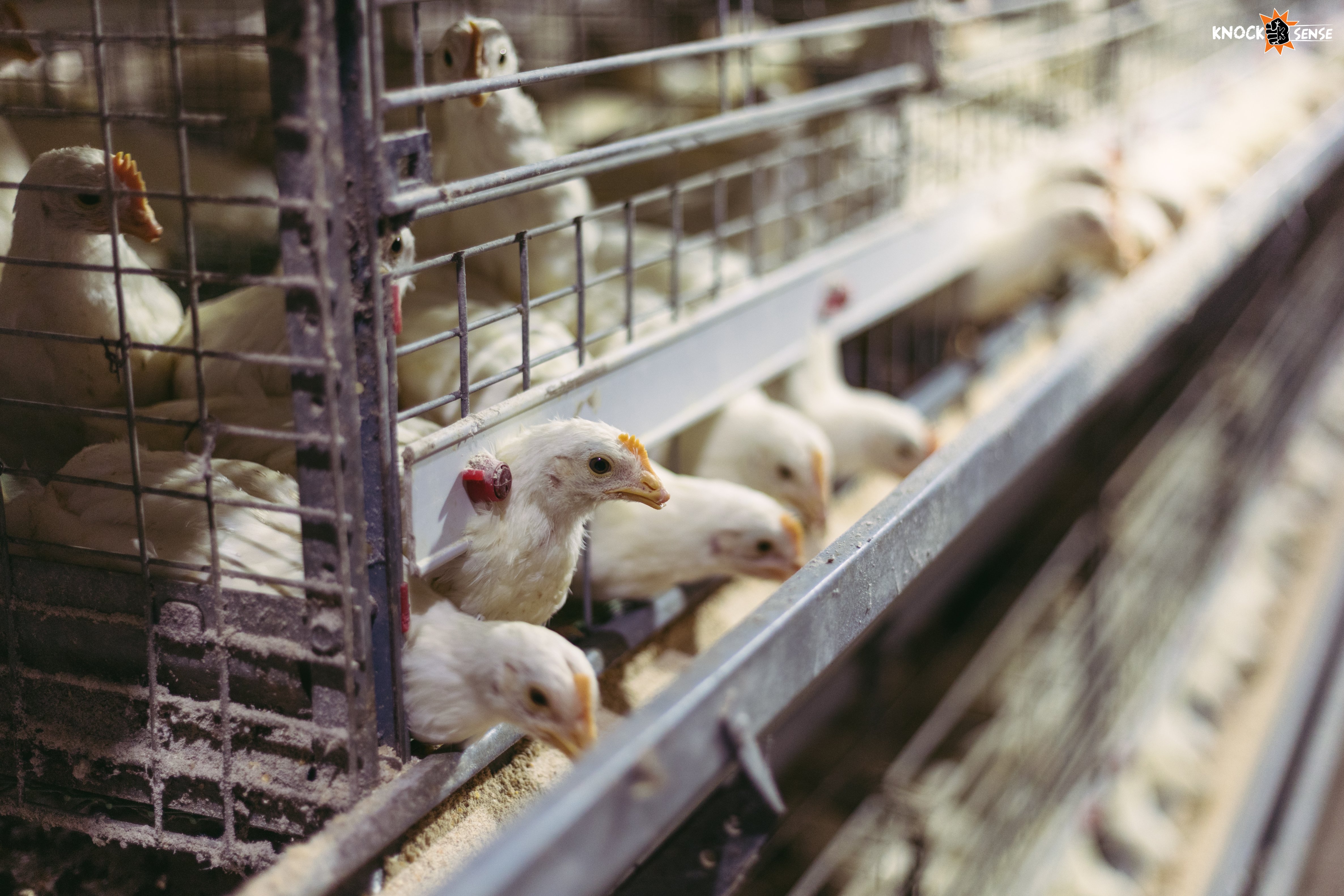
Unlike many other poultry farms that prioritize profits over animal welfare, Happinest stands out for its ethical practices, ensuring the hens lead a stress-free life in a suitable habitat.
Choosing eggs from stress-free and ethically treated hens supports sustainable and responsible farming practices, promoting the well-being of animals and the environment.
Controlled environment and high quality bird feed
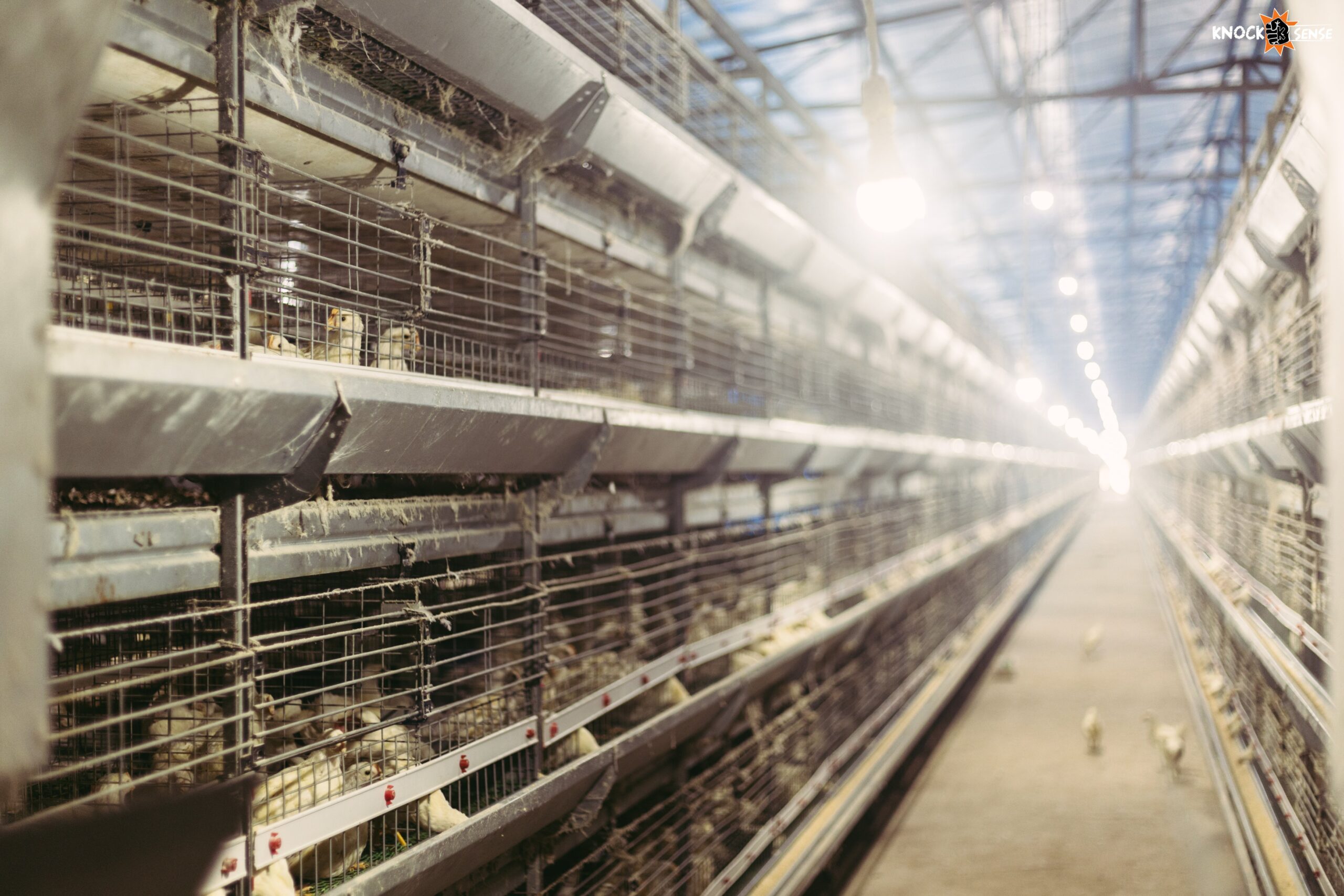
At Happinest, the hens are raised on their own farm with a carefully controlled ambient environment. An automatic environment control shed ensures the perfect temperature, ranging from 30°C to 39°C, and optimal humidity levels, promoting the well-being of the birds.
Furthermore, their hens are nourished with the highest quality feed, including maize, mustard DOC, soya, and sesame, all processed in their own feed mill.
Tastier and fresher eggs

Happinest eggs maintain their moisture content, resulting in eggs that taste better and fresher than those from conventional farms. The commitment to natural practices, usage of nutrient rich feed and other aforementioned factors ensures you get eggs you can truly enjoy and feel good about eating.
Stress-free hens
Along with creating a controlled environment, hens are provided with adequate space in their cages and limited human interaction to ensure a stress-free environment. Additionally, the chicks are given a natural growth period of at least 90 days before they start laying eggs.
Unlike regular poultry farms that use artificial hormone injections to accelerate growth, Happinest allows the chicks to grow naturally. This commitment to ethical practices in raising poultry not only promotes their well-being but also contributes to the production of healthier eggs, enriched with essential nutrients.