


















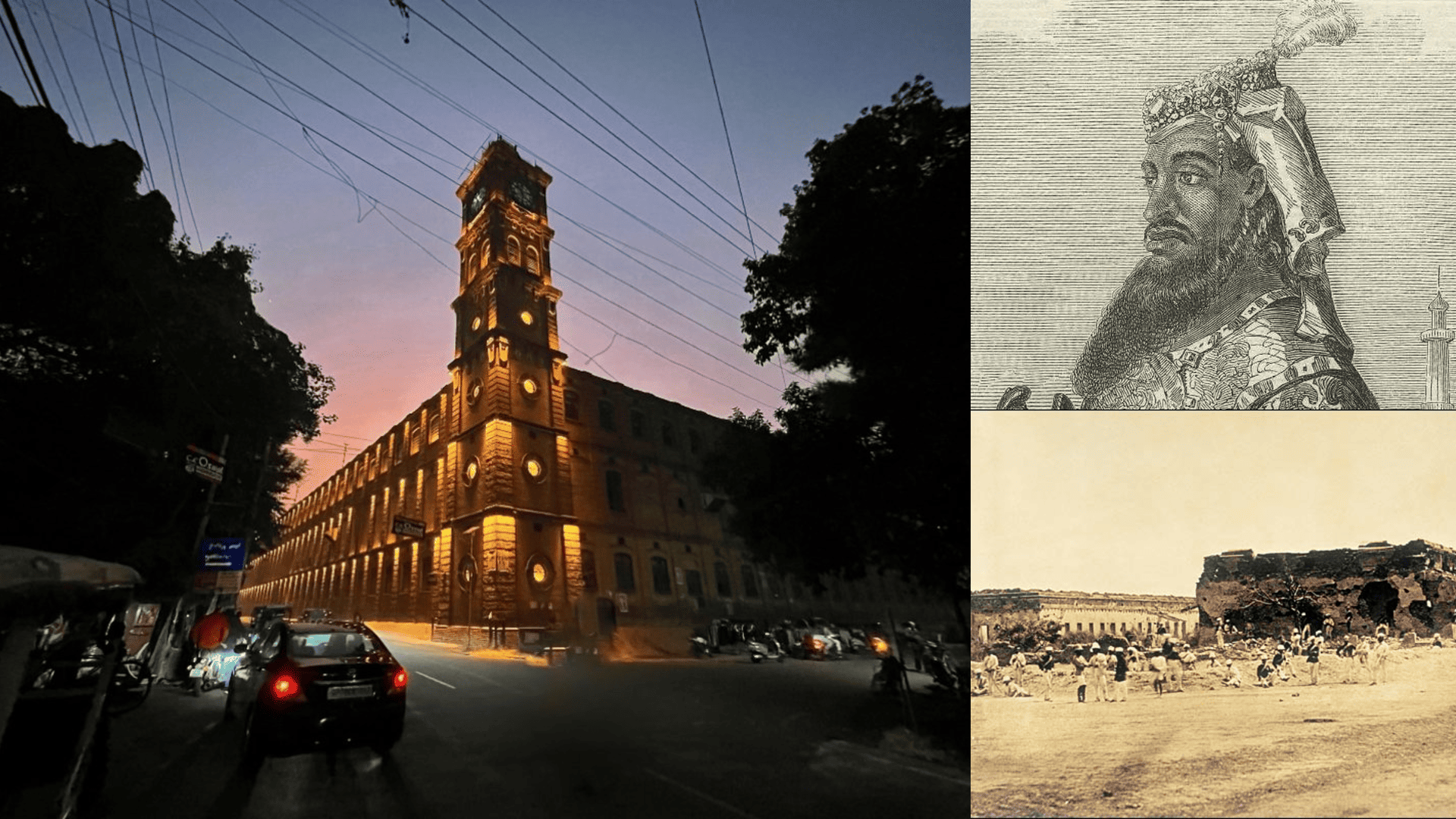
Kanpur doesn’t wear its stories on its sleeve. They’re buried in abandoned mills, locked inside crumbling ghats, hidden beneath a sadhu’s silence. A city that once dressed an empire, shook the British to their core and printed revolution on a weekly basis doesn’t need to announce itself. Its history does the talking, through unmarked cellars, open files and clock towers that outlasted everything built around them. Here are 7 stories worth knowing.
Disappearance of Nana Saheb
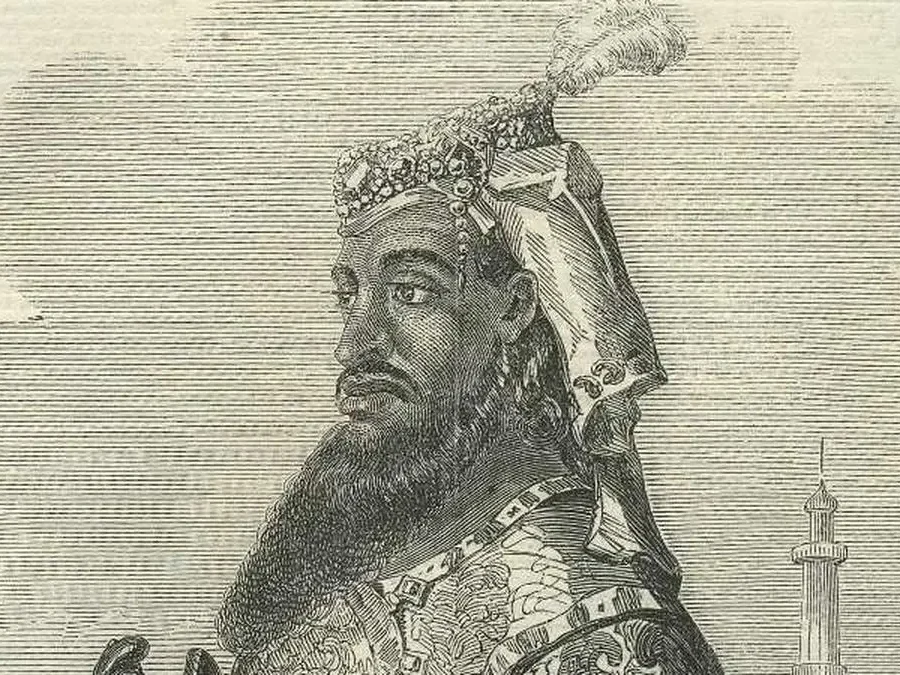
The British won in 1857, but they couldn’t prove it completely, not with Nana Saheb still out there somewhere, uncaptured, unaccounted for, moving through jungle and rumour like smoke. He had led Kanpur’s rebellion, shaken the empire, and when the tide turned, he didn’t surrender or fall; he vanished into the Nepal Terai with a fortune nobody ever found. Soldiers followed, rewards were announced, and the jungle gave nothing back. Fever, say the records, a tiger attack, say others, though neither was ever proven or quite believed. Years later came whispers of a wandering sadhu, quiet-eyed and unhurried, seen in crowds by people who had known another version of him. The file stayed open, the man stayed gone.
Satti Chaura Ghat Massacre
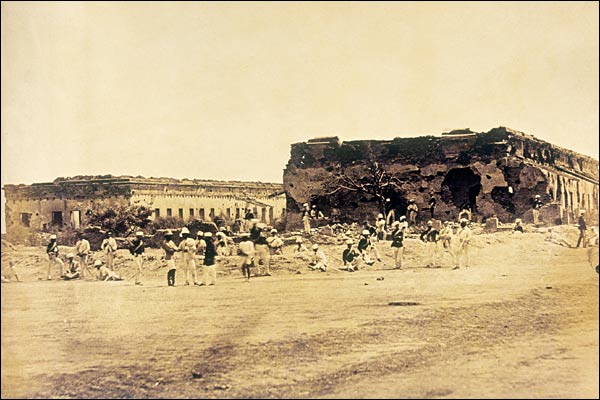
Kanpur has a history that runs deep, filled with moments of intense struggle. One of the most chilling chapters is the Satti Chaura Ghat massacre of 1857, during the Indian Rebellion. On June 27, British soldiers, women, and children were promised safe passage by boat after a long siege led by Nana Sahib. But as they attempted to leave, gunfire erupted, and what followed was a brutal massacre. The bodies of hundreds fell at Massacre Ghat, a site that now carries the weight of that dark day. Even today, this spot in Kanpur stands as a haunting reminder of the sacrifices made during India’s fight for freedom.
Haunted tales of Kanpur Memorial Church
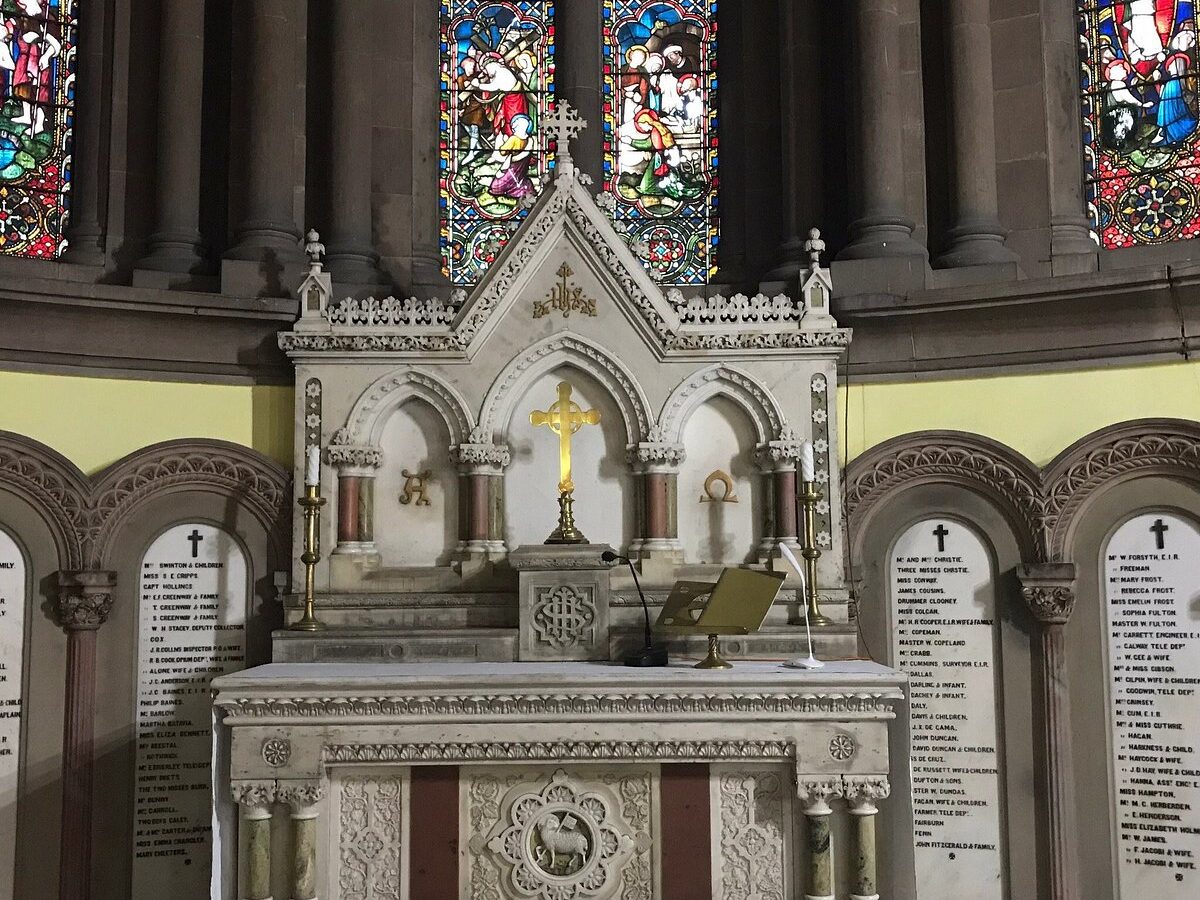
Kanpur Memorial Church, or All Souls’ Cathedral, is more than just a pretty building; it’s a place steeped in sorrow and tragedy. Built to honor those lost in the 1857 Sepoy Mutiny, this church stands near the infamous sites of massacres and betrayals. While it’s not officially dubbed “haunted,” the eerie aura around the church is hard to ignore. From the Bibighar Massacre, where hundreds of women and children met a brutal fate, to the nearby Wheeler’s Entrenchment, where soldiers fought to the death, every corner of this church whispers stories of loss. Visitors often feel the weight of shattered hopes as they walk past the marble memorials, each one bearing the names of the fallen.
Textile legacy of HBTU
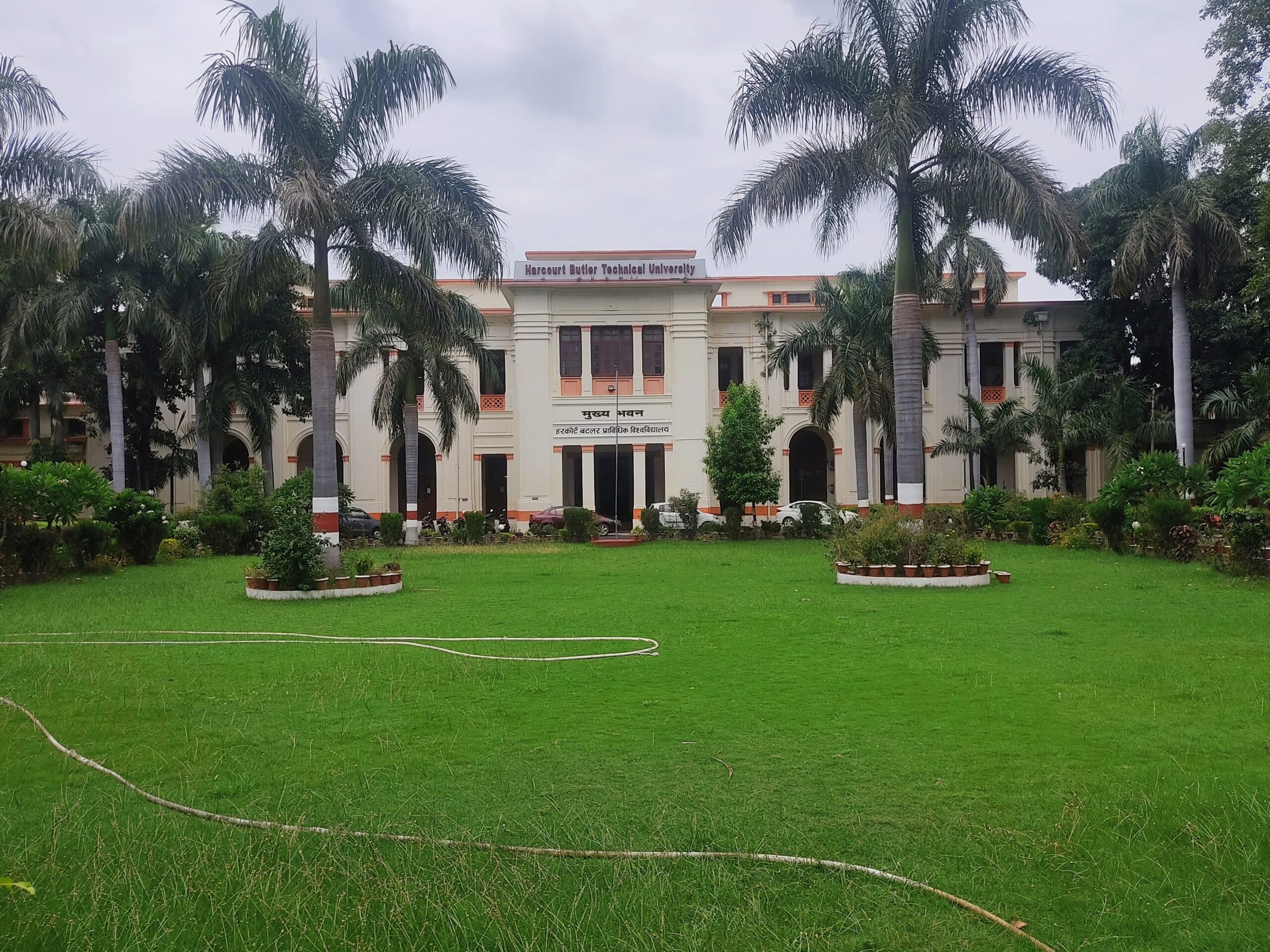
Kanpur’s Harcourt Butler Technical University (HBTU) is more than just a top-tier institution; it’s the backbone of the city’s industrial and textile legacy. Established in 1921, HBTU played a key role in shaping the region’s technical education, especially with the founding of the Government Central Textile Institute in 1937, which later evolved into the Uttar Pradesh Textile Technology Institute. As a trailblazer in textile research and training, HBTU has been crucial in nurturing engineers and chemists for the textile industry. From its early days as a research institute to its modern advancements in Leather and Fashion Technology, HBTU’s influence on Kanpur’s growth is undeniable.
Hidden wealth buried in abandoned mills of Kanpur
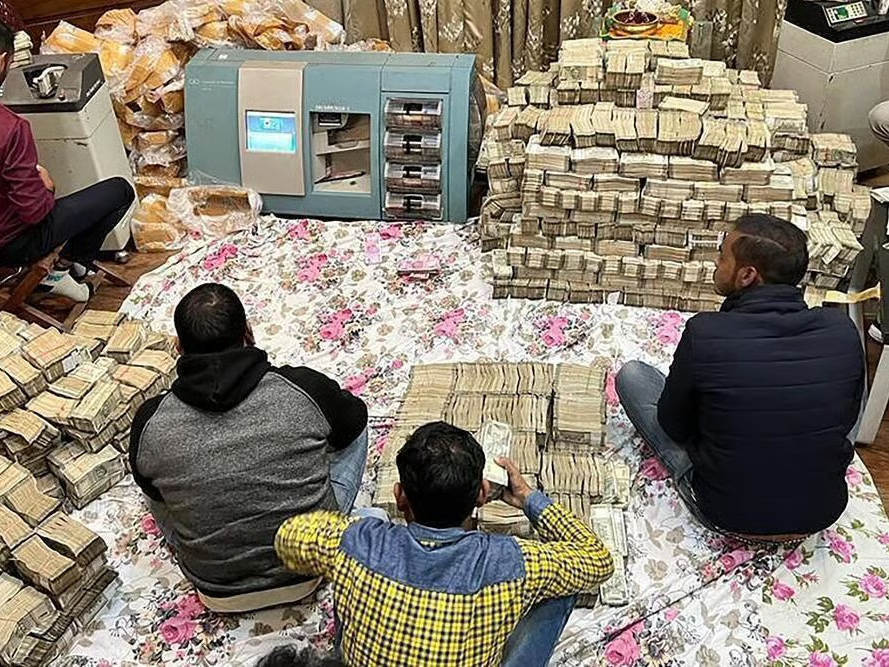
Kanpur’s abandoned mills look like they have nothing left to give, peeling walls, locked gates, decades of silence. Looks, as it turns out, can be spectacularly misleading. Beneath the decay, the city has been sitting on secrets. In 2021, raids on a perfume businessman’s premises cracked open underground cellars stuffed with ₹194 crore in cash and 23 kg of gold, one of the biggest black money hauls India has ever seen. A 1981 raid on an industrialist’s home was so dramatic it became a Bollywood film. Then came the tobacco baron with a Rolls-Royce and Ferrari parked quietly on the side. The mills may have stopped producing. Everything else, apparently, kept going.
The rise and decline of Lal Imli
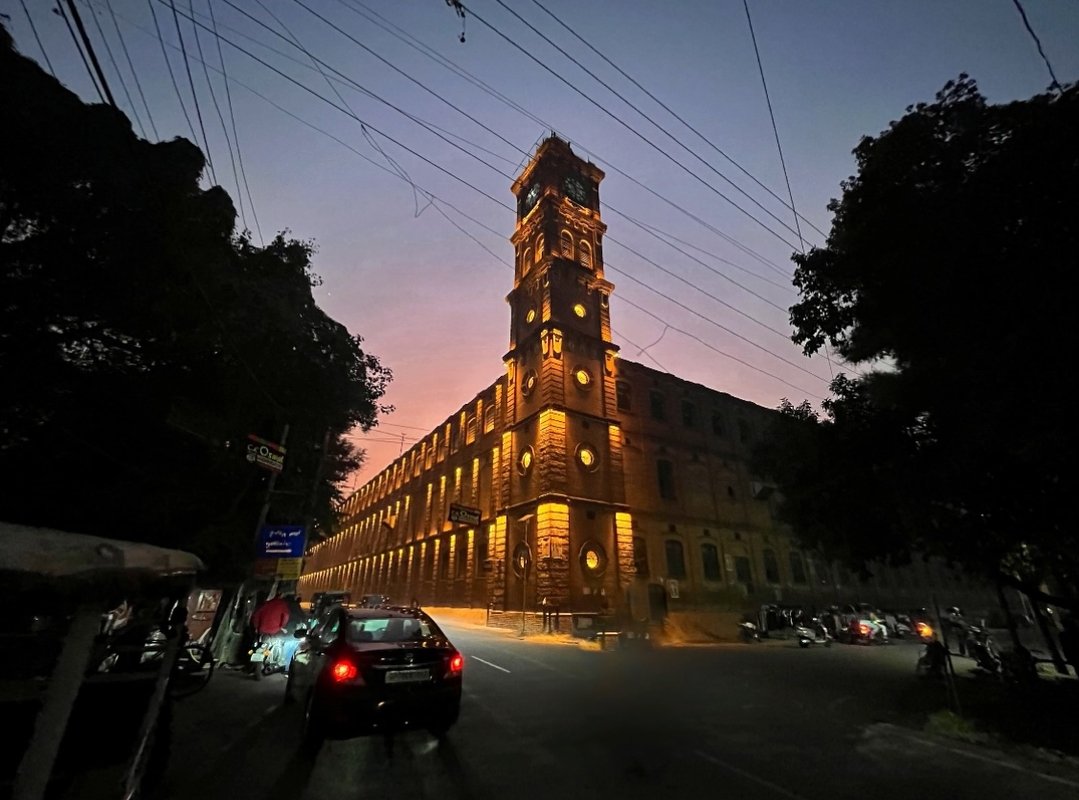
Lal Imli, once the beating heart of Kanpur’s industrial pride, tells the story of rise, success, and eventual decline. Established in 1876 as India’s first woollen mill, it soon became a symbol of the city’s industrial boom, earning the title “Manchester of the East.” At its peak, the mill churned out high-quality woollen goods, employed thousands, and even became a symbol with its iconic red-bricked structure and clock tower. But by the 1970s, things started unravelling. Failed modernisation, mismanagement, and corruption led to its nationalisation in 1981, but it couldn’t recover. Today, Lal Imli stands largely silent, a reminder of Kanpur’s industrial past and a city’s lost glory.
The story of Ganesh Shankar Vidyarthi and his newspaper, Pratap
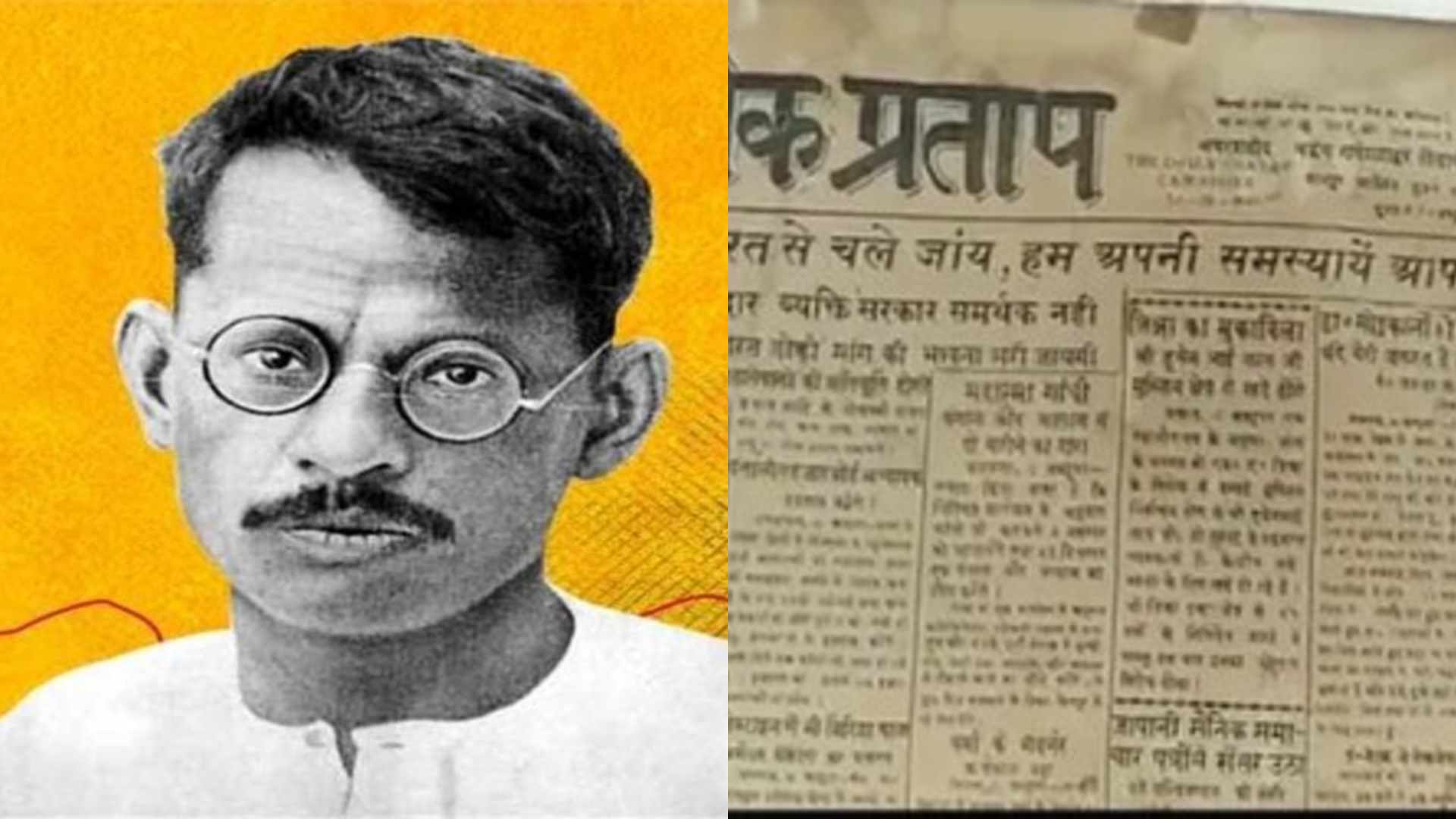
Ganesh Shankar Vidyarthi’s story is one of fearless journalism and sacrifice for India’s freedom. In 1913, he founded Dainik Pratap, a Hindi weekly in Kanpur that quickly became a powerful voice for the oppressed, farmers, workers, and revolutionaries alike. His bold editorials critiqued British rule and exposed social injustices, often landing him behind bars. Dainik Pratap became a daily in 1920, and Vidyarthi even hosted revolutionaries like Bhagat Singh. His dedication to independence and communal harmony led to his tragic death in 1931 while trying to stop Hindu-Muslim riots. Today, Vidyarthi’s legacy lives on in institutions named after him, and Dainik Pratap remains a symbol of courage and conviction.