

















The proposed Delhi–Varanasi bullet train project has entered a crucial planning stage in Lucknow, with authorities evaluating four locations for the station. Among the shortlisted sites, the Shaheed Path–Kisan Path Expressway corridor and the area near Ikana Stadium are emerging as the top contenders. According to the project’s Detailed Project Report (DPR), both locations present fewer land acquisition challenges and are expected to cause minimal disruption to existing roads and infrastructure. The other two options under consideration are Vrindavan Yojana’s G-20 Ground and the Gomti Riverfront.
Final decision expected after inter-agency consultations
A meeting chaired by the District Magistrate on June 9 reviewed the feasibility of all four sites for the Bullet Train. Officials from LDA assessed factors such as accessibility, construction complexity, land requirements and long-term urban impact. Authorities are also expected to hold consultations with Lucknow Metro and other agencies before finalising the station location.
Why some sites face greater challenges
While the expressway and Ikana options are considered relatively straightforward, the remaining two locations involve more complex engineering requirements. Vrindavan proposal would require the construction of a tunnel stretching roughly one kilometre beneath SGPGI Road. Meanwhile, the Gomti Riverfront option could involve extensive utility relocation work and longer underground sections, making it one of the more technically demanding alternatives despite its central location.
Delhi–Varanasi Corridor to Transform Travel Times
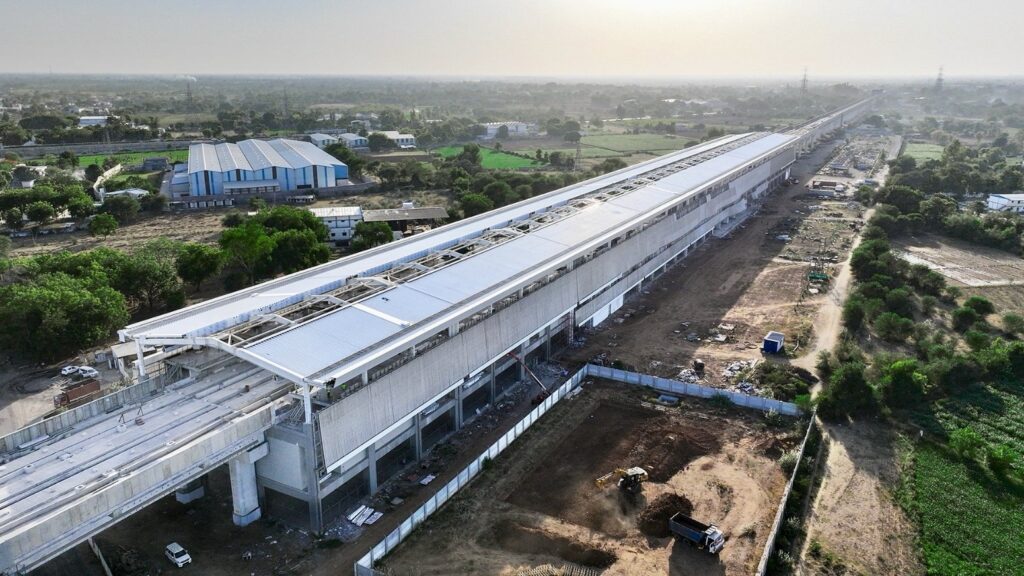
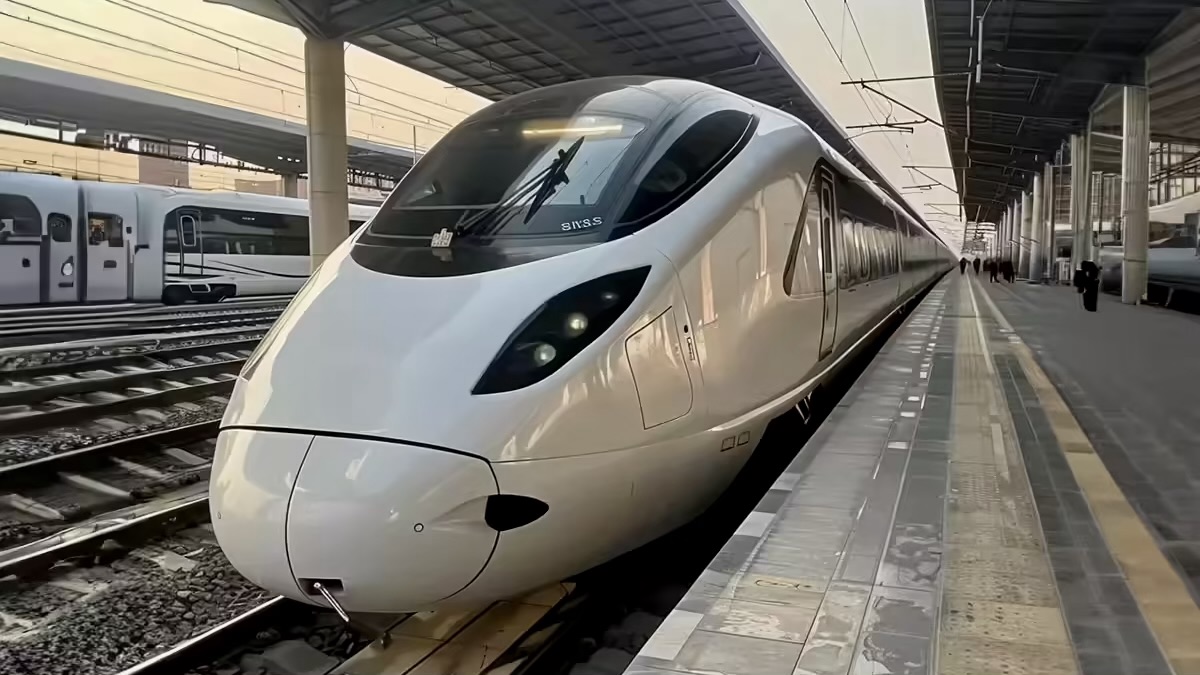
The Delhi–Varanasi high-speed rail corridor is proposed to cover nearly 812 kilometres, linking major cities across Uttar Pradesh and the National Capital Region. The route is expected to pass through Delhi, Noida, Jewar, Mathura, Agra, Etawah, Kannauj, Lucknow, Raebareli, Prayagraj, Bhadohi and Varanasi. In addition, planners have proposed a dedicated high-speed branch connecting Lucknow and Ayodhya, with a further extension towards Prayagraj. Most stations on the network are planned as elevated structures.
Project Details
- Total corridor length: Around 812 km
- Lucknow–Ayodhya branch line: Around 124 km
- Maximum design speed: 350 kmph
- Operational speed: 320 kmph
- Estimated investment: ₹2.5–3 lakh crore
Expected Travel Times
- Delhi to Lucknow: About 2 hours
- Delhi to Ayodhya: About 2 hours 50 minutes
- Delhi to Prayagraj: About 3 hours 15 minutes
- Delhi to Varanasi: About 3 hours 50 minutes
- Lucknow to Ayodhya: 25–30 minutes
- Lucknow to Prayagraj: Around 55 minutes
- Lucknow to Varanasi: Approximately 1 hour 45 minutes to 2 hours