




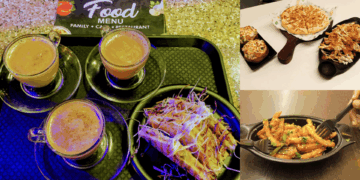
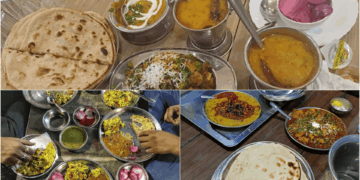




Nobody in Kanpur learned these recipes from a cookbook. They learned them by hovering near the kitchen, asking “what’s cooking” a little too often, and eventually just knowing, the way you know your own address, without ever consciously memorising it. That’s what these nine meals really are, less a menu, more a childhood. Nimona on cold evenings, buknu paratha on lazy mornings, dal ka dulha nobody outside the city has heard of and nobody inside it questions. None of this needed a food blog to survive this long. It survived because someone’s grandmother refused to let it disappear.
Satpaita
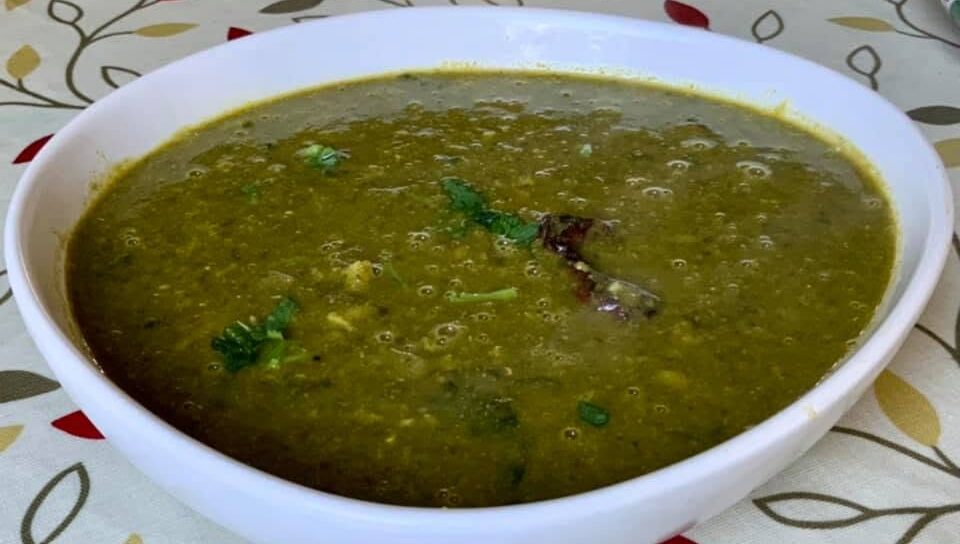
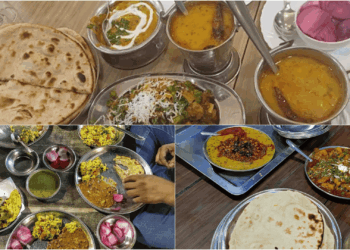
Every Kanpur household has that one winter dish nobody outside UP has heard of, and satpaita is exactly that dish. Also called sakpahita, it’s dal and greens cooked together, urad or chana dal simmered with bathua or spinach, finished with a garlic tadka hot enough to announce itself from two rooms away. It’s not trying to be fancy. It’s trying to warm you up on a foggy Kanpur morning, and it does that job better than most things claiming to be “superfoods” ever will. Ask any Kanpuriya about winter comfort food, and satpaita comes up before anything with a hashtag ever could.
Nimona
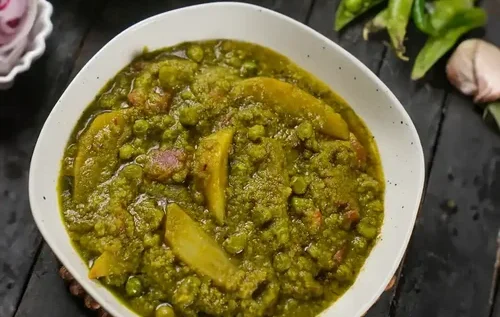
Green peas spend most of the year being the vegetable nobody fights over on the plate. Then winter hits Kanpur, and nimona turns them into the main event. Fresh peas get coarsely crushed, not blended into submission, then sautéed with ginger, garlic, and tomatoes into a gravy thick enough to hold its own against fried potato cubes simmered right in. It’s not trying to be delicate. It’s built to be scooped up with roti and finish the meal, not decorate it. Every Kanpur household has a version, and every household insists theirs is the correct one.
Urad dal ki kachori with rasa
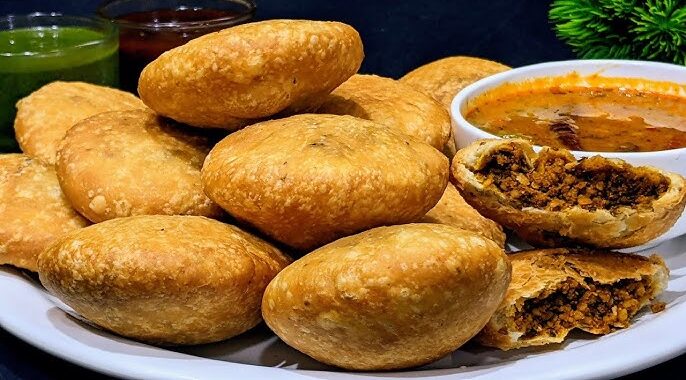
There’s a version of breakfast in Kanpur that doesn’t care about “light” or “healthy”, and nobody’s asking it to. Urad dal ki kachori is crisp, deep-fried, stuffed with spiced lentil filling, and served with rasa, a thin, fiery potato gravy that soaks in just enough to make the crunch worth mourning. It’s not a snack you eat carefully. It’s a plate you commit to, usually standing up, usually burning your tongue slightly, and going back for more anyway. Kanpur mornings run on this. Diet plans, famously, do not.
Bhakosa
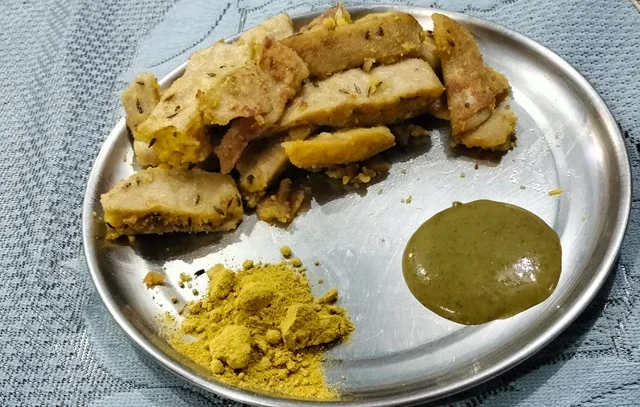
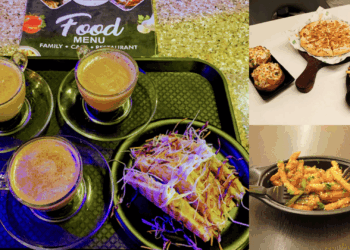
Bhakosa has never needed a “guilt-free snacking” label, mostly because Kanpur households were making it decades before that phrase existed. Crescent-shaped wheat pockets stuffed with spiced chana dal, boiled first instead of fried, then sliced and finished with a light mustard-curry leaf tempering, it’s healthy without ever trying to be, which is a rarer combination than food trends make it seem. No deep fryer, no heavy oil, no performance about it. Just dal and dough doing something right, quietly, for years, while everyone else discovered “clean eating” much later.
Aloo badi ki sabji
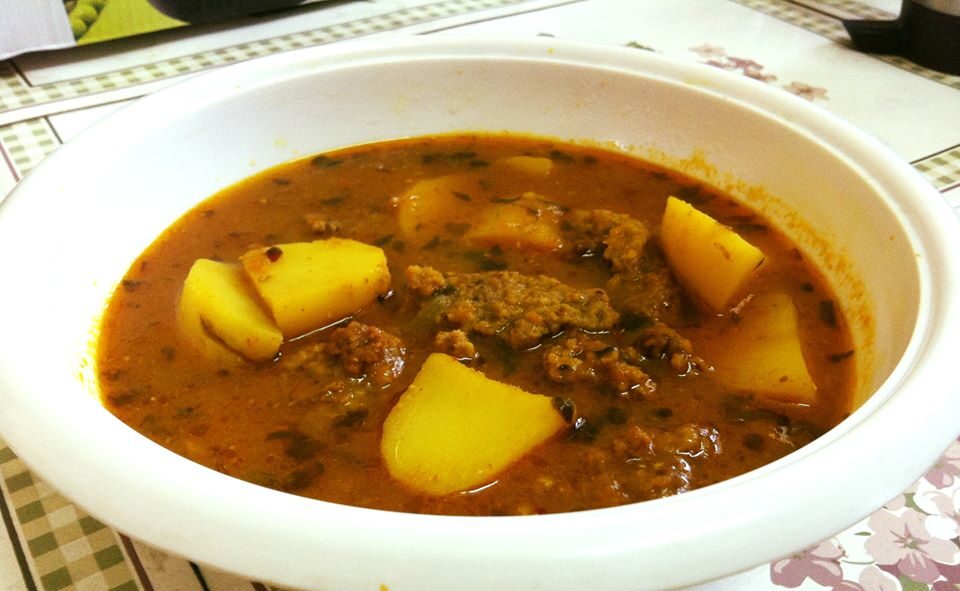
Sun-dried lentil dumplings sound like the kind of thing you’d need a special occasion for. In Kanpur, they show up on a random day, no occasion required. Aloo-badi ki sabji simmers those dried badis with potatoes in a spicy, thin broth until the dumplings soak up everything around them and turn soft in a way that’s oddly satisfying to bite into. It’s humble, it’s a little unglamorous to describe, and it’s completely irresistible in a bowl. Most households keep a stash of badis ready for exactly this, because winter, apparently, demands it eventually.
Matthe ke aloo
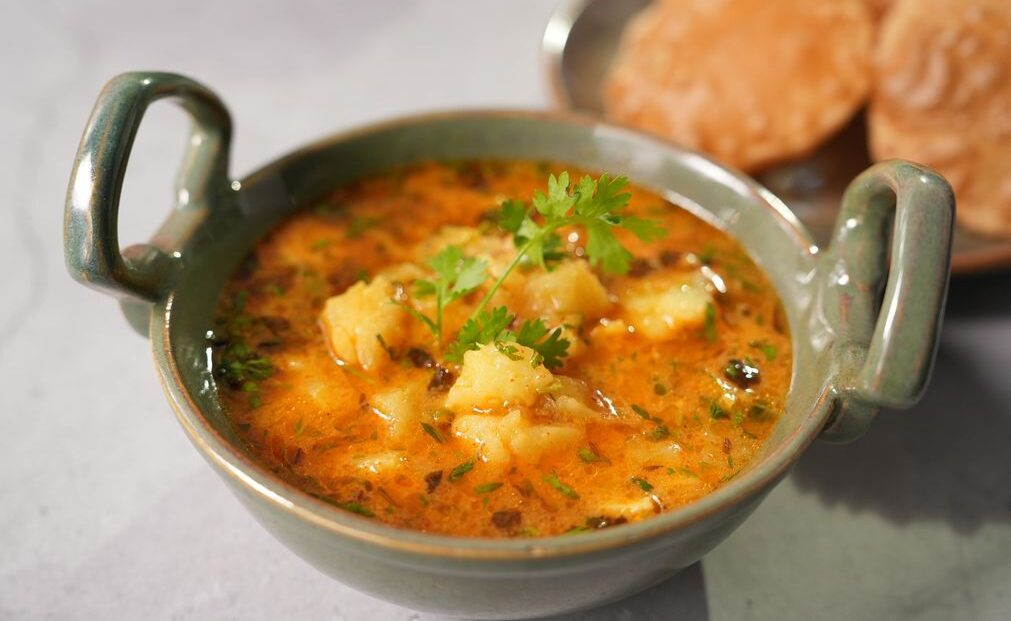
There’s a version of aloo curry that skips tomatoes entirely and goes straight for tang instead, matthe ke aloo, potatoes simmered in a spiced buttermilk or yogurt gravy until the sourness settles into something genuinely comforting rather than sharp. It’s lighter than most curries, oddly refreshing even in winter, and the kind of dish that gets made without a recipe because everyone’s grandmother already had the ratio memorized. Simple ingredients, confident flavour, no apology needed for either.
Buknu Paratha
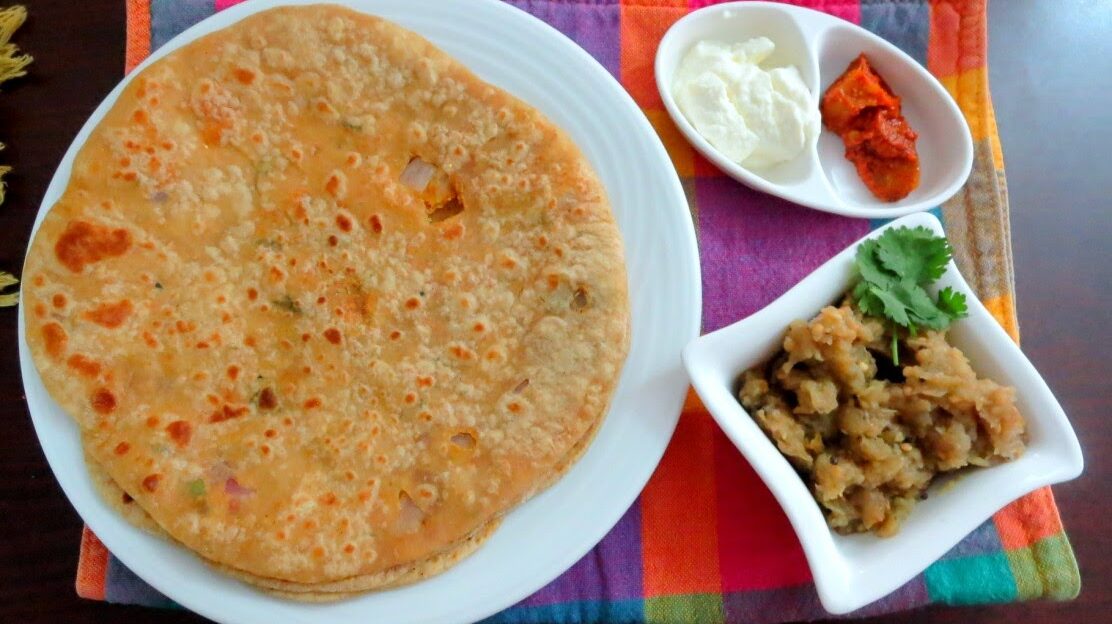
Buknu was invented to help Kanpur’s stomachs, not its breakfast game, and yet here it is, doing both. This multi-spice digestive powder, usually reached for after a heavy meal, gets kneaded straight into paratha dough, turning an ordinary flatbread flaky, sharp, and weirdly hard to stop eating. It’s the rare case of medicine actively encouraging the overeating it’s supposed to fix. Kanpur households aren’t confused by the irony. They just keep making more.
Dal ka dulha
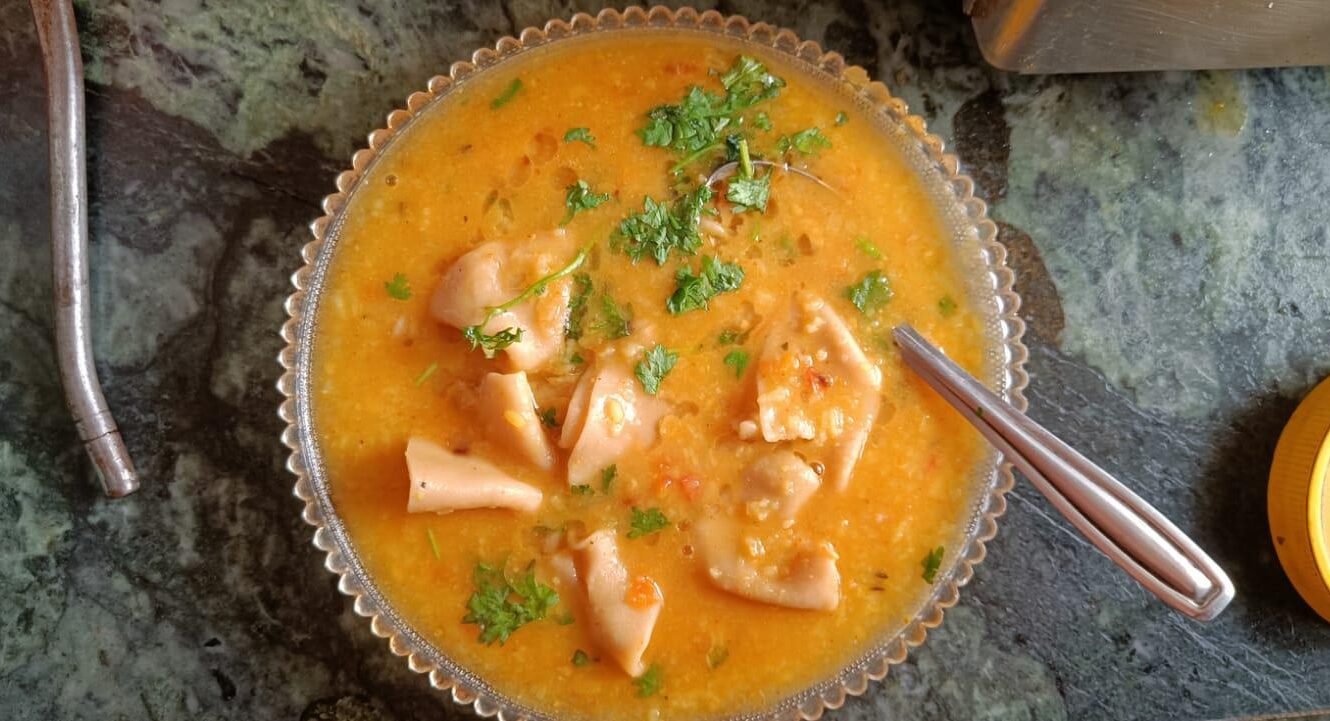
Someone, at some point, decided plain dal needed a groom, and named this dish accordingly. Dal ka dulha translates to “dal’s bridegroom,” which is a lot of ceremony for whole wheat flour dumplings shaped like flowers and simmered straight into boiling tuar dal. But the dumplings soak up flavour as they cook, the dal thickens around them, and the whole thing turns into a one-pot meal that doesn’t need a side dish or an explanation. The name raises questions. The taste answers all of them.
Suhal Aloo
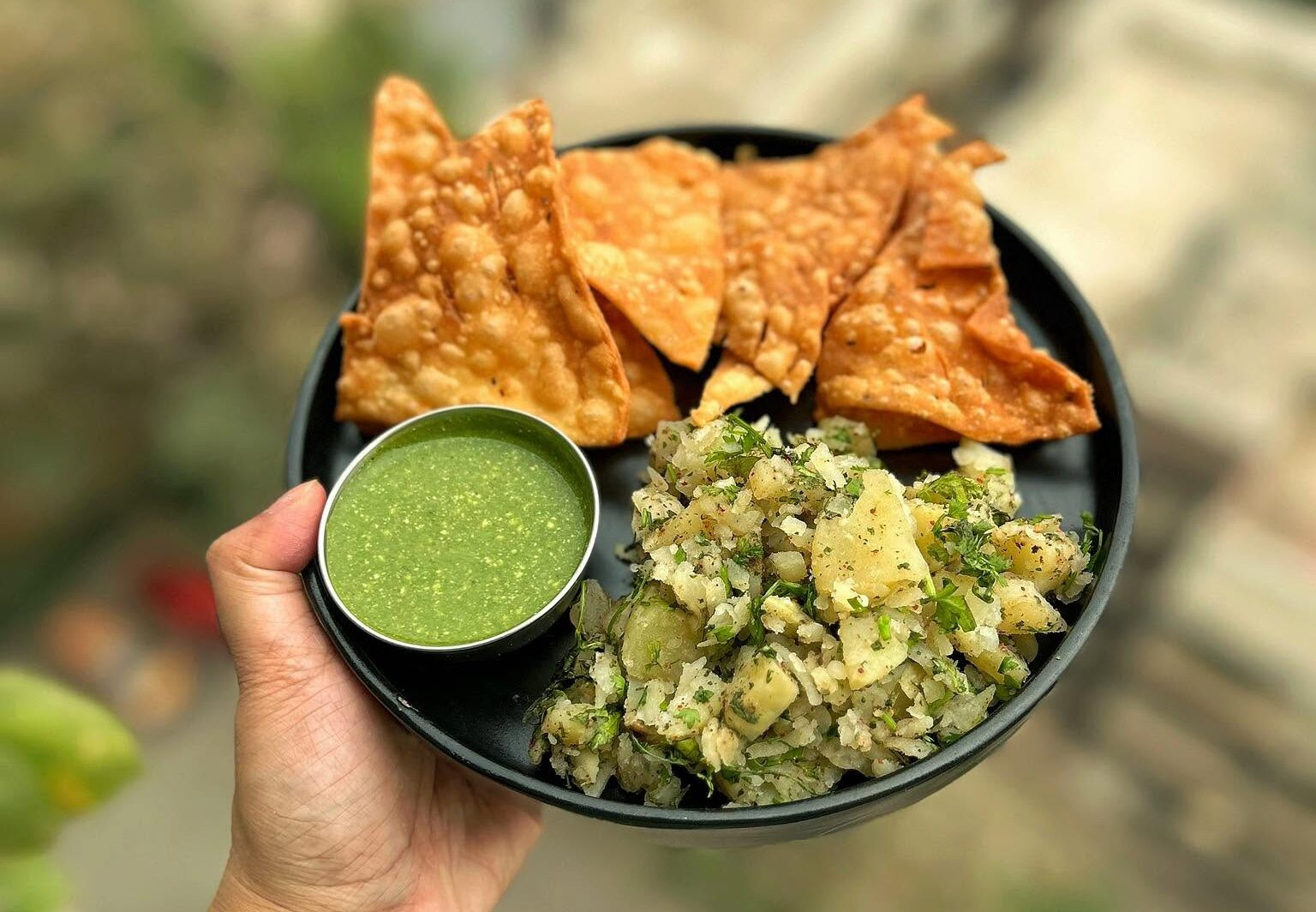
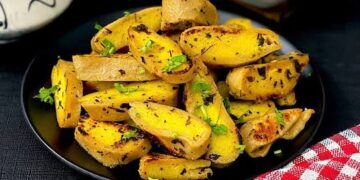
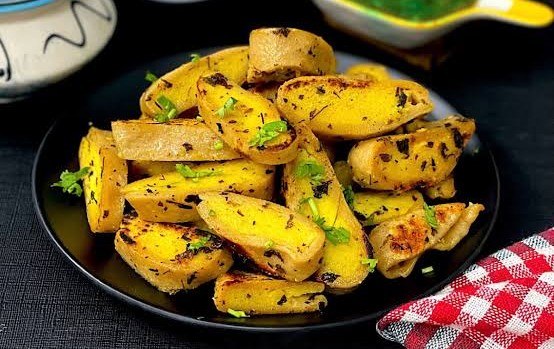
Suhal doesn’t need help from anything, it’s crisp, flaky, deep-fried, and perfectly capable of standing alone as a snack. Kanpur households pile spicy dry aloo on top of it anyway, because apparently good enough was never really the goal. Suhal aloo takes those crackers, breaks them slightly, and buries them under a punchy potato preparation until the crunch and the spice start fighting for attention in the same bite. It’s messier than it needs to be, it’s also better than it has any right to be.