












Scattered across Lucknow’s landscape like chapters of an unfinished novel, the city’s colonial-era structures carry the full weight of a turbulent, fascinating era. Blending Gothic, Indo-Saracenic, Victorian and Art Deco influences, these timeless structures have become deeply woven into Lucknow’s cultural and architectural identity. Here are 9 such icons worth admiring:
La Martiniere College
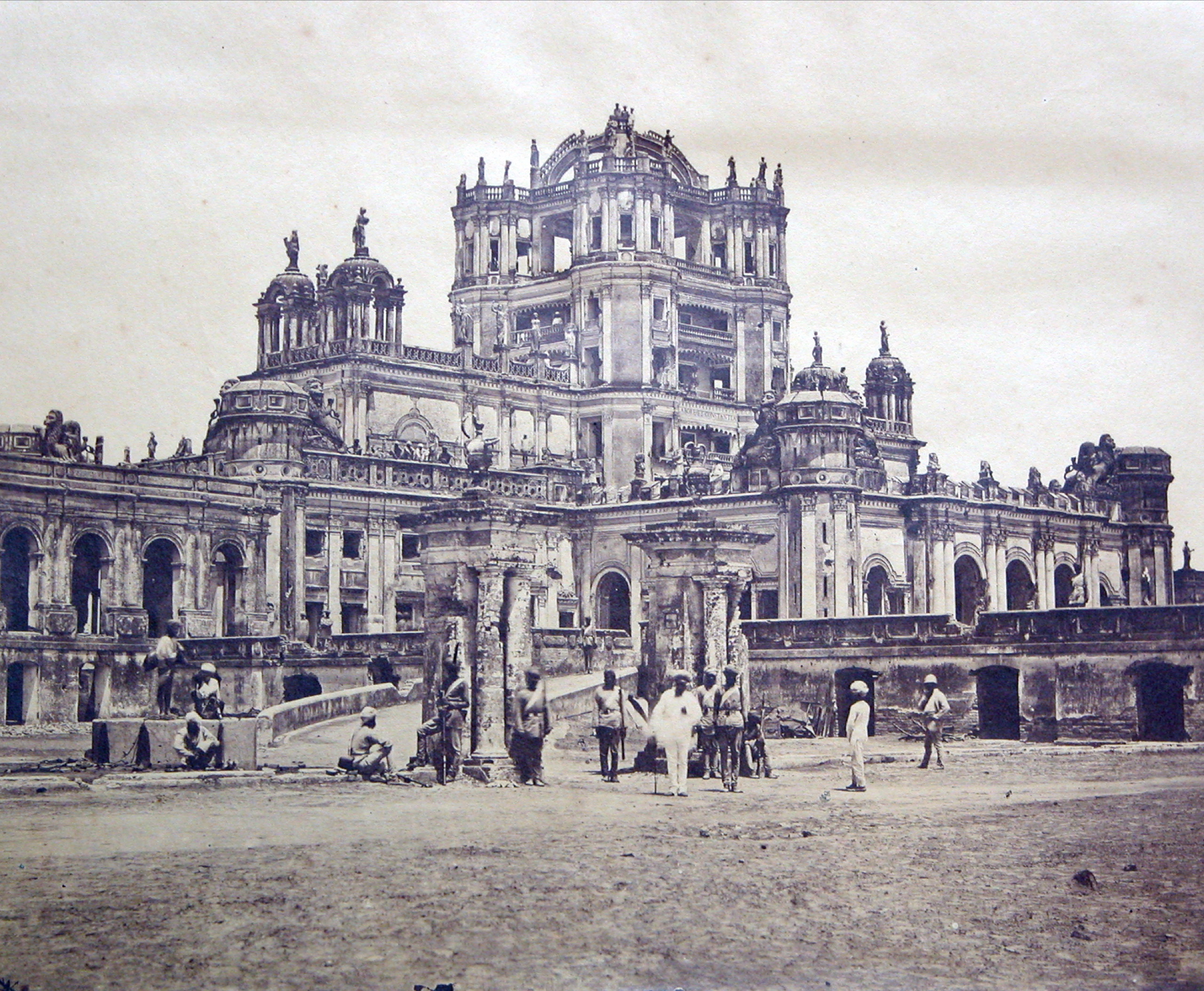
Rising majestically above Lucknow’s skyline, La Martiniere College is a colonial masterpiece unlike any other. Built in 1785 by the eccentric French-born Major-General Claude Martin as his private residence “Constantia,” this architectural marvel seamlessly fuses European Baroque grandeur with Indian craftsmanship. Witness to the tumultuous 1857 Uprising, its towering columns and ornate domed facade continue to echo centuries of history, culture, and elite education.
Dilkusha Kothi
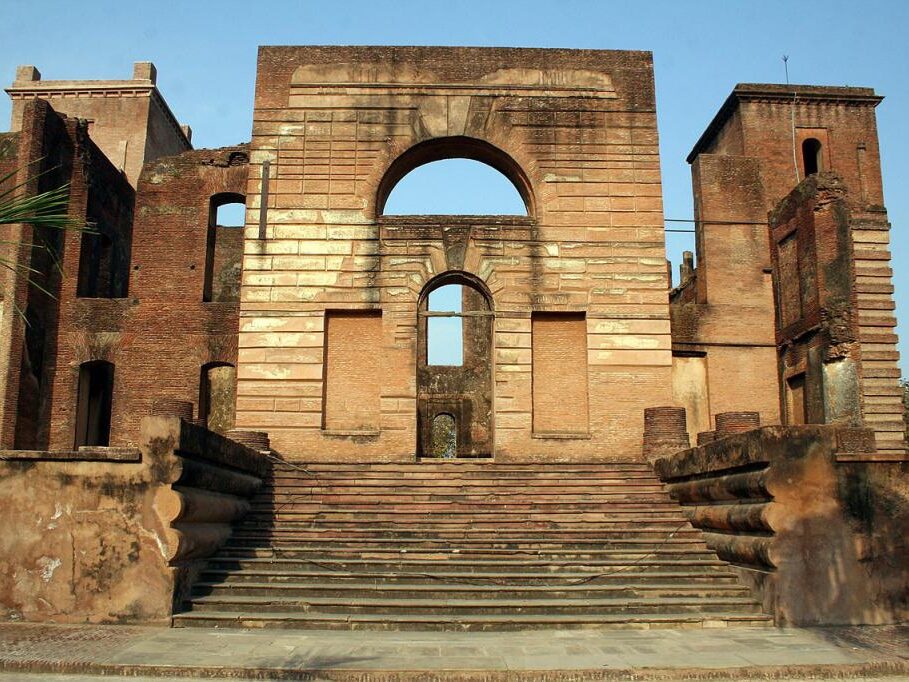
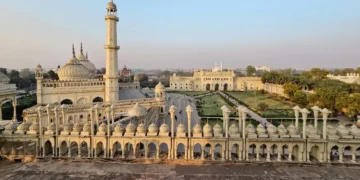
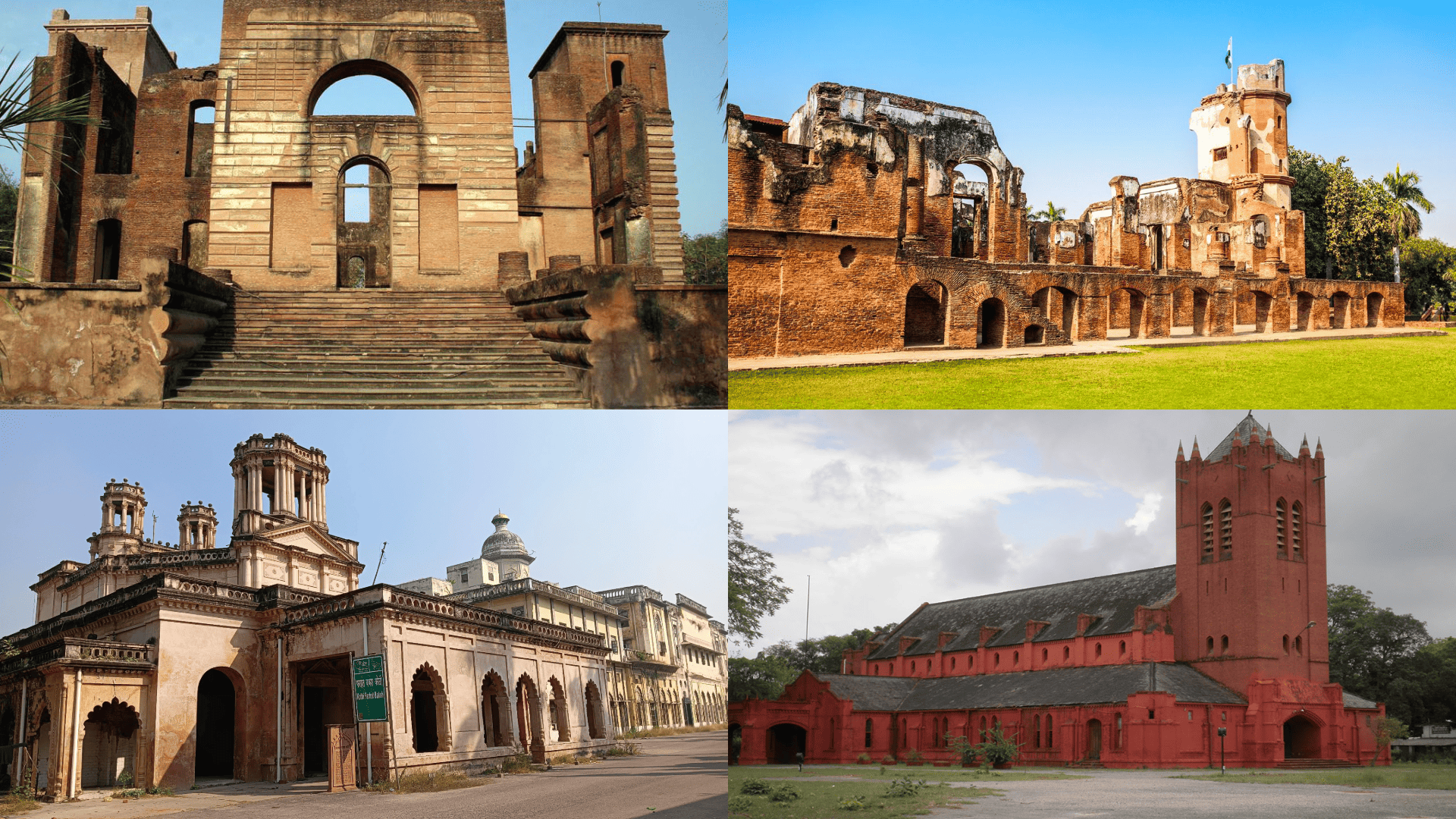
Frozen in time amid Lucknow’s landscape, Dilkusha Kothi stands as a hauntingly beautiful ruin whispering tales of Nawabi splendour and colonial ambition. Built around 1800 by British Resident Major Gore Ouseley for Nawab Saadat Ali Khan, this Anglo-Indian Baroque hunting lodge eerily mirrors England’s Seaton Delaval Hall. Scarred by the fierce battles of 1857, its crumbling corner towers and weathered Lakhori brick walls remain a compelling testament to Awadh’s layered history.
St. Joseph Cathedral
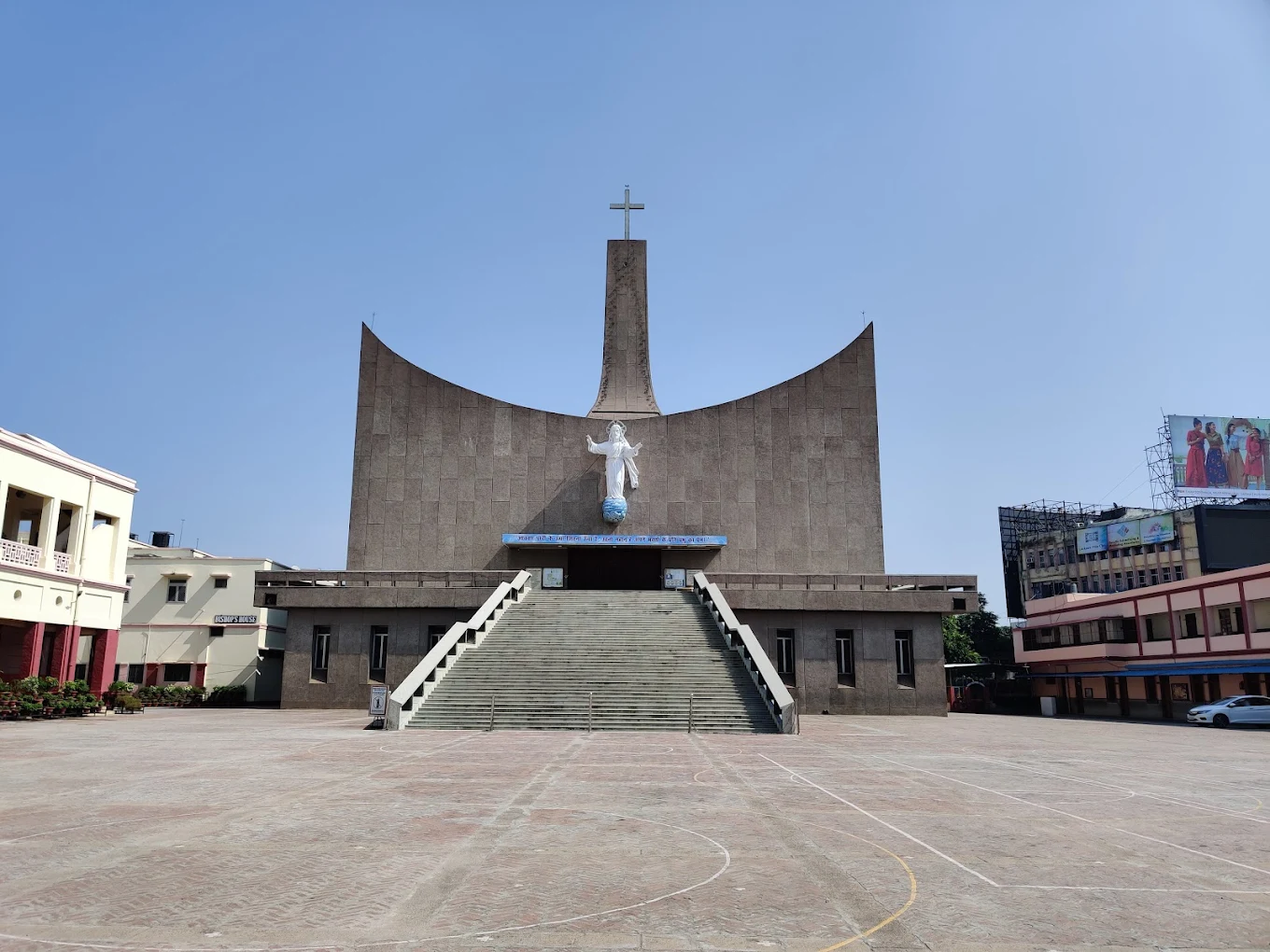
Lucknow’s colonial past has a way of sneaking up on you, and Cathedral School in Hazratganj is a perfect example. Tied to the stunning Gothic-style St. Joseph’s Cathedral, this site has been standing since 1860, when Irish priest Rev. Fr. William Gleeson first put down roots here. From orphanage to high school to the beloved institution it is today, this place isn’t just a school, it’s living, breathing history.
The Residency
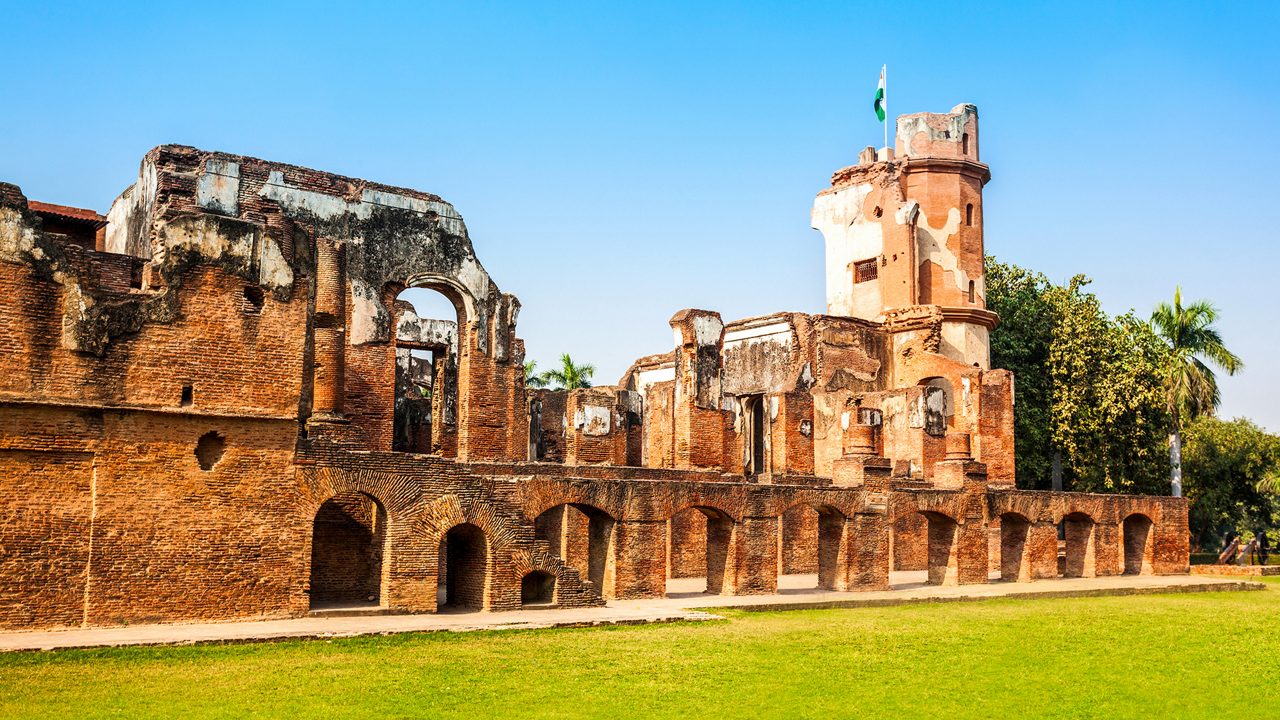
No structure in Lucknow speaks louder than its ruins. Built between 1780 and 1800 by Nawab Asaf-ud-Daula, the Residency once epitomised the grandeur of British colonial presence in Awadh. Then came 1857, and with it, one of history’s most legendary sieges. Today, its bullet-scarred walls, crumbling verandahs, and sunken tehkhanas stand frozen in defiant silence, preserved by the ASI as an eternal memorial to rebellion and resilience.
Hussainabad Clock Tower
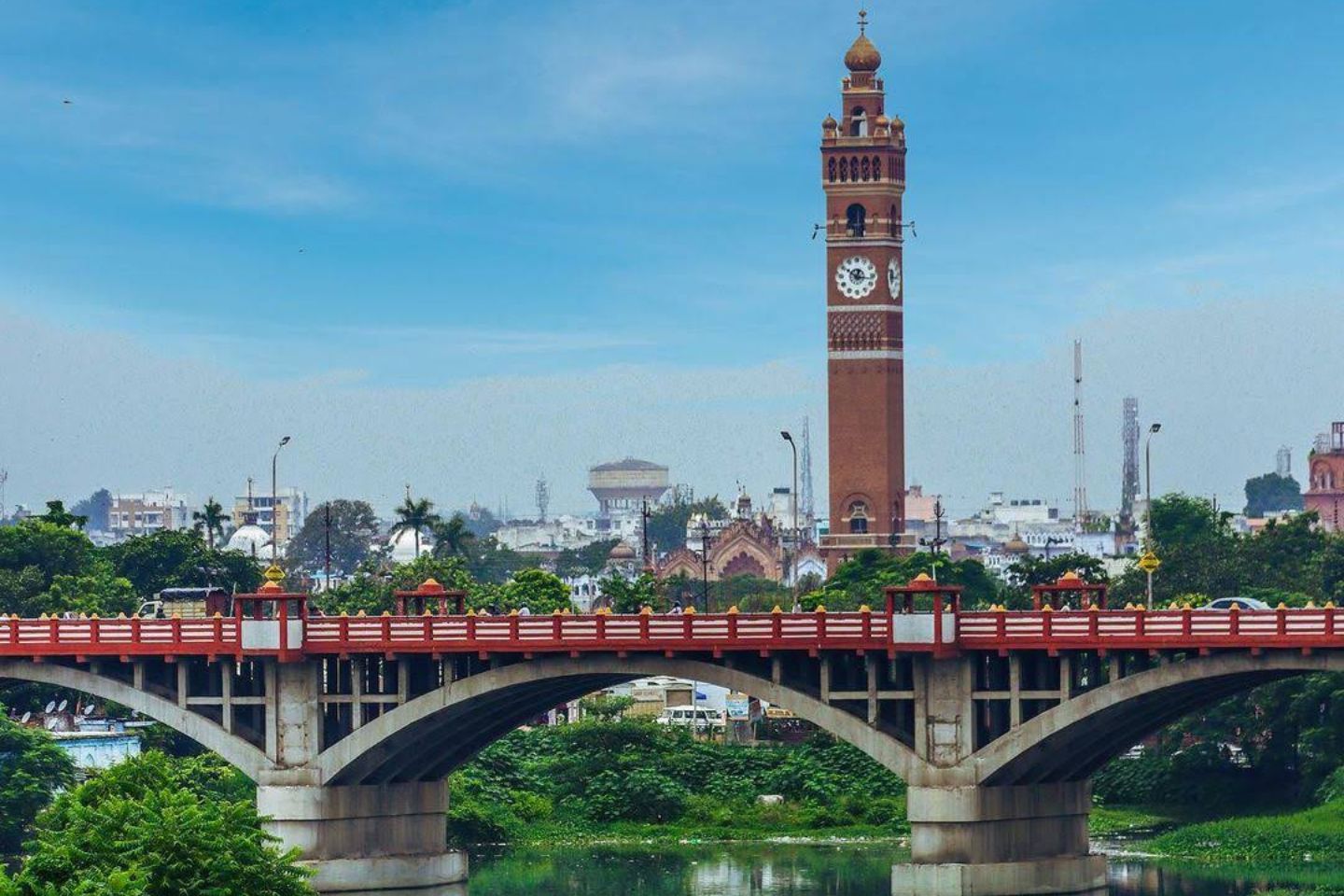
At the stroke of every hour, Lucknow’s most theatrical timekeeper announces itself. Standing 221 feet tall since 1881, the Hussainabad Clock Tower was built to mark Sir George Couper’s arrival, and has refused to be ignored ever since. Designed by Richard Roskell Bayne in flamboyant Victorian-Gothic style, its soaring red brick spires, gilded flower dial, and 14-foot pendulum make India’s tallest clock tower an unmissable colonial landmark.
All Saints Garrison Church
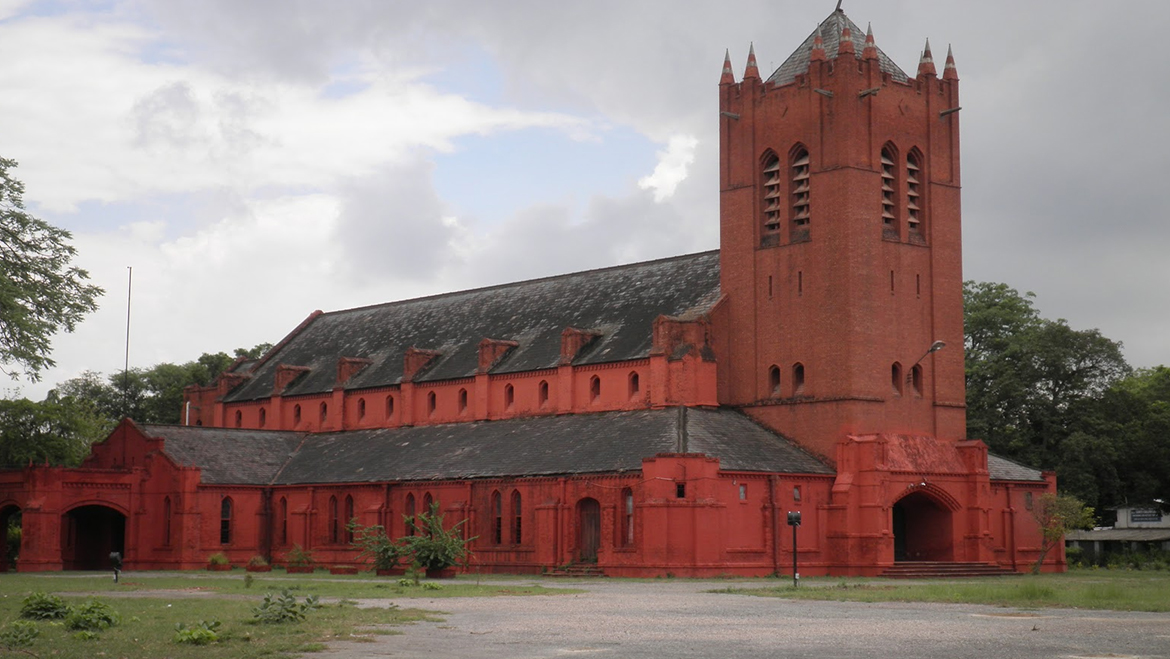
Tucked within Lucknow’s Cantonment on M.G. Road, All Saints Garrison Church is a striking 1911 Gothic Revival structure whose beauty runs deeper than its Oxford-inspired spires and stained-glass windows. Look closely at the pews; each bench bears a niche carved specifically to hold a soldier’s weapon. Devotion and duty, it seems, were never meant to be separated here.
Ring Theatre (GPO)
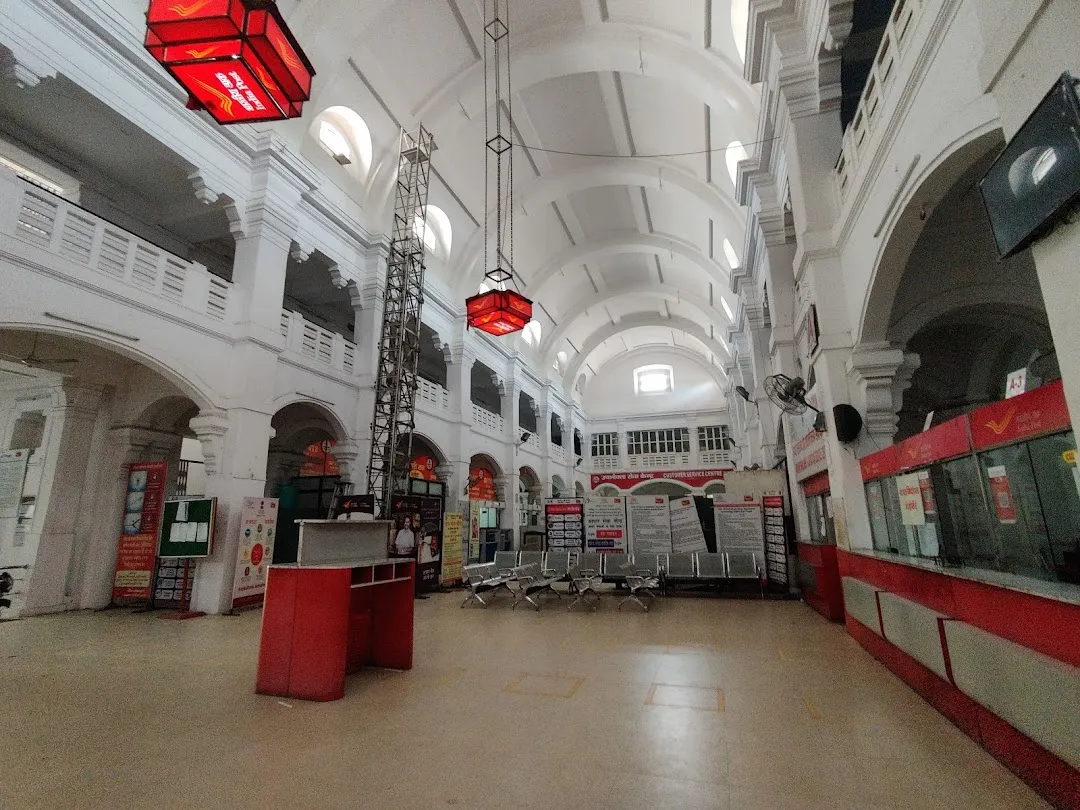
The sign once read “Dogs and Indians not allowed”; today, millions of Indians walk through its doors freely. Lucknow’s GPO in Hazratganj holds perhaps the most poetic reversal in colonial history, once the exclusive “Ring Theatre” entertaining British officers with plays and films, this Gothic red-brick landmark with its commanding four-faced clock tower has transformed from a fortress of exclusion into the city’s beating postal heart.
Charbagh Railway Station
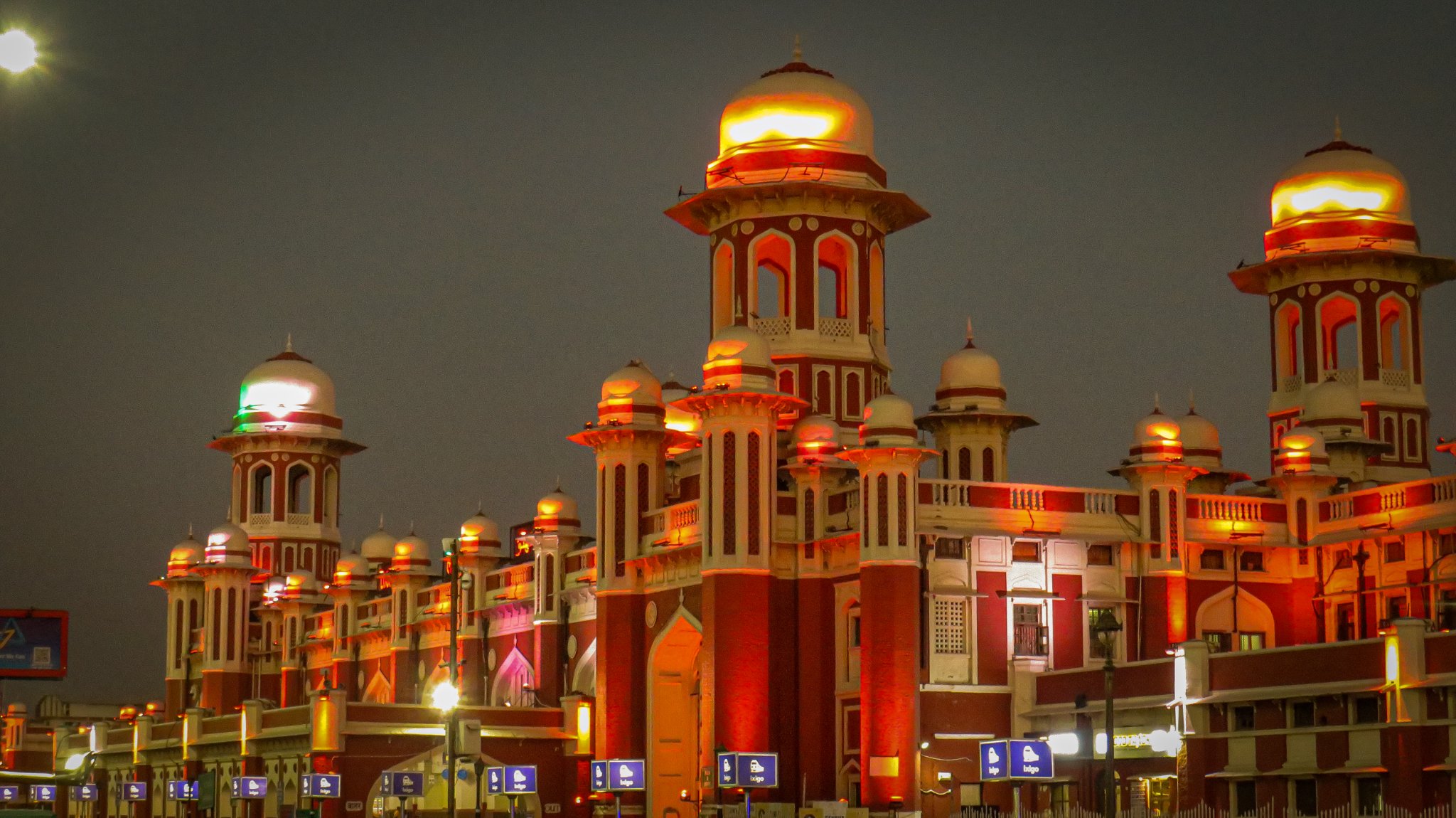
Arrive in Lucknow, and the city announces itself before you’ve even stepped outside. Designed by J.H. Horniman and inaugurated in 1925, Charbagh Railway Station stuns before a single bag is collected. Its soaring Mughal domes, Rajput turrets, and Indo-Saracenic arched verandahs form a red-brick symphony unlike any station in India. Viewed from above, the H-shaped heritage landmark transforms into a breathtaking chessboard, a fitting first move in Lucknow’s architectural game.
Farhat Baksh Kothi
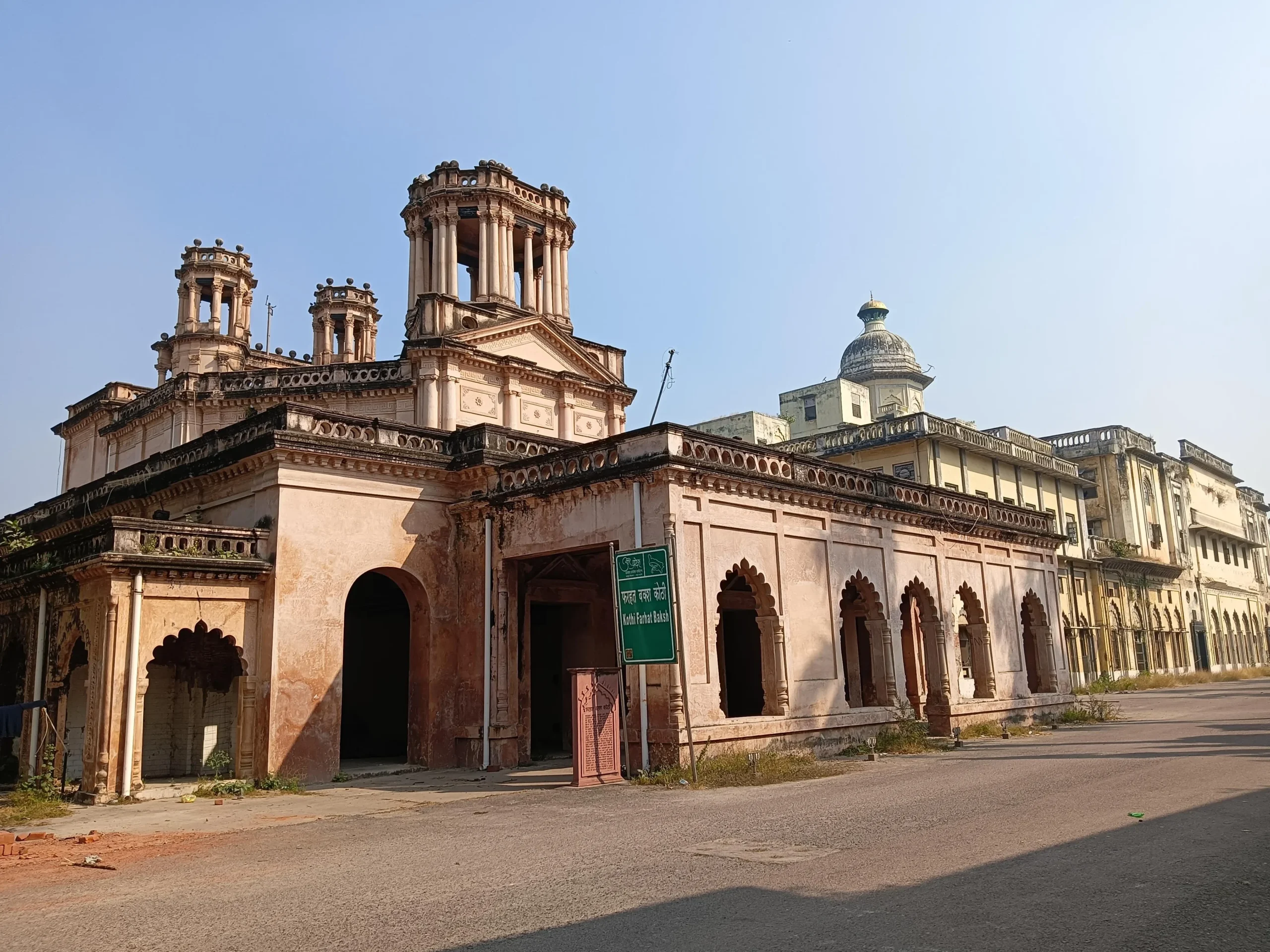
Before Claude Martin built his legendary Constantia, he built Farhat Baksh. Erected in 1781 as “Martin Villa,” this Indo-French waterfront masterpiece was Lucknow’s first glimpse of European architecture, its cool riverside basements, arched facades, and rooftop telescopes unlike anything the city had seen. Later purchased by Nawab Saadat Ali Khan and renamed “bestower of happiness,” this quietly magnificent kothi now awaits its own renaissance as a future museum.