






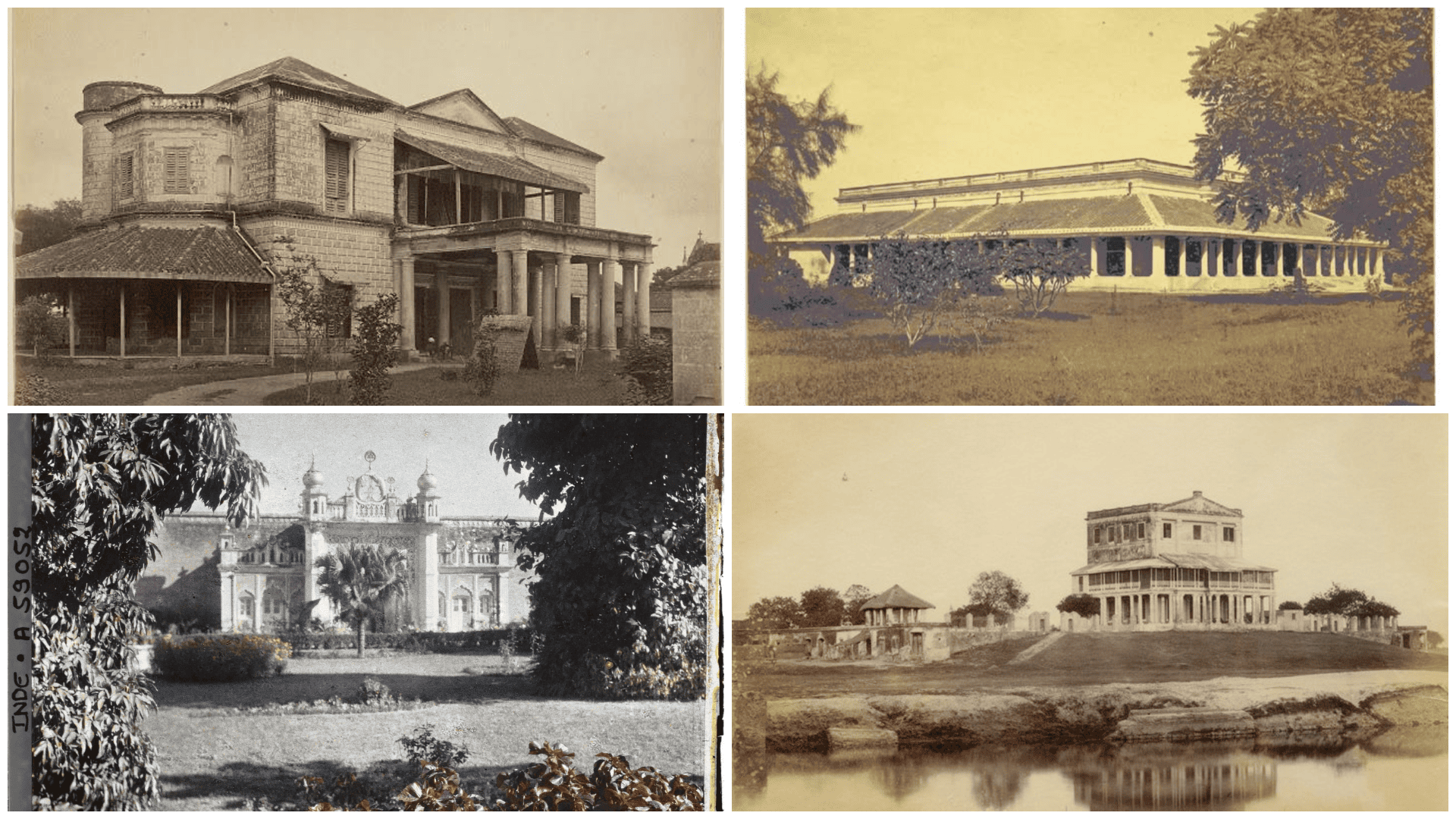
You’ve probably walked past some of these places without ever knowing what stood there before. Lucknow has a strange way of hiding its own history, a government building with a forgotten story, a familiar traffic circle that once witnessed something dramatic, a colony built over what was once a landmark. Beneath the everyday rush are tales of forts destroyed to keep enemies away, palaces designed like puzzles before being torn down, and beloved shops that chose to close rather than fade away. These places may not exist in their old form anymore, but their stories are still buried in the city’s streets. Here are 9 lost landmarks of Lucknow that deserve to be remembered.
Machhi Bhawan
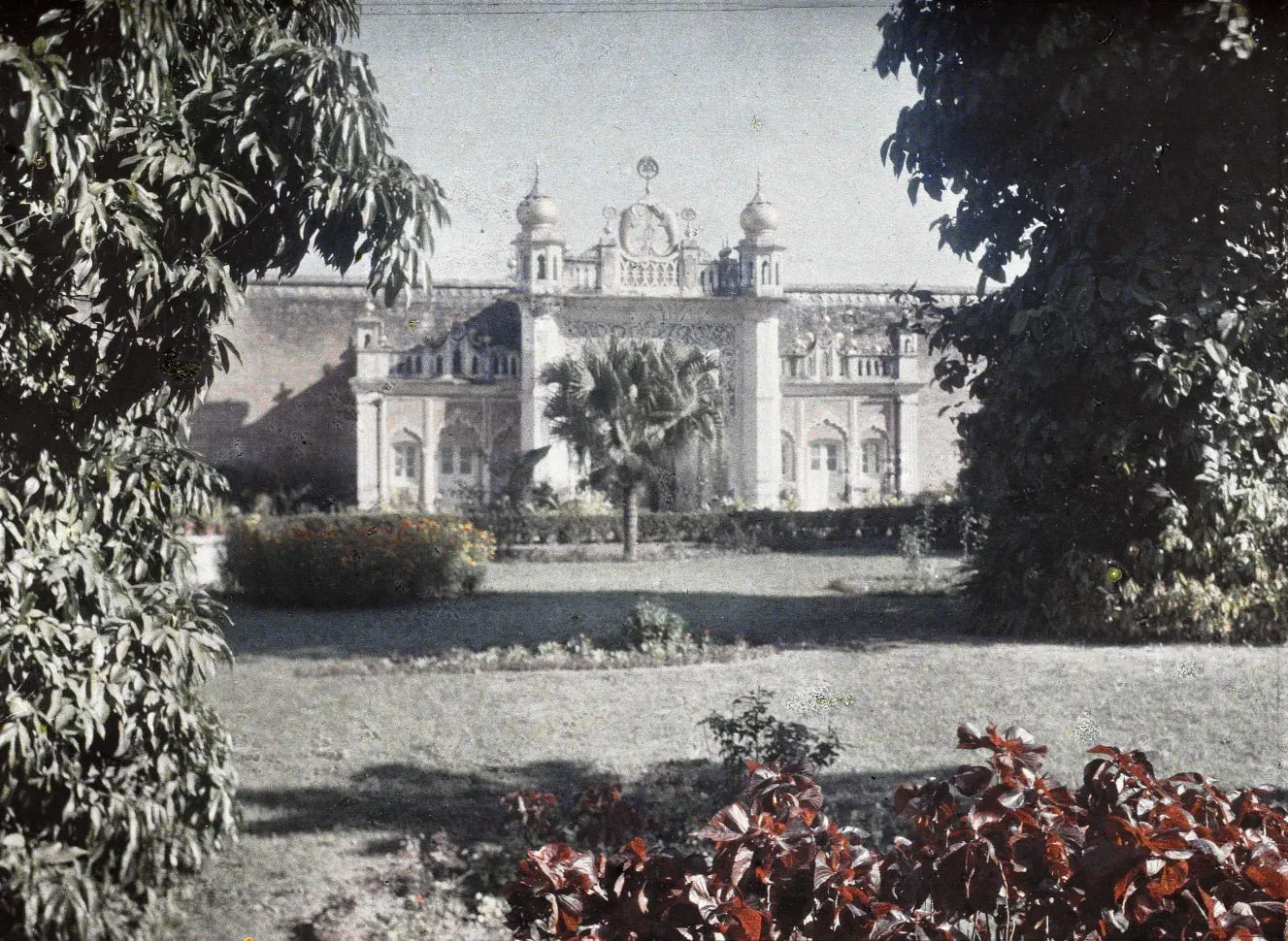
Macchi Bhawan doesn’t exist anymore, but you’ve probably seen it anyway, on a government letterhead, a police badge, some official seal you glanced at and forgot. The fort where Akbar’s governor first raised those twin fish emblems is gone, blown sky-high by the British in 1857 rather than surrendered. KGMU sits on its ashes now, churning out doctors with zero clue about the armoury under their feet. But those 52 fish outlived the walls, the Nawabs, and the siege itself, quietly swimming their way onto UP’s crests, still very much alive while the fort that birthed them is just rubble and a stepwell.
Darul Shafa
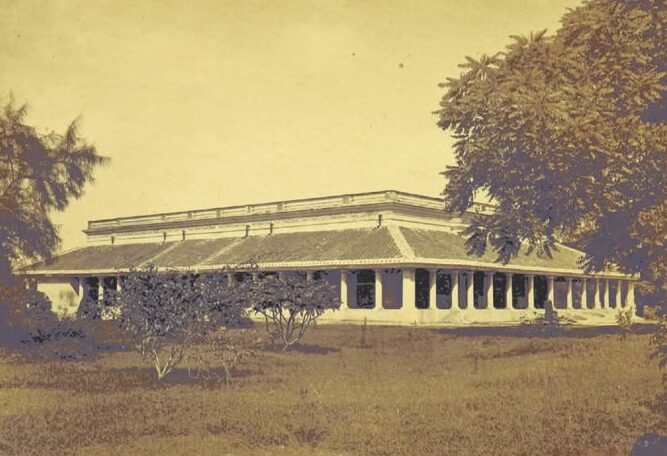
Darul Shafa was built to heal Lucknow’s sick. Today, it houses the people who write laws for it, same name, entirely different patients. Nawab Nasir-ud-din Haider set it up in 1827 as an allopathic hospital, buying the land off a Spanish agent tied to Claude Martin himself. Before that, it was even meant as a free dispensary for the poor, though Awadh’s court ladies had other plans for the space. Post-independence, the old buildings came down, and an MLA residential complex went up in their place, keeping the name as the only surviving prescription. Right in Hazratganj, still treating power as the ailment of choice.
Kankar Wali Kothi
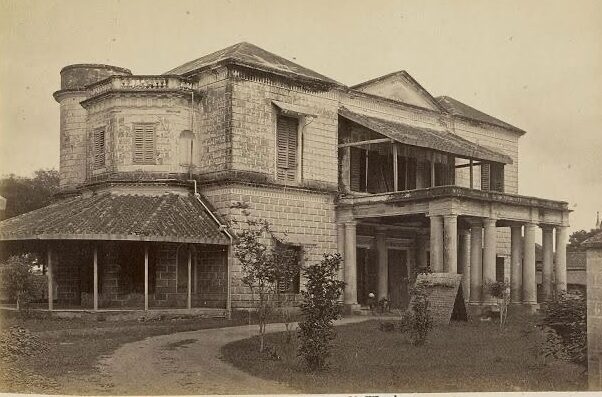
Kankar Wali Kothi was named after crushed rubble on its walls, which feels almost too fitting for a building that eventually became rubble itself. Nawab Saadat Ali Khan built it as part of his Calcutta-inspired experiment, European facades muscling in on a skyline used to domes and arches. It housed royal wives at one point, then got repurposed as a British magistrate’s office once Awadh was annexed, because nothing says colonial takeover quite like moving into someone else’s mansion. By the 20th century, the kothi was gone, and Halwasiya Court came up in its place. Hazratganj kept the address, it lost the memory.
Bruce Bridge (Monkey Bridge)
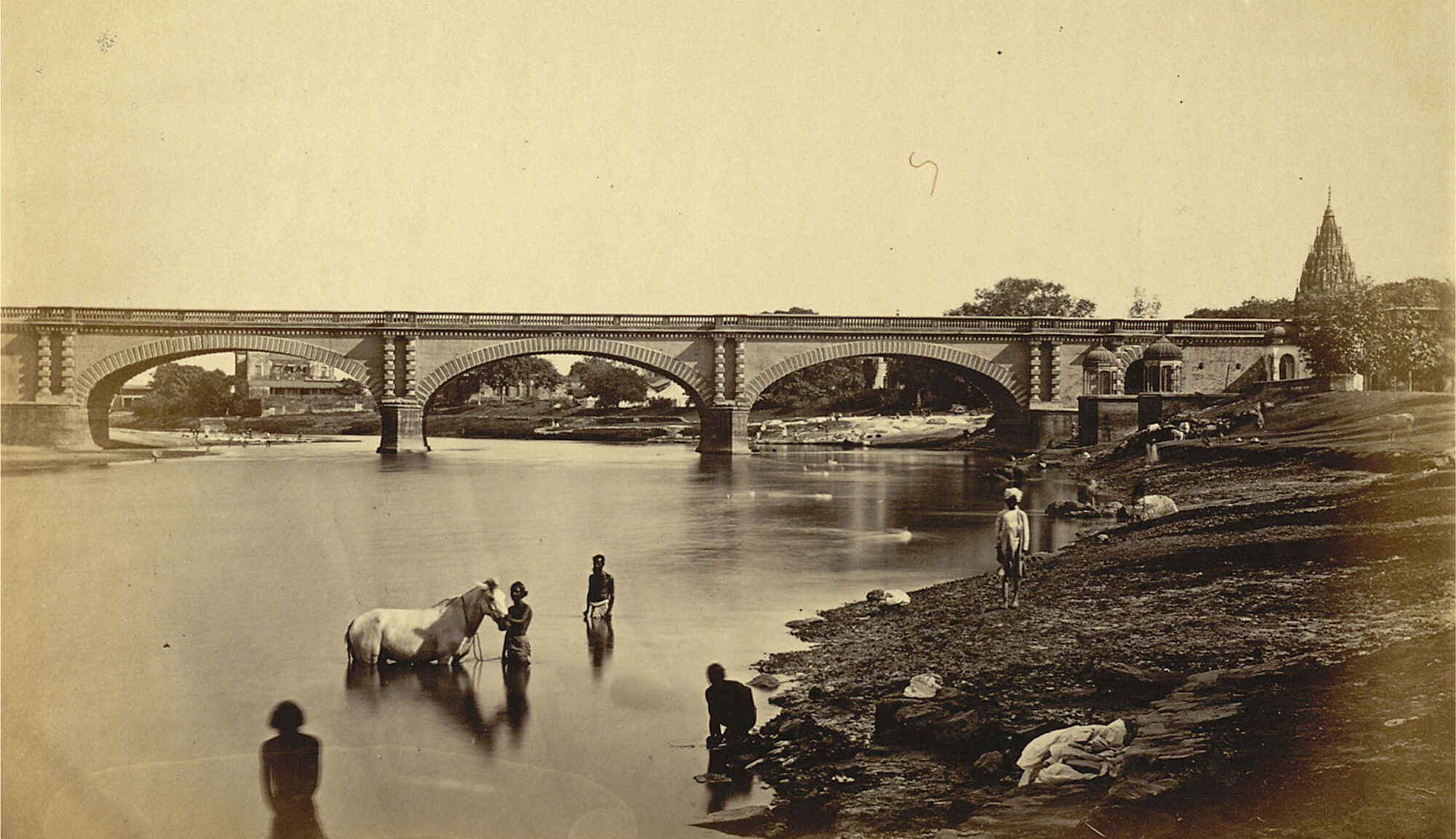
Monkey Bridge sounds like a nickname a kid made up, and honestly, the monkeys earned it fair. Built in 1866 by William Duff Bruce to give Lucknow a permanent crossing after the makeshift “bridge of boats” era, it linked Kaiserbagh and Chattar Manzil to the university’s side of the Gomti in solid stone and three sturdy arches. Solid, until the monsoon disagreed, the design borrowed tidal-river logic for a river that flooded on its own terms, and by 1870 the north pier was already paying for it. The bridge is functionally gone now, but bits of it still poke out near Hanuman Setu, refusing to fully disappear.
Dilaram Kothi
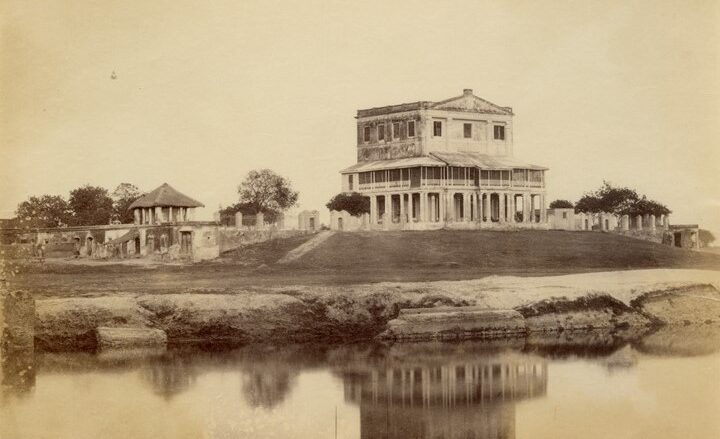
“Dilaram” translates roughly to “heart’s rest”, a peaceful name for a building that ended up hosting one of 1857’s ugliest firefights. Nawab Saadat Ali Khan built it as a graceful hybrid of Awadhi arches and British pediments, sitting pretty across the river from Chattar Manzil. Then the Uprising turned it into a gun battery, with sepoys using its elevation to hammer the British holed up at the Residency, until Colin Campbell’s Highlanders stormed the position and took it back. The kothi technically survived the shelling. It just didn’t survive the decades of neglect afterwards, today there’s nothing left to prove it was ever there at all.
Badshah Bagh
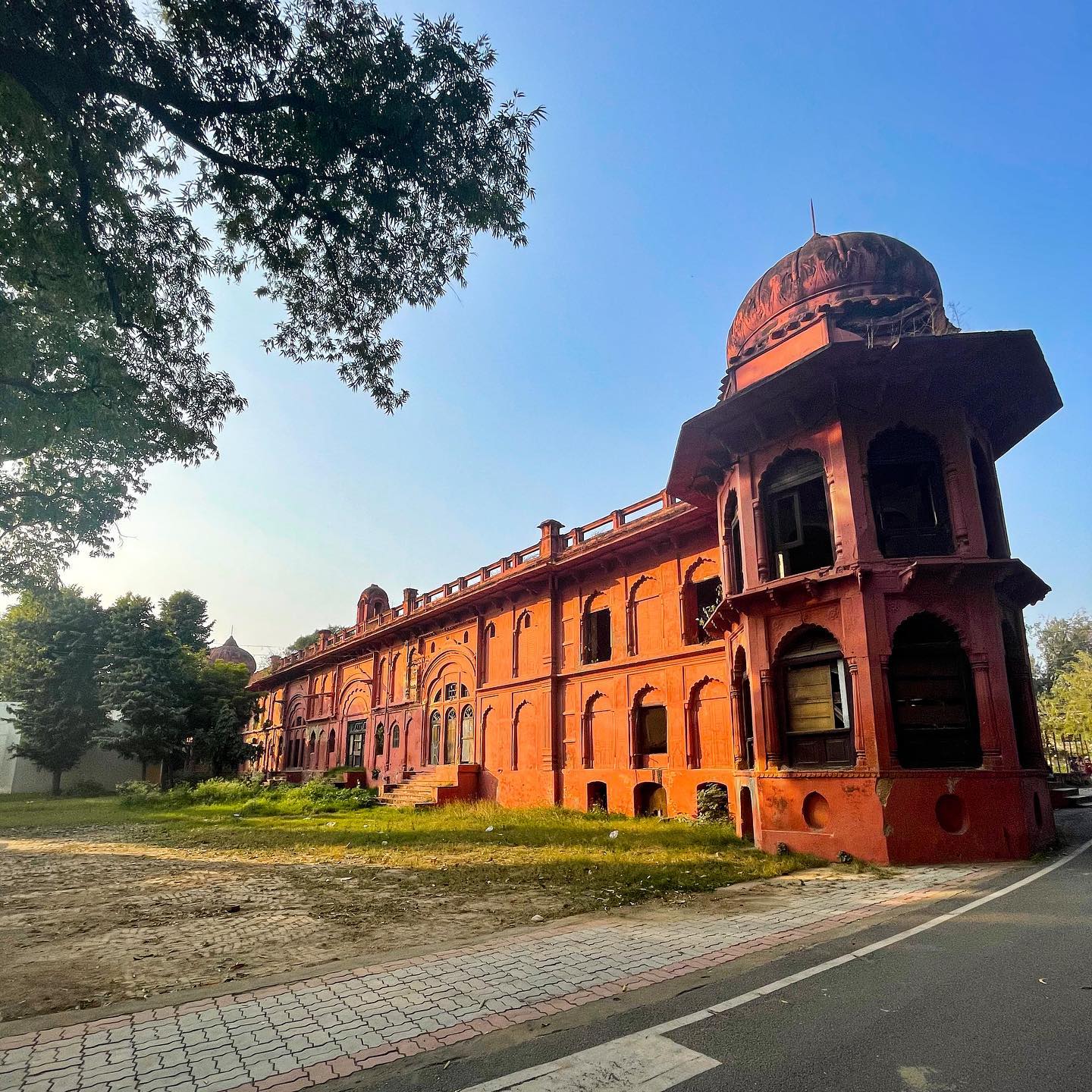
Somewhere in the University of Lucknow’s paperwork is a lease that cost the Maharaja of Kapurthala exactly ₹3 a year, for what used to be a royal garden reachable only by boat. Ghazi-ud-Din Haider built Badshah Bagh for his wife, his son finished it, and for decades it stayed a private retreat for Awadh’s queens crossing over from Chattar Manzil. Then 1857 happened, the British took over, Kapurthala bought it next, and instead of keeping it exclusive, he leased 90 acres to Canning College for pocket change. That college became Lucknow University in 1922. Best real estate deal the city never remembers making. Today, the Badshah Bagh Baradari still stands within the Lucknow University campus as a small remnant of what once existed. Now dilapidated beyond repair, its walls continue to crumble with little hope of restoration, left only to weather away and eventually disappear within the next few years.
Original Kaiserbagh Palace Complex
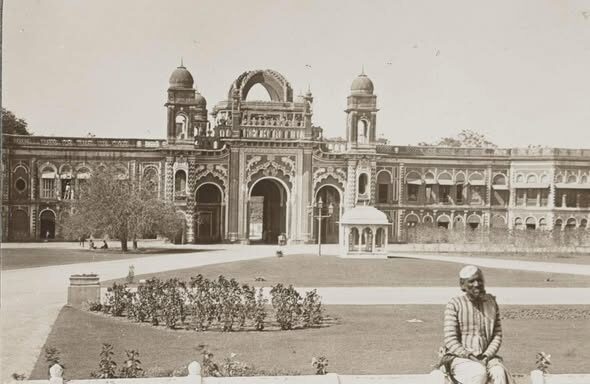
Wajid Ali Shah built himself a maze on purpose, Kaiserbagh’s pathways zigzagged deliberately, meant to disorient anyone who wasn’t royalty. It lasted less than ten years as intended. Once the British exiled him to Calcutta, Begum Hazrat Mahal turned the same palace into a war room, running the 1857 resistance from inside its walls, until Colin Campbell’s forces stormed through and the British tore most of it down out of pure spite. What survives is scattered: Safed Baradari still hosts exhibitions, a few gateways and tombs still stand, and the rest is now just traffic circling Kaiserbagh Chauraha, unaware it’s driving through a palace.
Mayfair Cinema
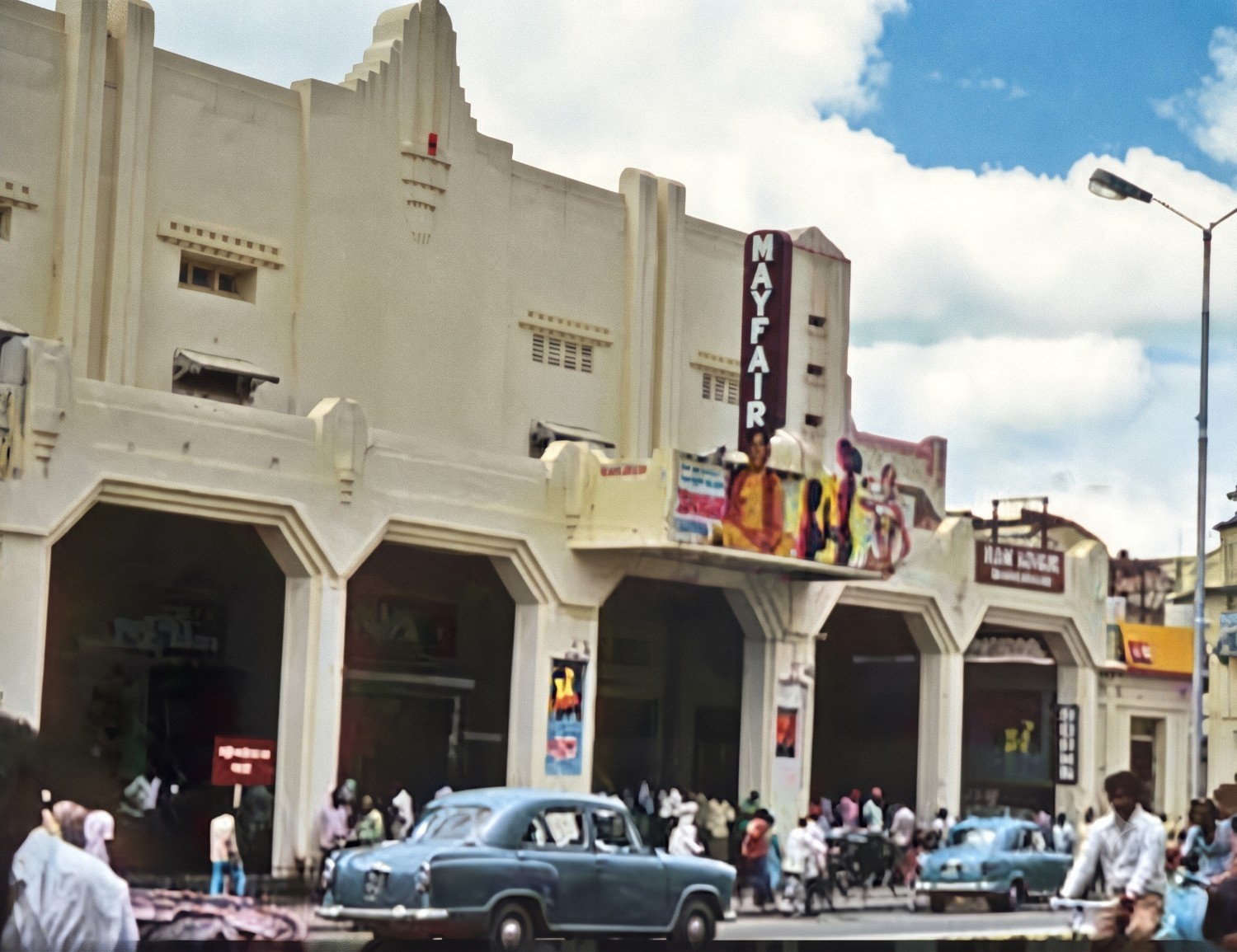
For over 30 years, Mayfair Cinema refused to play a single Hindi film, Hollywood only, until Pakeezah in 1972 finally broke its own rule. Named almost by accident (Thadani was set on “Metropole” until the last minute), it opened in 1939 and quickly became Hazratganj’s centrepiece, packed with soldiers during WWII and regulars who’d hit Kwality’s sizzlers or Ram Advani Booksellers on the same trip. The whole ecosystem ran on that kind of loyalty. Then in 1996, it just stopped, no warning, no grand send-off. The building still boasts its original signage, but the cinema no longer exists within.
Ram Advani Booksellers
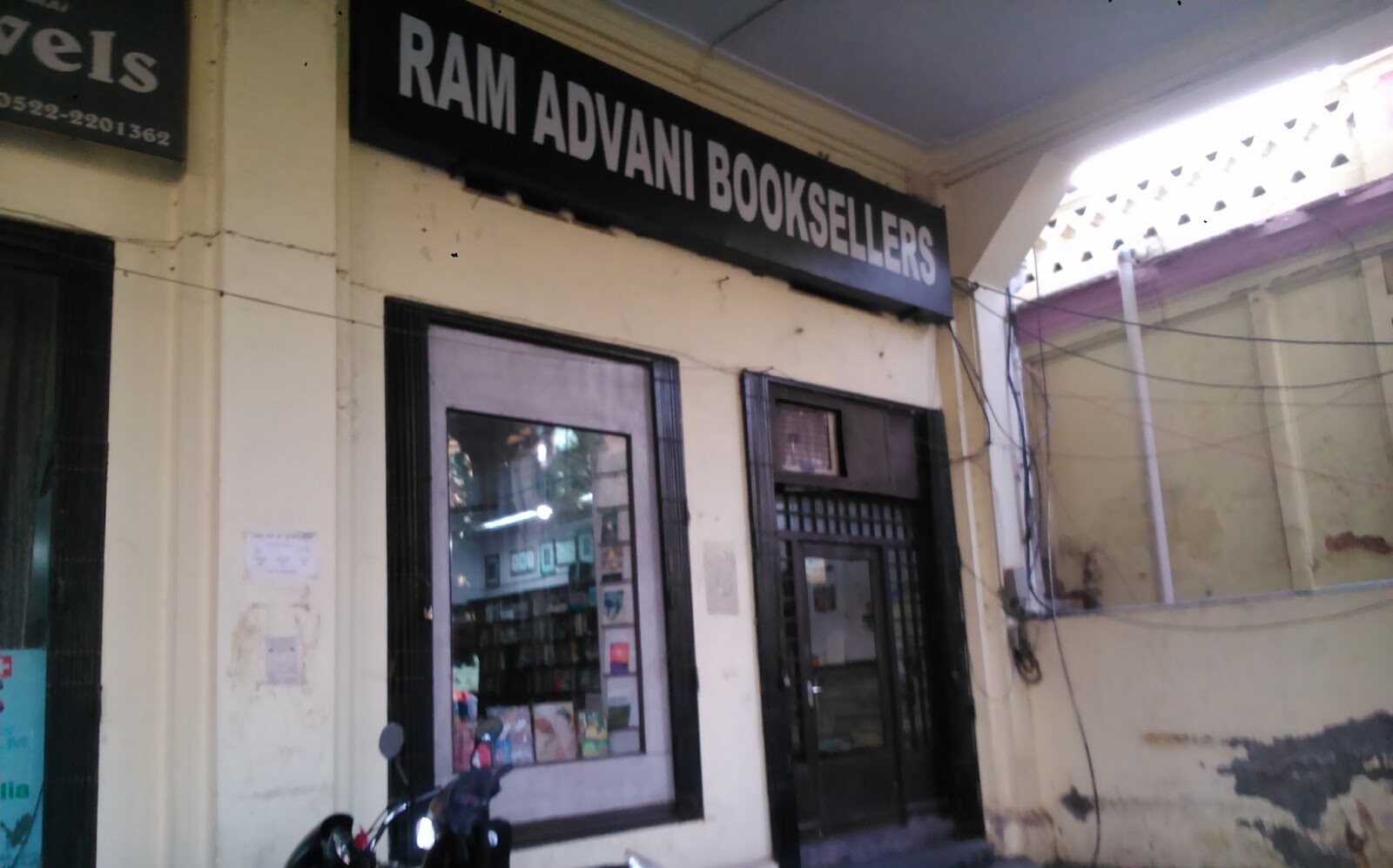
A bookstore that outlived the empire’s libraries, the cinema next door, and half of Hazratganj’s old guard, and still chose to die on its own terms. Ram Advani opened two weeks late in 1948, delayed by the nation’s mourning for Gandhi, and spent the next 71 years running the shop less like a business and more like an open invitation: buy a franchise, strip the fancy name, let historians researching Awadh treat his mezzanine like a second office. When he passed in 2016 at 95, his family didn’t hand the legacy to strangers, they simply closed the door and even donated the books to charity. No decline, no sale. Just an ending, chosen deliberately.