





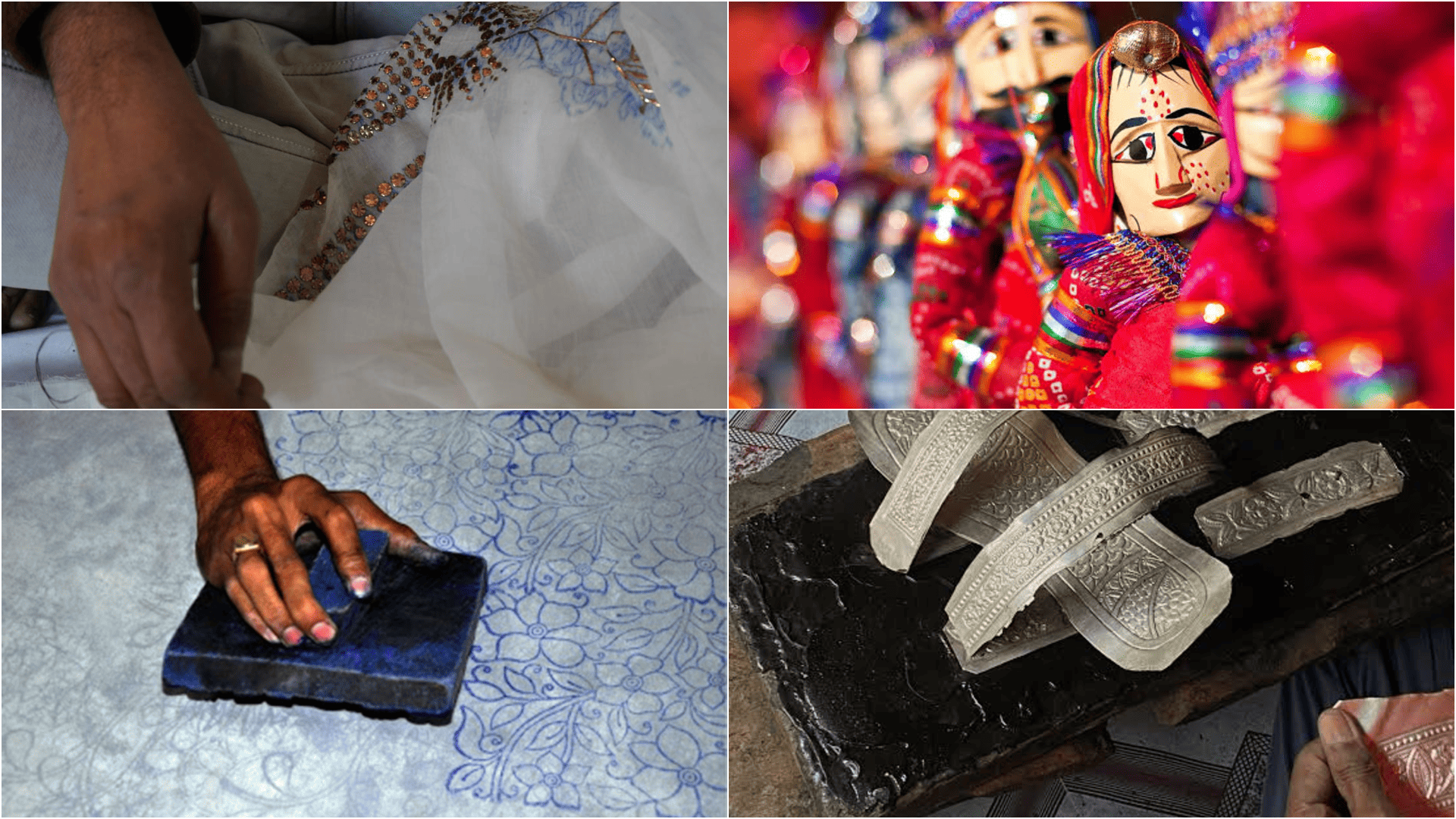
Ask Lucknow what it’s known for, and you’ll hear Chikankari, Kathak, Awadhi cuisine, the greatest hits. Ask what’s actually vanishing, and the answer is everything that made those greatest hits possible in the first place. The thappagar who hand-carves the block before a single Chikankari stitch happens. The Katib who once lettered the city’s monuments by hand. The kanghikar down to one surviving artisan on a street still named after his trade. The dhunai wala whose bow-twang used to announce winter. None of them lost their skill. They lost their market, to plastic, to screens, to machines that do in minutes what took these hands days. What’s left is a shrinking, ageing handful still showing up, mostly for love of the craft rather than any real return. Lucknow’s nawabi past is well documented, its quiet present tense isn’t.
Rui Dhunai
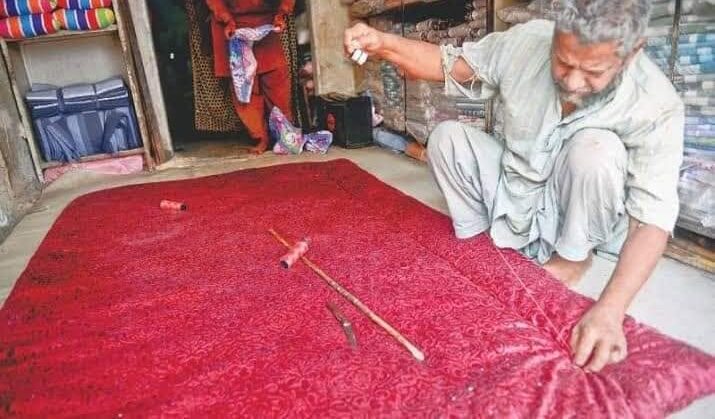
Some crafts don’t die from neglect, they die from convenience. Rui dhunai is one of them. Every winter, the dhunai wala would walk into old Lucknow’s lanes carrying a wooden bow and mallet, and the twang of gut-string against cotton worked like a doorbell for the whole neighbourhood. People stepped onto their verandahs, called him over, and watched years-old cotton turn fluffy again, right there on the spot. It wasn’t fast, and it wasn’t meant to be, that was the appeal. But industrial carding machines do the same job faster, cheaper, and without the ache in anyone’s shoulders. What’s disappeared isn’t just a trade. It’s the sound that used to announce winter had arrived.
Mukaish work
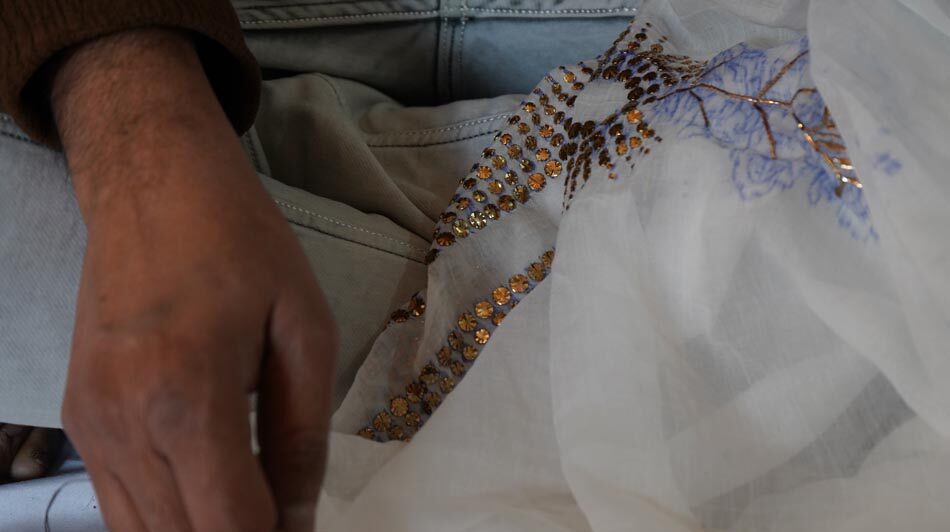
Some crafts fade because people forget them. Mukaish is fading while everyone’s still watching. It began in the Awadh royal courts, where hand-twisted silver and gold wire turned plain chiffon into something worth wearing to court. Today, fewer than a handful of master artisans remain from a community that once numbered in the thousands, the work is too slow, too precise, and too poorly paid to survive fast fashion’s math. Machine-stitched imitations have filled the gap, offering the shimmer without the labour or the legacy. The thread-counting, the block printing, the hours of kamdani, none of it fits a market that wants embellishment by the meter. The royal courts are gone. So, almost, is the wire.
Silver chappal work
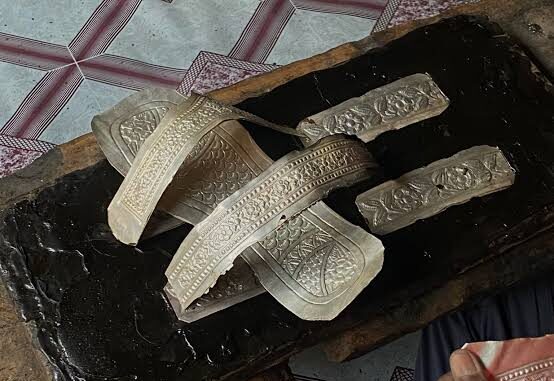
Some crafts get replaced. Chandi ki chappal just got expensive out of existence. It began with Persian artisans and Nawabi patronage in the 17th century, pure silver, hand-engraved naqqashi, kundan work, all for footwear meant to announce status. Now it survives on three or four artisans, Hafiz Muhammed Ashfaq among them, a fourth-generation craftsman still doing what his ancestors did for the Nawabs. His daughter, Aafiya Khan, took the craft off jewellers’ shelves and onto social media, cutting out the middlemen who rarely paid fairly anyway. Silver isn’t getting cheaper, and younger hands aren’t lining up to learn. What used to signal royalty now signals a wedding.
Horn/Bone Kanghi making
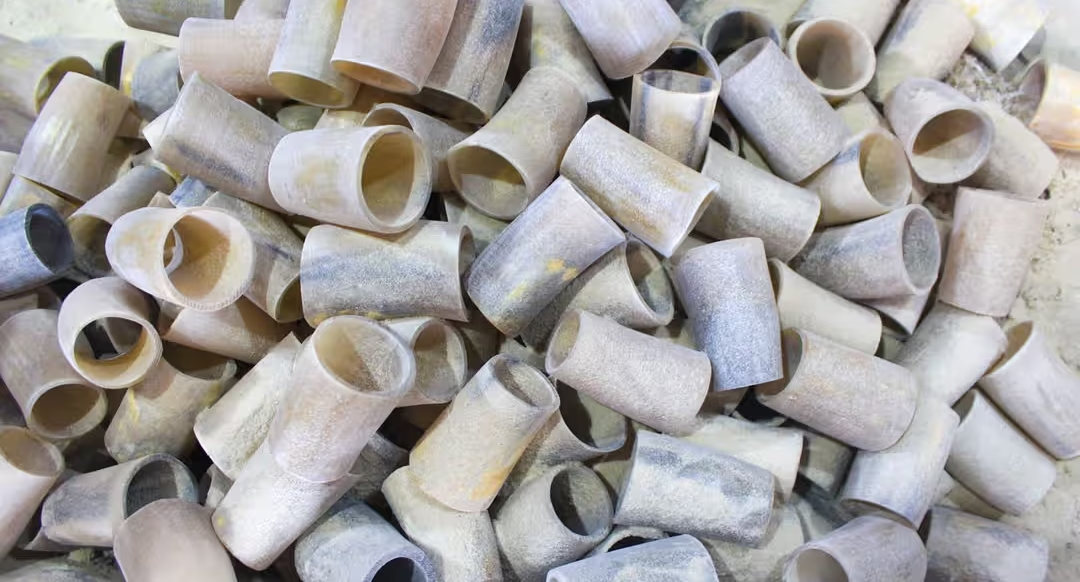
There’s a lane in old Lucknow still called Kanghi Wali Gali, seller’s lane, though it hasn’t sold a proper comb in years. Once home to over a hundred kanghikars carving horn and bone into fine-toothed combs for the Nawabi court, it now has exactly one: Mohammad Usman, the last of a trade his father handed him and that he has no one to hand it to. The craft survived ivory bans by switching to buffalo and camel bone. It didn’t survive plastic. Cheaper, faster, and utterly indifferent to a hundred years of skill, plastic combs finished what regulation couldn’t. The street kept its name, it just ran out of reasons for it.
Clay fruits & toys
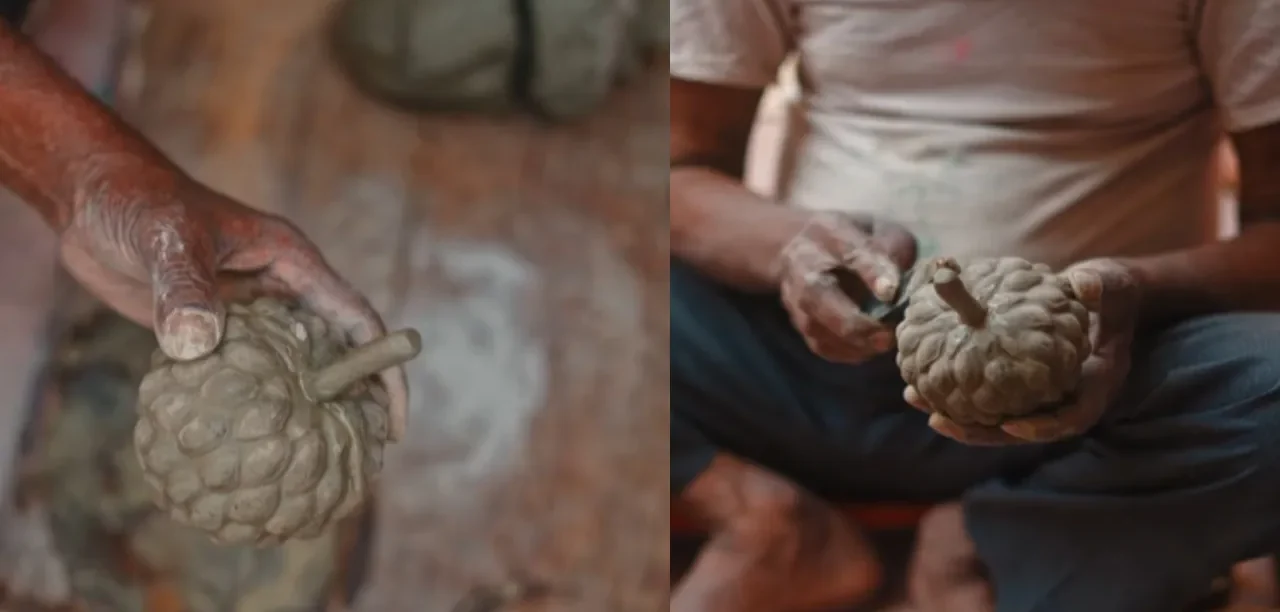
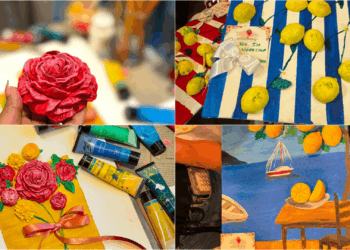
A national-award-winning artisan sells six handmade clay fruits, weeks of work, from soil to sheen, for ₹250. That’s Kamal Kumar’s reality near Ghantaghar, and it sums up what’s happened to Lucknow’s clay fruit craft. It once impressed Nawabs and later British collectors, built on Kali Matti sourced from Kala Pahad, moulded, fired for days in cow-dung kilns, then hand-painted to look almost edible. Now the soil source is gone, cleared for housing in Talkatora, and so is the market, taken over by plastic and screens. The skill hasn’t disappeared, the price for it has.
Urdu calligraphy/ Khattati
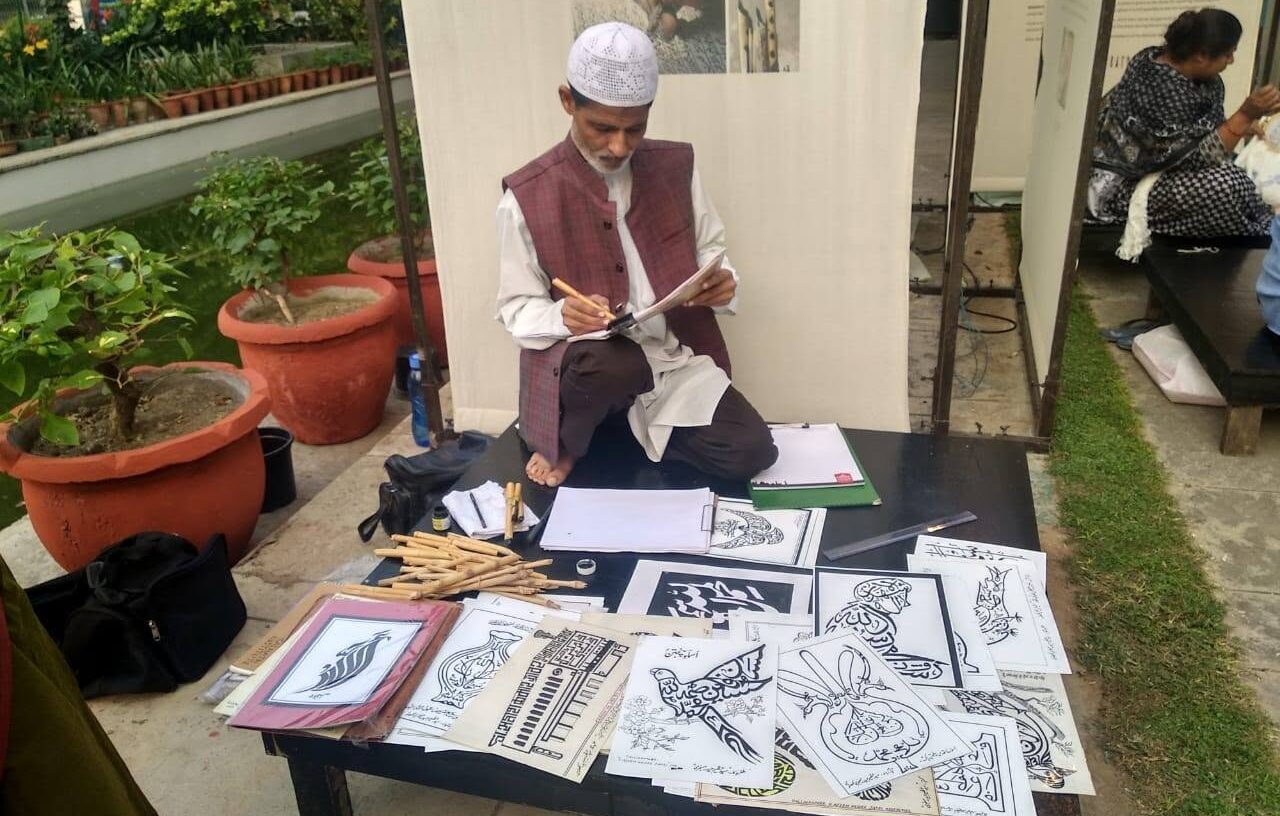
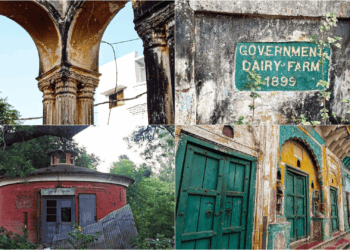
Bara Imambara’s walls carry centuries of Urdu calligraphy that no software could replicate, and today, barely anyone can either. Lucknow’s Katibs once turned reed pens and mineral ink into Nastaliq, Thuluth, and Tughra fine enough for royal architecture, each script demanding years of apprenticeship just to get the wrist movement right. Computers didn’t need any of that. Fonts render in seconds what once took a lifetime to master, and the younger generation has noticed the math. What’s left is a handful of veterans, Syed Azeem Haider Jafri, Hashim Akhtar Naqvi, touching up ageing monuments and running demonstrations for crowds who’ll likely never pick up a qalam themselves. The walls still speak, fewer people can write what they’re saying.
Puppetry
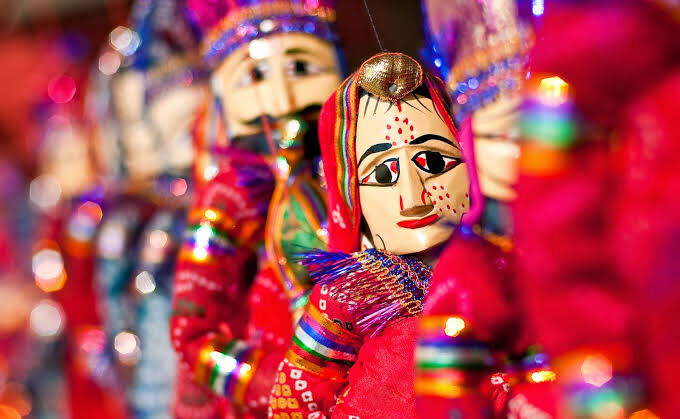
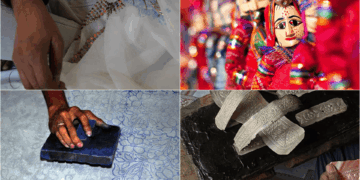
Two co-wives have been bickering on Lucknow’s streets for over 300 years, and somehow the fighting outlasted the audience. Gulabo-Sitabo, the city’s signature glove puppet tradition, turns marital rivalry into satire, carved wooden heads, bells at the wrists, one puppeteer voicing both women behind a makeshift stage, dholak keeping time. It’s theatre that needed no funding, no screen, no permission. Now it needs all three, and gets none. A full show pays under ₹20,000, open-air festivals have shrunk to nostalgia, and no state grant has shown up to make the maths work. Younger puppeteers are choosing corporate jobs over corporate-level effort for folk-level pay. The bickering was always the point, now silence is winning the argument.
Badhai folk singers of UP
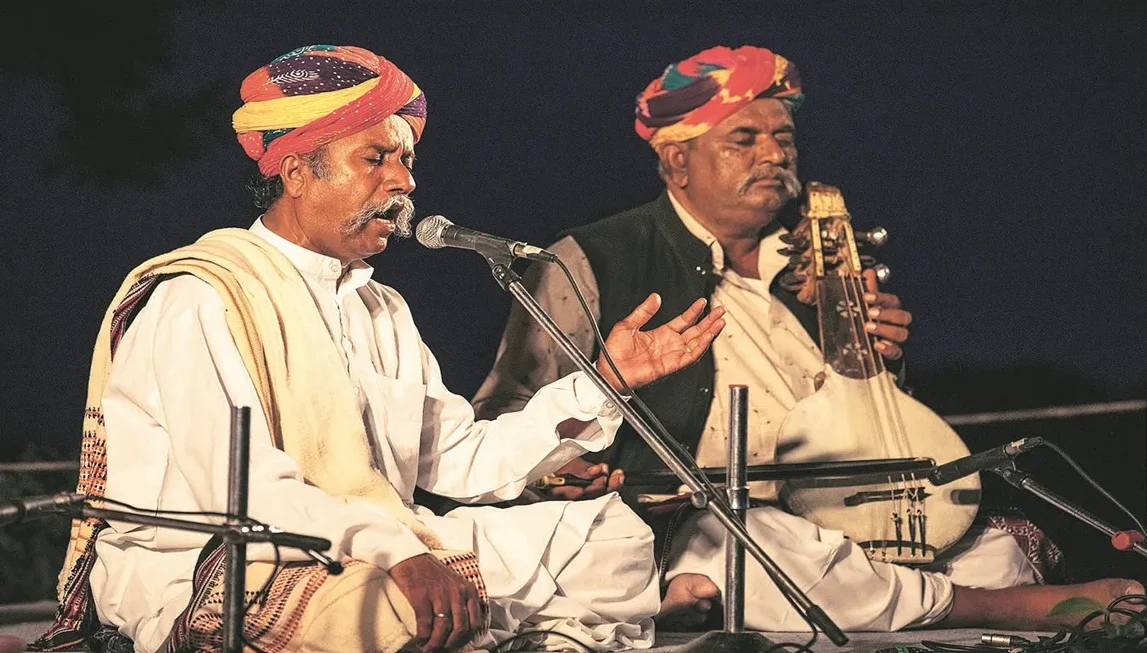
A birth used to come with its own song, sung live, by someone whose family had been singing it for generations. Now it comes with a DJ playlist instead. Badhai folk singers, rooted in Bundelkhand and UP’s rural belt, are losing out to exactly that shift, modern families choosing commercial DJs over traditional troupes for weddings and baby showers. Lucknow’s own cultural leanings haven’t helped; the city built its identity around Awadhi ghazals and Kathak, leaving little room, and no state platforms, for rural folk art to hold ground. Even the artists’ own children have opted out, unwilling to inherit a tradition that barely pays. The birth still gets celebrated, the song, mostly, has stopped showing up.
Wooden block carvers for chhapai
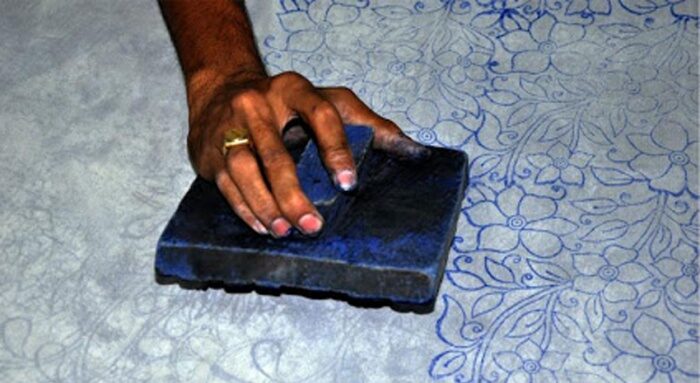
Chikankari sells itself as handmade, but the first hand in that chain, the one carving the block that guides every stitch, barely gets mentioned, or paid. Thappagars hand-chisel Sheesham wood into thappey, flat stamps pressed onto fabric with neel or safeda to trace the design before an embroiderer even threads her needle. It takes days of precision work with iron qalams and tiny gouges. It pays close to nothing. Digital stencilling has started skipping the block entirely, and the artisan families carving them have mostly decided the trade isn’t worth passing on. The embroidery keeps its handmade label. The craft underneath it is quietly going unlabelled altogether.