











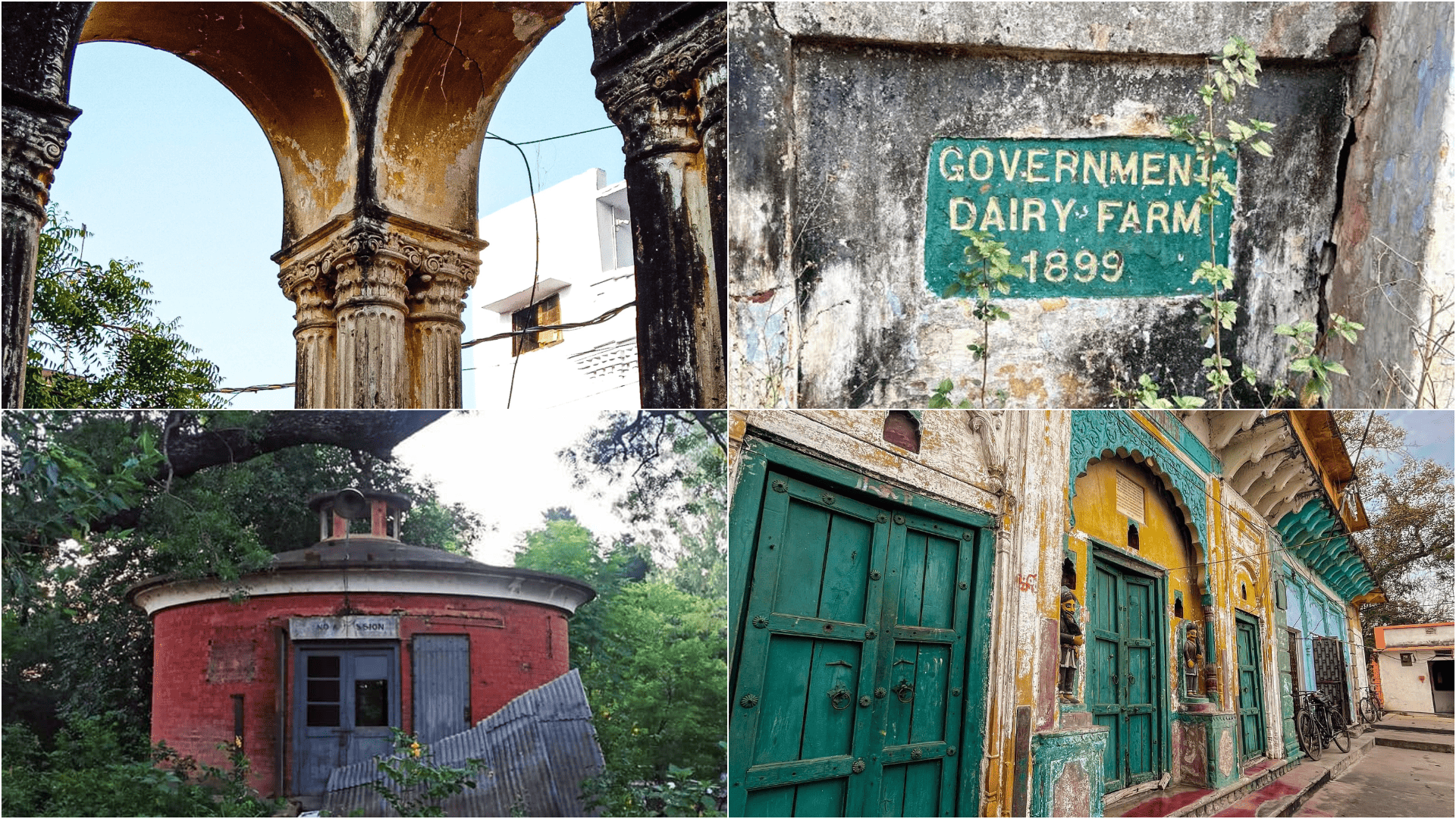
Every city keeps a version of itself that never makes it into the brochure. Lucknow’s isn’t tucked away in some forgotten alley, it’s standing in plain sight, inside buildings that are still named, still mapped, and sometimes still half-functioning, just quietly written out of the story everyone tells about the city. These aren’t ruins in the postcard sense, no dramatic sieges, no crumbling forts required. They’re ordinary spaces that fell out of use the way most things actually do, through neglect, funding gaps, and decisions nobody quite remembers making. Some are colonial leftovers, some are decades-old civic ambitions, some are still technically open for business. Nine of them, scattered across the city, waiting to be noticed again.
Uptron Factory
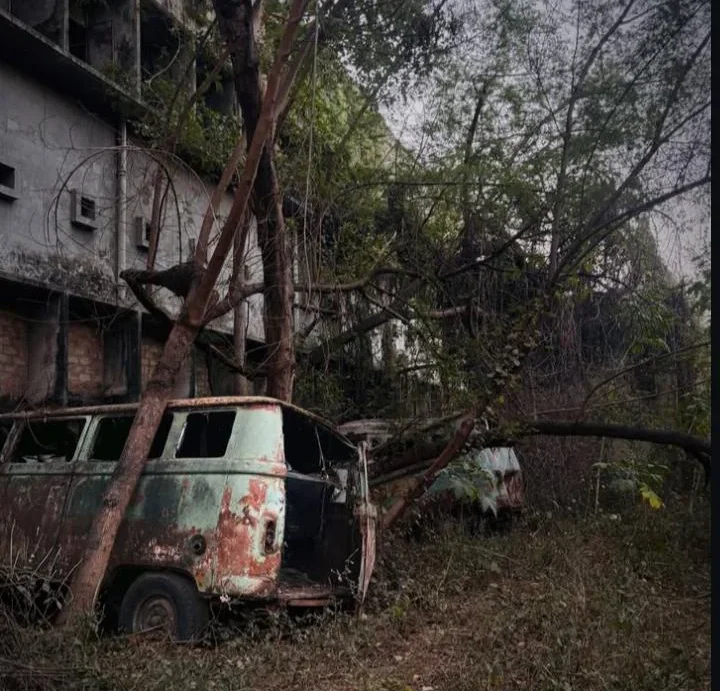
Somewhere inside the crumbling Uptron India Limited complex, a 1980s ledger is still waiting for someone to close the books. This was once Lucknow’s own television factory, its assembly lines producing sets that found their way into thousands of homes, until the Board for Industrial and Financial Reconstruction called it, declaring Uptron a “sick unit” in 1994 and shutting it down under liabilities crossing ₹500 crores. What’s left is a slow-motion demolition by neglect: caved-in roofs, shattered glass, rusted machines, and vines doing the maintenance nobody budgeted for. The factory that once made Lucknow watch television now just quietly watches itself disappear.
Arts Department (LU), Old Building
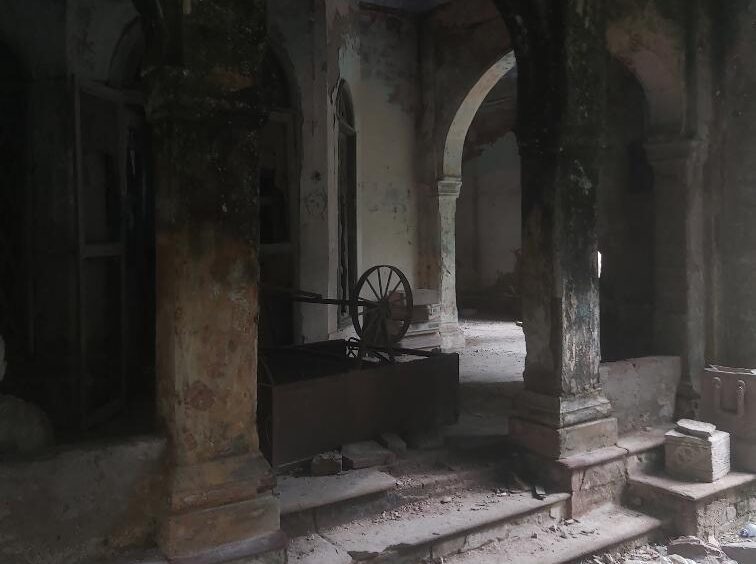
Somewhere in the College of Arts and Crafts, a decades-old sculpture is quietly becoming abstract art it never intended to be, one crack, one layer of dust at a time. Lucknow University’s Faculty of Fine Arts, founded in 1911, is still a functioning campus, but its older studios and archival rooms tell a different story, peeling paint, broken windows, and forgotten art pieces sitting untouched in silence. Resource crunches and years of neglect did what deliberate design couldn’t, turned working spaces into something that looks staged for melancholy. Heritage restoration is finally catching up. Until it does, the campus’s most compelling exhibit might be the one nobody planned.
Vikas Deep Building
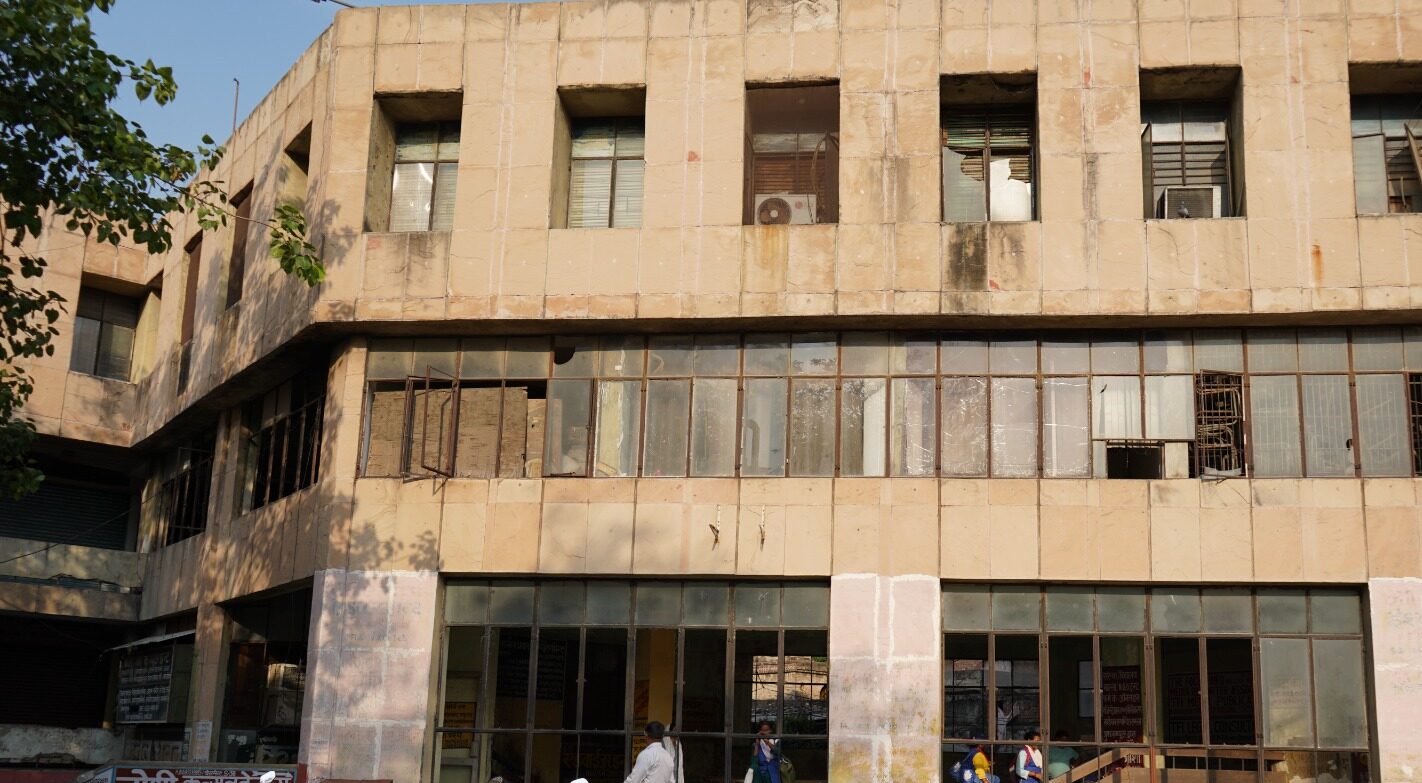
Vikas Deep isn’t abandoned, technically. Fifteen storeys tall near the Burlington intersection on Station Road, its upper floors still run as functioning offices while everything below the ground floor has quietly given up. The basement and lower shops sit locked and decaying, elevators alternate between broken and full of garbage, and the back corridors have weathered into something closer to ruin than real estate. Built in the 1990s in stark Brutalist concrete, Vikas Deep was meant to anchor commerce for Charbagh and Hussainganj, instead, decades of administrative apathy let half the building die on its feet while the other half kept clocking in. Two very different buildings, one address.
Old Pumping House
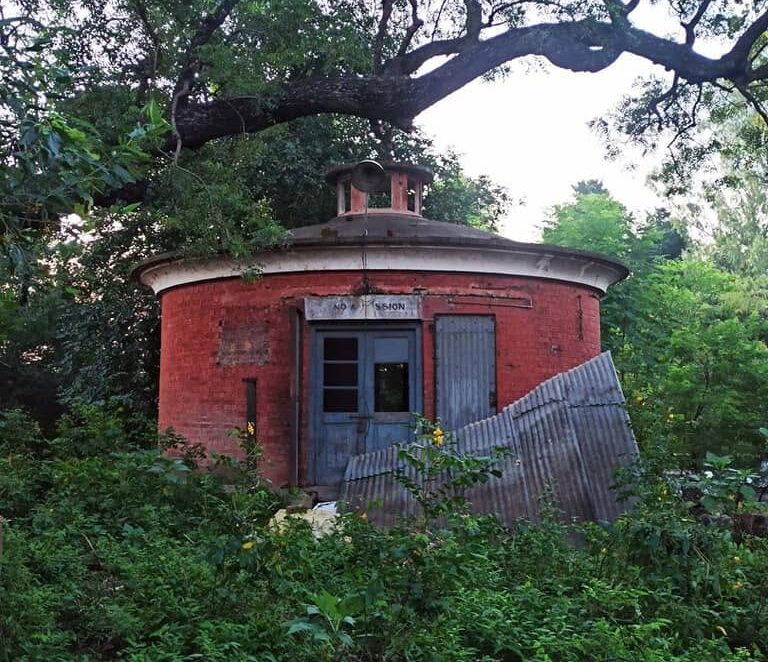
Lucknow’s old pumping house at Pipraghat once helped keep an entire city hydrated, today it can’t even manage its own upkeep. Dating to around 1889, this British-era structure on the banks of the Gomti near Vilayati Bagh was part of the city’s earliest municipal water infrastructure, brick, iron, and colonial ambition rolled into one riverside utility. What’s left is quieter, crumbling walls, forgotten machinery rusting under vines, and overgrowth thick enough to make the whole site look reclaimed by the river it once served. Civic memory moved on decades before the building did.
Asifi Kothi
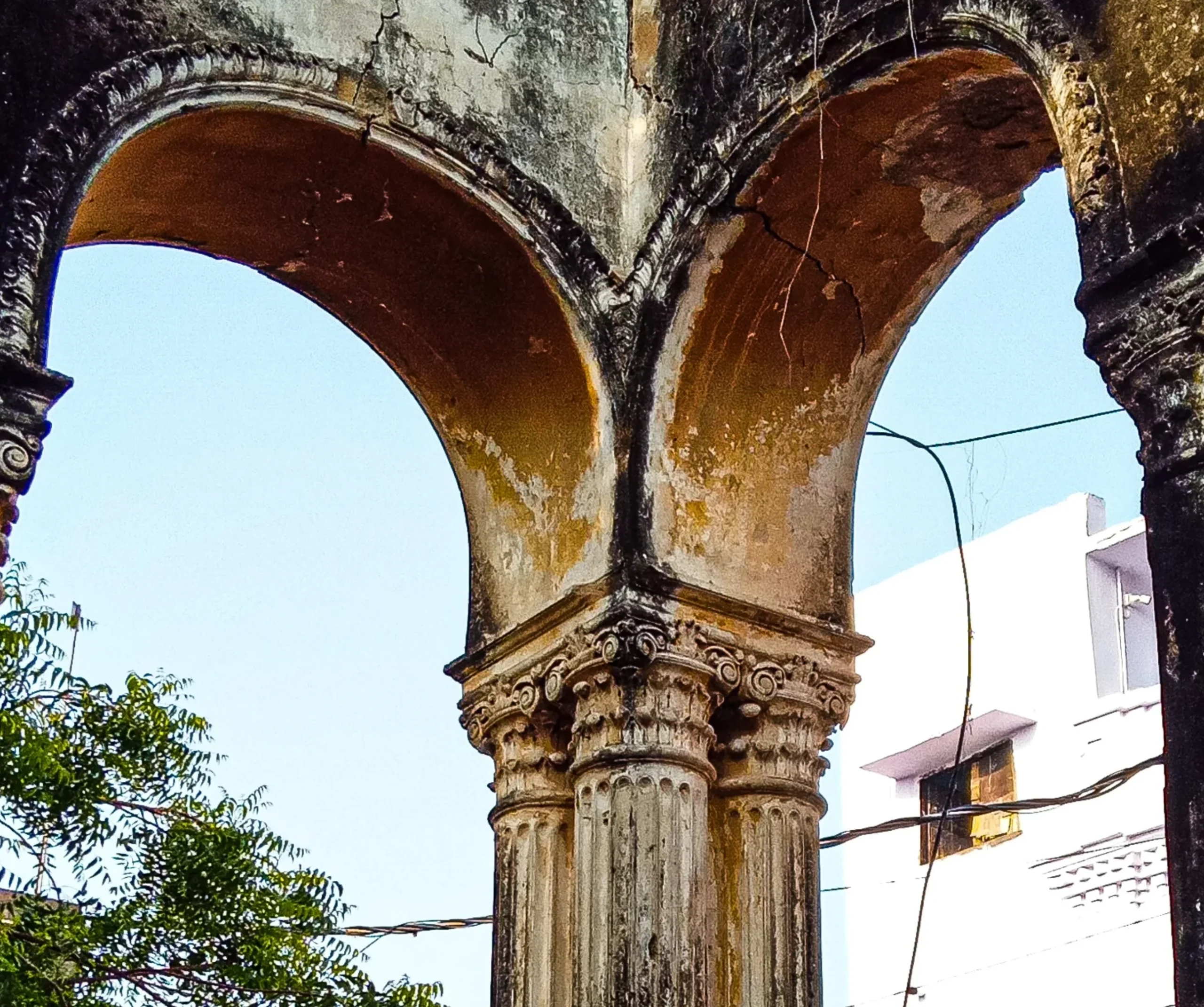
Asifi Kothi may have had European hands on its blueprint, Claude Martin, Antoine-Louis Polier, the kind of names that turn a building into a footnote in someone else’s biography, and today almost nobody in Lucknow could point to where it stands. Built in the 1780s for Nawab Asaf-ud-Daula, the ruler who moved Awadh’s capital to Lucknow and built half the city’s landmark skyline in the process, this residential estate in the Daulat Khana area near Hussainabad got none of the fame. What’s left is weathered walls, encroaching streets, and a cross-cultural design story nobody’s bothered to notice. Even royal real estate has its B-list.
Mohan Meakin Breweries Daliganj
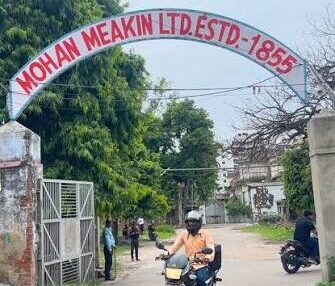
Mohan Meakin made its name bottling things that got better with age, Old Monk among them. Its own Daliganj-Hasanganj plant didn’t get that treatment. Running since 1949 and closely tied to Col. V.R. Mohan, the industrialist and former Mayor who folded the family name into Lucknow’s civic life, the unit was sealed in June 2007 after the Uttar Pradesh Pollution Control Board flagged years of effluent discharge into the Gomti. Production shifted elsewhere in the state; the gates near Daliganj-Hasanganj never reopened. What’s left is a shuttered compound where neighbourhood memory outlasts the machinery, proof that even a brand built on aging gracefully couldn’t apply the trick to itself.
Government Dairy Farm
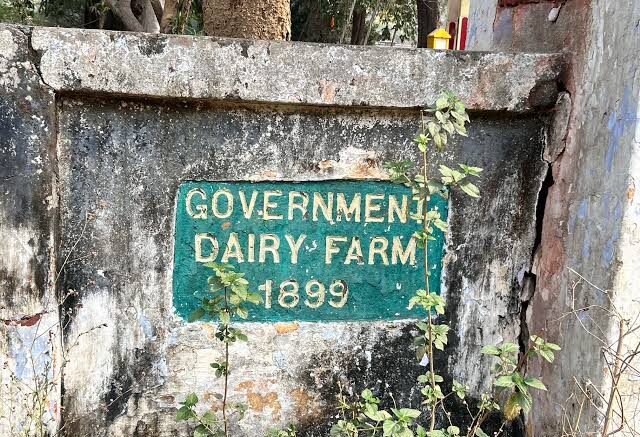
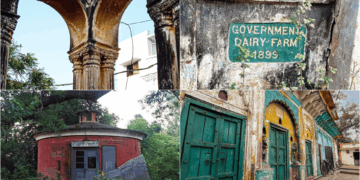
A royal hunting lodge built for a Nawab’s leisure eventually ended up guarding cows, and now it can’t even manage that. Bibiapur Kothi, raised in 1775 by Nawab Asaf-ud-Daula with French input from Antoine Polier, once hosted country retreats and royal shikar. The British repurposed its surrounding lands into a military dairy farm after annexation; over the decades, even that modest afterlife dissolved into disuse. What’s left along the Gomti’s right bank is a forest-quiet ruin, dilapidated dairy sheds, overgrown farmland, locked gates, and ID checks for anyone curious enough to try. Nawabi grandeur, colonial utility, and now, pure inconvenience.
Pipraghat
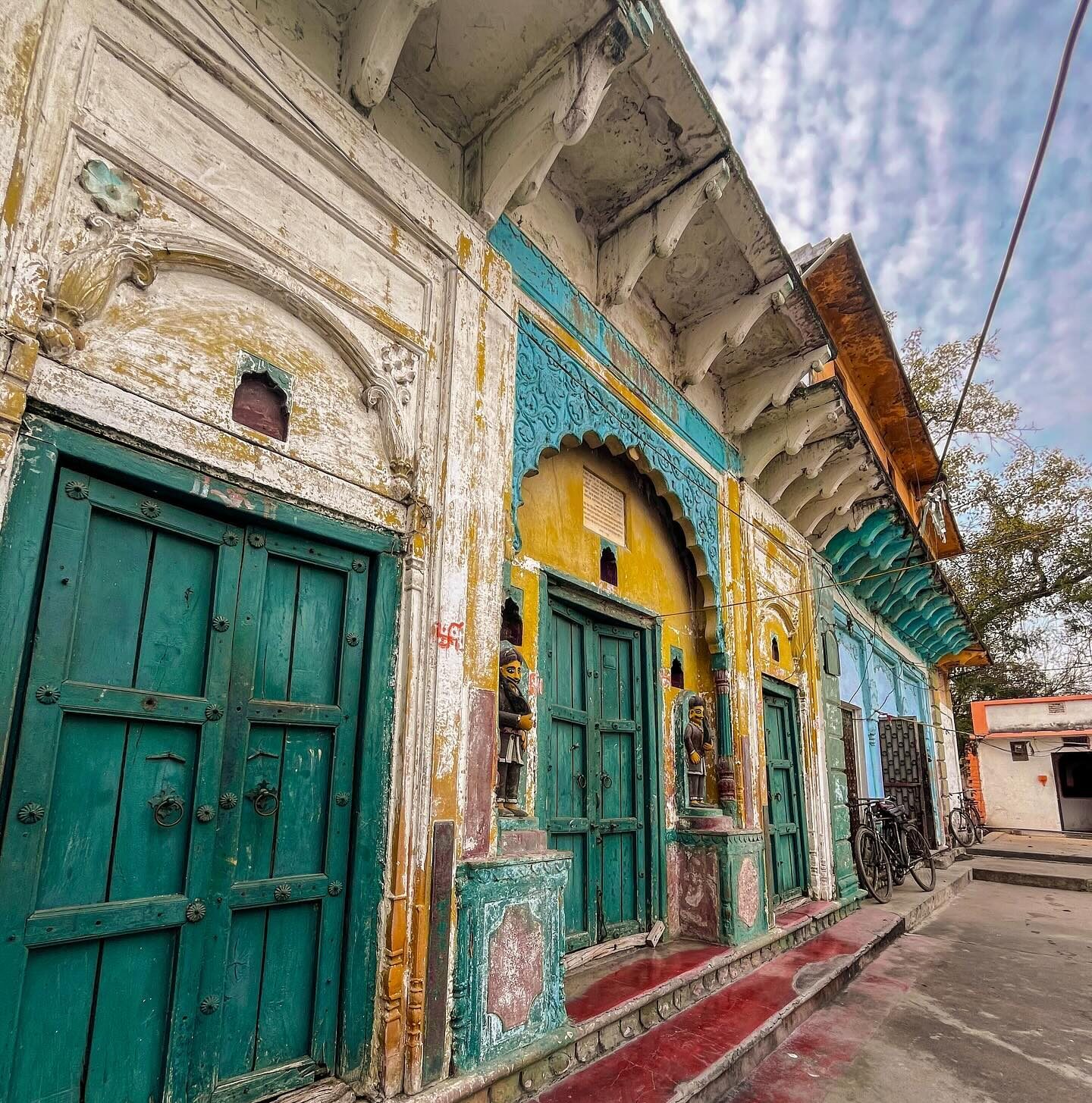
Every haunted-spot list in Lucknow eventually gets to Pipraghat, and every visitor eventually leaves a little disappointed. This secluded cremation ground across the Gomti near Neil Lines earned its ghost-story reputation from isolation more than evidence, old graves, a 1897 Shaligram temple built for Queen Victoria’s Diamond Jubilee, and a riverside setting quiet enough for imaginations to run ahead of facts. Cremations still happen here, just a handful a month now that Baikunth Dham handles the rest. What’s left is overgrown, peaceful, and largely un-haunted, no matter what the internet insists. The scariest thing about Pipraghat is how little actually happens.
JPNIC
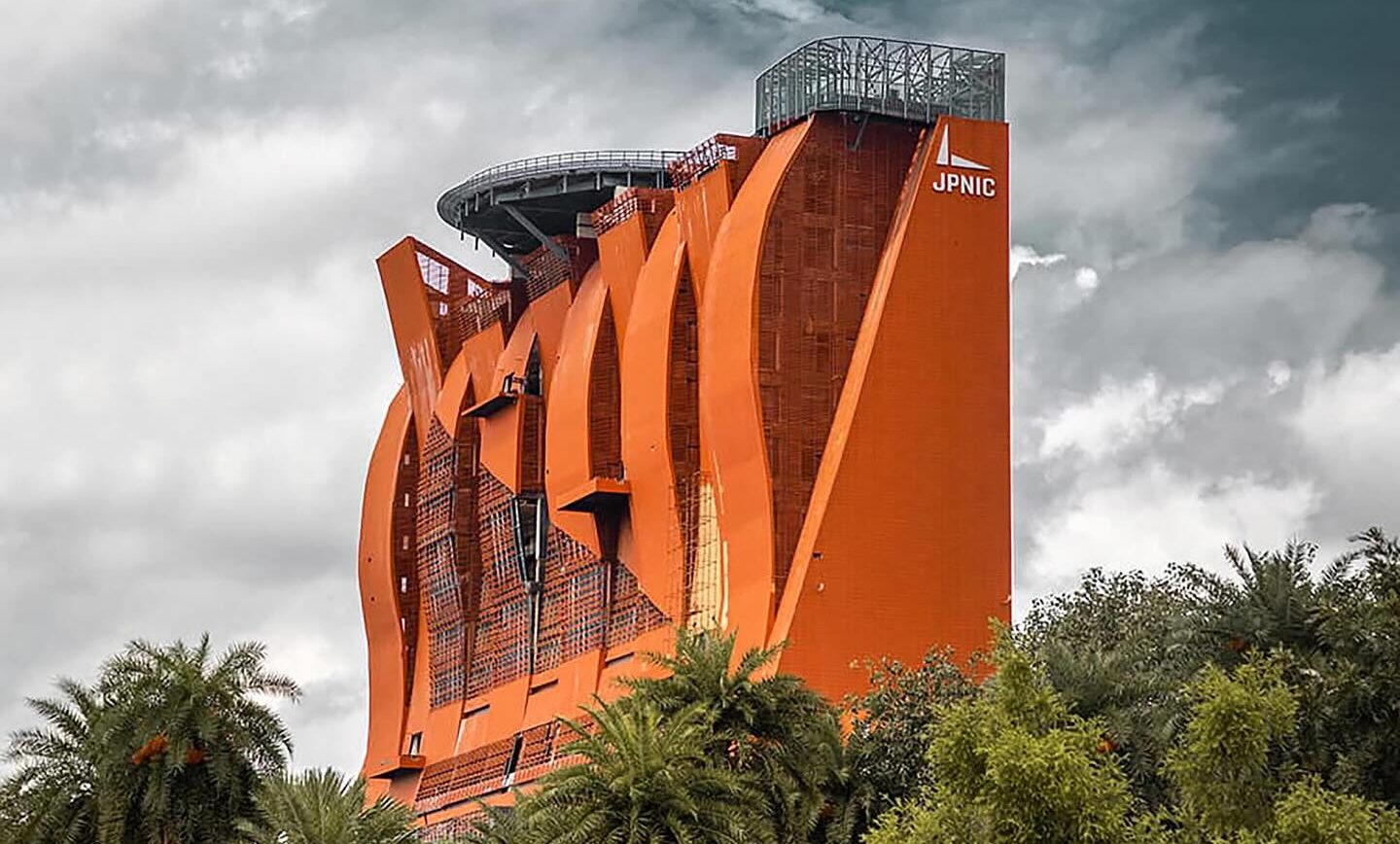
JPNIC was supposed to have a rooftop helipad, right now it can’t even guarantee a functioning staircase. Conceived in 2013 as an 18-storey flagship, museum, Olympic-size pool, indoor sports complexes, guest house, the works, the rust-terracotta structure was meant to be Lucknow’s new civic showpiece, built in honour of socialist leader Jayaprakash Narayan. Then the state government changed in 2017, work stopped, and financial irregularities entered the conversation instead of ribbon-cuttings. The project has since been handed to the Lucknow Development Authority, tasked with reviving what’s essentially the city’s most expensive unfinished sentence. The helipad is still on the blueprint, so is everything else.