





Most food cities want you talking about their dishes. Lucknow built its food to end the conversation entirely. Something soft enough to silence a critic. Something rare enough to dare you to catch it before it disappeared. Something certain enough of itself that it never bothered arguing with rival cities. Seven dishes, each engineered out of insult, necessity, or nawabi stubbornness, built to win before the debate even started. Nothing here got copied successfully, because nothing here was ever meant to be easy to repeat. Lucknow didn’t cook these dishes to be talked about. It cooked them to be the last word.
Pasanda
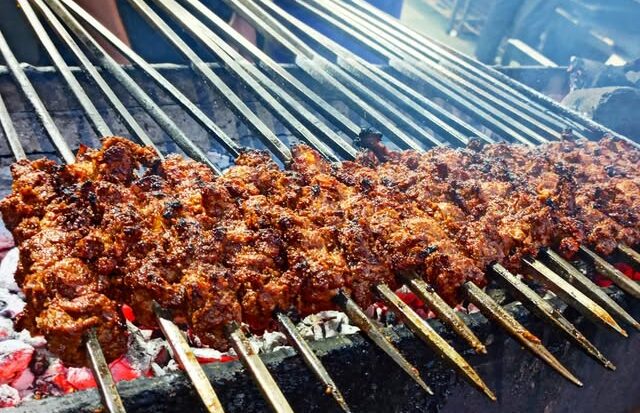
Every kebab menu in the country claims a royal Awadhi lineage, but pasanda kebab is one of the rare ones that can actually prove it, no embellishment required. Born in the kitchens of Nawab Asaf-ud-Daula’s court, where chefs cooked to please toothless royals and vain gourmets alike, this is Lucknow’s answer to subtlety over spectacle. Flattened mutton slices, beaten thin as satin and marinated till they practically dissolve on contact, a technique other cities never quite mastered, mostly because it takes patience nobody wants to spare. While other kebabs went loud with smoke and char, pasanda stayed quiet, working entirely through texture, the kind of dish that doesn’t announce itself, it just ends the argument. Some legacies need footnotes; this one just needs a fork.
Galawat Kebab
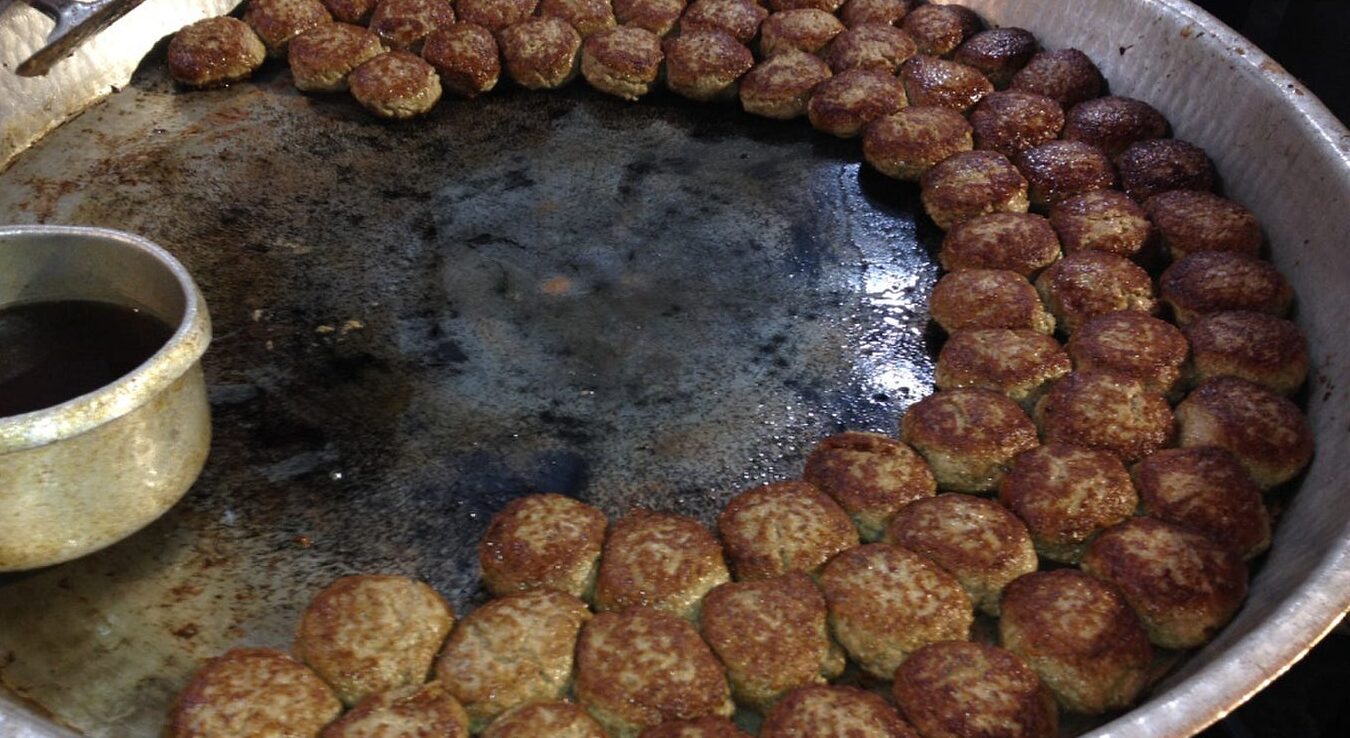
A kebab that requires zero effort to eat took an absurd amount of effort to invent, sixteen-odd spices, raw papaya, and hours of pounding, all in service of meat that finally agreed to behave. Legend places its invention in Nawab Wajid Ali Shah’s kitchens, though the nawab-with-no-teeth story gets told so often it’s practically garnish now, the dish itself doesn’t need the myth to earn its reputation. What actually sets it apart is the papaya, a tenderising trick Lucknow’s khansamas figured out long before anyone called it food science. Where other cities’ kebabs make your jaw work for it, galawati just gives up the fight early, dissolving somewhere between the plate and your expectations. Lucknow didn’t cook softer meat, it cooked meat into surrender.
Awadhi Dum Biryani
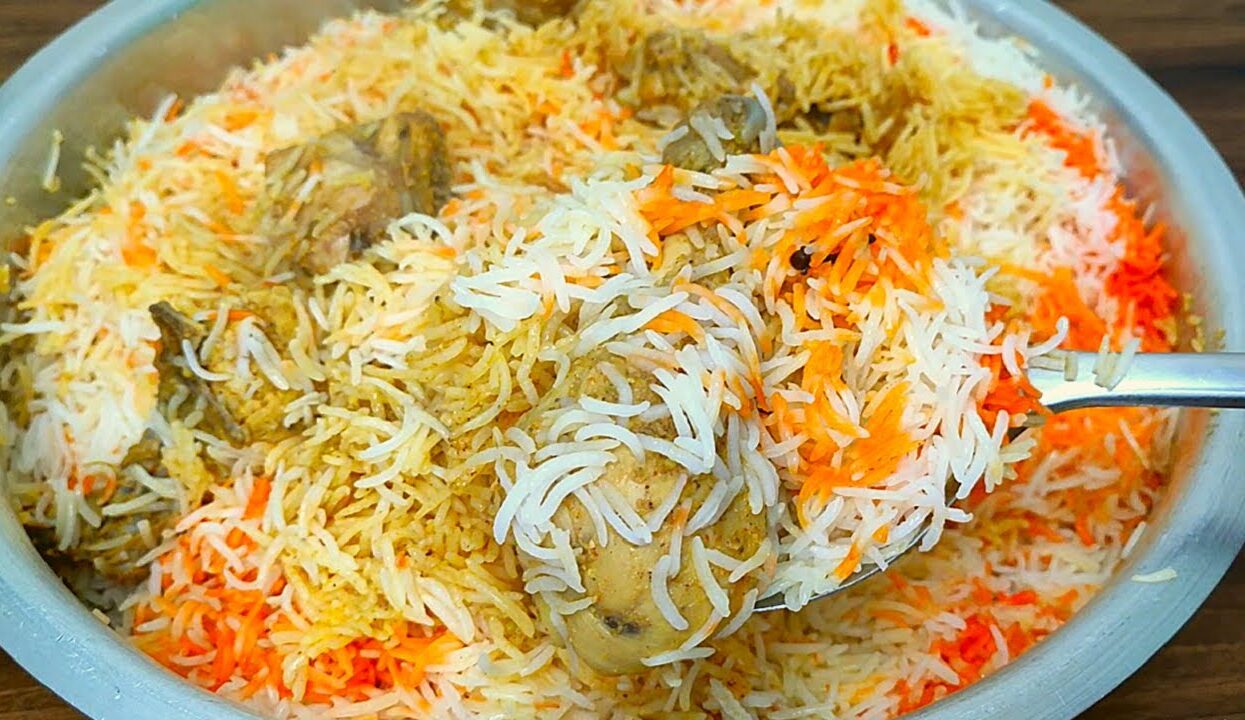
Every biryani in the country insists it’s the “authentic” one, but Awadhi dum biryani never bothered arguing, it just sealed the pot and let the accusation die of neglect. The style traces back to the nawabi kitchens of Awadh, where Persian cooking techniques met local sensibility and produced something deliberately unshowy. This is the pukht or dum style biryani, the slow cousin that treats rice and meat as equal partners instead of rivals fighting for attention, cooked together from the start rather than layered and hoped for. No aggressive spice, no dramatic colour, no masala doing the heavy lifting, unlike the Hyderabadi version it’s constantly compared to. Everything cooks together, sealed under dough, steaming in its own restraint. Where Hyderabad shouts, Lucknow simmers, and somehow still wins the argument it never joined. Patience, it turns out, was the secret ingredient all along.
Basket Chaat
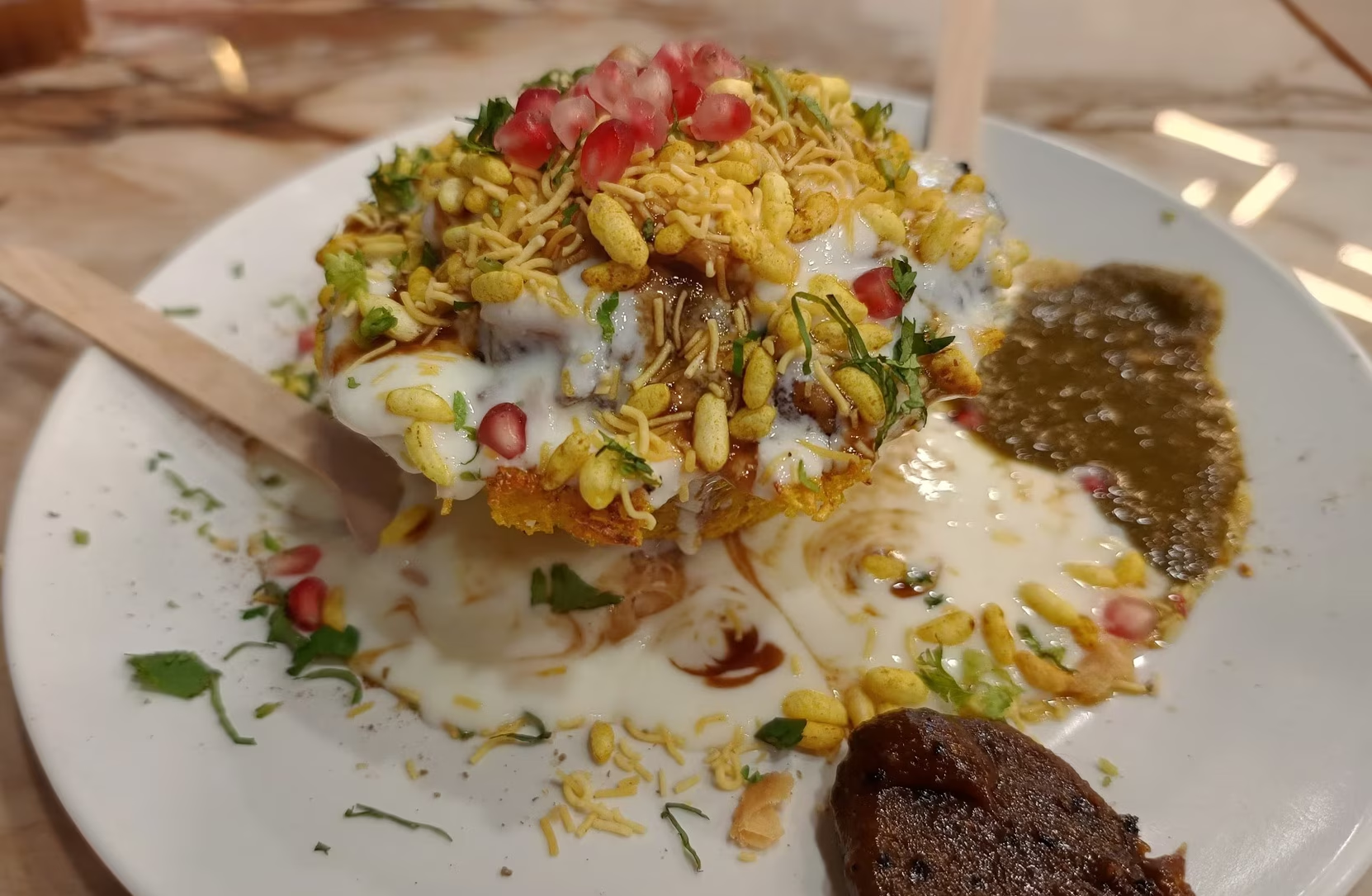
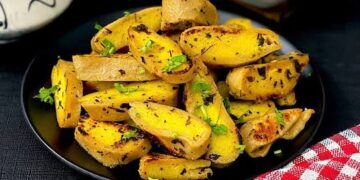
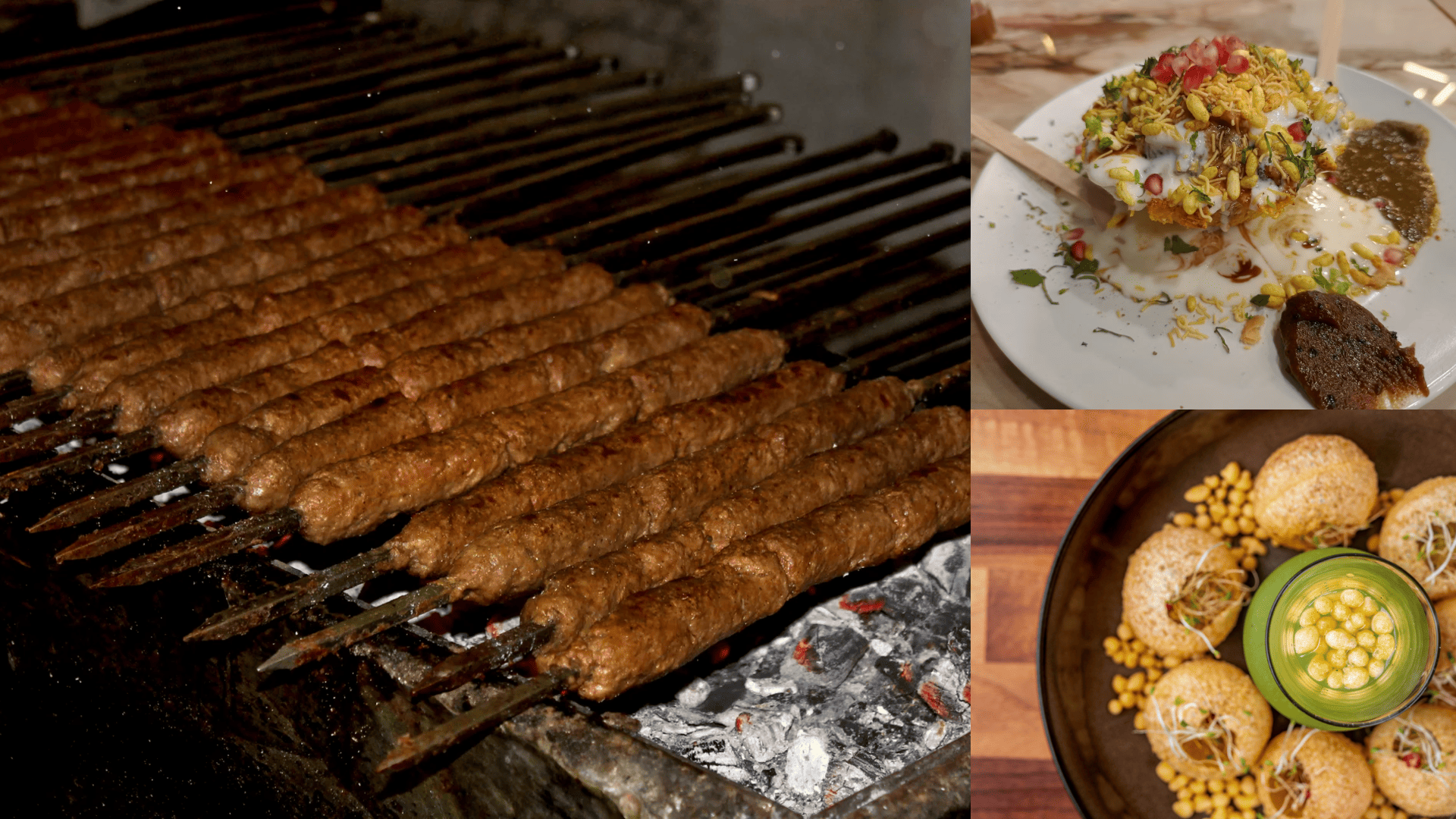
Basket chaat has the distinction of being Lucknow’s most edible packaging problem, someone decided chaat needed a container, then just made the container out of potato and ate that too. Unlike the city’s Mughal-era heavyweights, this one’s a newer invention, credited to Hazratganj’s own chaat vendors who figured a fried potato shell could double as both plate and protagonist. No plate required, no cutlery, no pretense of restraint: crisp potato basket loaded with curd, chutneys, sev, and enough textural chaos to make one bite feel like an argument between five ingredients. It’s a trick no other city’s chaat culture bothered inventing, mostly because nobody else thought the container deserved to be the star. Other cities serve chaat. Lucknow engineered a delivery system for it, then quietly made the packaging the best part.
Kali Gajar Ka Halwa
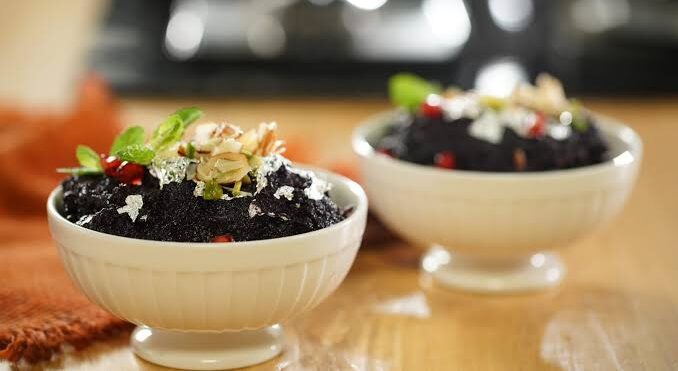
Kali gajar ka halwa is a winter delicacy with deep roots in North India’s culinary traditions, especially the royal kitchens of Awadh, where seasonal ingredients were transformed into elaborate treats. Made from the rare black carrot that appears only during the colder months, this halwa became a Lucknow favourite for its deep colour, earthy sweetness and rich texture. Unlike the everyday orange carrot halwa found across India, kali gajar ka halwa depends entirely on this distinctive winter crop. Slow-cooked with milk, khoya, ghee, sugar and spices, it turns a humble local vegetable into a dessert that defines Lucknow’s love for patience and craft.
Safed Matar Pani Batashe
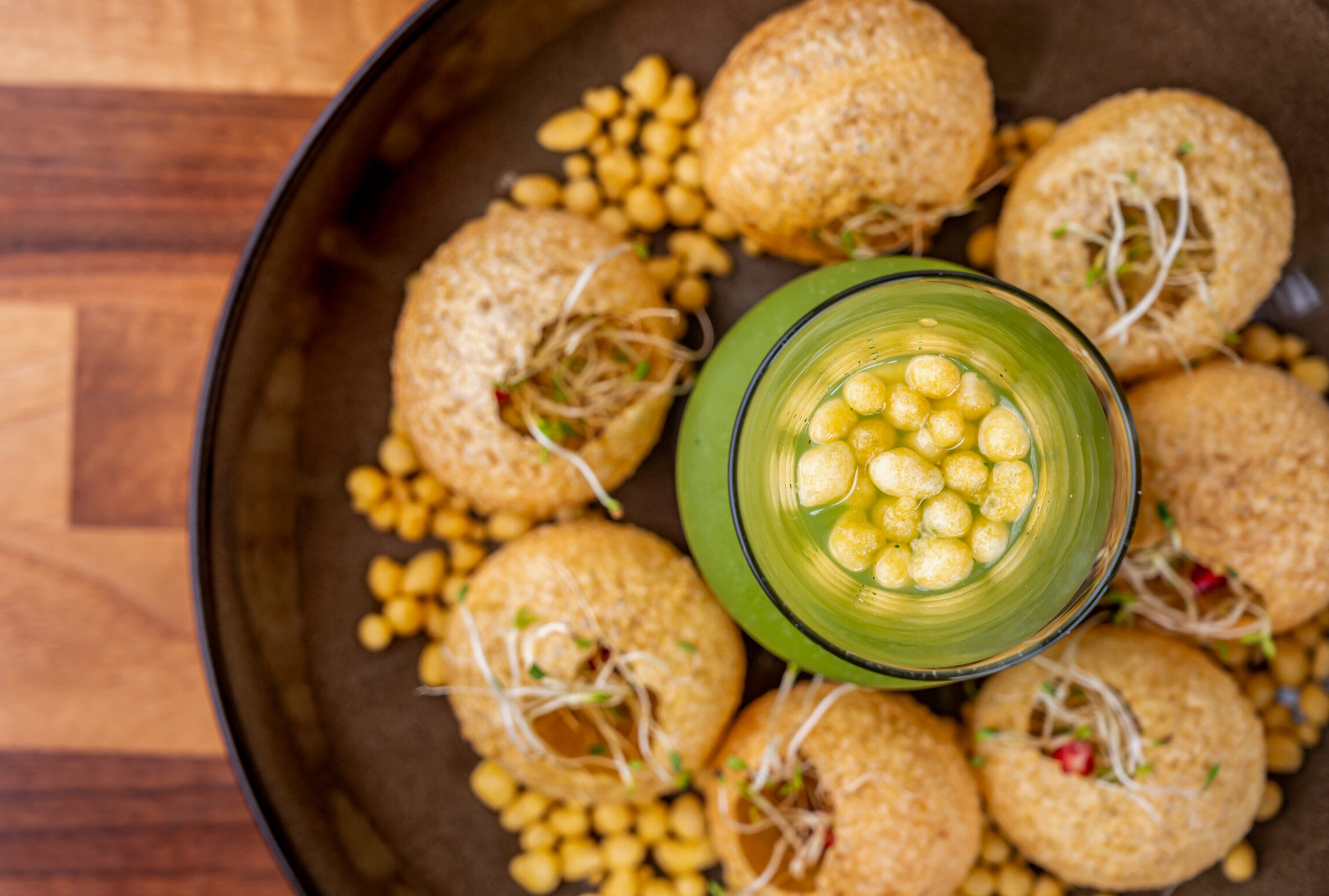
Pani puri gets all the fame while its quieter Lucknow cousin does the actual convincing. Safed matar pani batashe grew up on the street stalls of old Lucknow, where vendors leaned on white peas simply because they were cheap, filling, and locally abundant, long before “minimal ingredients” became a food-blogger buzzword. It skips the usual potato-and-sprout filling entirely, betting everything on white peas alone, soft, mildly spiced, unbothered by the need to compete with the tangy water around them. Other cities’ pani puri variants pile on fillings to chase flavour, but this one leaned into scarcity and made it the whole point. No identity crisis, no filler ingredients trying to be interesting. Just crisp batashe, one confident filling, and pani that does what pani’s supposed to do without drowning it out. This one figured out early that restraint tastes better than range, and never looked back.
Kakori Kebab
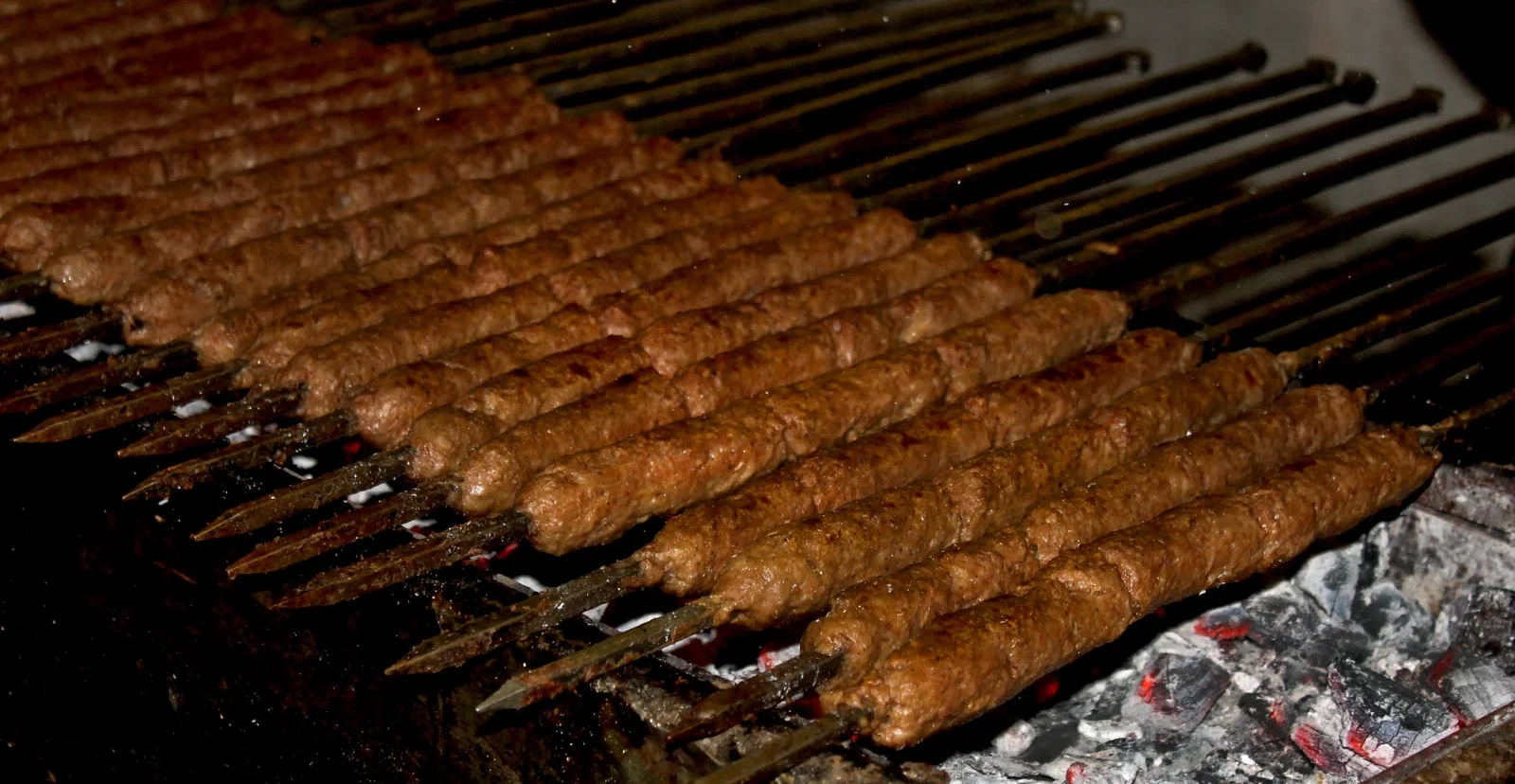
An insult built an entire kebab dynasty. The story goes that a British officer stationed near Kakori scoffed at the toughness of local meat, so the khansamas of the era didn’t argue back, they just made the complaint permanently impossible. This happened sometime in the early 1900s, in the small town of Kakori just outside Lucknow, which is exactly why the kebab carries that name and not the city’s own. Meat ground to something finer than paste, raw papaya doing quiet persuasion, warm spices and a touch of charcoal smoke covering the tracks, kakori kebab arrived soft enough to dissolve any argument before it started. Other cities’ minced kebabs still hold some bite, some resistance, but Kakori’s signature is the total absence of it, a texture nobody’s quite managed to replicate outside its birthplace.