





Nostalgia will hit you real hard here, and there’s no getting around it. Every Lucknow kid’s school life ran through the same handful of picnic spots, over and over, until “picnic” basically became a synonym for a very specific list, and somehow it never got old. There were animals that refused to show up on cue, a fake village that felt oddly more genuine than expected, water slides fought for and camel rides nobody questioned, plus the odd history lesson we half-absorbed between tiffin boxes and headcounts that never quite matched. Revisit all nine, and try not to remember exactly which friend group you sat with on the bus, or how loud you personally were.
Kukrail Picnic Spot
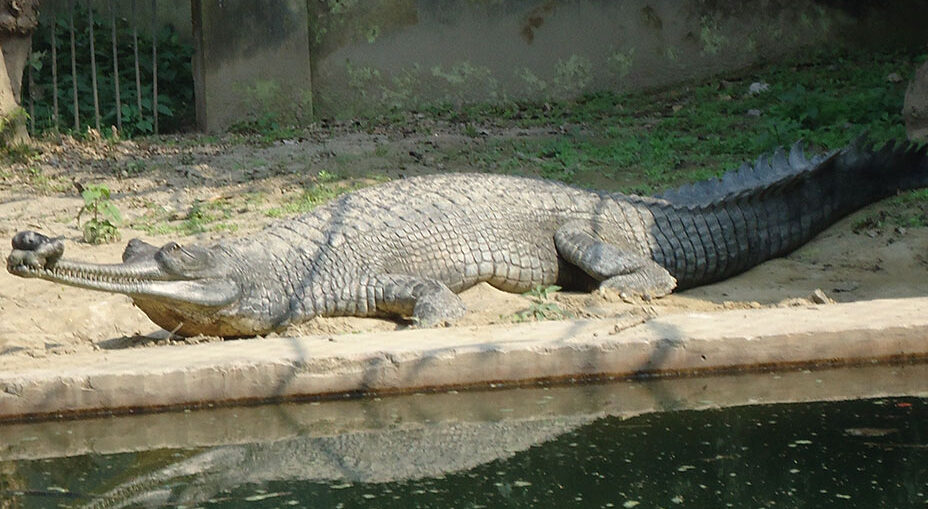
The permission slip said “educational trip to observe local flora and fauna.” What actually happened at Kukrail was forty kids running relay races through gulmohar trees while the class teacher lost her voice shouting “single file.” The crocodile rehabilitation centre existed somewhere on the map, technically. Most of us remember the parathas that leaked oil through the foil, the frantic search for a “good tree” to claim as home base, and getting scolded for climbing the same tree twice. Nature study, Lucknow-style, heavy on nature, light on study.
Lucknow Zoo
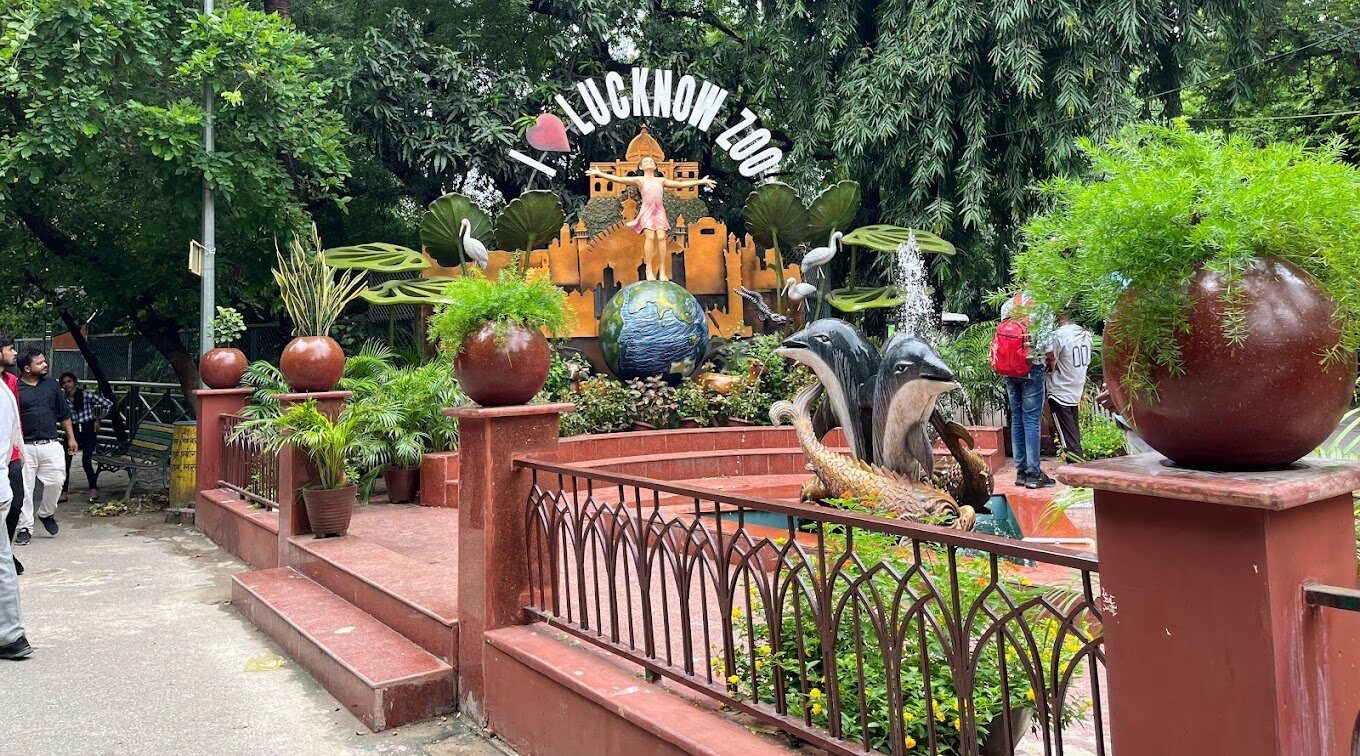
Lucknow Zoo picnics ran on a strict, unofficial rule, whichever animal was closest to the entrance got the most attention, regardless of how unremarkable it was. The lions could be fast asleep two enclosures down and completely ignored while forty kids lost their minds over a deer. Add a packed lunch eaten standing up, a headcount that never matched twice in a row, and someone always convinced the monkeys were “definitely about to escape.” The animals watched us like we were the exhibit. Honestly, fair, we were louder than anything in a cage.
Kala Gaon
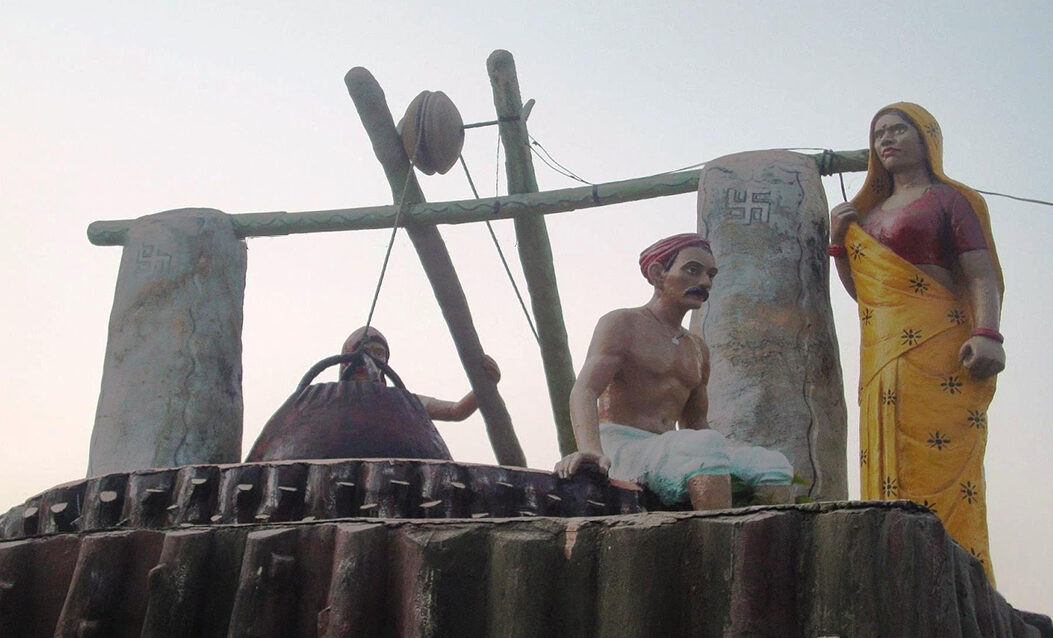
Kala Gaon’s whole pitch was authenticity, mud huts, real potters, a village vibe you couldn’t get in the city. What we actually did was treat it like a theme park. Gilli-danda became a competitive sport within minutes, the puppet show got heckled affectionately, and the “welcome teeka” ritual at the gate had half the class giggling through it. Nobody left with a deep appreciation for rural craft. Everyone left having eaten an enormous desi thali and having tried horse riding badly, at least once, in front of the whole class. Authentic enough, honestly.
Begum Hazrat Mahal Park
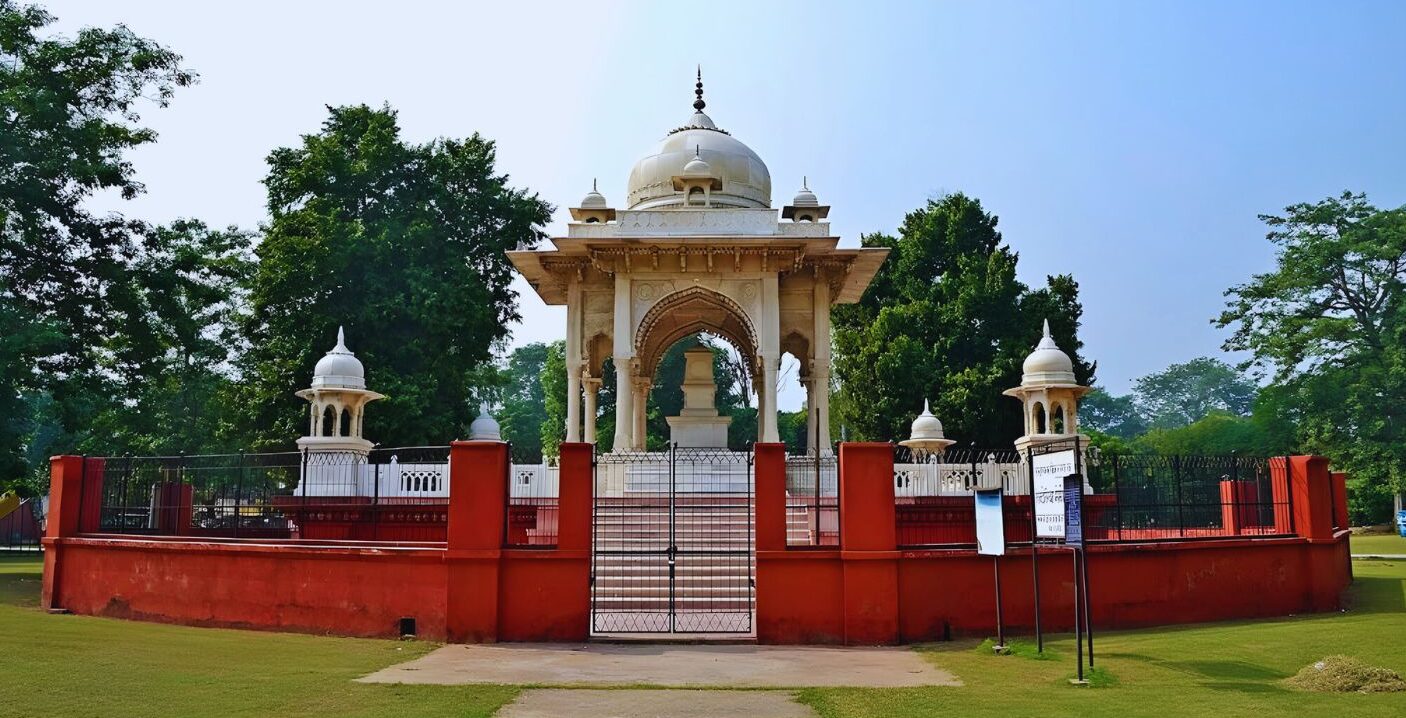
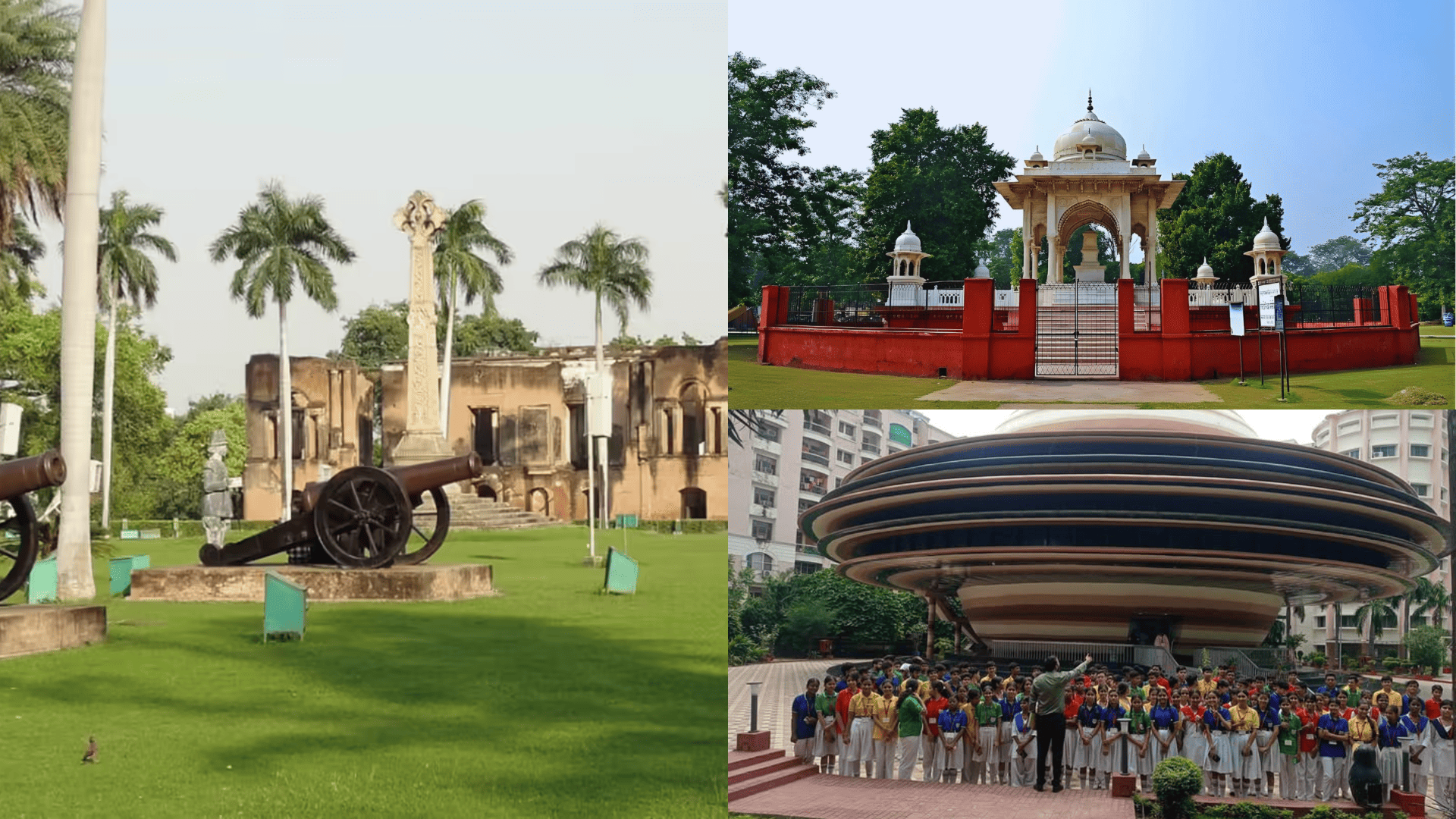
A memorial dedicated to a queen who took on the British East India Company doesn’t sound like natural picnic territory, and yet Begum Hazrat Mahal Park hosted more school lunches than solemn reflection. The fountains ran, the lawns were commandeered, and the 1857 museum got a polite nod before everyone raced back outside. History stood quietly in the middle while packed lunches, races, and questionable frisbee throws happened around it. Somehow, both things coexisted fine.
Indira Gandhi Planetarium
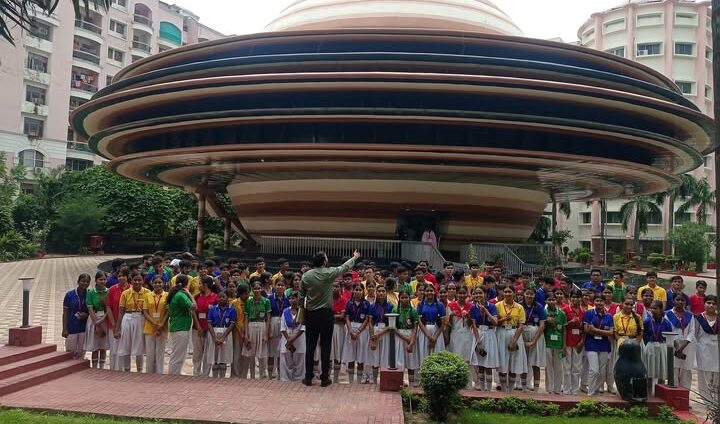
The Indira Gandhi Planetarium is shaped like Saturn, rings and all, and every school trip there began with someone insisting we’d “definitely learn about black holes today.” What we mostly learned was that a dark, cool, reclining-seat theatre is an excellent place to fall asleep after a hot afternoon of picnic chaos. The show ran through galaxies and constellations on a genuinely impressive dome screen. Half the class watched it wide-eyed. The other half used those thirty minutes as a nap opportunity nobody dared admit to. Educational, either way.
The Residency
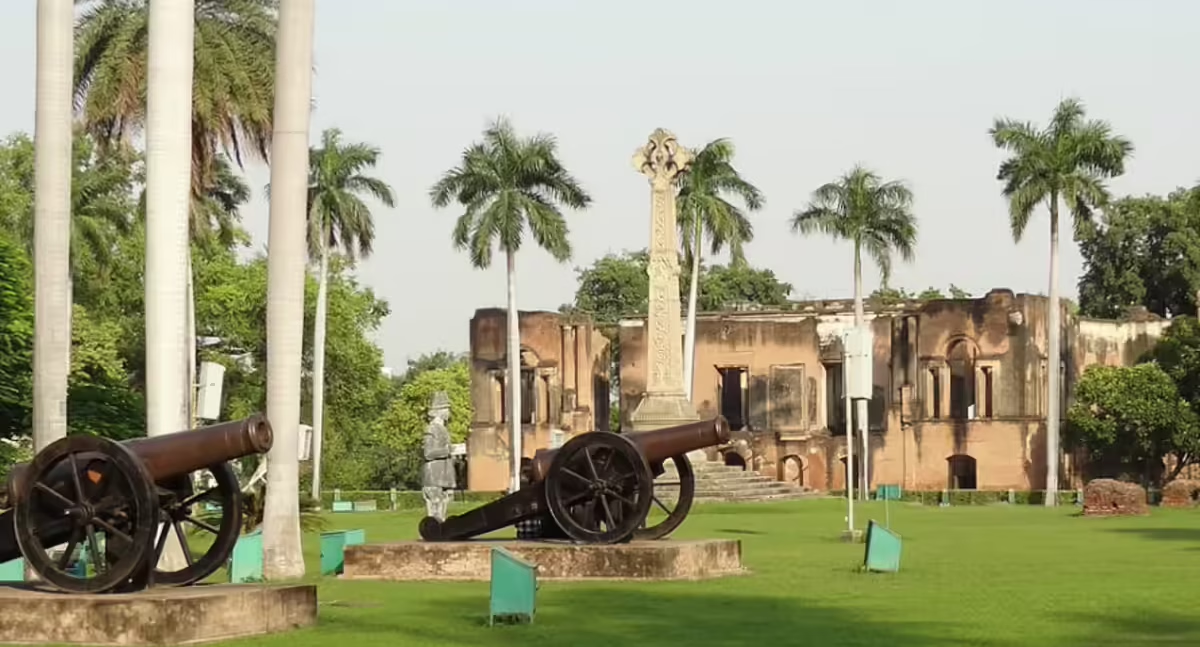
The Residency doesn’t do subtle, bullet-marked walls, a cemetery, ruins left exactly as the 1857 siege left them. It’s genuinely heavy history, the kind meant for quiet reflection. And yet it was also, without fail, everyone’s favourite backdrop for the class group photo, cannon damage and all. Teachers tried explaining the siege timeline near the ruined buildings while half the class was busy finding the best “dramatic ruins” angle for pictures. The lawns were peaceful, the history was real. We mostly remember posing near the bullet holes like they were a photo prop.
Dr. Ram Manohar Lohia Park
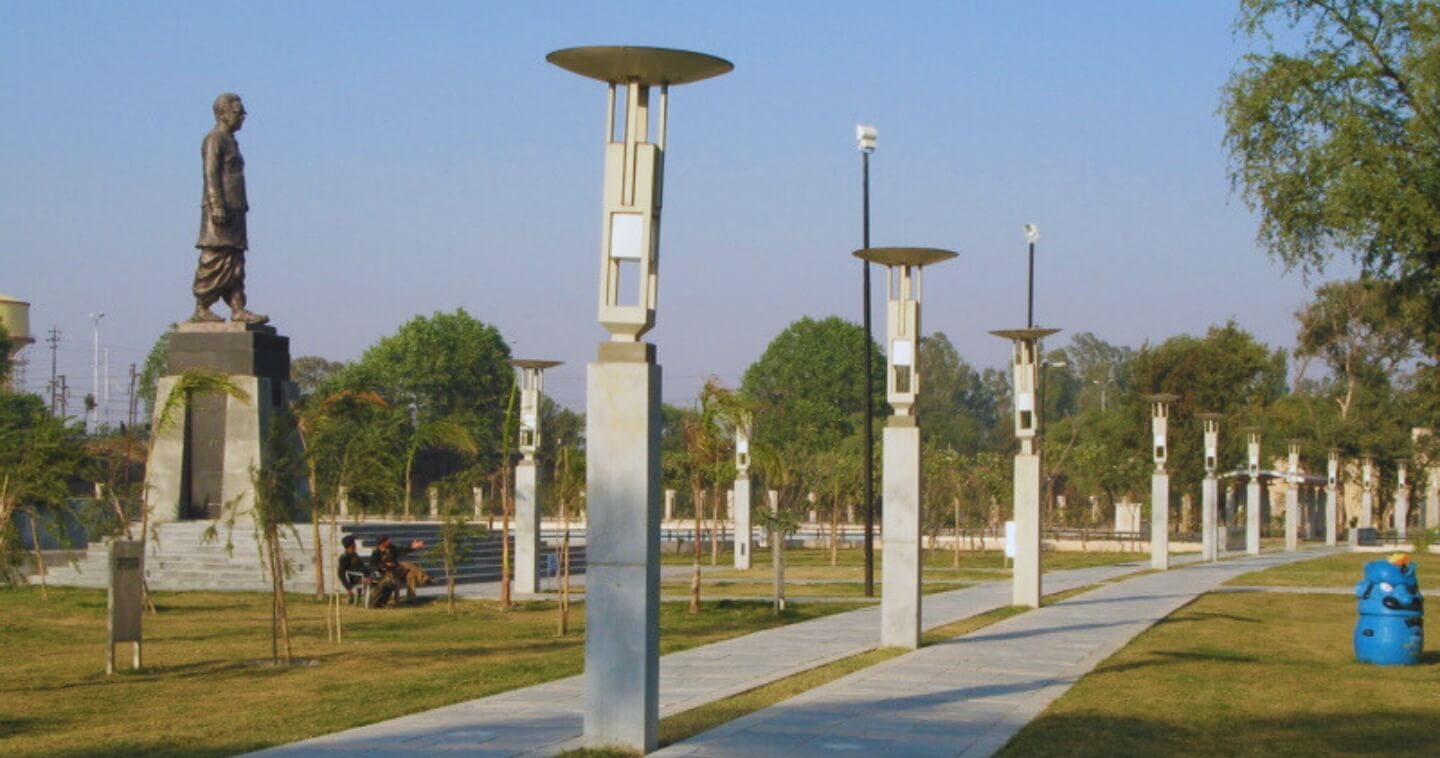
Lohia Park’s whole design brief was clearly “peaceful”, jogging tracks, meditation corners, a lake with fountains that float serenely for morning walkers. School picnics arrived and immediately overrode all of that. The acupressure track became an obstacle course nobody could walk properly. The fish-and-duck pond drew a crowd purely for the ducks, who’d clearly seen it all before and didn’t care. Somewhere between the swings and the amphitheatre, “quiet fitness zone” quietly stopped applying for the day. The park recovered fine. Our shoes, less so, after the acupressure stones.
Amrapaali Water Park & Resort
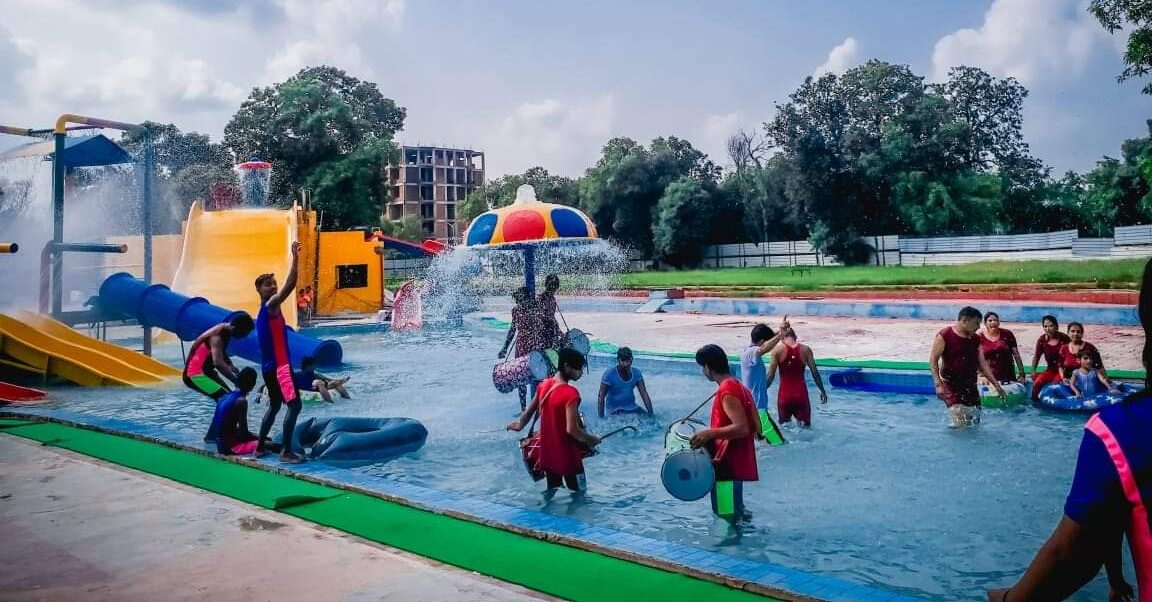
Getting to Amrapali Water Park was its own event, a good 35-40 minutes out on Hardoi Road, enough time for the whole bus to run through every antakshari song twice. Then eighteen slides, a proper wave pool, and a camel ride that nobody saw coming but everyone tried anyway. The Black Hole slide got the screams. The camel got the confused laughter. By the time we piled back onto the bus, soaked and sunburnt, singing had stopped and sleeping had started. Fair trade for a day like that.
Regional Science City
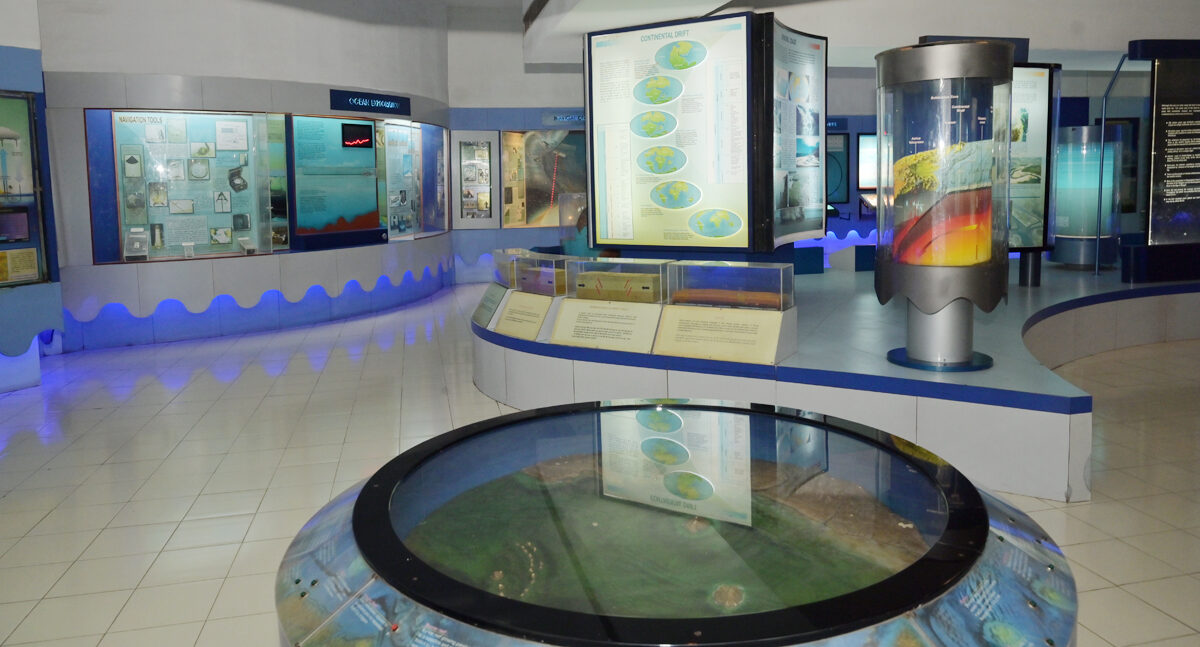
The official itinerary at Regional Science City was always the same, galleries first, 3D show, maybe a Scimax screening if time allowed. What every kid actually looked forward to was the outdoor Life Science Park, where you could run around instead of reading exhibit labels. Teachers herded everyone through Biotechnological Revolution and Underwater Exploration with varying success. The second we hit open ground outside, all pretence of orderly science appreciation vanished. Science City delivered plenty of learning, we remember the running around part significantly more clearly.