








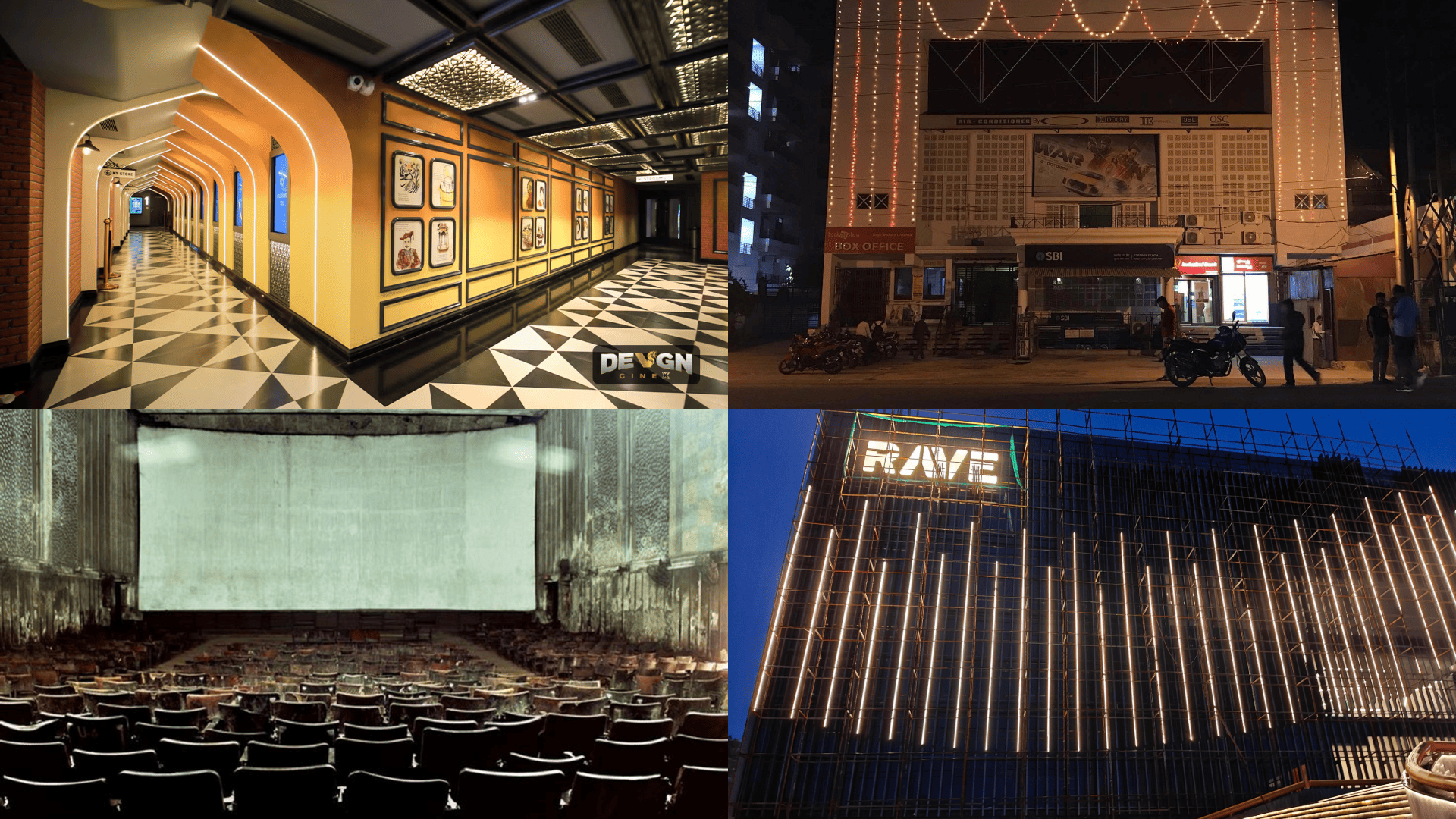
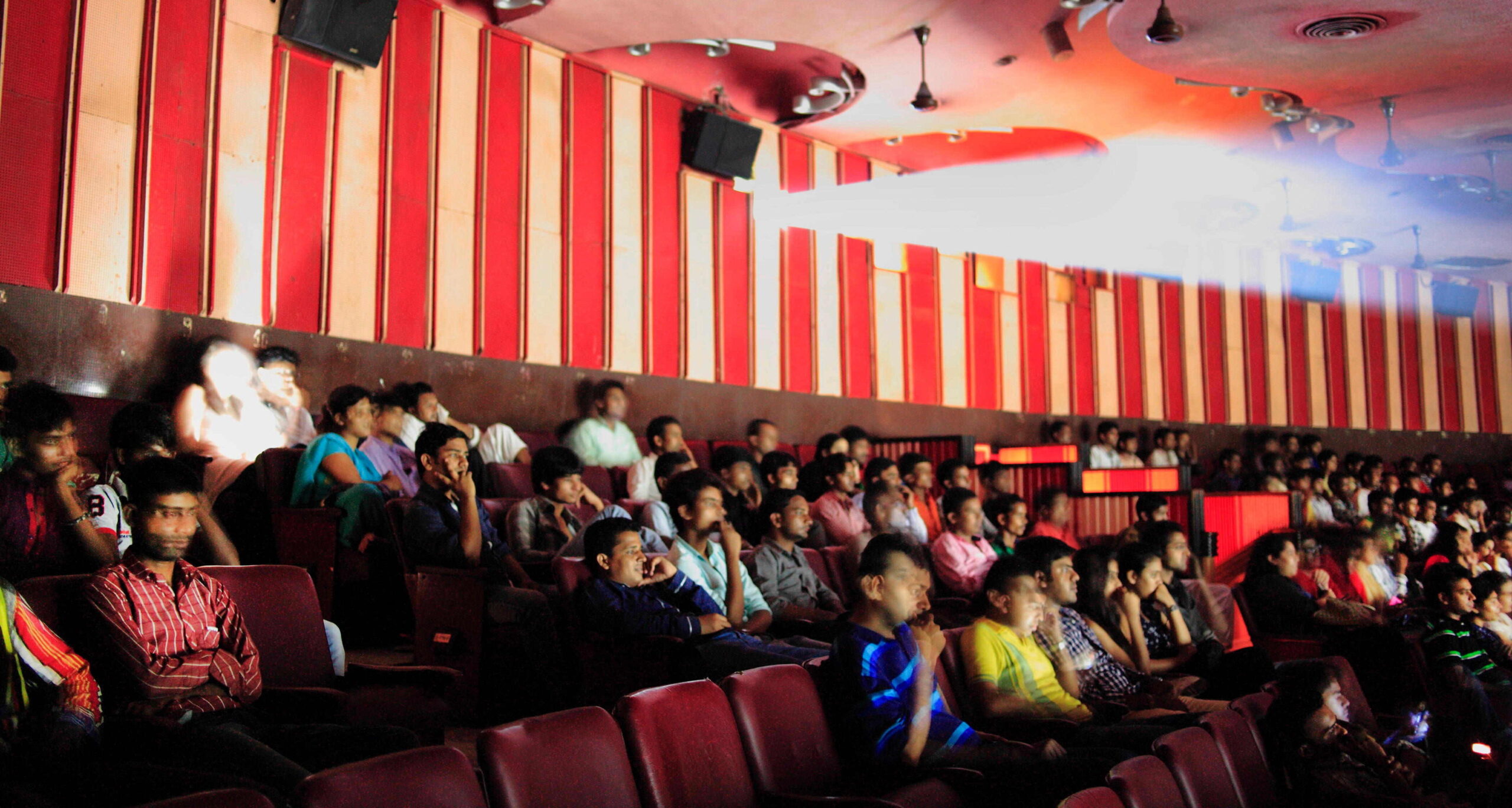
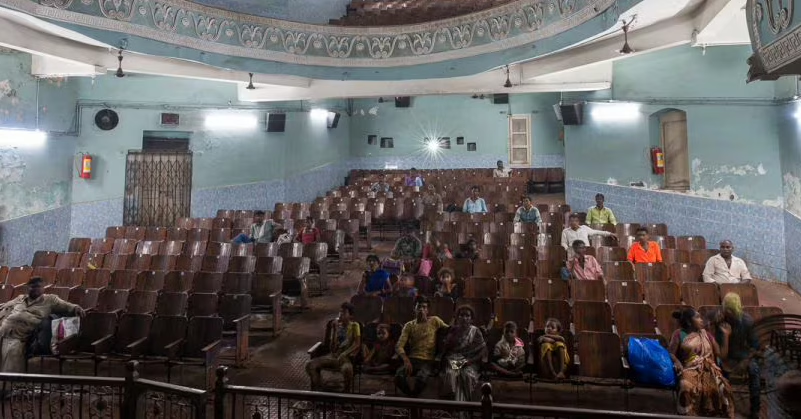
Ask anyone in Kanpur about their first movie, and chances are they won’t just remember the film, they’ll remember the theatre, the seat, maybe even the guy selling samosas outside. That’s what single-screens did to this city before multiplexes turned movie-watching into a mall errand squeezed between shopping. Tickets sold out for cycling distance, coins flew at the screen during the good scenes, and “let’s watch a film” was a whole afternoon plan, not a 6 PM slot. Some of those halls shut down for good. Some got reborn as multiplexes, malls, even a government office. Here are 11 cinemas that quietly built Kanpur’s movie-going memory, running or not, each one still means something.
Heer Palace- Devgn CineX
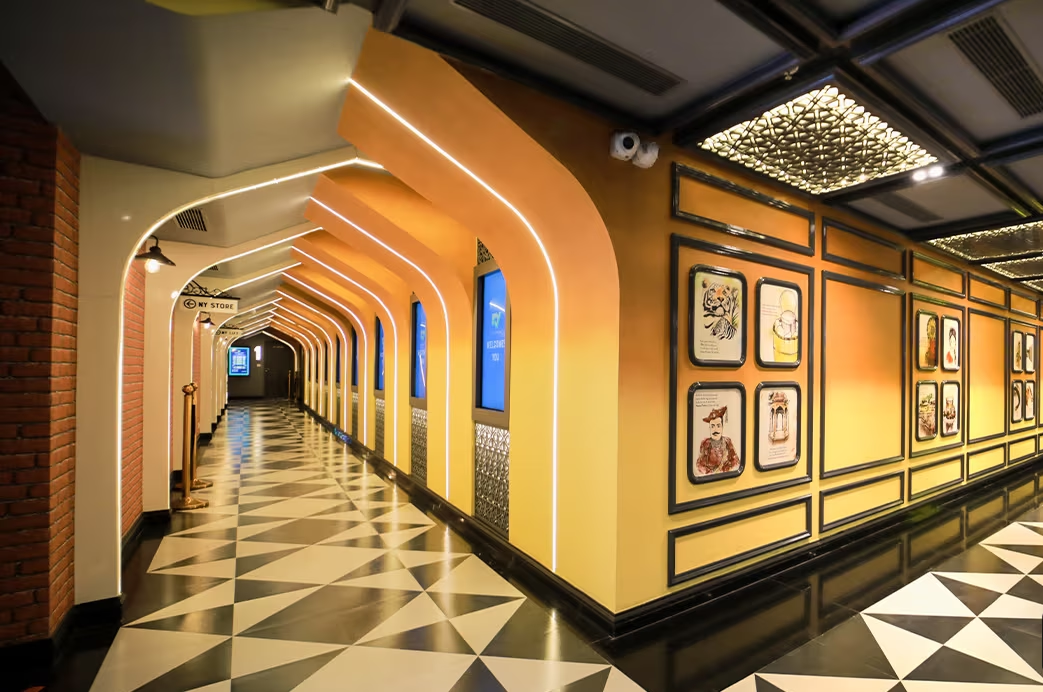
Old cinema halls rarely get a second chance in Kanpur, they either shut their doors for good or get gutted beyond recognition. Heer Palace somehow dodged both endings. Since 1966, it stood on Mall Road as the city’s biggest, most legendary single-screen theatre, the kind of place that probably has more stories than ticket stubs. When its standalone run finally wound down, it could’ve just faded into a “remember when” conversation. Instead, Ajay Devgn’s NY Cinemas stepped in and rebuilt it into Devgn CineX, a proper 3-screen multiplex that somehow kept every bit of the old palace charm intact. Old memory, new screen.
Gurudev Palace- Miraj Cinemas
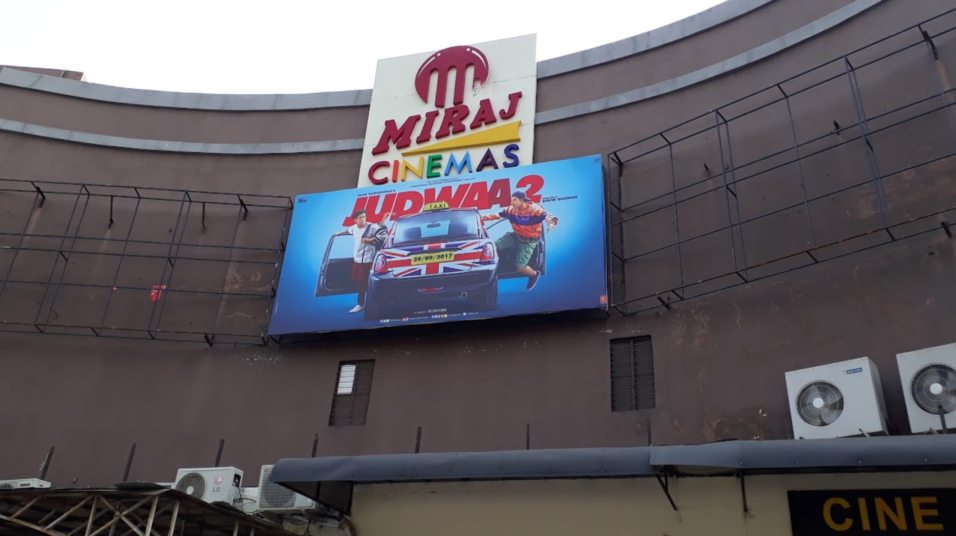
Ask a Kanpur local for directions near Lakhanpur, and there’s a good chance “Gurudev Chauraha” comes up before any actual road name does. That’s how deep Gurudev Palace runs into the city’s memory. Sitting along G.T. Road, this single-screen legend, twinned with the neighbouring Pammi Theater, was popular enough to lend its name to the entire crossing, no further directions needed. In its prime, 520 seats under one screen meant packed houses for every big Bollywood release, the kind of mass energy only a single-screen crowd can pull off. Multiplexes eventually crept in and things slowed down, the way they do everywhere. But Gurudev Palace didn’t fade out quietly; it renovated, kept ticket prices refreshingly low, and stayed exactly where Kanpur’s students and everyday moviegoers still walk in.
Rupam Cinema
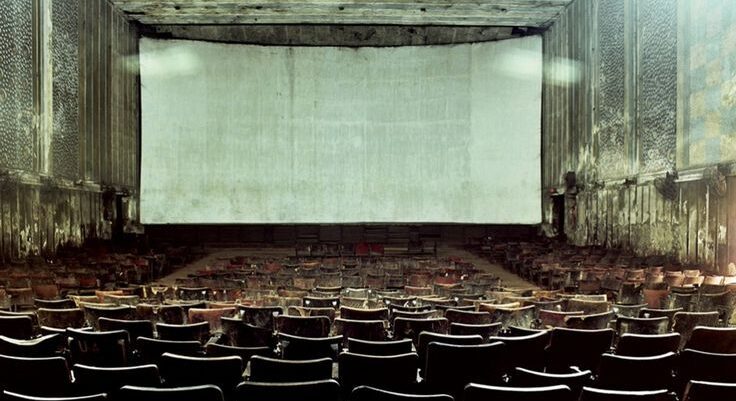
Not every Kanpur cinema gets a happy ending, and Rupam Theatre’s is proof of that. Long before multiplexes existed, this single-screen hall in Chaman Ganj/Colonelganj was simply where the city watched movies, one of over 40 talkies running in Kanpur’s golden single-screen era, pulling in working and middle-class crowds with cheap tickets, balcony seats, and mainstream Bollywood lineups that needed no convincing. Then piracy, entertainment taxes, and multiplexes with sharper sound systems did what they do to every ageing single-screen, ticket sales fell, upgrades got too expensive, and the shutters came down for good. Rupam Chauraha still carries the name, the theatre itself doesn’t get to.
Imperial Cinema
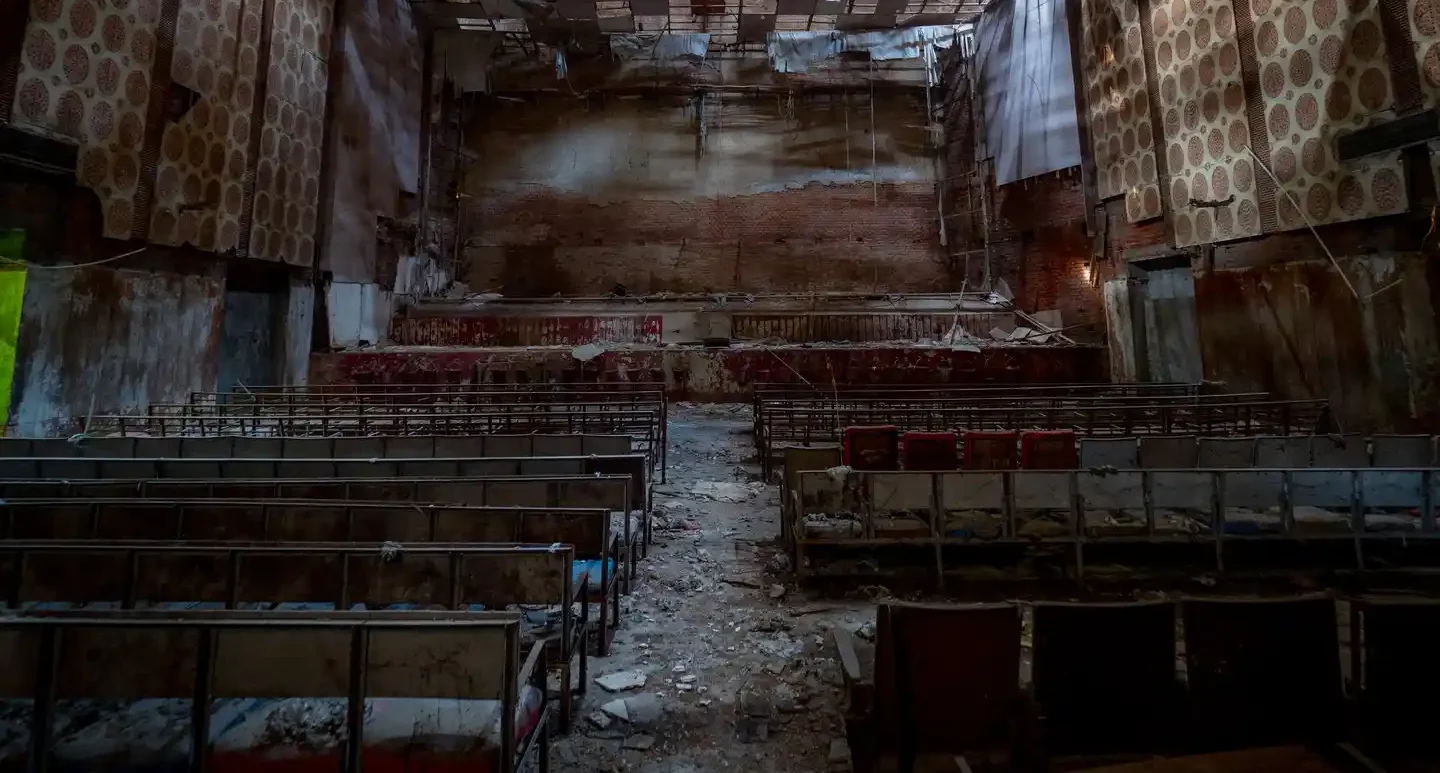
An “old, dedicated Ladies’ Cloak Room” signboard doesn’t survive by accident, it survives because a cinema once had a name to live up to. Imperial Cinema, on Mall Road’s Parade area, was exactly that in its mid-century prime, standing shoulder to shoulder with Roopam, Navrang, and Vivek. While multiplexes squeezed single-screens out across India, Imperial held on by keeping tickets stubbornly affordable, becoming a working-class haven even as its audience quietly narrowed to an almost entirely male, mass-entertainer crowd. The regal staircases stayed, but the maintenance didn’t, peeling upholstery and worn-out seats becoming the last visible chapter of a theatre that once had a proper name to match its aesthetic.
Novelty Cinema
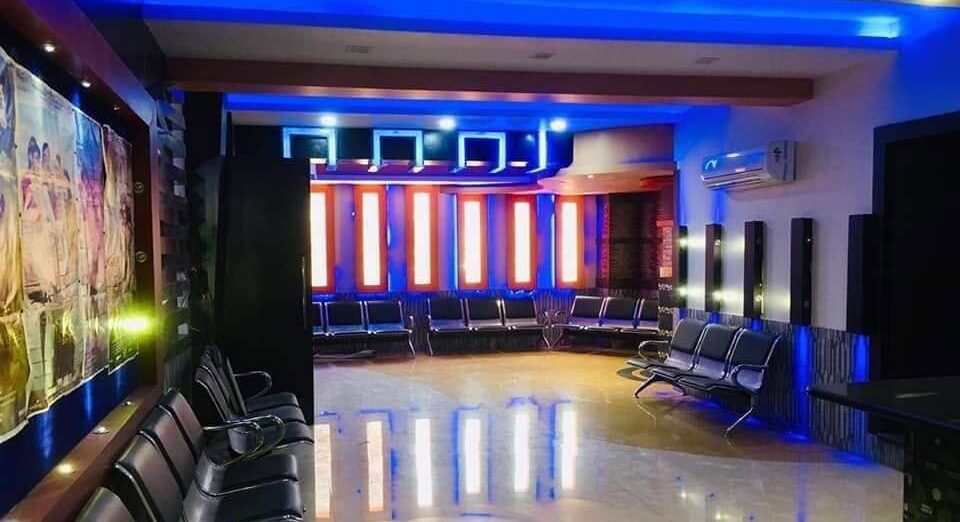
Say “Novelty Cinema” in Kanpur and someone will inevitably think you mean the one in Lucknow. Fair mix-up, but Kanpur’s Novelty has its own 75-plus-year story, one that has nothing to do with its more famous namesake. Tucked into Latouche Road’s Khoya Bazar, right in the middle of what was once a buzzing hub of traders and weavers, it opened as the neighbourhood’s affordable slice of Bollywood’s golden era. When multiplexes and streaming came for single-screens everywhere, Novelty didn’t just fold, it rebuilt itself inside the Novelty Commercial Complex, modernised its screens, and kept going. Still running, still screening, still very much not Lucknow’s.
Himachal Talkies- Movietime Cinemas
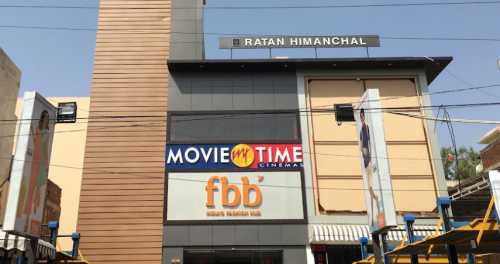
Gumti No. 5 without Himachal Talkies would’ve been unthinkable back in the day, this was where the neighbourhood actually gathered, not just watched movies. Standing alongside legends like Heer Palace and Pardesh, it spent decades pulling in families for the biggest Bollywood releases of the celluloid era. But instead of shutting down when single-screens started struggling, Himachal Talkies went all in on reinvention, reborn as Ratan Himachal Mall, a full multi-story complex with shopping, dining, and a movie theatre (now Movietime Cinemas) offering both 2D and 3D screens. Same address, same crowd-pulling instinct, just wearing a mall’s clothes now.
Jugul Palace Cinema
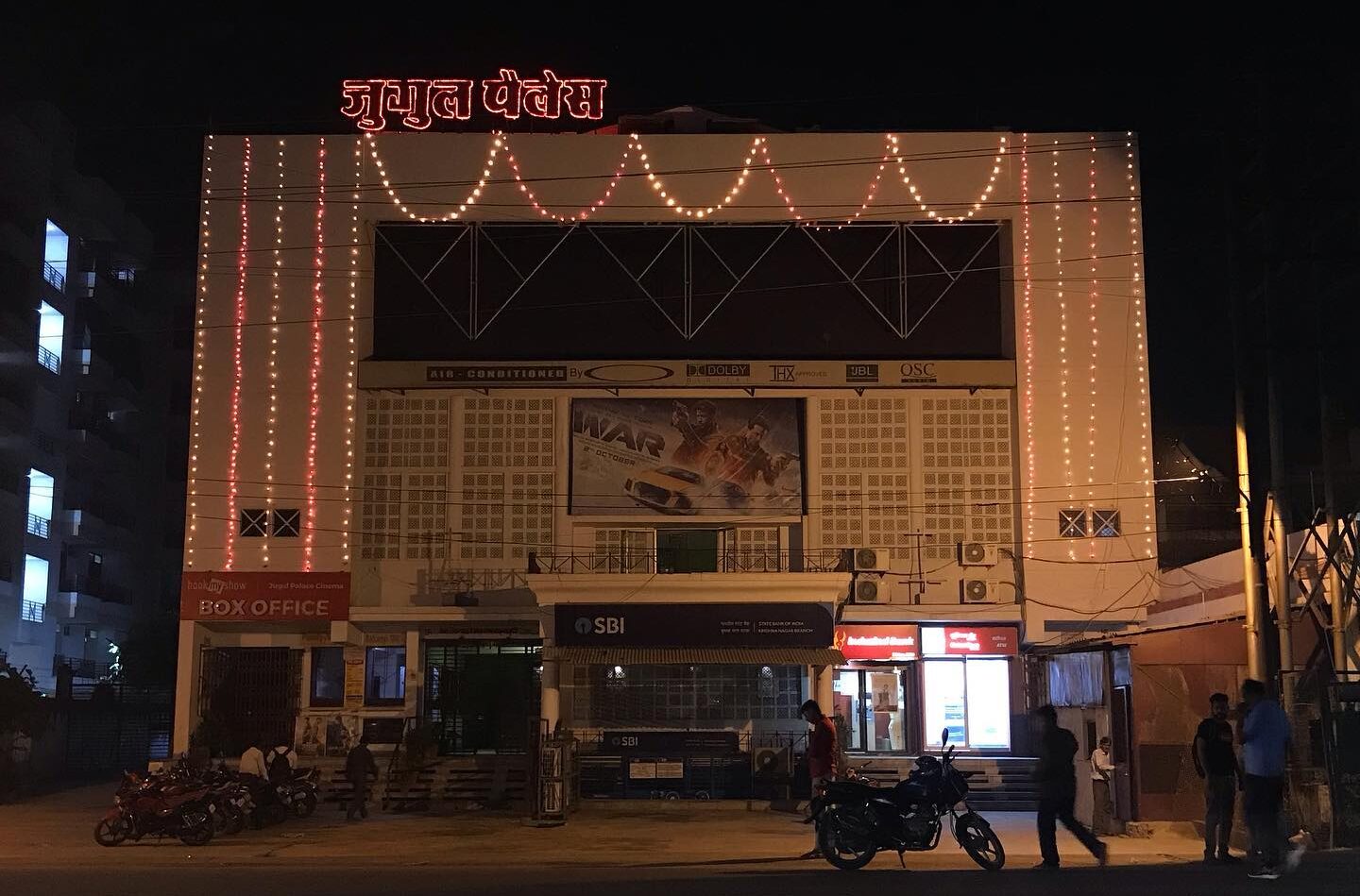
PVR and INOX play one game; Jugul Palace Cinema has always played a different one entirely, and won it on its own terms. Sitting in Krishna Nagar, this single-screen holdout from Kanpur’s old cinema era never tried competing on luxury, it just kept ticket prices low enough that college crowds and budget-conscious moviegoers never had a reason to leave. That doesn’t mean it stood still, a 70mm screen and Dolby Digital sound quietly crept in, upgrading the experience without upgrading the price tag. Classic double-tier seating, an old-school ticket counter that still exists, and yes, you can now book it on BookMyShow too. Vintage, but not behind.
Deep Cinema
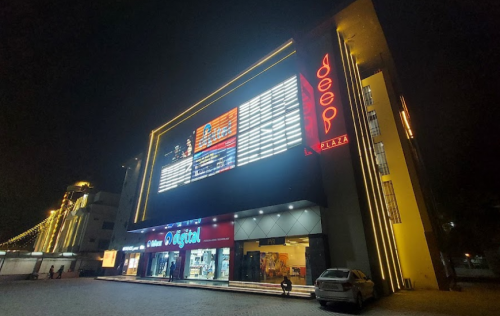
There’s a road in South Kanpur that still runs through Saket Nagar and Juhi Kalan carrying a cinema’s name, Deep Cinema Road, long after the cinema it was named for stopped looking anything like its old self. That’s how foundational Deep Cinema once was, standing for decades as South Kanpur’s go-to single-screen landmark. Instead of fading out like so many of its contemporaries, it caught PVR’s attention, and the takeover that followed wasn’t a small facelift, multi-screen layouts, push-back seating, premium recliners, proper 3D projection, digital ticketing, the works. The name on the road stayed old-school, everything behind it didn’t.
Moti Palace
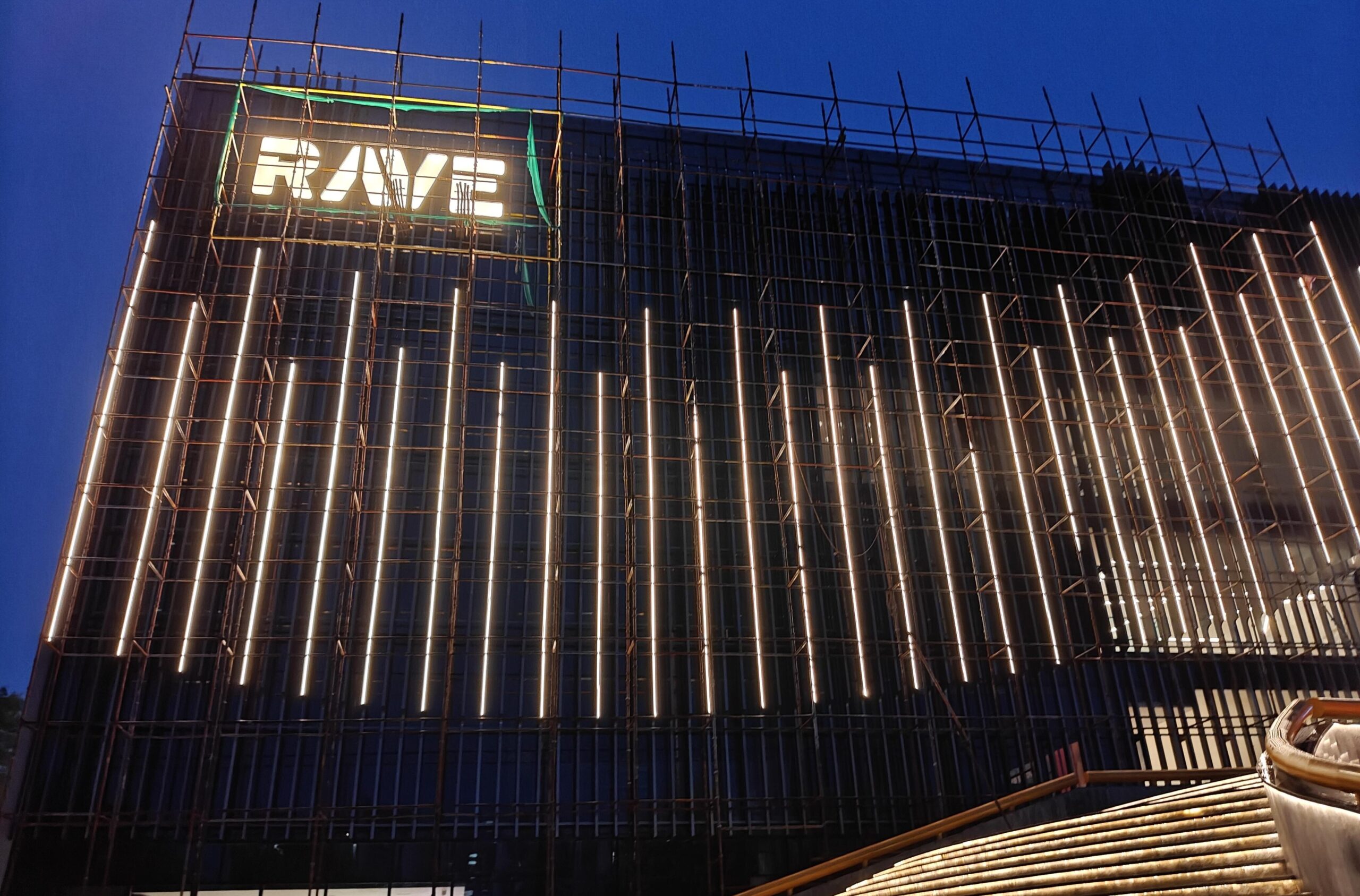
Coins flying at the screen mid-blockbuster, whistles drowning out dialogue, that was Moti Mahal Cinema Hall in its prime, Latouche Road’s beloved single-screen where Kanpur’s working-class families watched movies the loud, unapologetic way. That energy didn’t just disappear when the theatre’s era ended, it got a serious upgrade. The “Moti” name resurfaced as Rave@Moti Mall in Rawatpur, which wasn’t just another multiplex, it became India’s first multiplex in a non-metro city, now running under Carnival Cinemas. Same enthusiasm, same city, just recliners instead of coin-throwing now. The name survived, the chaos got civilised.
Regal Cinema
Some cinemas fade into memory when they shut down. Regal Cinema got repurposed instead, same Mall Road building, completely different queue. For decades, this single-screen giant pulled in crowds from both Kanpur city and the Cantonment, riding on a name it shared with equally legendary Regals in Delhi and Mumbai. Then multiplexes like INOX moved in, ticket sales dried up, and Regal shut its doors the way most single-screens eventually did. But instead of being demolished or left to rot, Regal Building found a second act, it now houses Kanpur’s central Aadhaar Seva Kendra, so locals still line up there today. Just for a UIDAI form now, not a film.natraj
Natraj Cinema
When Mall Road’s theatres ran out of tickets, Kanpur didn’t just give up on movie night, people cycled all the way to Govind Nagar to try their luck at Natraj Cinema instead. That’s the kind of pull this single-screen giant had on DBS Road, pulling in crowds from Gumti, Chaman Ganj, and beyond, and becoming so central to the area that businesses like Natraj Digital Studio built their entire address around it. The frantic ticket-window rush, the community energy, all of it eventually gave way to changing times; the space now houses Natraj Aurum Mall. The cycling crowds are gone, the nostalgia still isn’t.