

















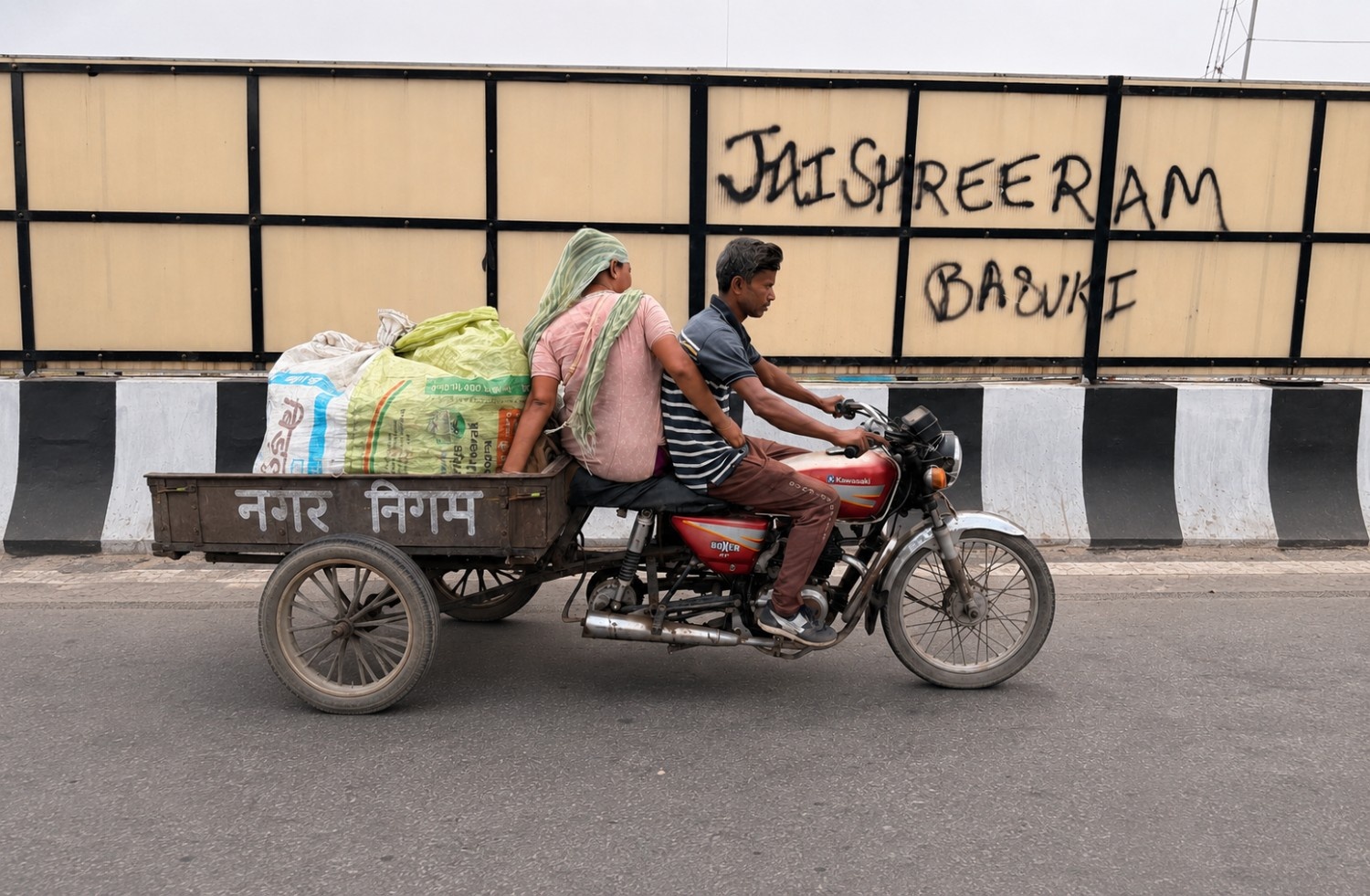
‘Jugaad’ remains far more deep-rooted in UP cities than in most other parts of India. People practically live on jugaad, and in some cases, even run on the roads with it, making their entire livelihood through it. This is particularly true when referring to the motorcycle or scooter-backed jugaad thelas that commonly ply on the roads of Lucknow.
You might wonder what happens to the 20-year-old scooter or motorcycle you sold to the kabadiwala. Well, it turns out they aren’t scrapped as often as you’d think. These old two-wheelers, which were nearly dead or running on their last legs, are attached to thelas, modified in not-so-reliable ways, and turned into these hybrid-looking monstrosities. Sure, they do make life easier for the person using them. They’re no longer required to manually pedal their thela, logistics become much easier, and transporting goods is more convenient. But there’s a much bigger concern behind these jugaad thelas.
The Convenience Comes at a Cost
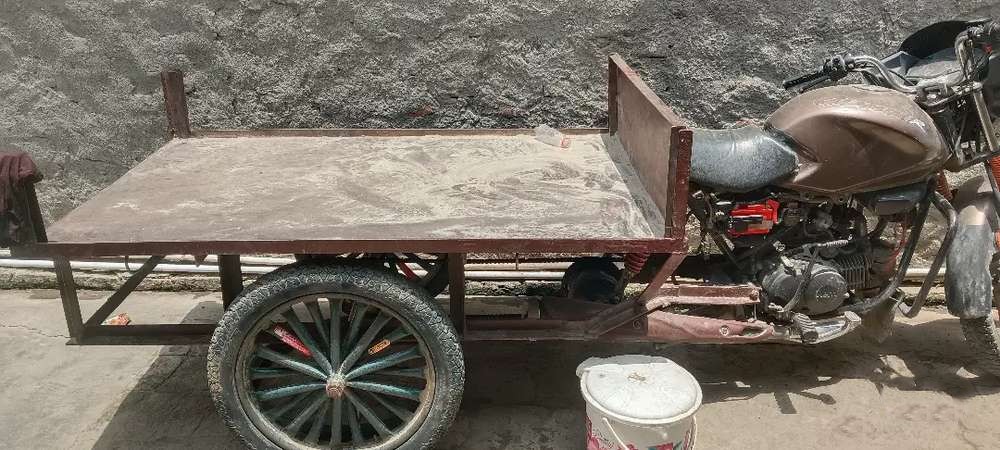
Two major concerns actually. The first is pollution. Most of these vehicles are built using decades-old motorcycles or scooters that were already nearing the end of their service life. Their engines are typically far less fuel-efficient than modern ones and often lack contemporary emission-control technologies such as catalytic converters or proper fuel management systems. As a result, they are more likely to emit higher levels of carbon monoxide (CO), hydrocarbons (HC), particulate matter (PM), and other harmful pollutants, especially when they are poorly maintained or heavily loaded.
The second is safety. These thelas are not engineered, tested, or certified to any automotive safety standards. They are usually fabricated by cutting and welding together a two-wheeler with a hand-built cargo frame, without any formal design validation, load testing, or structural analysis. The chassis, suspension, braking system, steering geometry, and weight distribution are never intended for such modifications. This makes them inherently less stable, less reliable, and more prone to mechanical failures. In the event of a breakdown or component failure, they can obstruct traffic, increase the risk of accidents, and compromise the safety of both the driver and other road users.
A Question of Fair Enforcement
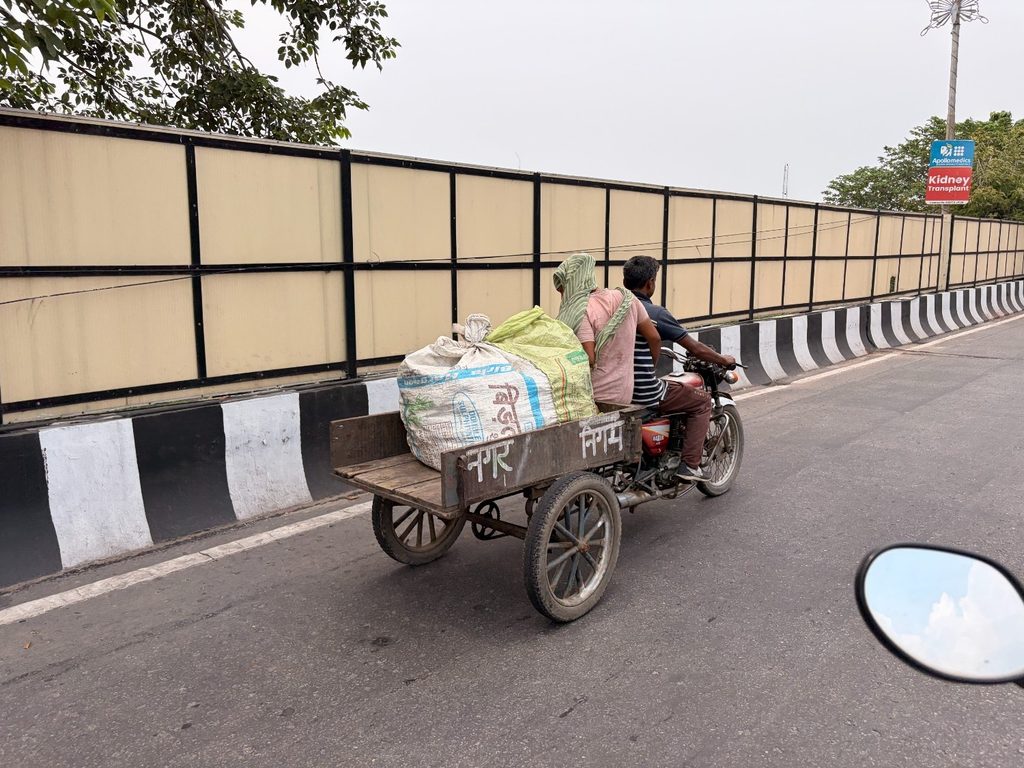
The biggest thing that needs to be pointed out is that these vehicles are completely illegal to use on public roads. Under Section 52 of the Motor Vehicles Act, altering a vehicle so that it no longer matches the manufacturer’s approved specifications is prohibited by law. And let’s be real, even if someone were to try getting permission for such heavily modified jugaad thelas, it’s hard to imagine any RTO approving them, considering they don’t meet basic safety or design standards. In simple terms, these vehicles continue to roll freely on our roads despite being illegal.
Now, this isn’t about targeting someone who’s earning an honest living. Many people depend on these thelas to make ends meet. But the law is supposed to be the same for everyone. If traffic police regularly stop modified cars, penalise aftermarket modifications, or issue fines for black window films, then the same rules should also apply to illegally modified jugaad vehicles. The issue isn’t the people using them; it’s whether the same standards of safety and legality are being enforced for every vehicle on the road.
Safer Alternatives Do Exist
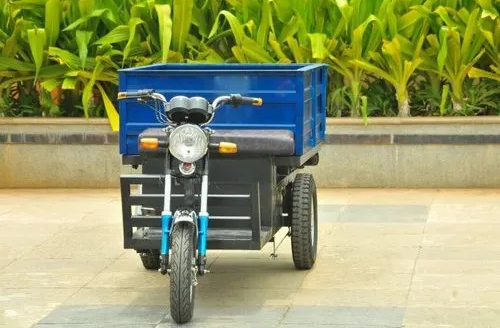
A good alternative that’s already becoming common on the roads is the battery-powered pickup rickshaw. Similar in purpose, these vehicles are factory-built, manufactured following industry standards, readily available from e-rickshaw manufacturers, and significantly better for the environment. Sure, building a jugaad thela may cost much less, but renting or investing in a battery-powered cargo vehicle could be a far safer and more practical alternative in the long run.
All in all, there’s nothing wrong with finding smarter ways to earn a living, but they shouldn’t put lives, traffic, or the law at risk.