















If you think Ahmedabad’s claims to fame begin and end with crispy fafda-jalebi spreads, prepare for a wake-up call. Behind the sensory buzz of India’s first UNESCO World Heritage City lies a remarkable creative legacy shaped by centuries of skilled craftsmanship. From sacred cloth paintings to gold-woven brocades once favoured by royalty, the city’s artistic traditions tell stories that are just as fascinating as its architecture and food. If you’re looking to discover the 7 legacy crafts from Ahmedabad, this guide offers a closer look at the homegrown art forms that continue to define the city’s cultural identity.
Mata ni Pachedi
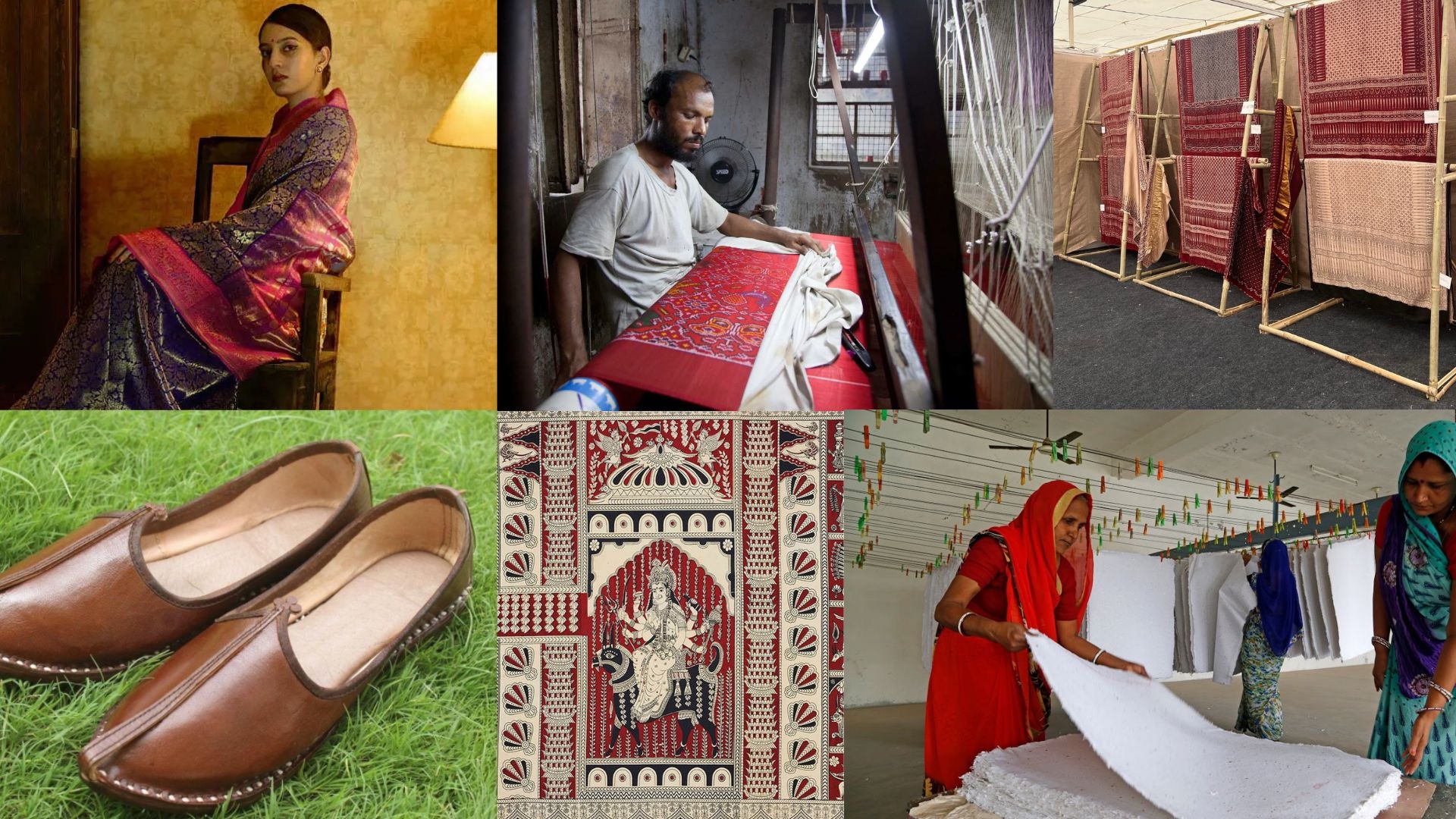
Centuries ago, when the nomadic Vaghri community was barred from entering traditional brick temples, they simply painted their own. Using bamboo pens (kalam) and carved wooden blocks on raw cotton, they created Mata ni Pachedi, turning plain fabric into portable, painted sanctuaries hung in open fields. Limited to a palette of black, red, and white derived from rusted iron, jaggery, and madder root, these textiles earned a prestigious Geographical Indication (GI) tag in 2023. Today, master artisans like the Chitara family in Vasna still boil, paint, and wash these masterworks in the Sabarmati River. Further, you can marvel at vintage panels at Ahmedabad’s Calico Museum.
Where to Buy: Garvi Gurjari
Aashavali Brocade
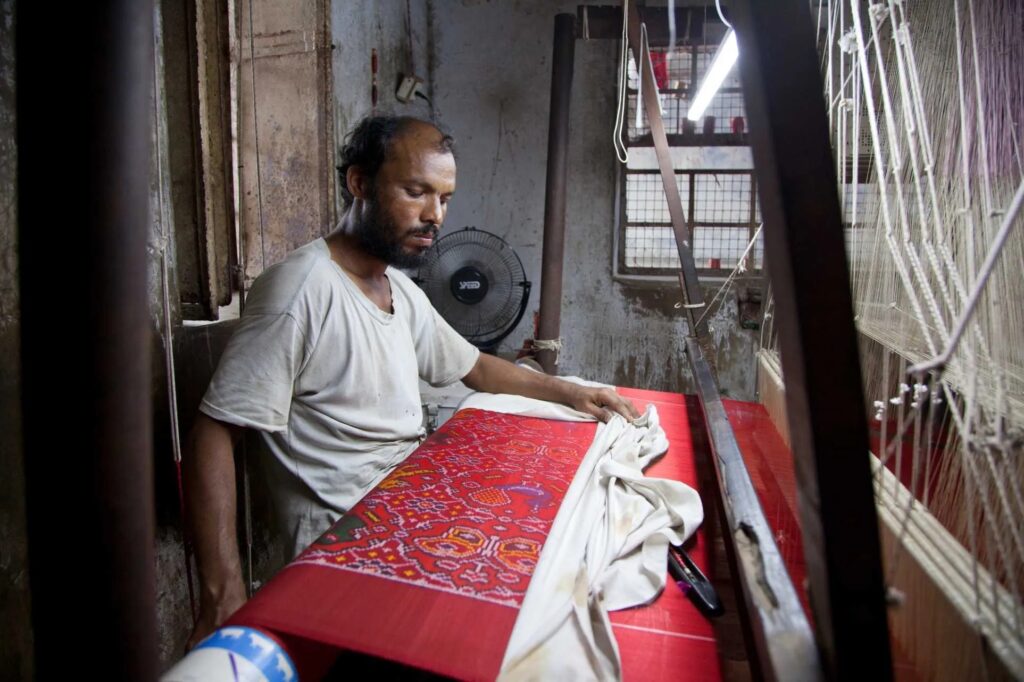
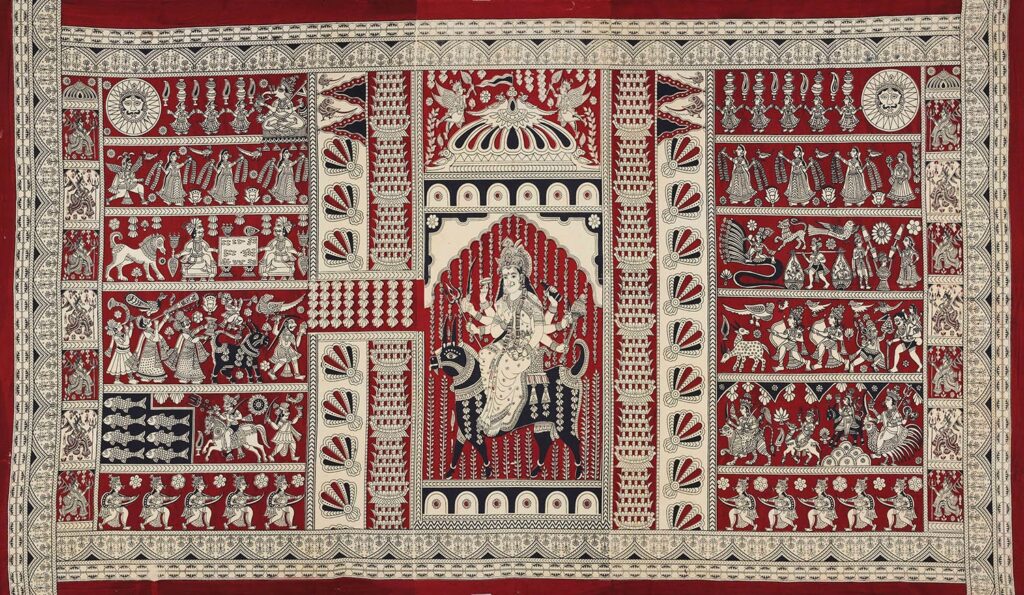
Long before Banarasi silk became the queen of Indian weddings, Ashaval (the ancient city that became Ahmedabad) was weaving luxury. Solanki kings and Mughal emperors fell head over heels for Aashavali brocade, commissioning lavish drapes woven with silk and drawn gold wire (zari). What makes it an absolute showstopper is its raised, 3D-like embossed texture, achieved through heavy gold thread (kalabattu) framing signature Gujarati motifs like parrots (mor), elephants (hathi), and betel leaves (paan). While power looms almost erased this craft, design showcases at NID are bringing this royal drape back into high fashion.
Where to Buy: Heritage boutiques on C.G. Road
Kagzi
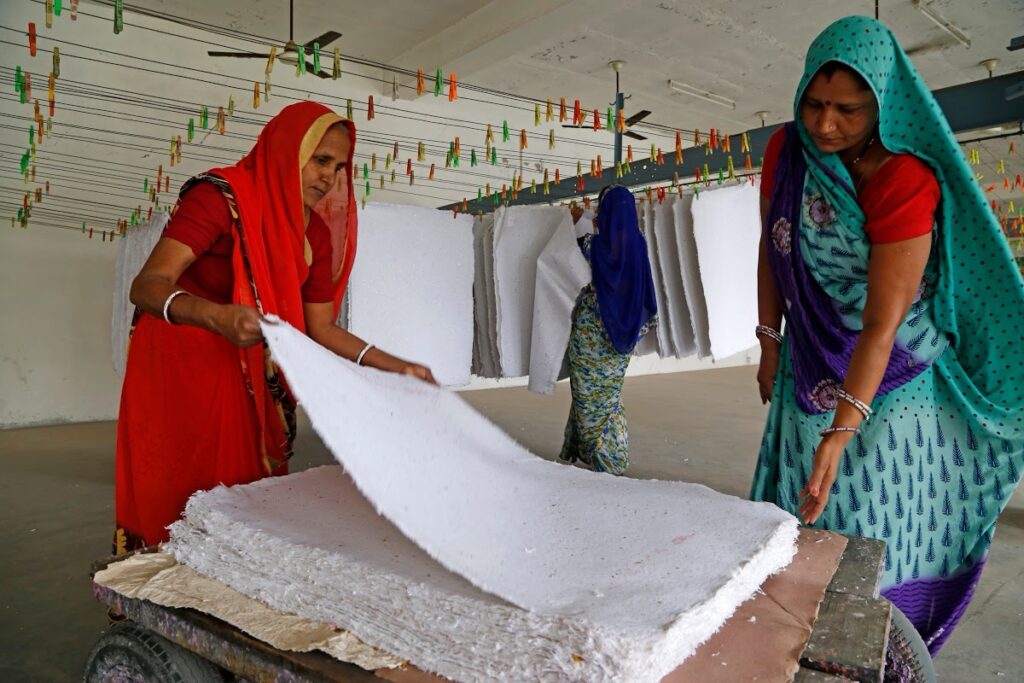
Before digital spreadsheets and cloud storage, Ahmedabad’s booming merchant empires ran on paper. Indestructible parchment made by the local Kagzi community. Settling along the Sabarmati River in Kagzi Mohalla, these paper-makers churned out ledger sheets (chopda) that kept the city’s trade ledgers intact for generations. Instead of chopping down trees, these eco-pioneers used cotton rags, jute scraps, and zero harsh bleaching chemicals. Each sheet was hand-dipped using mesh screens and sun-dried on plaster walls, leaving a deckle-edged finish.
Where to Buy: Kalamkush Workshop inside Sabarmati Ashram.
Khadi
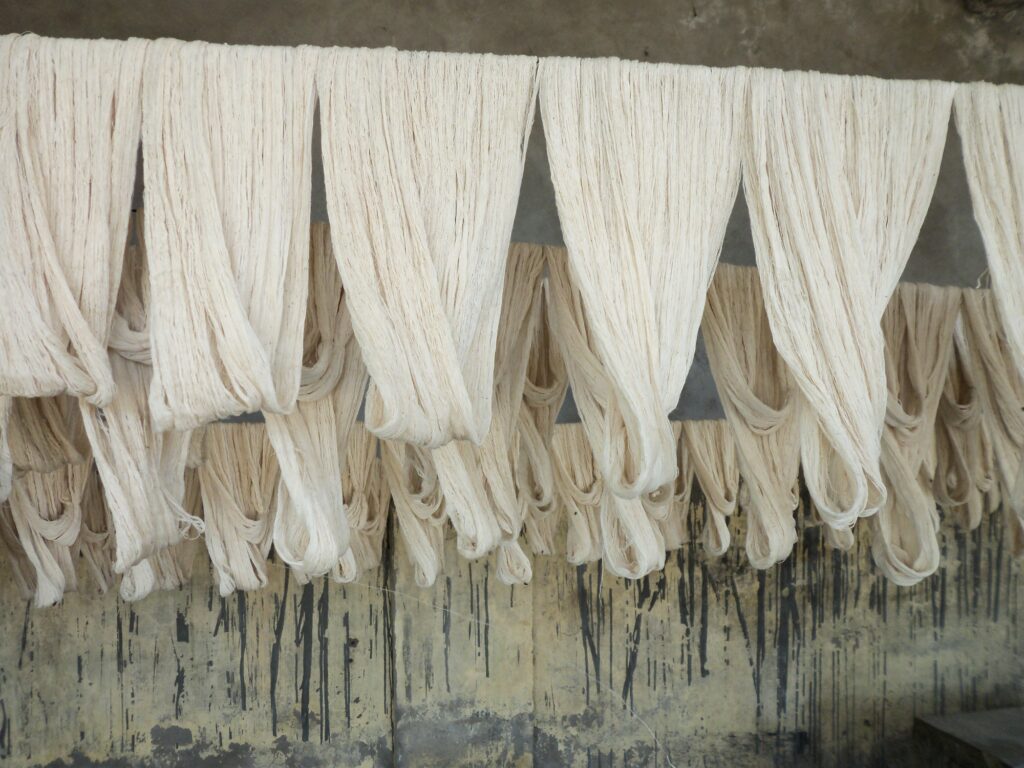
Khadi wasn’t born in Ahmedabad, but Mahatma Gandhi gave it a serious promotion here. In 1917, he set up hand-spinning looms at Sabarmati Ashram, turning hand-spun cotton into a symbol of self-reliance (Swadeshi) that delivered a direct blow to imported British textiles. Spun on a wooden charkha, Khadi’s signature organic slubs allow the fabric to breathe in scorching heat while holding warmth when the temperature dips. Today, it has shed its political image for high-fashion status. Head over to Sabarmati Ashram to view historic looms.
Where to Buy: Khadi Gramodyog Bhavan
Saudagari Block Print
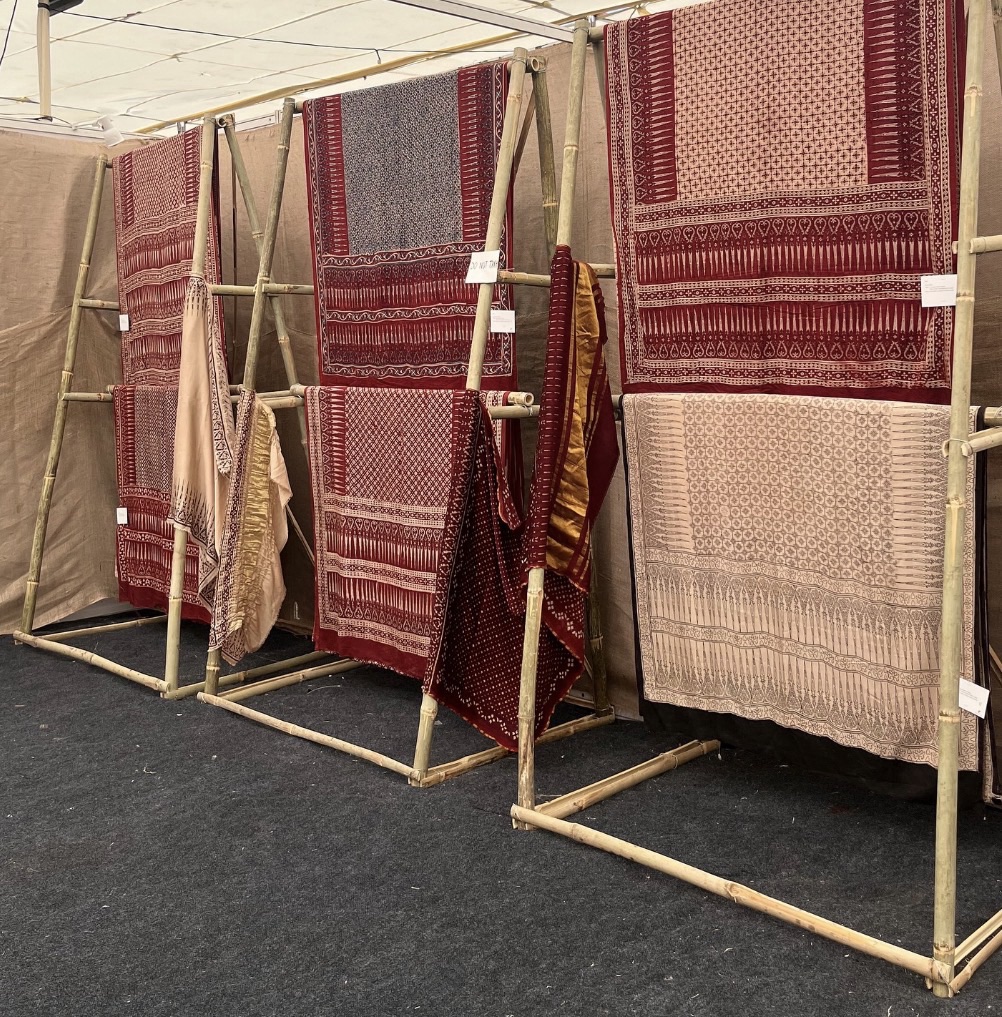
Saudagar means trader, and true to its name, this delicate print style was created in 19th-century Ahmedabad exclusively for export to Thailand (then Siam). Thai royals and citizens went wild for these fine, geometric-printed cotton cloths, wearing them as court robes (chongkraben). Unlike chunky everyday block prints, Saudagari requires microscopic precision. Master craftsmen (gadhai) carve teakwood blocks with tiny geometric lattices and micro-dots (makkhi prints), requiring hundreds of perfectly aligned manual stamps on every length of fabric. Do check out historic examples at the Ahmedabad’s Calico Museum of Textiles.
Where to Buy: Behrampura
Mojdi Craft
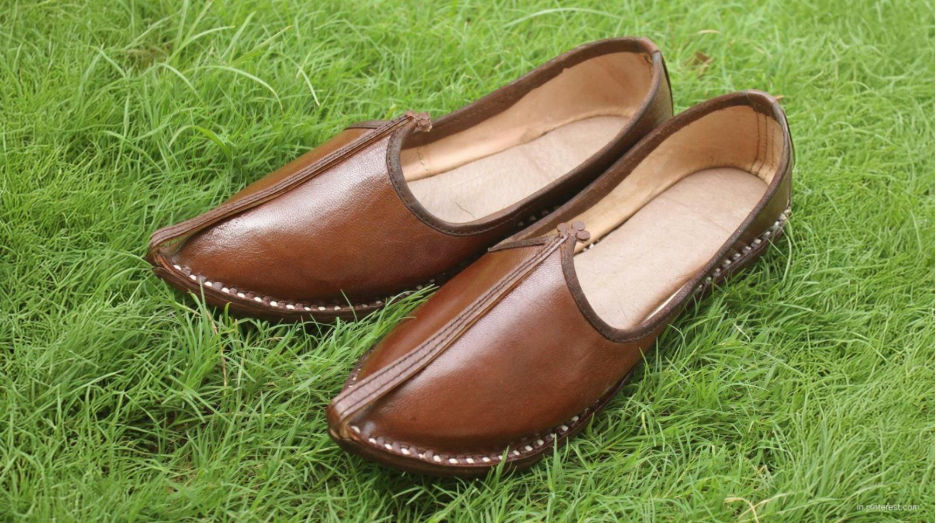
Footwear in Ahmedabad has always been a major flex. The local Mochi community perfected mojdi. A pointed, slip-on leather shoe designed to keep feet cool and comfortable while kicking up dust in the Old City lanes. Crafted completely without metal nails, these shoes are held together with tough cotton stitching and decorated with metallic zari, mirrorwork, and punch-hole patterns. Today’s shoemakers have added soft leather lining and cushioned soles so they pair just as easily with modern denim as wedding sherwanis.
Where to Buy: Madhupura, Law Garden.
Bandhani
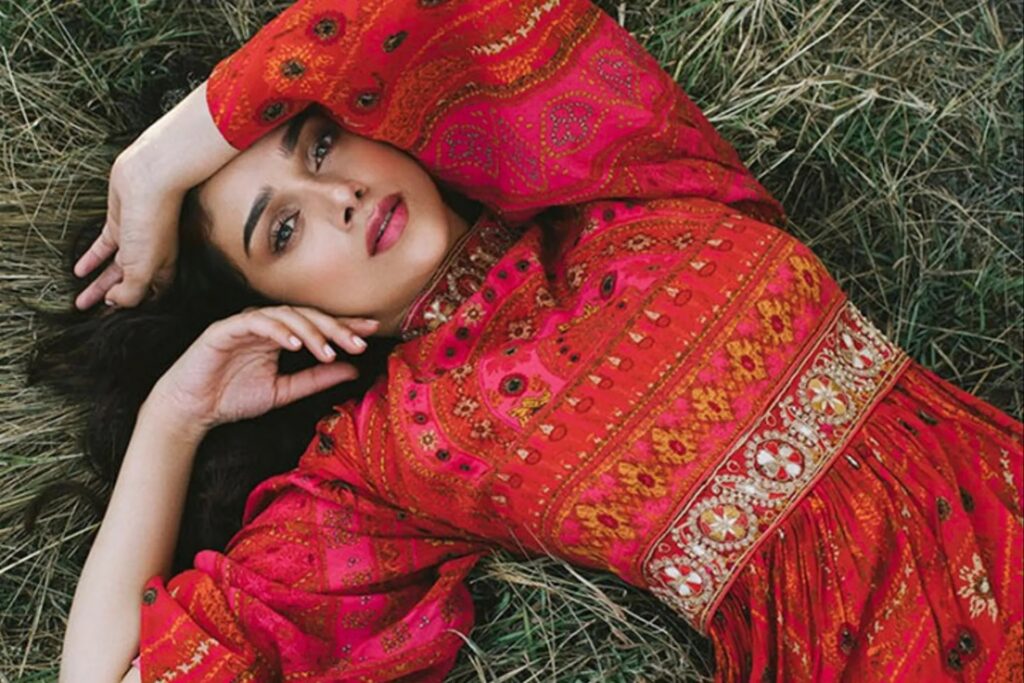
While tie-and-dye (Bandhani, from bandh meaning to tie) has roots across Kutch and Jamnagar, Ahmedabad became the commercial megahub that brought this knotty craft to world markets. The city’s bazaars turned rural artisans into household names and created timeless bridal staples like the grid-patterned Gharchola. Artisans use their fingernails to pinch tiny sections of silk, binding them tightly with thread before submerging the cloth into dye. Untying the knots reveals thousands of white and yellow dots forming patterns.
Where to buy: Ratanpole, Rani no Hajiro, Dhalgarwad
Supporting the Makers
Ahmedabad’s charm isn’t locked away in glass museum cases—it’s alive in the dye vats, loom shuttles, and woodshop benches tucked inside its historic streets. Next time you’re exploring the city, skip the mass-produced souvenirs and bring home a piece of authentic handcrafted history directly from the makers.