












Kanpur may be known for its industries and bustling streets today, but scattered across the city are remarkable reminders of its British-era past. From soaring Gothic spires and grand railway facades to stately civic buildings, colonial hospitals, and red-brick industrial giants, these landmarks have witnessed the city evolve over generations. Their arches, domes, clock towers, and intricate detailing tell stories of a different era, one marked by architectural ambition and historical significance. Together, they offer a fascinating glimpse into the heritage that helped shape modern-day Kanpur.
Christ Church
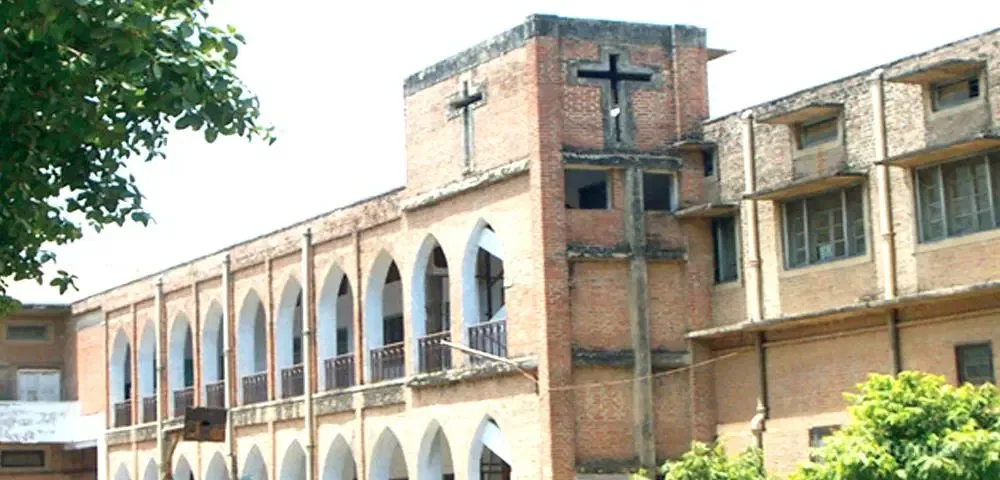
Amid Kanpur’s Civil Lines, the British-era Christ Church rises as a red-brick Gothic landmark, echoing the city’s colonial past. Built in 1875 by Walter Granville and Henry Yule in Lombardic Gothic style, its arches, spires, and intricate detailing capture the grandeur of 19th-century design. The Memorial Garden, with a carved Gothic screen and an angel linked to the Bibighar tragedy by Baron Carlo Marochetti, adds a poignant historical layer. More than architecture, Christ Church stands as a living window into Kanpur’s layered, storied past.
Cawnpore Kotwali
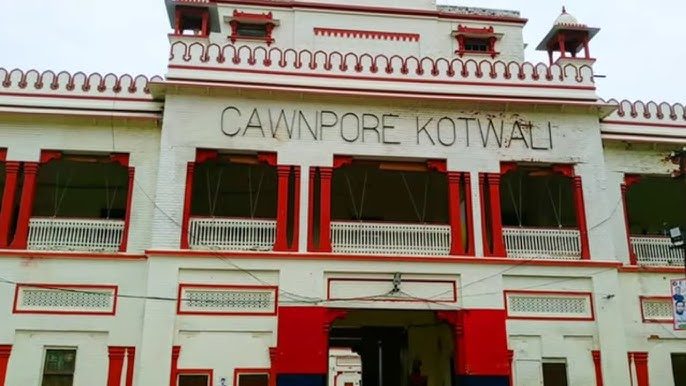
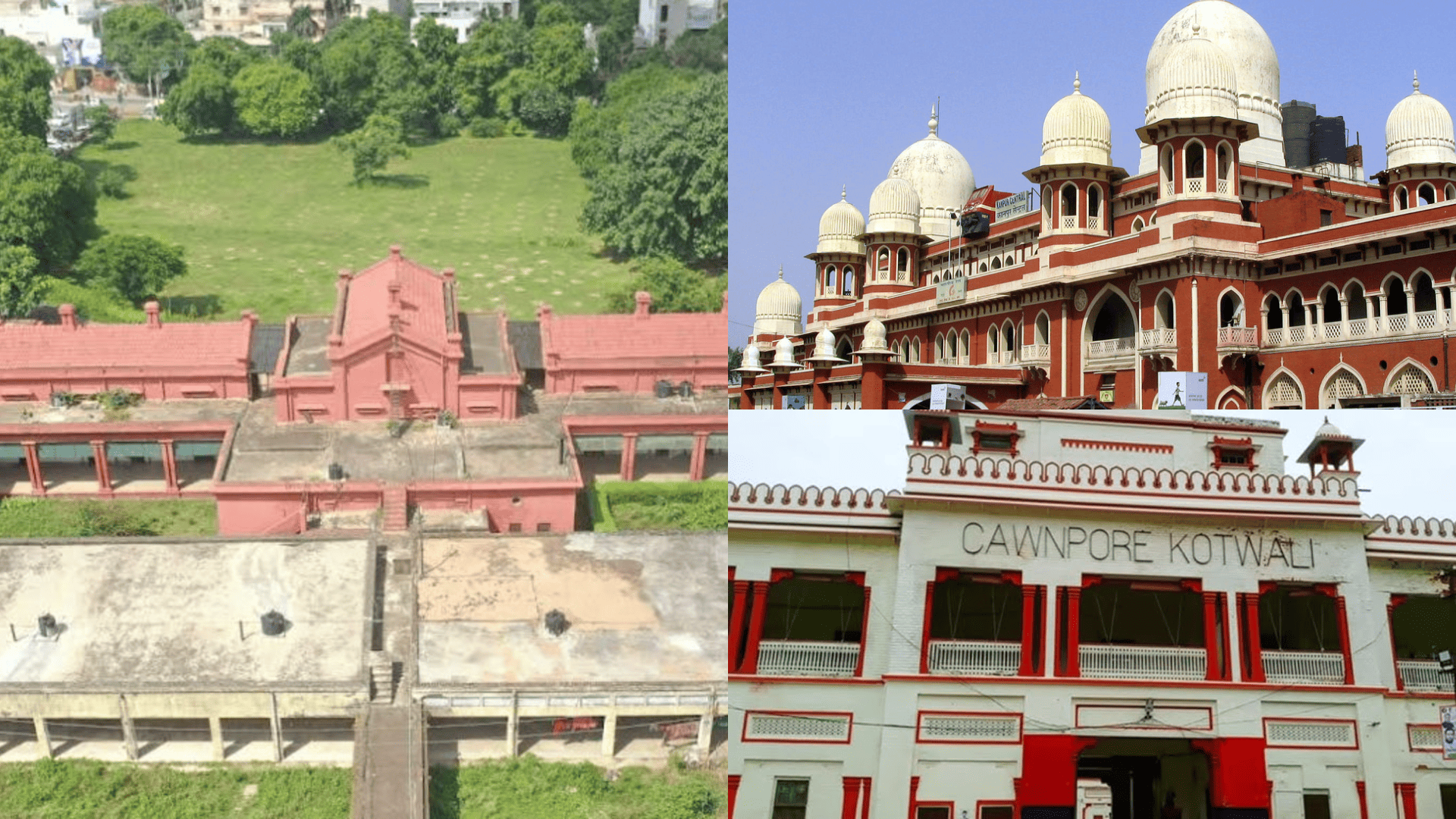
Long before Kanpur became the bustling city we know today, the Cawnpore Kotwali was already a landmark on its streets. Standing proudly near Bada Chauraha, this British-era structure catches the eye with its white facade, striking red columns, elegant jharokhas, and domed chhatris. But its most distinctive feature is the clock tower that still watches over Meston Road, much as it has for decades. Even today, as a functioning police headquarters, the building quietly preserves a piece of colonial-era Kanpur, right down to the old spelling, “Cawnpore”, on its facade.
Phool Bagh Buildings
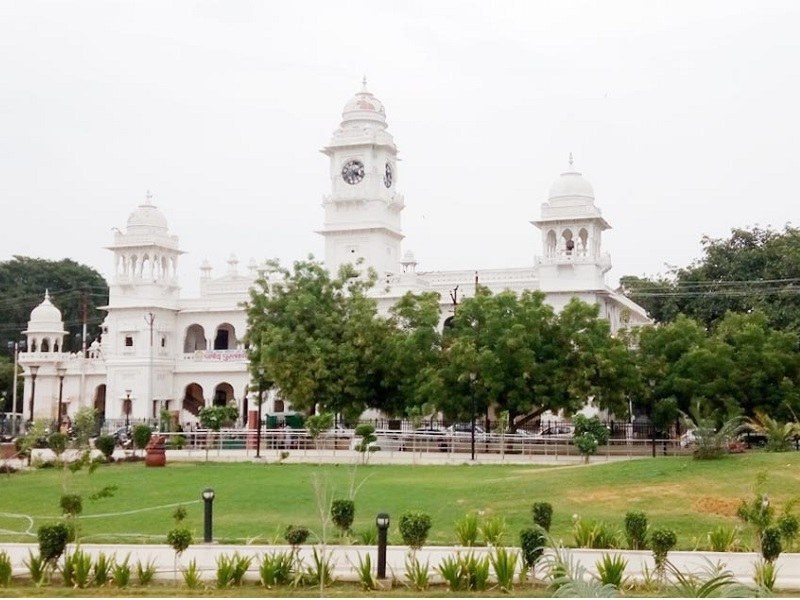
Long before it became one of Kanpur’s favourite green retreats, Phool Bagh was the social heart of the city’s British-era elite. Originally known as Queen Victoria Garden, this historic park on Mall Road was designed as a grand colonial gathering space. Its crown jewel, the K.E.M. Hall, was built to commemorate King Edward VII’s visit and once hosted elegant ballroom dances beneath its high ceilings. Today, renamed Gandhi Bhawan, the building houses the city museum, where colonial relics, old artillery, and freedom movement memorabilia keep Kanpur’s layered history alive.
Elgin Mills
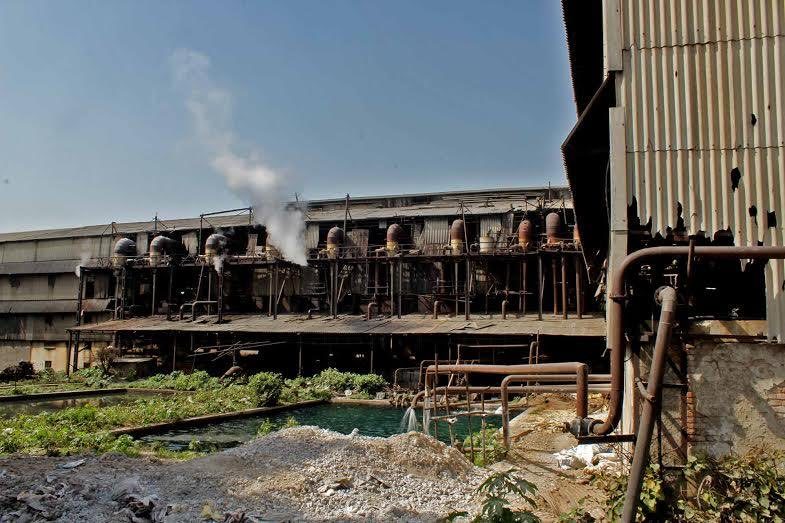
Rising from Kanpur’s industrial past, Elgin Mill is more than a red-brick factory; it’s a living testament to the city’s colonial-era ambition. Established in 1864 as North India’s first cotton textile mill and named after Viceroy James Bruce, 8th Earl of Elgin, it transformed Kanpur into the “Manchester of the East.” Its monumental three-story central building, flanked by symmetrical wings, reflects classic 19th-century British industrial design, built for efficiency and scale. Today, Elgin Mill stands as both an architectural landmark and a symbol of the city’s industrial heritage.
Kanpur Central Railway Station
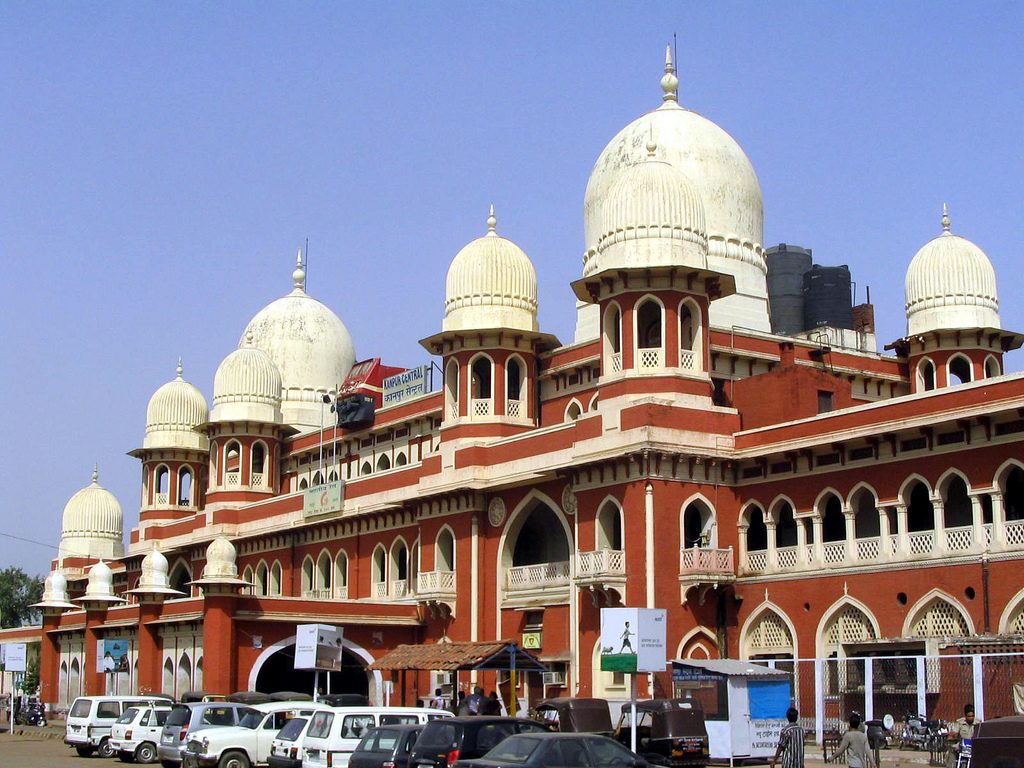
Standing tall since the late 1920s, Kanpur Central Railway Station is more than a transit hub; it’s a British-era architectural masterpiece. Originally called Cawnpore North Barracks, its sprawling Indo-Saracenic design fuses Mughal, Awadhi, and Gothic elements, with domes, pointed arches, jaalis, and chhatris giving it a palatial aura. Inspired by Lucknow’s Charbagh Station, the station’s wide main platforms and elegant covered sheds were built for both grandeur and function. Even today, Kanpur Central continues to impress travellers, blending colonial-era vision with the bustling energy of modern India.
All Souls’ Cathedral
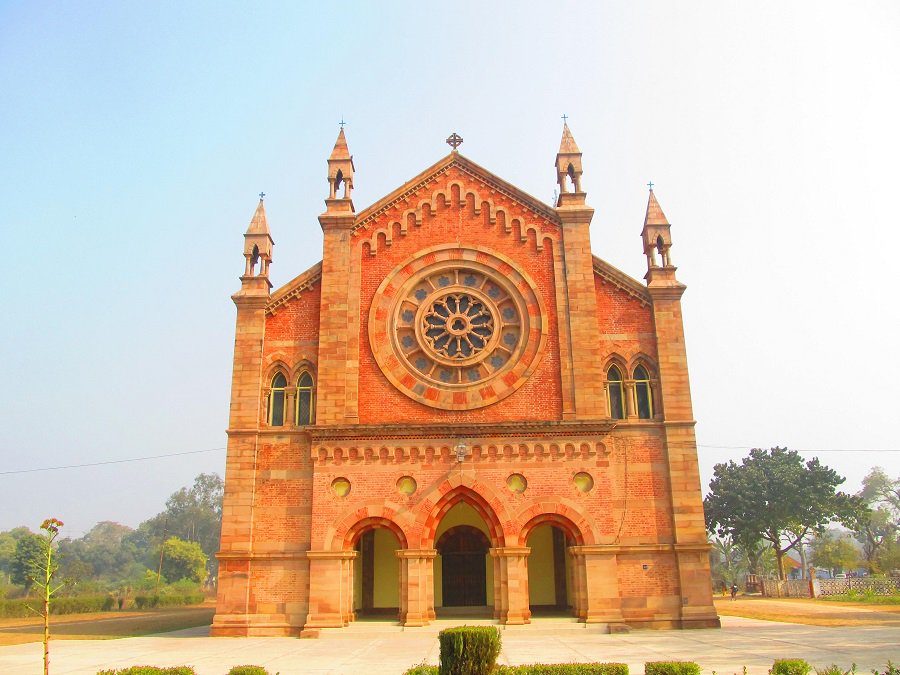
Rising from the heart of Kanpur Cantonment, the All Souls’ Cathedral, also known as the Kanpur Memorial Church, is one of the city’s most striking British-era landmarks. Designed by Walter Granville and completed in 1875, the cathedral’s red-brick Lombardic Gothic architecture immediately commands attention. Inside, stained-glass windows, vaulted ceilings, and memorial tablets tell stories of a turbulent past, while the beautifully crafted Memorial Garden adds a sense of quiet reflection. More than a place of worship, the cathedral stands as a lasting symbol of Kanpur’s colonial history and architectural heritage.
Mc Robert Hospital
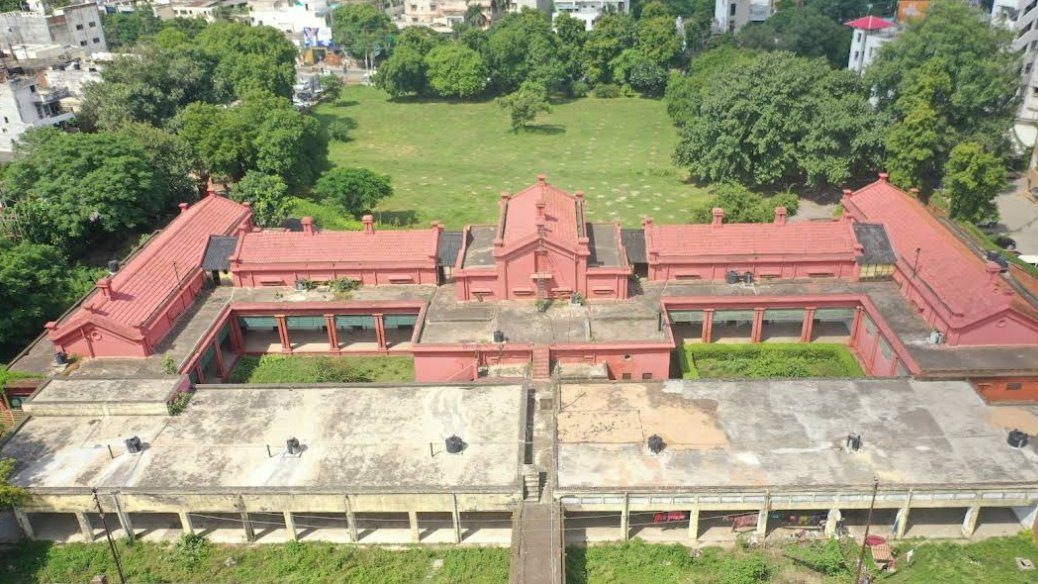
Hidden amid the bustle of Civil Lines, Mc Robert Hospital is one of Kanpur’s most intriguing British-era landmarks. Built in 1930, its stately colonial facade and expansive eight-acre campus reflect the scale and ambition of institutional architecture during the Raj. Originally established for mill assistants, the hospital has served generations while preserving its historic character. Beyond its grand exterior lies a lesser-known chapter of history, a basement once used as an isolation ward during plague outbreaks, adding a layer of mystery to this enduring colonial-era structure.