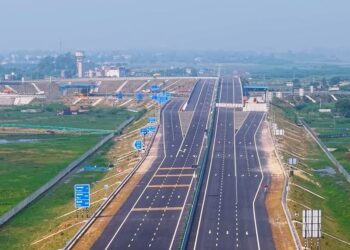


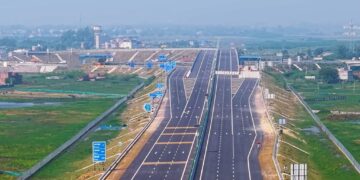


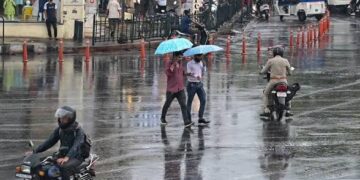









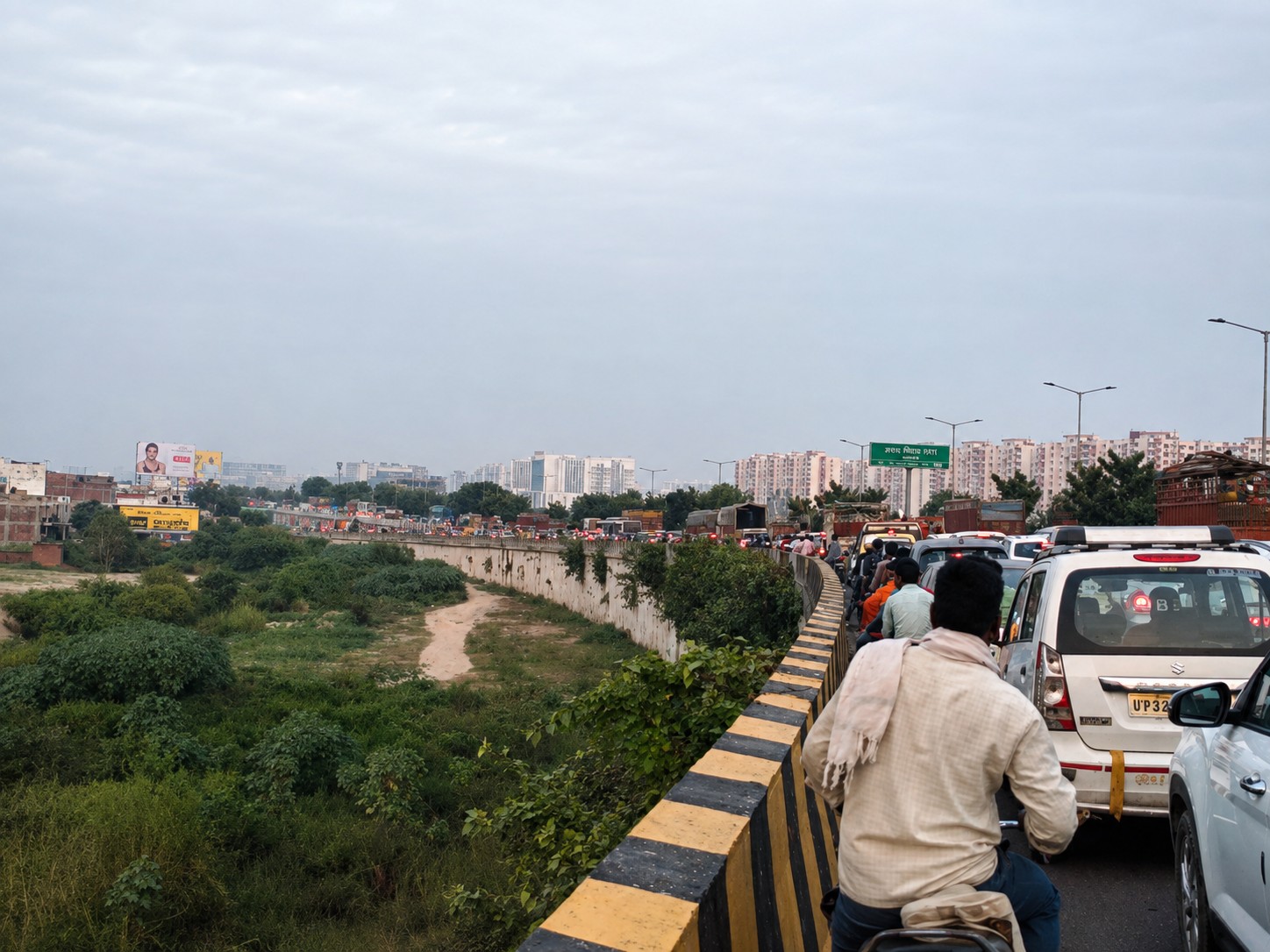
When Amar Shaheed Path opened in 2012, its 23-kilometre length, four lanes looked absurdly futuristic for a city that hadn’t caught up to it yet. Half the land along the route was still empty. Officials liked to call it forward-thinking. Fourteen years on, the future it was supposedly built for has arrived, and the road can’t handle it. Congestion piles up at nearly every access point, potholes have set up permanent residence near the entry and exit ramps, and come monsoon season, several stretches turn into shallow lakes, no boat required.
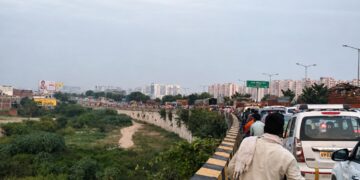
The real trouble starts wherever a smaller road tries to merge onto Shaheed Path. During peak hours, the service lane near Vibhuti Khand and the connecting exits turn into a slow-motion crawl, with cars inching forward for what feels like geological time before they finally break onto the main carriageway. Kamta, one of the main entry points on the eastern end, isn’t any better. Traffic piles in from every direction and just sits there.
Office hours turn Shaheed Path into a crawl across key stretches
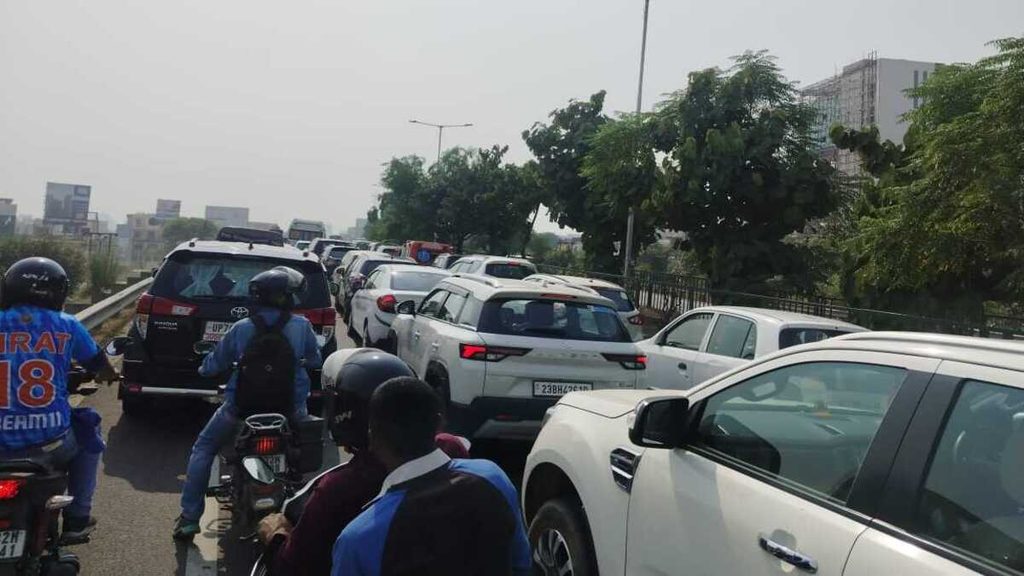
Ahead of the Indira Gandhi Pratishthan crossing in Vibhuti Khand, office-hour traffic barely moves. Drivers can expect a long wait before they even reach Shaheed Path, let alone get on it. Husariya, the Raebareli Road crossing, Ahimamau, and the stretch near Ekana Stadium all have their own versions of this daily standstill. On match days near Ekana, “traffic” is too generous a word; it’s closer to a full stop with headlights. Traffic police do show up, stationed along several sections, but given the state of the infrastructure underneath them, there’s only so much a whistle and a raised hand can fix.
Authorities fail to address mounting pressure on Shaheed Path
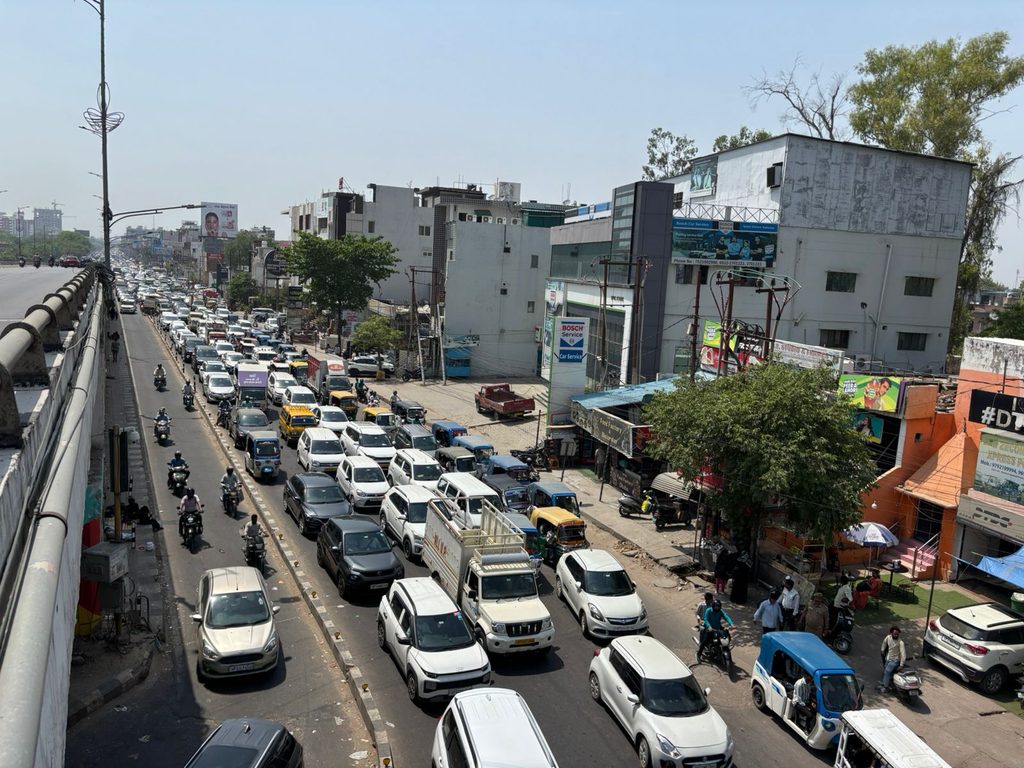
The city’s response so far has mostly involved putting up barricades at busy crossings, which, ironically, tends to create its own jam. No new access points or exits have been added at any of the worst-hit stretches. The roads feeding into Shaheed Path keep falling apart, with potholes now a fixture and cracks starting to show on the main carriageway itself. There’s no visible plan to widen lanes where it’s actually possible, and improving what already exists doesn’t seem to be anyone’s priority either. Meanwhile, the city’s attention, and presumably its budget, has drifted toward newer projects, several of which are already running into their own problems.
Lucknow’s population keeps growing, more companies keep setting up shop, and jobs keep opening up. All of that means more people, more vehicles, and more pressure on a road that’s already buckling under what it has now. Unless something changes on the ground and not just on paper, what’s currently a daily headache on Shaheed Path is on track to become a much bigger mess.