












A slogan outlives an empire. A song gets mistaken for a love story for a hundred years. A tree gets a statue and nobody thinks to ask what happened to the woman who climbed it. Freedom, in Lucknow, was never just fought, it was written, sung, smuggled, and occasionally shot from thirty feet up. The people who did it weren’t all soldiers, and most of them didn’t live to see August 15 arrive. They were poets who never touched a weapon, queens who refused better offers, and a courtesan who chose a firing squad over a pension. Independence Day tends to remember the date. It’s worth remembering who actually earned it, because none of them asked to be forgotten this quickly.
Maulana Hasrat Mohani
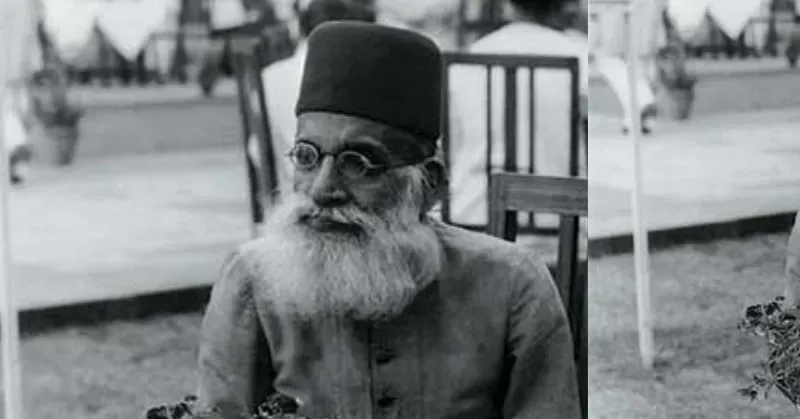
The man who gave India its most electrifying slogan travelled third class and owned almost nothing. Maulana Hasrat Mohani, born Syed Fazl-ul-Hasan in Unnao’s Mohan, coined “Inquilab Zindabad” in 1921, the same year he stood on an all-India platform and demanded Poorna Swaraj before anyone else dared say the words out loud. He also wrote “Chupke Chupke Raat Din,” one of Urdu poetry’s most tender ghazals, proving revolution and romance can share a pen. He turned down every government comfort on principle, lived like a faqeer by choice, and made Lucknow his final address, passing away here on May 13, 1951.
Raja Jay Lal Singh
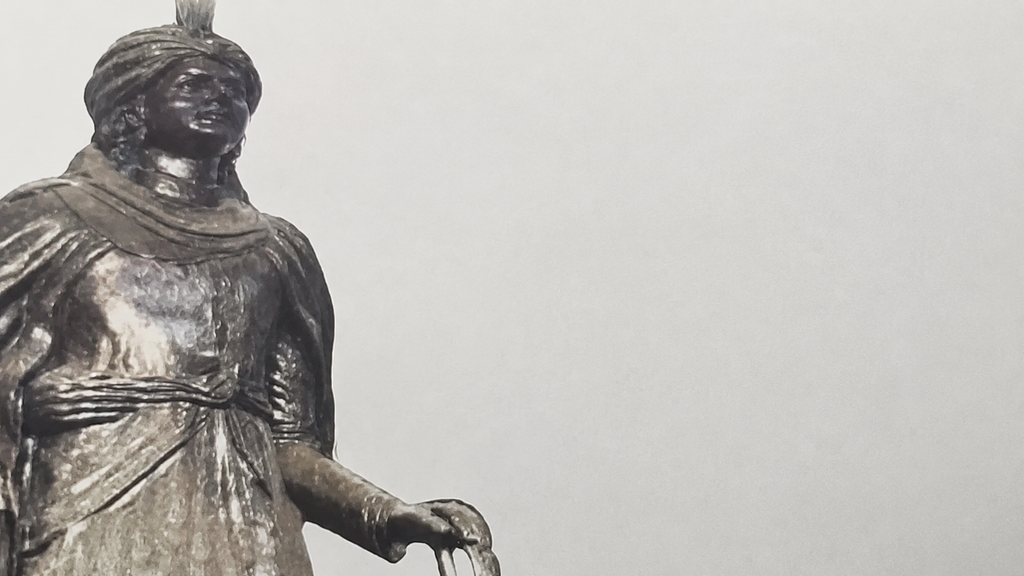
Government service teaches most men to keep the peace, not lead an uprising against it. Raja Jay Lal Singh had spent years as Nazim of Azamgarh before 1857 changed his job description entirely, Begum Hazrat Mahal made him her chief military strategist, and he answered by trapping the British inside the Lucknow Residency for months using taluqdar militias and guerrilla tactics he’d never needed as an administrator. He also crowned an 11-year-old king, Birjis Qadr, as Nawab of Awadh after Chinhat. The British eventually recaptured Lucknow and hanged him under a tamarind tree in 1859, a swift trial for a man who’d given them a very slow defeat.
Begum Hazrat Mahal
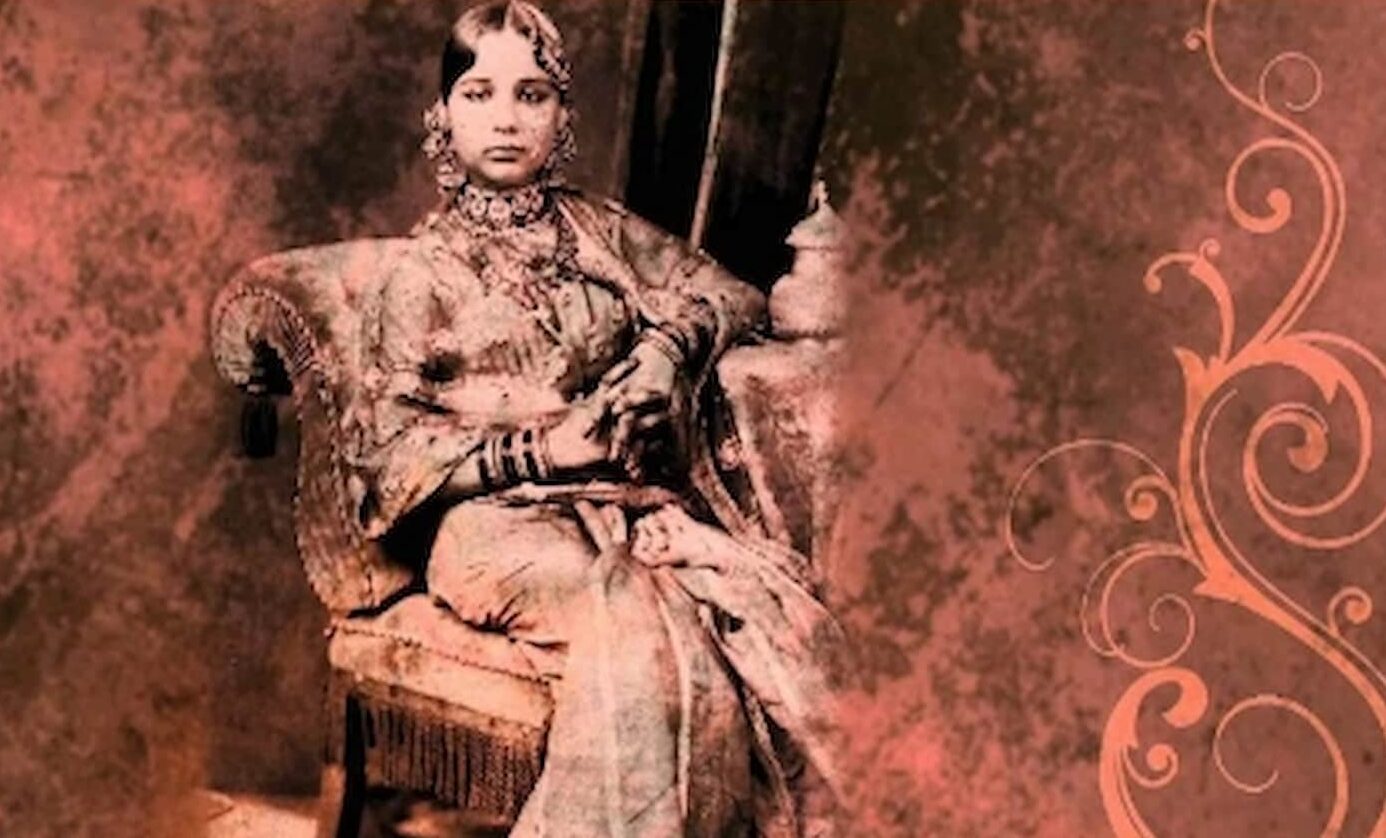
The British had a standard offer for royals who cooperated: a pension, a title, a comfortable exile. Begum Hazrat Mahal never took it. When Awadh was annexed in 1856 and her husband left for Calcutta, she stayed in Lucknow and quietly built a resistance. When rebellion broke out in 1857, she crowned her 11-year-old son Birjis Qadr king, declared herself Queen Regent, and rode an elephant into battle against the same Company that wanted her gone. She rejected every amnesty offered. When Lucknow fell, she chose Nepal over surrender, the one queen in this story who never signed anything.
Uda Devi
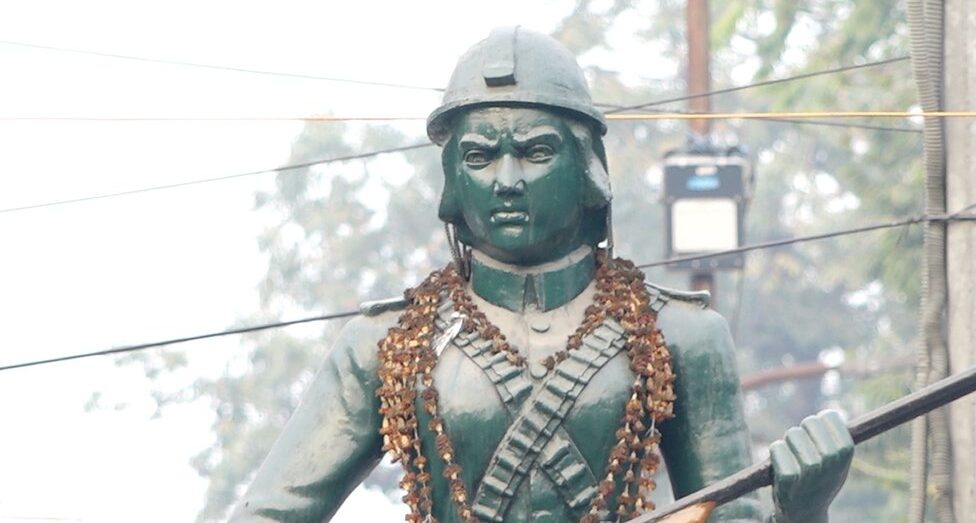
The British never saw her coming, because they never thought to look up. At the Battle of Sikandar Bagh in November 1857, Uda Devi, a Dalit widow avenging her husband Makka Pasi’s death at Chinhat, climbed a pipal tree disguised as a male soldier and picked off more than 30 British troops before she was killed. Long before that day, she’d already built something no one expected either: the Veeranganis, an all-women battalion of Dalit and working-class fighters she personally trained in firearms and guerrilla warfare, with Begum Hazrat Mahal’s backing. Sikandar Bagh remembers her every November 16, the tree, notably, gets no statue.
Josh Malihabadi
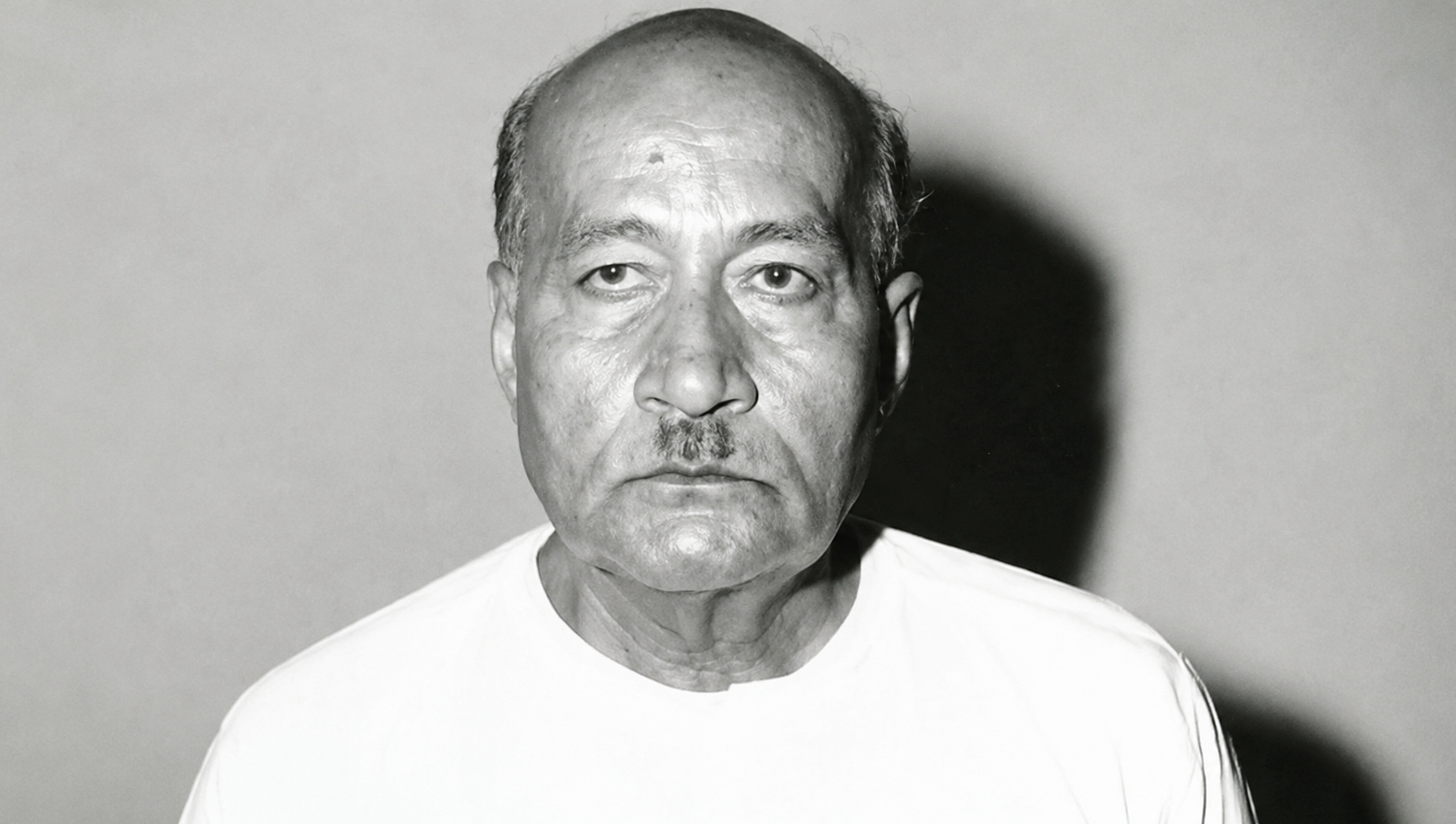
Malihabad is known for mangoes and refined Awadhi-Lucknowi tehzeeb, not for producing revolutionaries. Josh Malihabadi, born Shabbir Hasan Khan, managed to be shaped by that gentle culture and still become Shayar-e-Inquilab, the Poet of Revolution. He moved to Delhi, founded the journal Kaleem in 1936, and used it to print anti-imperialist essays and poems sharp enough to unsettle the British administration directly, abandoning the traditional romantic Urdu verse everyone expected of him. His poem Shikast-e-Zindan ka Khwab became an anthem for imprisoned freedom fighters. Turns out refined culture and revolutionary fire came from the same soil.
Azizan Bai
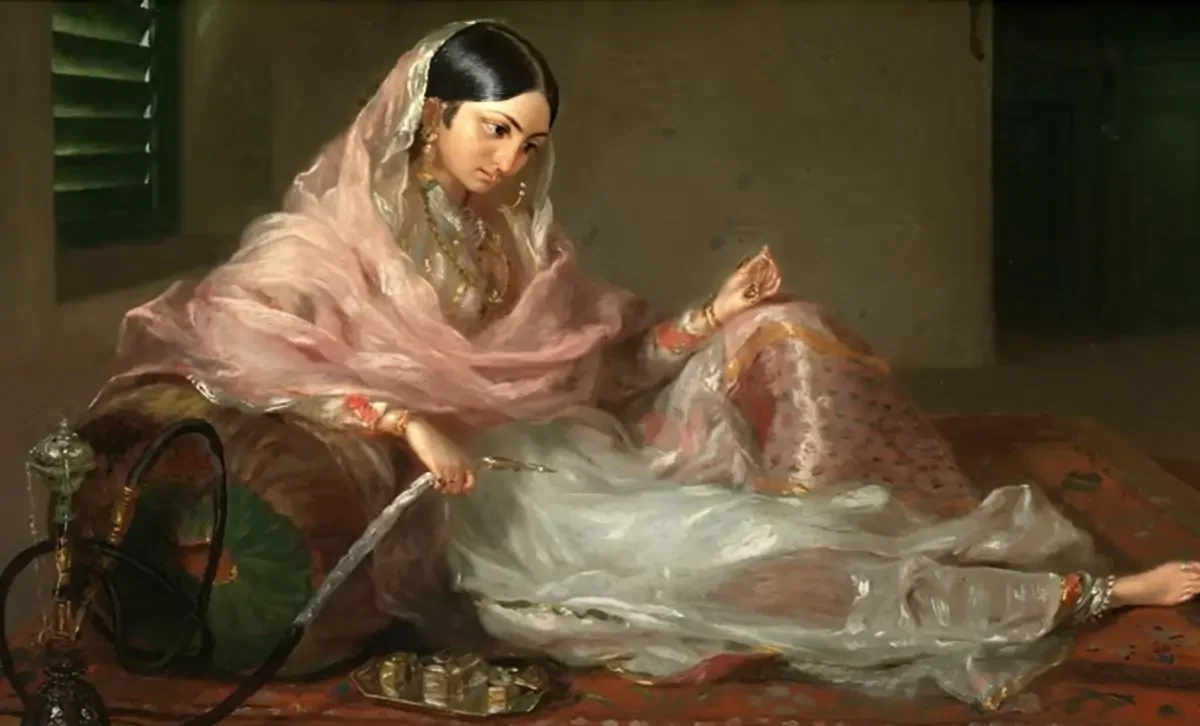
The British never suspected a courtesan’s residence could be more dangerous than a barracks. Azizan Bai, born in Lucknow, turned her Kanpur kotha into exactly that, a meeting point where soldiers of the 2nd Cavalry Regiment plotted rebellion while she fed intelligence straight to Nana Saheb’s command. When the uprising broke out, she didn’t stay behind gathering information. She rode out in male military dress, armed with pistols, fighting alongside the cavalry she’d once hosted. Offered a British pardon at 25, she refused outright. She died in front of a firing squad shouting “Nana Saheb ki jai!”, spy first, soldier till the end.
Pramila Srivastava
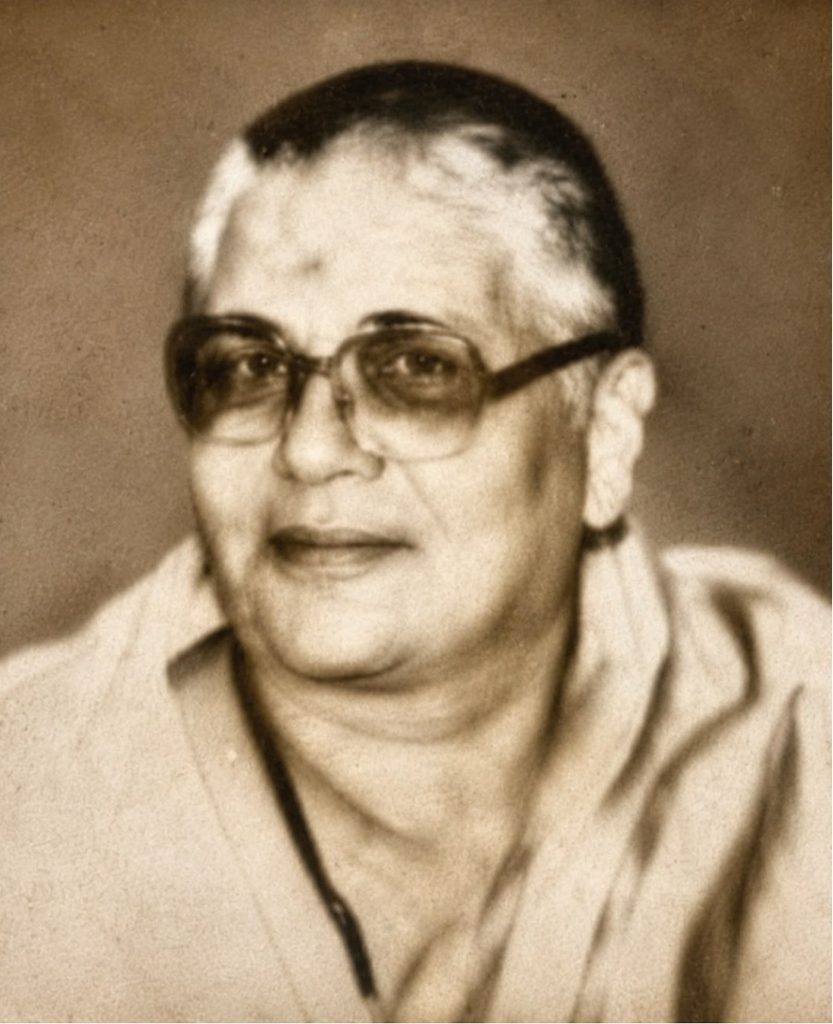
There’s a wide gap between shouting slogans on a street and having a university department name a foundation after you, Pramila Srivastava managed both. At 12, she joined the Quit India Movement’s street agitations against the British. Decades later, that same energy went into grassroots social work across Lucknow and Prayagraj, building a legacy quiet enough that most people only learned her name in August 2022, when Defence Minister Rajnath Singh and UP Deputy CM Brajesh Pathak inaugurated the Pramila Srivastava Memorial Foundation at Lucknow University’s Department of Social Work, an institution that now hands out scholarships and gold medals in her honour.
Amritlal Nagar
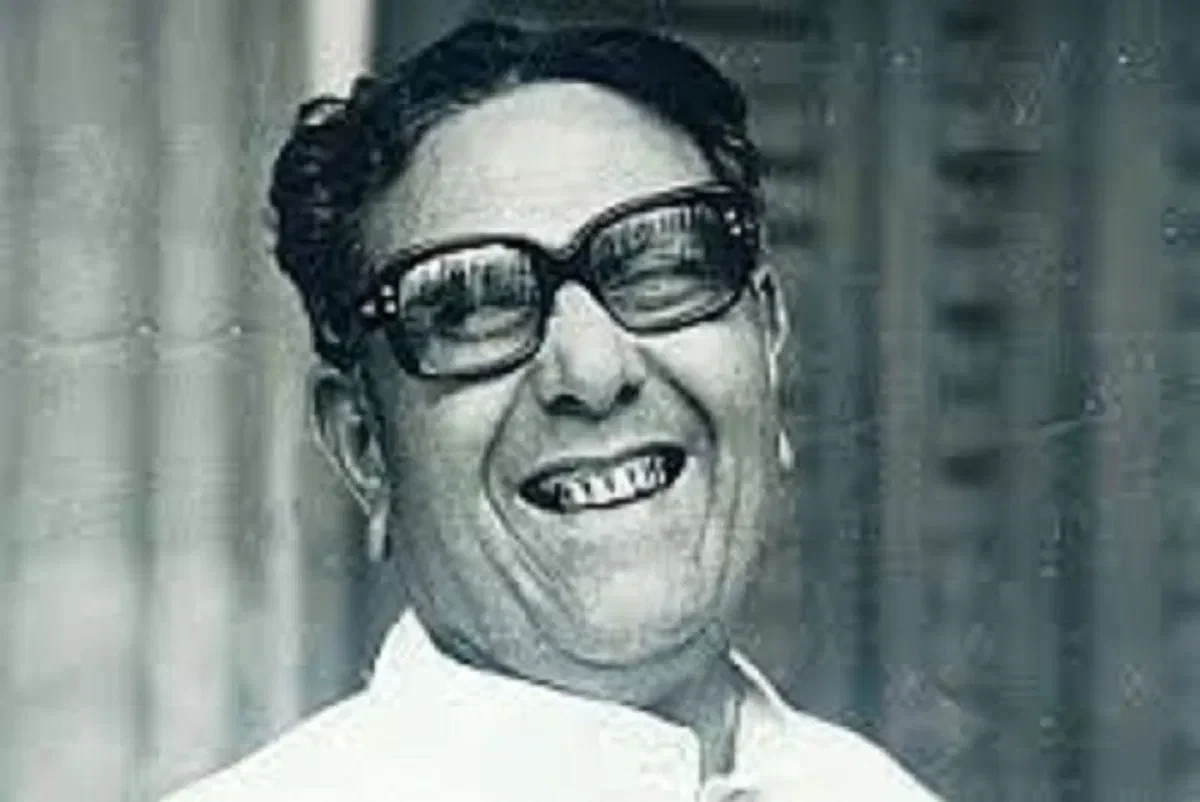
Amritlal Nagar had two jobs during the freedom struggle, and only one of them was on paper. Officially, he was a Hindi novelist working out of his ancestral home in Lucknow’s Chowk. Unofficially, he was a courier, using his mobility as a known writer to pass confidential messages between underground revolutionaries who couldn’t risk being seen together. He’d already put in his time as a boy in the Vanar Sena and as an organiser of Swadeshi bonfires burning imported textiles. Decades later, India gave him a Sahitya Akademi Award in 1967 and a Padma Bhushan in 1981, for the job that was on paper.
Nawab Wajid Ali Shah
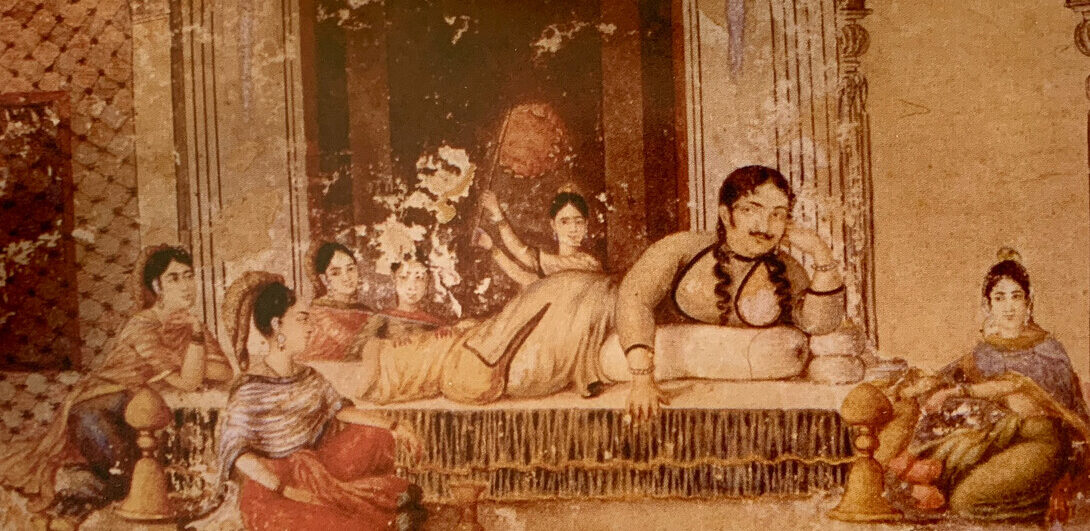
History remembers Wajid Ali Shah as the indulgent king who lost Awadh without a fight. He also refused to sign the one document that would have made the annexation legal, and paid for it with exile to Calcutta. That single refusal did more damage to British legitimacy than a battle might have; Awadhi sepoys who’d watched their king humiliated carried the grudge straight into 1857. In Metiabruz, grieving a kingdom he’d never surrendered on paper, he wrote Babul Mora Naihar Chhooto Jaye, a song about leaving home that North India adopted as something closer to a protest hymn.