



















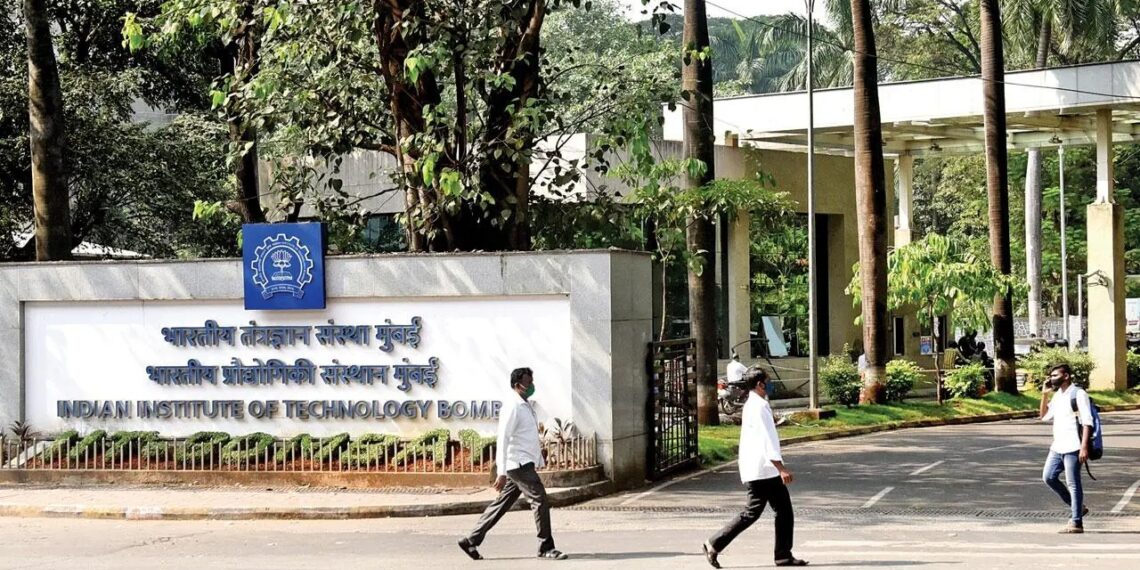
A comprehensive 23-year study by IIT Bombay researchers, analysing data from 1995 to 2018, has revealed the immense financial burden that floods and cyclones impose on Indian state budgets. The research, published in the International Journal of Disaster Risk Reduction, introduces a novel Disaster Intensity Index (DII) that provides a more accurate measurement of disaster impacts than traditional evaluation methods.
Proposes innovative solutions and public-private partnerships
A recent study by IITB team analysed the financial impact of natural disasters on 25 states over 24 years (1995–2018). The research is published in the International Journal of Disaster Risk Reduction. https://t.co/20wu8ZeJoT pic.twitter.com/LEsCUAYACU
— IIT Bombay (@iitbombay) January 30, 2025
The study calls for enhanced disaster preparedness and economic protection, recommending resilience bonds, disaster insurance, and faster access to relief funds. While challenges like financial barriers and awareness gaps exist, the researchers stress the need for public-private partnerships and flexible budgets.
The research also highlights disparities between states. While inland areas like Madhya Pradesh remain resilient to occasional disasters, coastal states like Odisha and West Bengal face severe financial strain from frequent cyclones and floods. These states often rely on loans, leading to rising debt. To manage these financial risks, the researchers suggest solutions such as resilience bonds and catastrophe bonds. They also point to successful state initiatives, including Tamil Nadu’s cyclone monitoring systems and Kerala’s climate-adaptive urban planning.