










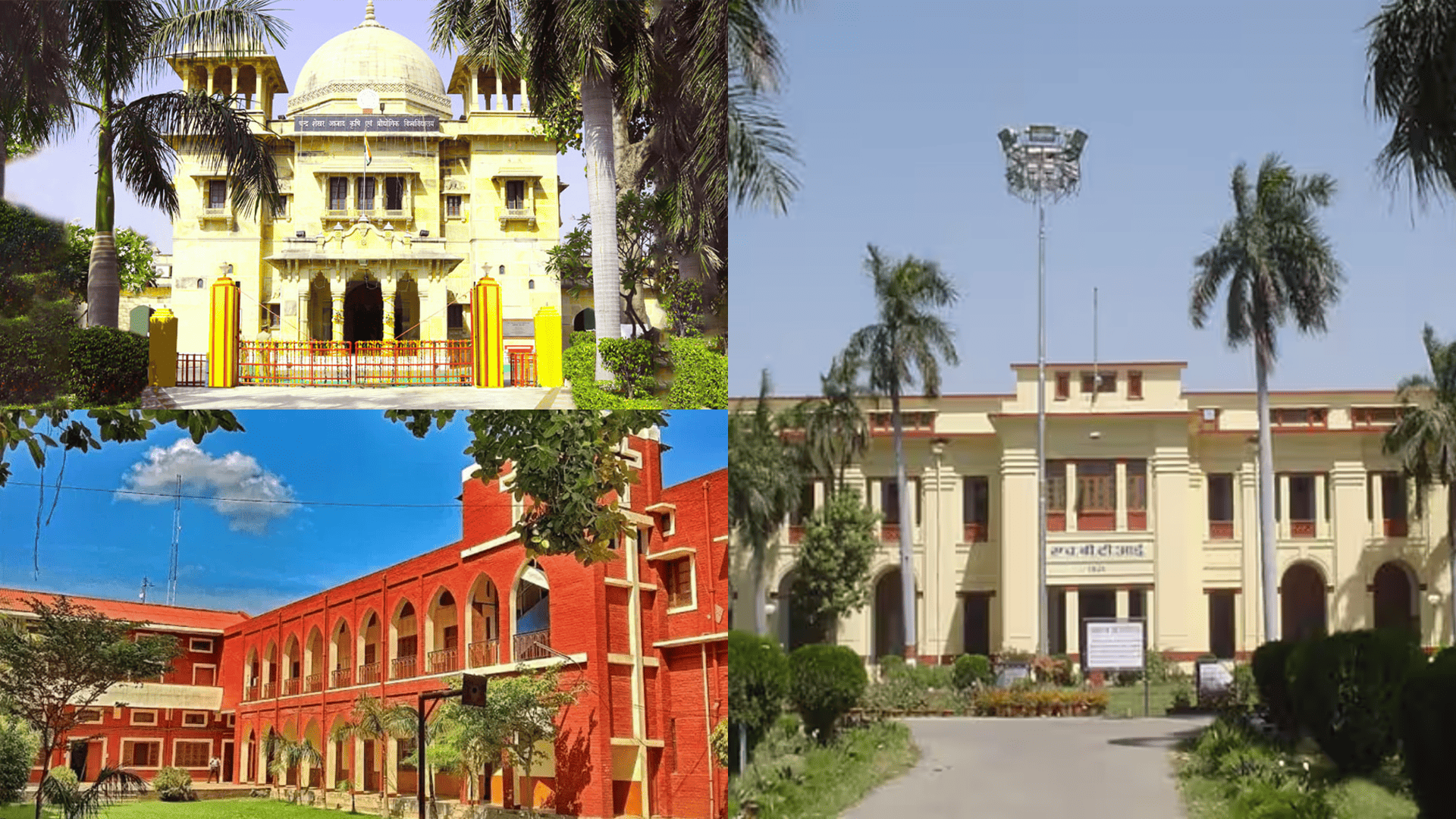
Every great city has institutions that shaped it before anyone noticed. For Kanpur, a city that has worn many identities, industrial powerhouse, academic hub, cultural centre, a handful of pioneering establishments did the heavy lifting. They educated future presidents, fuelled an industrial revolution, advanced agricultural science, and kept folk traditions alive. Some are well known, others quietly underrated, and all of them matter. Here’s a look at the oldest institutions that helped make Kanpur the city it is today.
Christ Church College (1866)
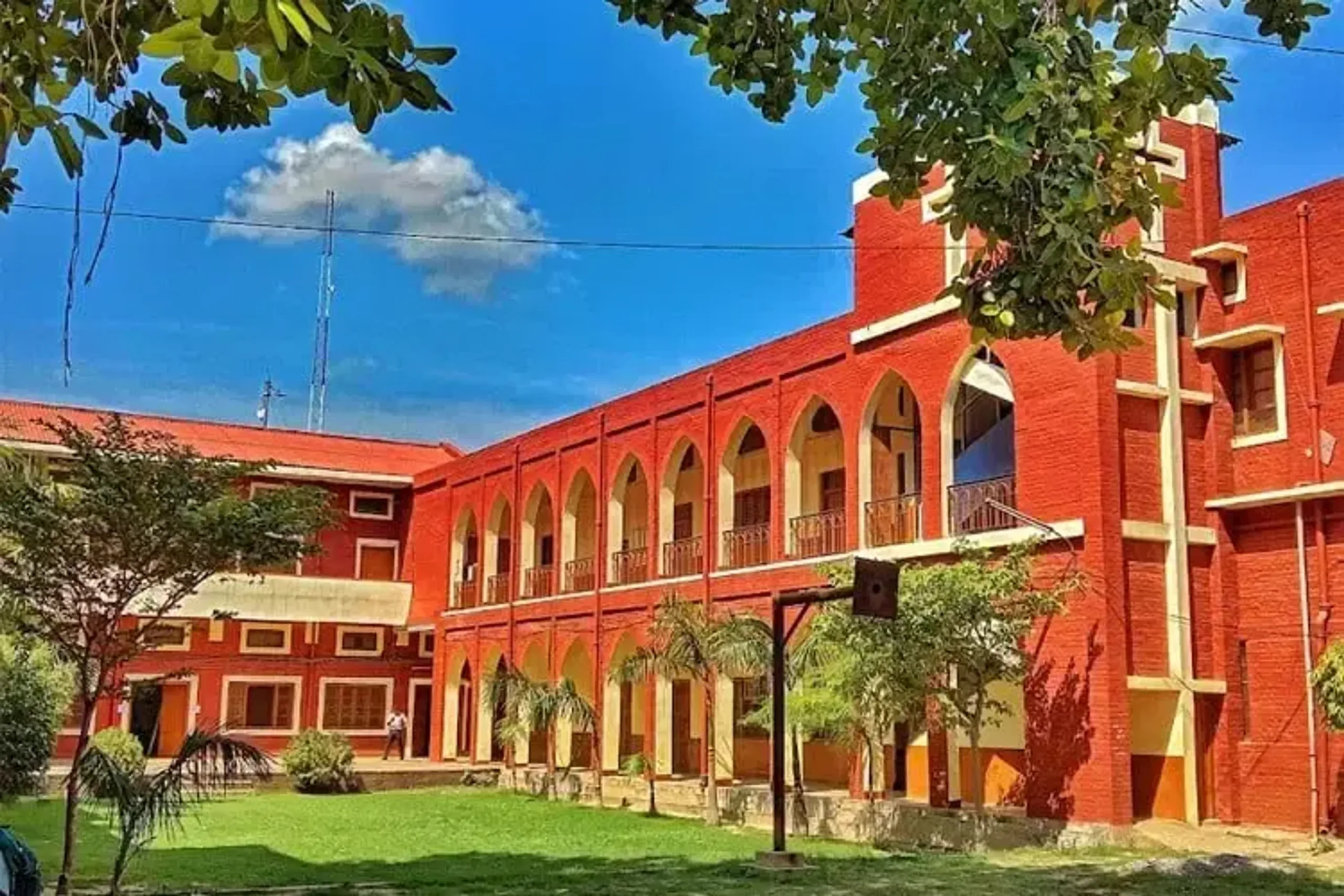
Christ Church College has been part of Kanpur longer than most things in this city. What started as a Free School in the 1830s became, by 1866, the city’s first institution to offer university-level education, a distinction it still carries with quiet pride. Affiliated over the decades with universities in Calcutta, Allahabad, and Agra before landing with CSJMU, its history reads like Kanpur’s own. Nearly 160 years later, it remains one of the city’s most respected academic institutions, still shaping students across Arts, Science, and Commerce.
IIT Kanpur (1959)
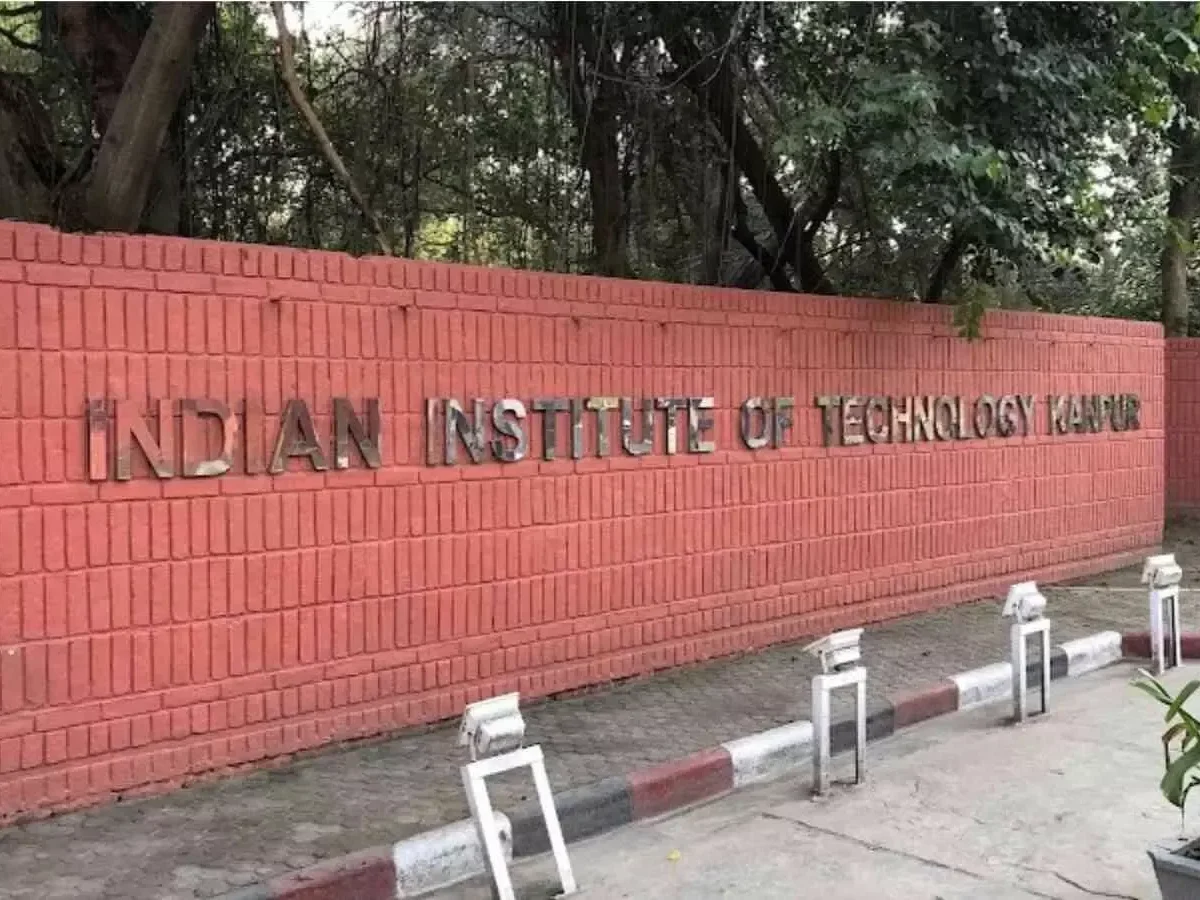
Few institutions have shaped modern India quite like IIT Kanpur. Established in 1959, it hit the ground running, becoming the first in the country to offer computer science education in 1963 and the first to install a supercomputer. Its early academic DNA was influenced by a collaboration with nine top US universities, including MIT and Caltech, setting a research standard that stuck. Today, spread across a 1,000-acre campus in Kalyanpur, it houses over 10,000 students across 19 departments. One of India’s most consequential institutions, without question.
HBTU (1921)
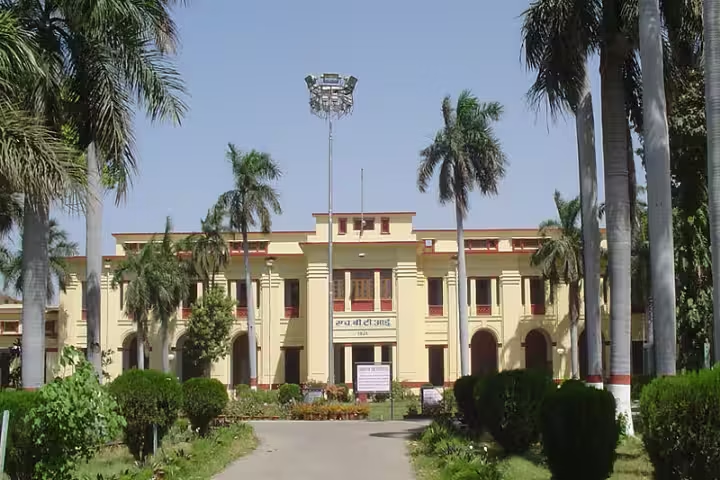
Long before engineering colleges became commonplace, Harcourt Butler Technical University was already shaping India’s industrial future. Established in 1921, it was built with a clear purpose: to fuel Kanpur’s booming industrial economy with applied research and skilled talent. It worked. The institute pioneered India’s early developments in oil, paint, plastics, and food technology, earning Kanpur its famous “Manchester of the East” tag. Upgraded to a full university in 2016, HBTU today offers undergraduate, postgraduate, and doctoral programs across 13 disciplines, with a placement record that keeps serious recruiters coming back every year.
Chandra Shekhar Azad University of Agriculture & Technology (1893)
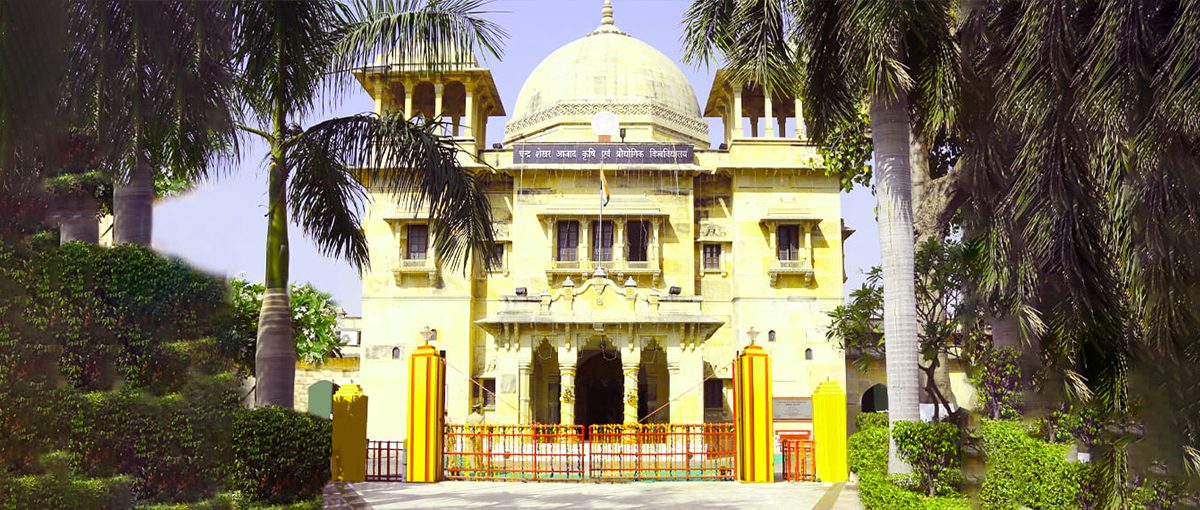
Before modern agriculture became a science, CSAUA&T was already laying its groundwork. Founded in 1893 as a modest training school, it steadily grew into Uttar Pradesh’s most important agricultural institution, officially becoming a university in 1975. Its contributions are tangible, over 200 crop varieties developed, practical farming technologies that transformed agricultural output across 29 districts, and decades of research shaping food security in the region. Headquartered in Nawabganj, Kanpur, with eight colleges spread across the state, it continues training the next generation of agricultural scientists, engineers, and researchers.
BNSD Inter College (1939)
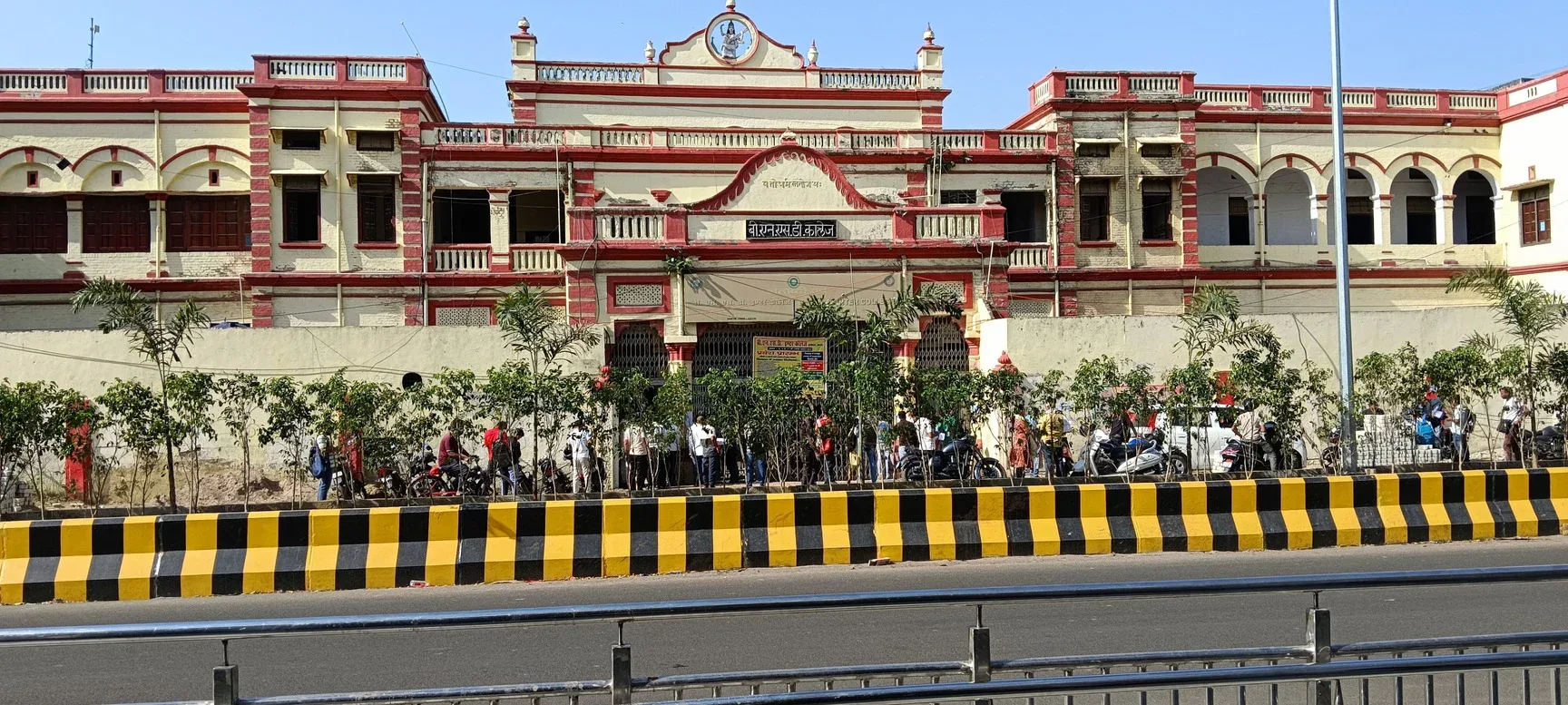
Founded in 1939, BNSD Inter College carries the kind of legacy that most institutions only aspire to. Rooted in Gandhian values and national integration, it came up during a defining period in India’s history, and left its mark on it. The college’s most prominent alumnus says it all, former President of India Shri Ram Nath Kovind walked these halls. Located in Chunniganj, it has spent over eight decades quietly shaping Kanpur’s social and academic fabric, and continues to do so today as one of the city’s most respected intermediate colleges.
The Hathras-Kanpur Nautanki Vyas Akharas
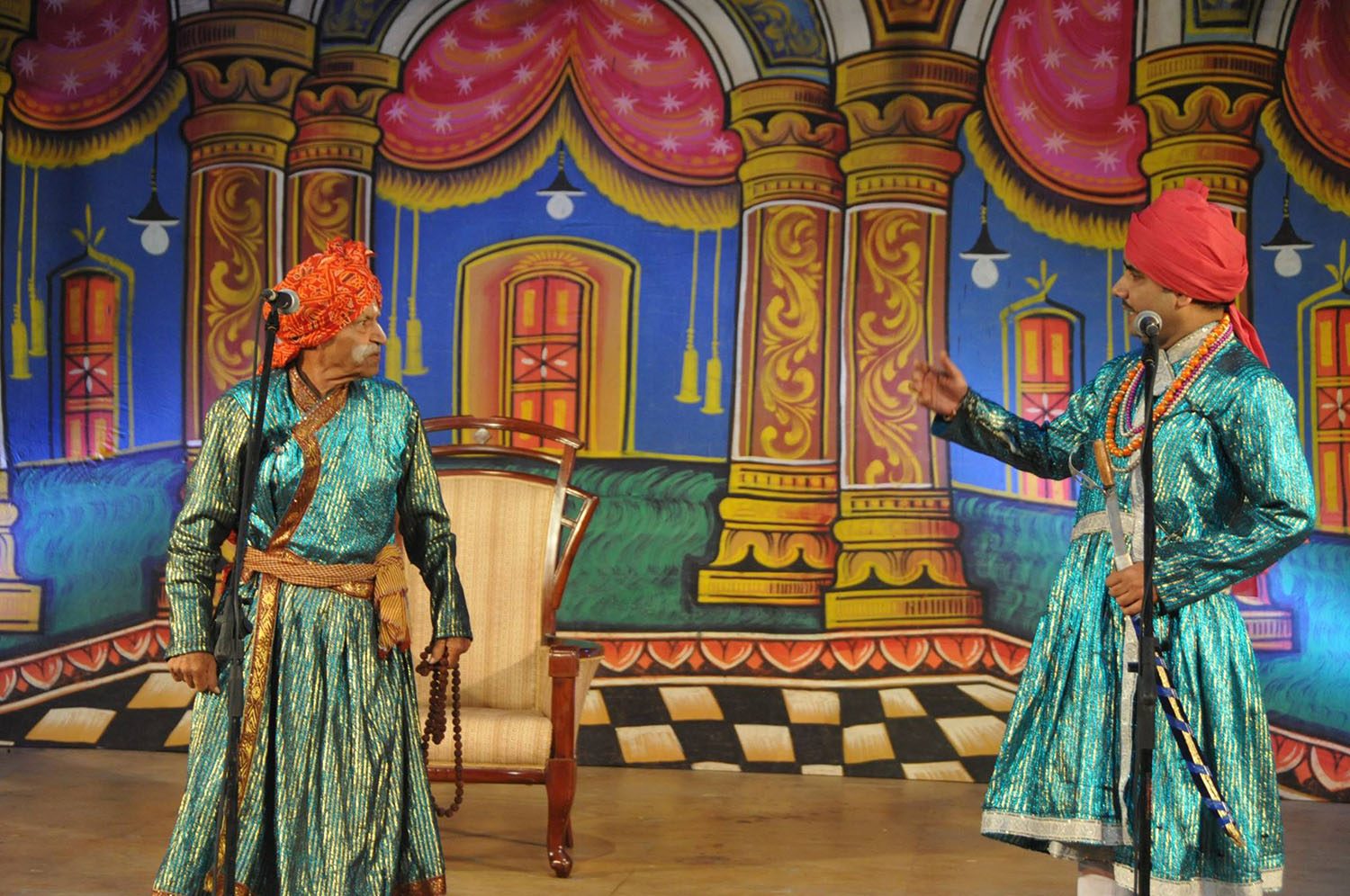
Long before formal stages and ticketed shows, Kanpur’s streets came alive with Nautanki, and the Vyas Akharas were the institutions behind it all. These traditional performance guilds weren’t just troupes; they were schools of craft, culture, and community. The Kanpur Akhara, shaped by actor-singer-wrestler Srikrishna Pehalwan, carved out its own bold, theatrical style, faster-paced, secular, and crowd-driven, distinct from the classical Hathras school. Together, these two gharanas defined North Indian folk theatre for generations. A uniquely Kanpuri contribution to India’s performing arts, and one that deserves far more recognition.
National Sugar Institute (1936)
Sugar is one of India’s most critical industries, and for nearly 90 years, NSI Kanpur has been the institution keeping it sharp. Founded in 1936 as the Imperial Institute of Sugar Technology, it has operated under different names but one consistent purpose: advancing sugar technology, research, and training at the highest level. Today, the National Sugar Institute, it holds a distinction few institutions can claim, the only institute in Asia dedicated solely to sugar and allied alcohol industries. From modernising sugar mills to training farmers and pioneering bagasse research, its impact runs deeper than most realise.