



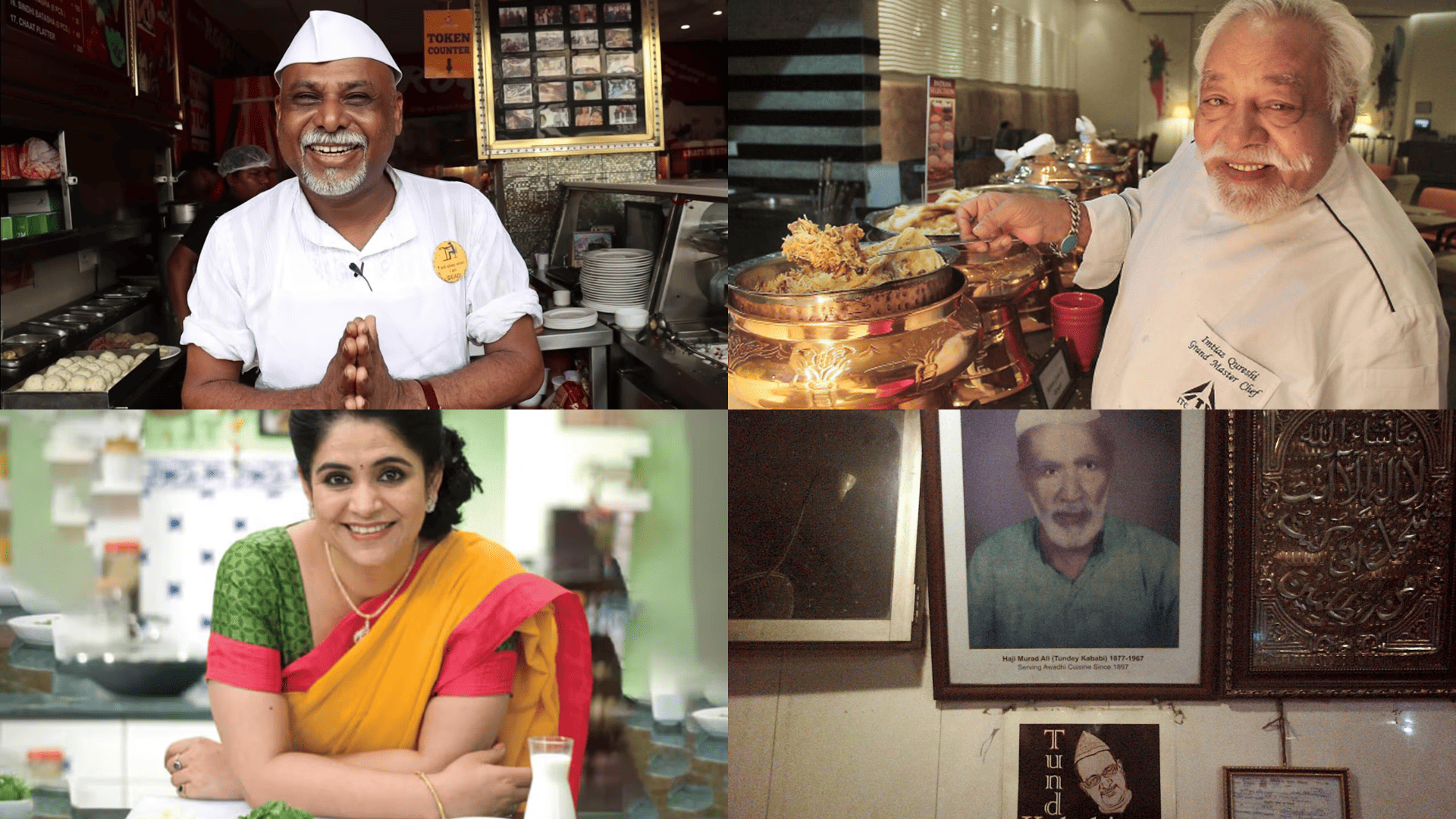
Behind every iconic dish Lucknow is famous for, there’s a person, stubborn, passionate, and completely unwilling to cut corners. Some trained for decades before serving a single plate. Some walked away from stable careers to follow a recipe they couldn’t ignore. Some inherited a legacy so precious they’ve spent their whole lives protecting it. Lucknow’s culinary figures aren’t just cooks, they’re custodians of a culture that runs centuries deep. Here are the people whose hands, instincts, and obsessions shaped the way this city eats.
Haji Murad Ali
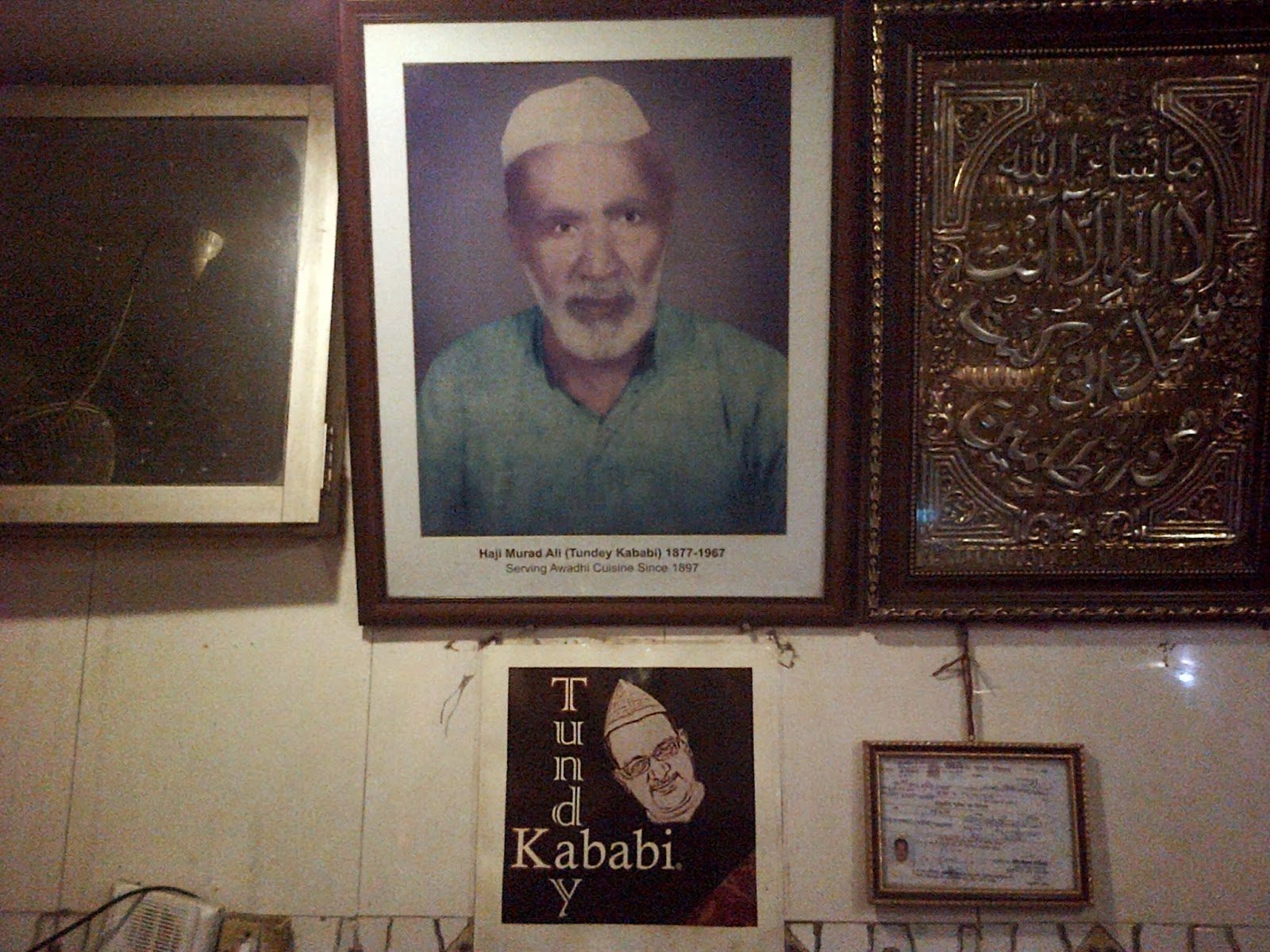
Before Lucknow became synonymous with kebabs, there was one man, one kitchen, and an almost unbelievable combination of 160 spices. Haji Murad Ali, affectionately known as Tunday, turned a physical challenge into culinary genius, creating the Galouti Kebab that melted hearts long before it melted in mouths. In 1905, he opened Tunday Kababi in Chowk, and Lucknow hasn’t been the same since. Three generations later, the recipe hasn’t changed. Neither has the love for it.
Ranveer Brar
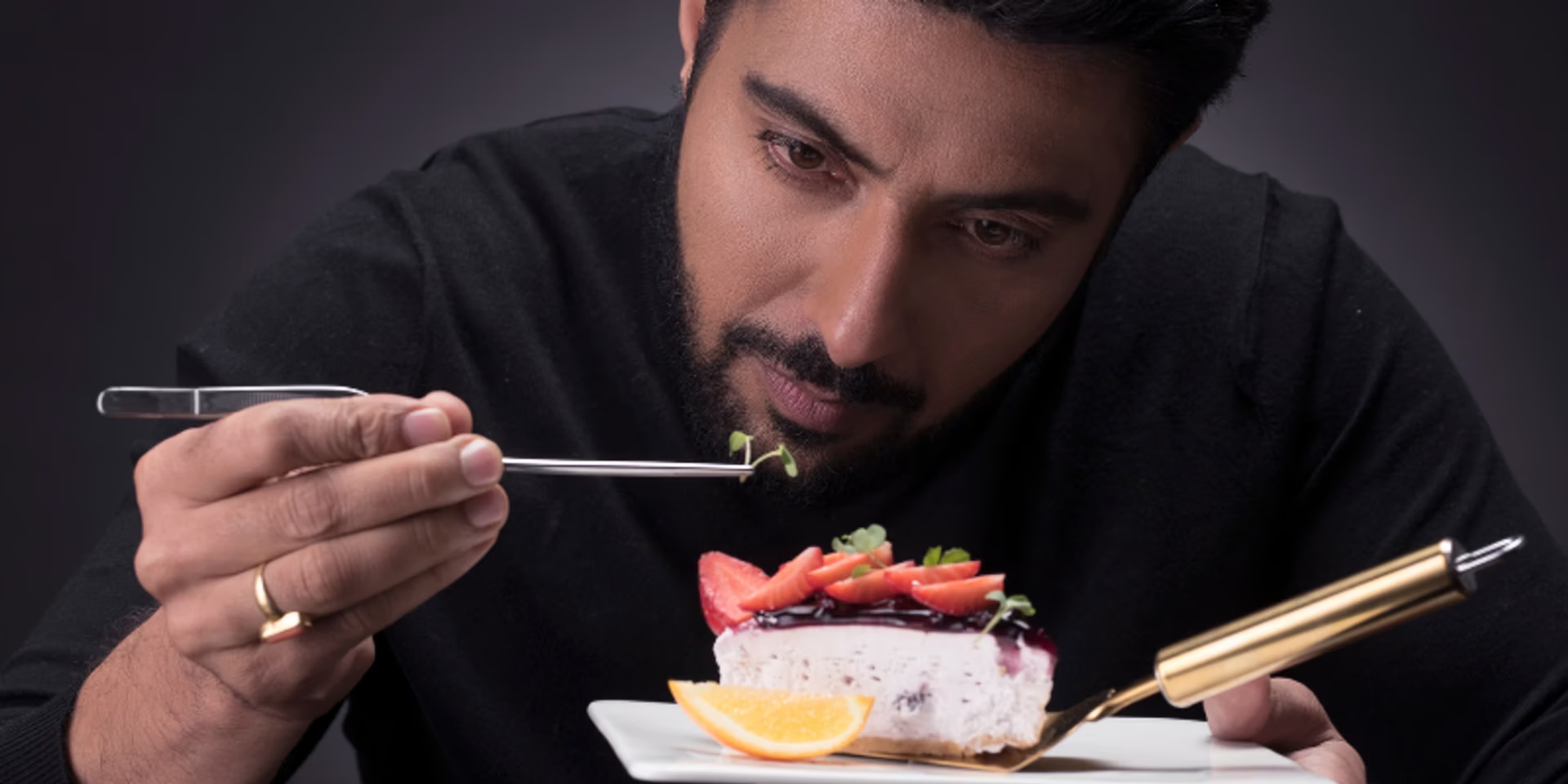
Before the television cameras, the Michelin-starred kitchens, and the MasterChef stage, there were the kebab stalls of Lucknow. Chef Ranveer Brar grew up absorbing this city like a sponge, wandering through Bawarchi Tola, learning from street vendors, and falling completely in love with Awadhi food. That curiosity took him from IHM Lucknow to becoming one of India’s youngest executive chefs at 25, then all the way to Boston, Mumbai, and beyond. But no matter how far he’s travelled, every dish still tastes like it started on a Lucknow street corner.
Hardayal Maurya
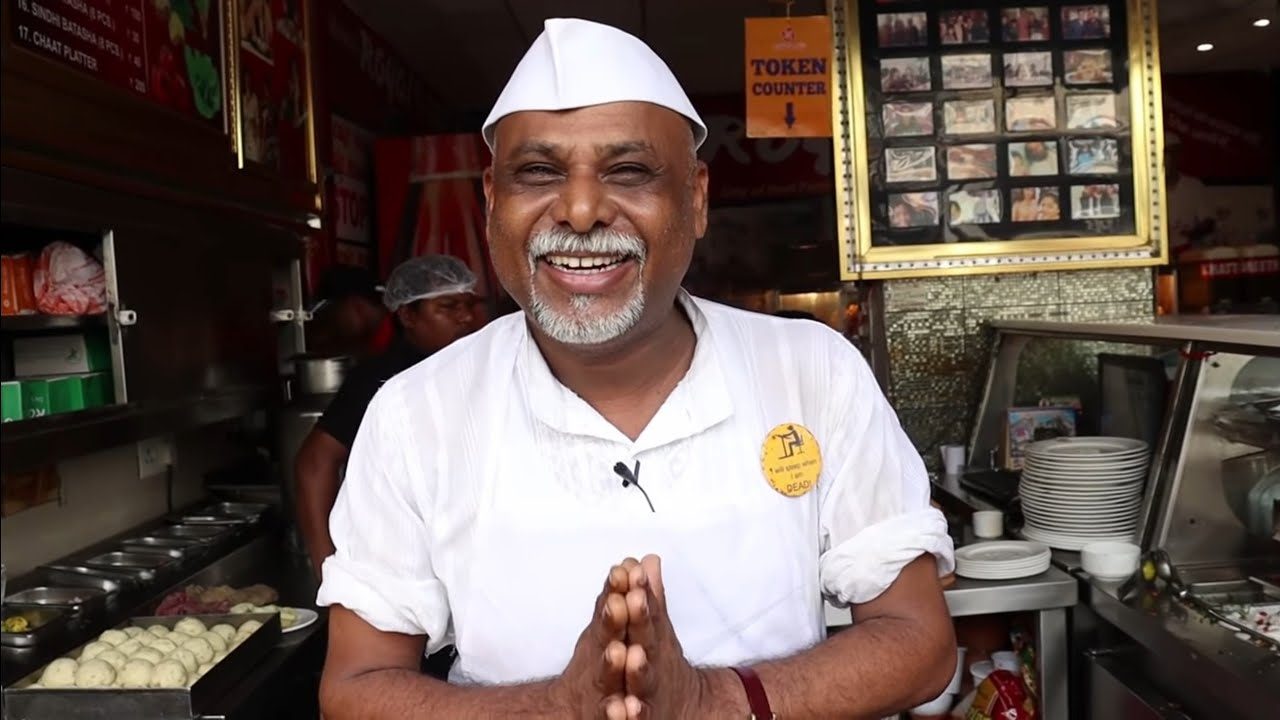
Lucknow has always known its royalty, and not all of them lived in palaces. Chhotu Bhaiya, born Hardayal Maurya, built his throne on the streets, one tangy, crispy, perfectly balanced plate of chaat at a time. From UP’s Street Food Excellence Award to Netflix’s Street Food: India, the accolades followed naturally. Because in a city this serious about flavour, real legends don’t need a marketing team. The food does all the talking.
Padma Shri Imtiaz Qureshi
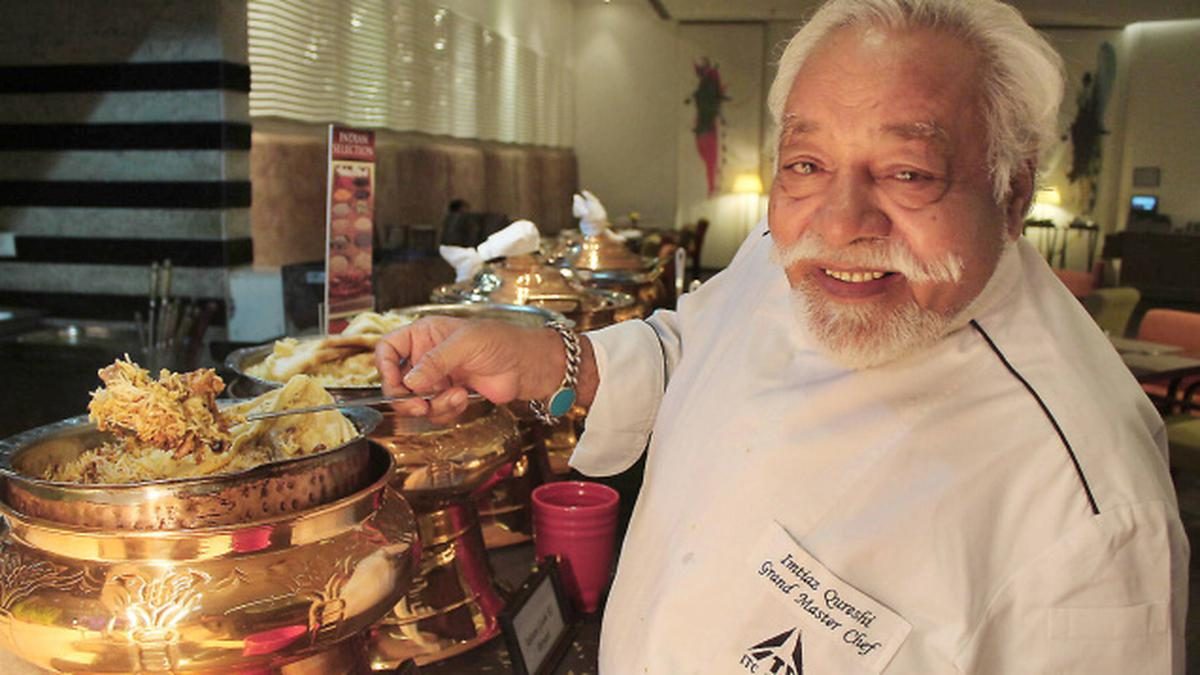
There’s a version of Chef Imtiaz Qureshi’s story where he’s just a young cook in Lucknow, figuring it out one dish at a time. Then Begum Akhtar walks in needing a miracle, Pandit Nehru asks him to feed a queen, and suddenly that quiet Lucknow kitchen feels like the centre of the world. He went on to revive Dum Pukht, build the legendary Bukhara, and win a Padma Shri, but every milestone traces back to the same city, the same slow flame, the same deep love for cooking.
Shri Ram Aasrey
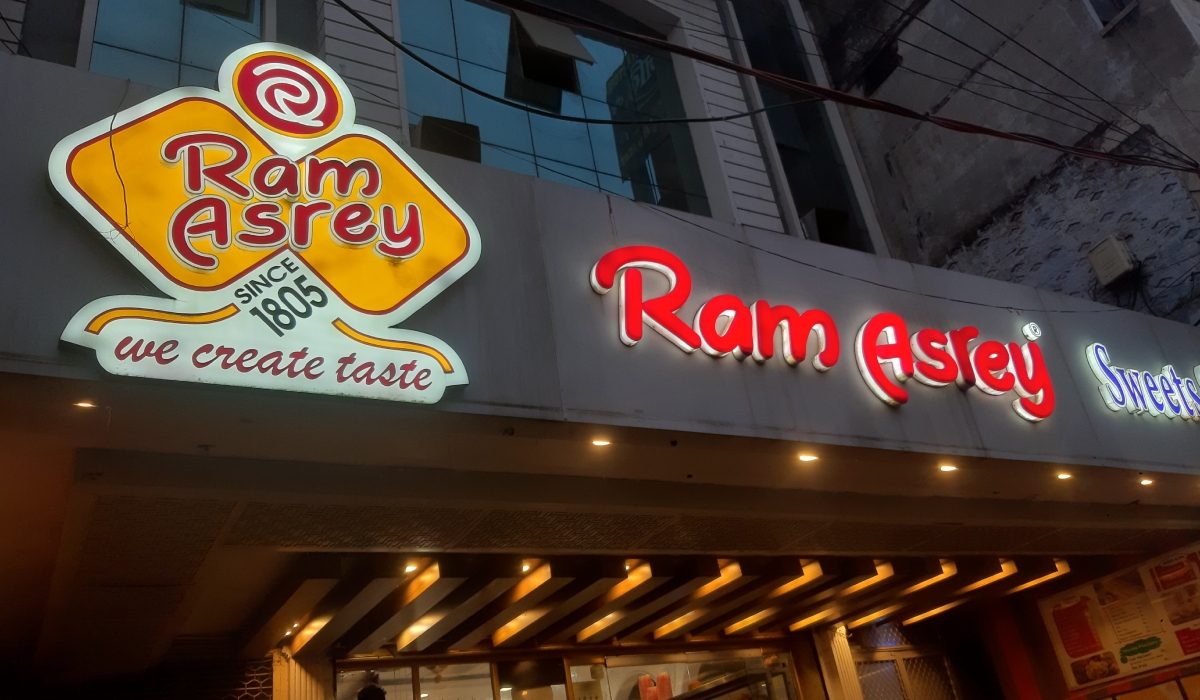
With a legacy spanning over 200 years, Ram Aasrey Mithai Shop remains one of Lucknow’s most iconic sweet establishments. Founded by Shri Ram Aasrey, who is credited with inventing the beloved Malai Gillauri—a delicacy said to have been cherished by the Nawabs of the time—the brand has become synonymous with traditional Indian desserts. Its enduring popularity and contribution to Lucknow’s culinary heritage make Shri Ram Aasrey’s legacy a deserving addition to this list.
Pankaj Bhadouria
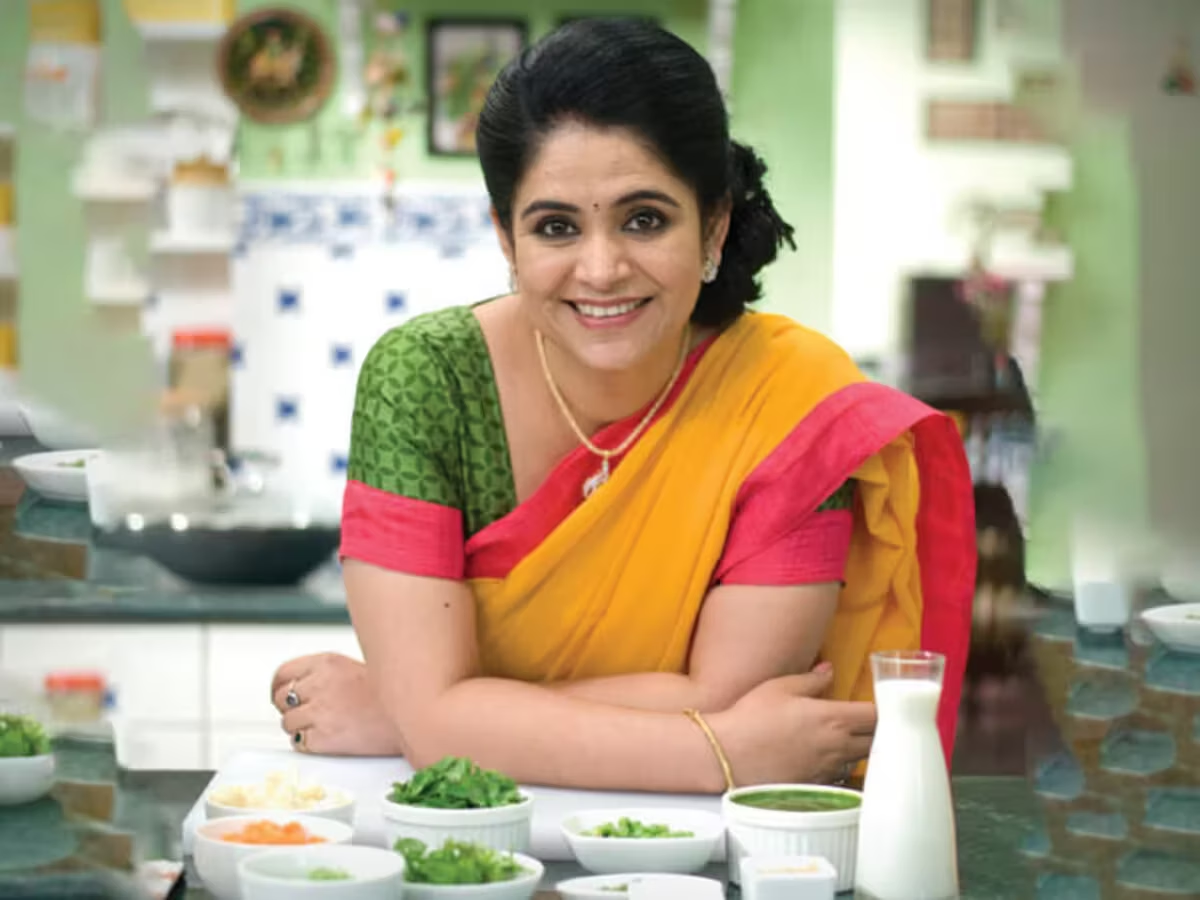
For sixteen years, Pankaj Bhadouria stood in front of classrooms. Then she walked into MasterChef India’s kitchen, and changed her life completely. Born and raised in Lucknow, her love for cooking started in her mother’s kitchen, surrounded by spices and slow-cooked recipes that never quite left her. Teaching was meaningful, but food was louder. She listened, she won MasterChef India Season 1, collaborated with Michelin-starred Chef Vikas Khanna, and brought it all back home to Lucknow with her own restaurants. The city always knew she had it in her.
Mohd. Idrees
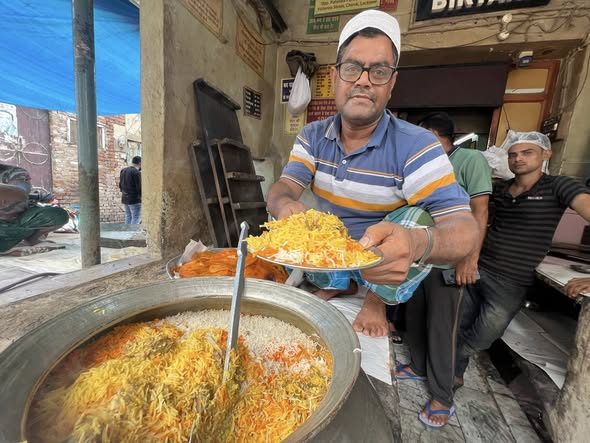
There’s biryani, and then there’s Idrees Biryani, slow-cooked in seasoned broth, finished with saffron and milk, built entirely on feel rather than recipe cards. Mohammad Idrees spent 25 years training before he trusted himself to serve a plate, and that patience became the soul of everything he created. Since 1968, his small stall in Old Lucknow’s Chowk has fed locals, tourists, and food pilgrims from across the world. Today, his son Abu Bakr holds that legacy, same hands, same instincts, same biryani.