


















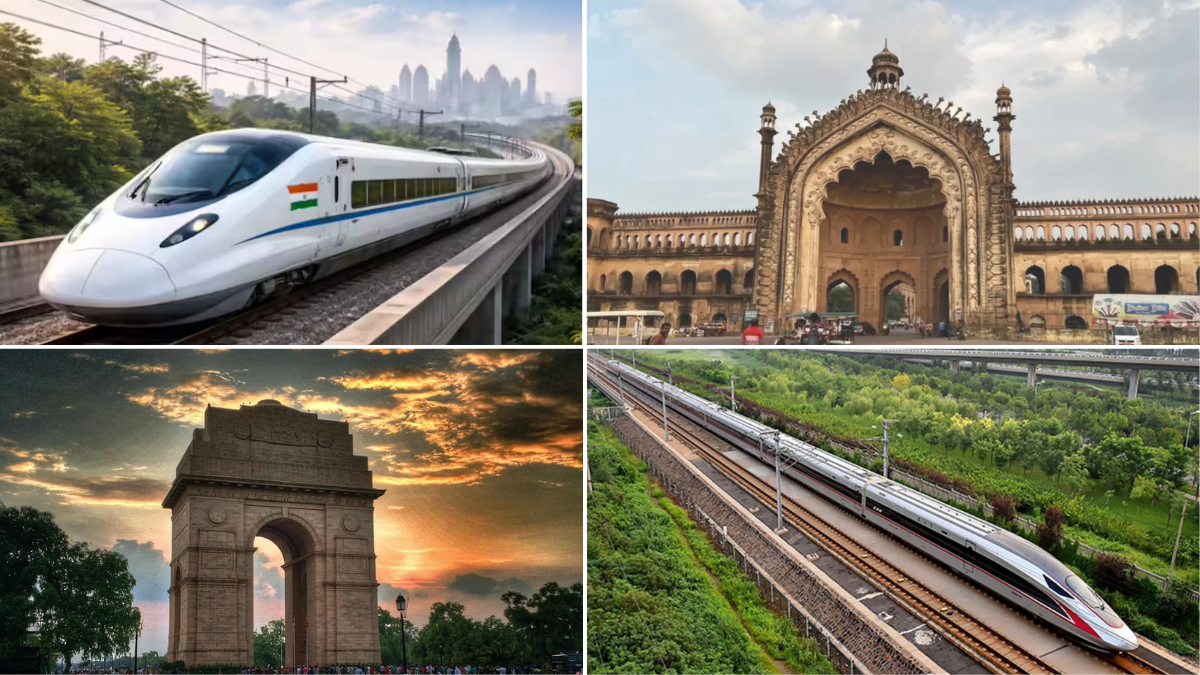
The proposed Delhi-Varanasi high-speed bullet train corridor has once again returned to the spotlight after Union Railway Minister Ashwini Vaishnaw reiterated the project during the recent CII Annual Business Summit.
One of the key highlights drawing widespread attention across news platforms is the significant reduction in travel time expected on the route. The Railway Minister stated that the bullet train corridor could enable travel between Delhi and Lucknow in just two hours, while the journey from Delhi to Varanasi is projected to take around 3 hours and 50 minutes. A completed rail link will put Lucknow within almost daily commuting distance of Delhi NCR, something that now primarily relies on expensive plane flights or overnight train rides.
More than transport: Why Lucknow could benefit economically
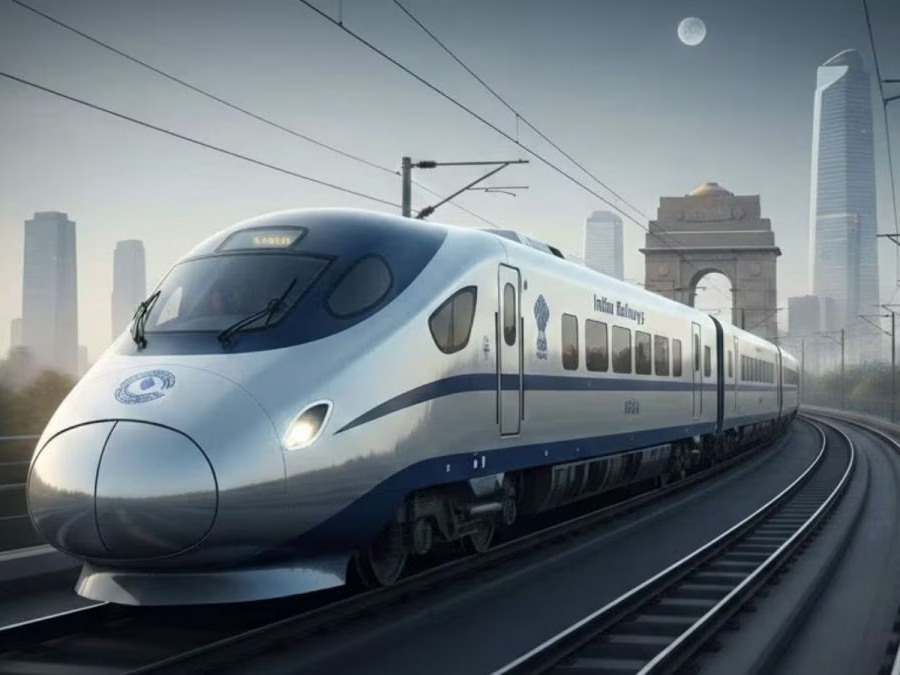
For Lucknow, the project is not just about faster travel. Urban planners and business experts believe improved high-speed connectivity could further strengthen the city’s position as an administrative, commercial, and investment hub in North India.
The proposed bullet train corridor is also expected to accelerate regional development beyond Lucknow and Varanasi, potentially benefiting several cities located along the route. Improved connectivity could enhance the movement of people and boost economic activity between Delhi and central Uttar Pradesh.
Could companies begin shifting operations towards Lucknow?
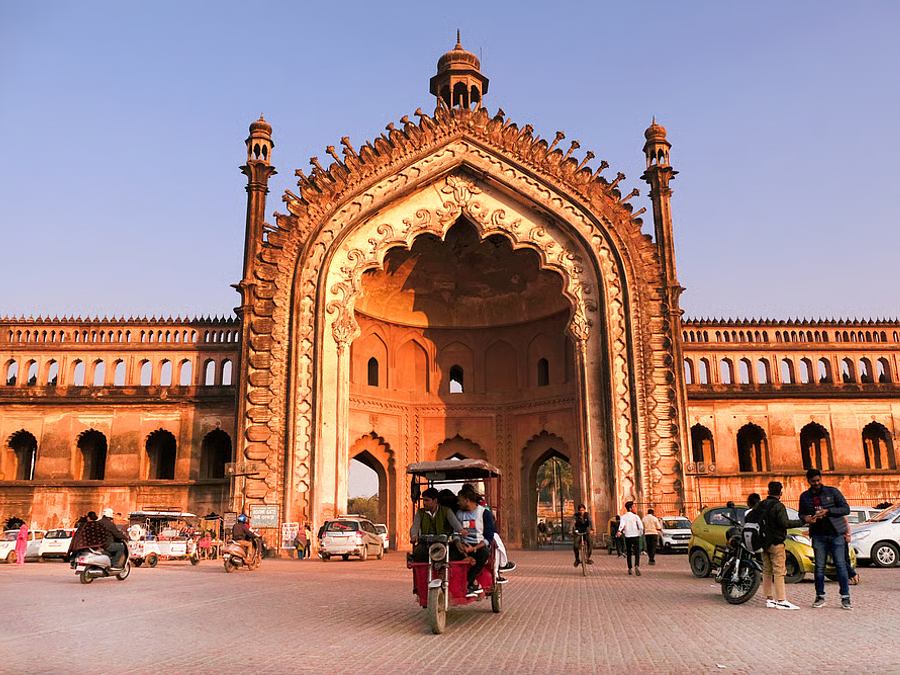
Companies operating in the Delhi and NCR regions may also feel the effects of this development. As operational costs are lowered and infrastructure improves, along with a faster way to connect the two cities, Lucknow could become more attractive for back-office operations, regional headquarters, technology park development and logistics operations in the future. Experts believe that this corridor has the ability to establish a larger economic belt over time between Delhi and Lucknow, similar to what high-speed rail lines have done to integrate urbanised areas in Japan and China.
Will bullet trains reduce dependence on flights and other trains?
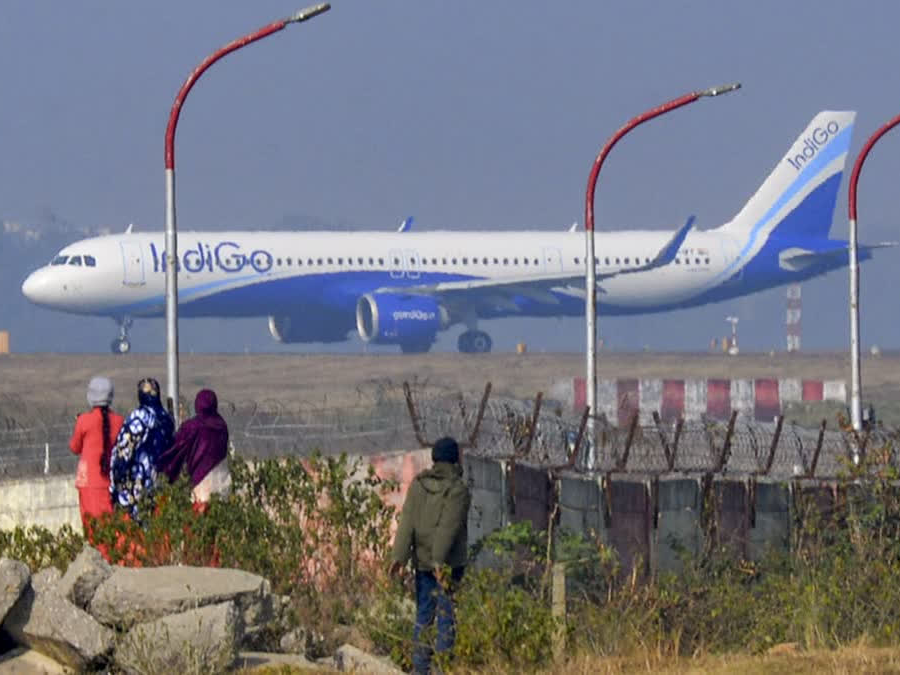
Travel time often plays a major role in determining the mode of transport passengers choose between cities. At present, air travel remains the fastest way to commute between Delhi and Lucknow. However, a high-speed rail corridor could emerge as a strong alternative for both business and leisure travellers, offering faster intercity connectivity without the long airport procedures and potential flight delays.
Currently, the fastest rail service on the Delhi–Lucknow route is the Vande Bharat Express, which completes the journey in around 6 hours and 25 minutes, while the Delhi–Varanasi Vande Bharat Express takes nearly 8 hours. Once the bullet train corridor becomes operational, these premium rail services could face direct competition on the route, given their overlapping passenger segment and travel corridor.
A larger shift in how North India connects
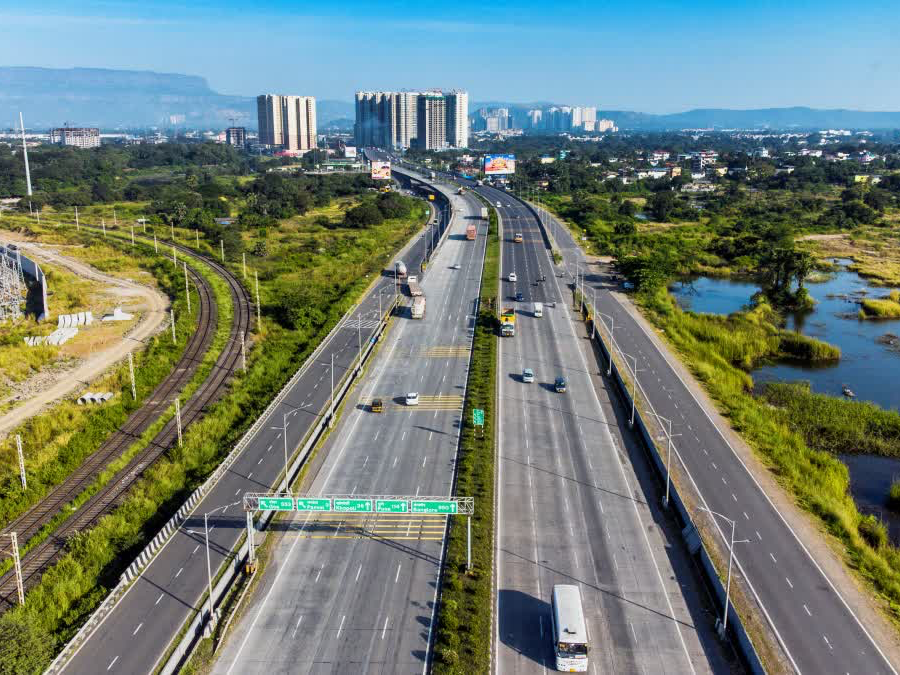
For now, India’s first bullet train corridor between Mumbai and Ahmedabad remains under construction and is expected to be completed by 2029. As a result, the proposed Delhi–Lucknow–Varanasi high-speed rail corridor is also likely to follow a long development timeline and may take several years before becoming operational.
Beyond speed and advanced rail technology, the larger impact of the project could lie in deeper economic and social integration. Improved high-speed connectivity may further strengthen ties between cities such as Lucknow and major metropolitan regions like Delhi, potentially boosting business activity, mobility, and regional growth.